Table of Contents >> Show >> Hide
- Why Heuchera (Coral Bells) Deserves a Spot in Your Garden
- How to Choose the Best Heuchera Variety for Your Yard
- Quick-Compare: The 10 Best Heuchera Varieties
- The 10 Best Varieties of Heuchera (Coral Bells)
- Easy Care Tips for Heuchera That Actually Work
- Common Coral Bells Problems (And the Non-Dramatic Fixes)
- Experience Notes: What Gardeners Commonly Learn After Planting Heuchera (About )
- Conclusion
Heuchera (a.k.a. coral bells) is the plant equivalent of that friend who looks amazing in every photo and never asks you to angle the camera up.
It’s reliable, colorful, and somehow makes even a “mostly shade, occasionally chaos” garden bed look intentionally designed.
If you want year-round foliage interest, easy edging, and container plants that don’t throw a tantrum every other week, heuchera belongs on your shortlist.
In this guide, we’ll break down the 10 best varieties of heuchera to grow in U.S. gardens, why each one earns its spot,
and how to choose the right coral bells for your light, climate, and style. Expect real-world planting tips, design ideas, and a few gently dramatic jokes.
(These leaves are basically fashion models, so it’s allowed.)
Why Heuchera (Coral Bells) Deserves a Spot in Your Garden
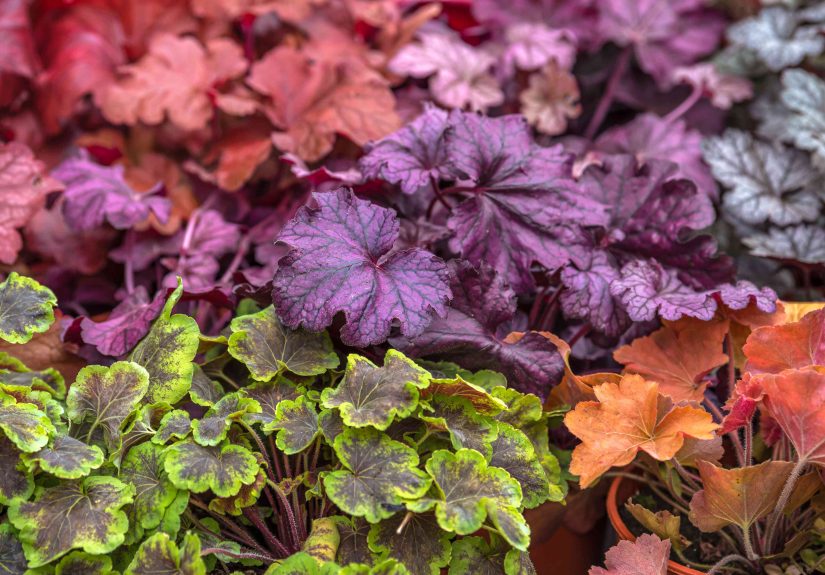
Heuchera is famous for its foliage: ruffles, veining, metallic overlays, near-black shades, and chartreuse that practically glows at dusk.
Many cultivars hold color for a long season, and some offer winter interest where conditions allow. Bonus points: the airy flower spikes can attract pollinators,
and the plants stay a tidy moundperfect for borders, paths, and containers.
But the real magic is versatility. Coral bells can handle a range of conditions when given the basics: decent drainage, consistent moisture (not swampy),
and light levels matched to leaf color. When those pieces click, heuchera becomes the “set it and enjoy it” perennial you recommend to everyone.
How to Choose the Best Heuchera Variety for Your Yard
1) Match leaf color to sun exposure
A quick rule: lighter leaves (lime, caramel, amber) usually appreciate protection from harsh afternoon sun,
while darker leaves (burgundy, purple, near-black) often tolerate more sunespecially in cooler regions.
Morning sun and afternoon shade is the “sweet spot” for many varieties.
2) Drainage is non-negotiable
Heuchera likes moisture, but it hates wet feet. If your soil stays soggy, fix drainage first or plant in raised beds/containers.
Think “wrung-out sponge,” not “puddle after a storm.”
3) Consider heat and humidity
Some cultivars are specifically bred for better performance in warm, humid climates. If your summer air feels like soup,
pick varieties known for toughness and avoid treating coral bells like a bog plant.
4) Decide where you want the color to do the work
In design terms, heuchera is a cheat code. Use it to:
brighten shade (chartreuse), add contrast (near-black), echo blooms (pink/rose foliage), or soften edges (silver/green veining).
Quick-Compare: The 10 Best Heuchera Varieties
| Variety | Foliage “Vibe” | Best Light | Why Gardeners Love It |
|---|---|---|---|
| ‘Melting Fire’ | Crimson-to-maroon ruffles | Part shade / gentle sun | Big texture, bold seasonal color |
| ‘Lime Marmalade’ | Ruffled lime glow | Shade to part shade | Brightens dark corners instantly |
| ‘Electra’ | Gold/chartreuse with red veins | Shade to part shade | Graphic foliage that pops from across the yard |
| ‘Venus’ | Silver leaves with dark veining | Part shade | “Moon garden” shimmer, elegant contrast |
| ‘Caramel’ | Apricot/amber tones | Part shade | Warm color + better heat tolerance than many |
| ‘Can Can’ | Ruffled purplish-silver | Part sun / part shade | Movement, metallic look, great in combos |
| ‘Amber Waves’ | Orange/copper glow | Part shade | Autumn color… all season long |
| ‘Midnight Rose’ | Near-black with pink splashes | Part sun / part shade | High-contrast “paint-splatter” drama |
| ‘Delta Dawn’ | Gold/chartreuse with red center/veins | Filtered light / part sun | Color shifts through the season |
| ‘Zipper’ | Orange/amber tops + magenta backs | Part shade | Ruffles + two-tone leaves, great in containers |
The 10 Best Varieties of Heuchera (Coral Bells)
1) Heuchera ‘Melting Fire’
If you want a coral bells variety that looks like it belongs on the cover of a plant catalog (without requiring catalog-level babysitting),
‘Melting Fire’ is a top pick. The heavily ruffled leaves emerge bright and bold, then deepen into maroon tones as the season rolls on.
You also get delicate flower spikes that float above the foliage like the plant is politely applauding itself.
- Best use: edging, front-of-border drama, containers with neutral companions
- Pair it with: hostas, ferns, and white flowers for contrast
- Pro tip: give it afternoon shade in hot climates to reduce leaf scorch
2) Heuchera ‘Lime Marmalade’
Shade garden feeling a little… dim? ‘Lime Marmalade’ is basically a ring light for your landscape.
The ruffled lime foliage brightens darker beds, makes purple plants look richer, and turns “under the tree” into “wow, under the tree.”
It’s also vigorous, so you get that full, lush look faster.
- Best use: mass planting in shade, bright accent along paths, container “thriller”
- Pair it with: dark-leaf heucheras, blue hostas, or deep green shrubs
- Pro tip: in strong sun, protect itlime leaves can fry like fair skin at the beach
3) Heuchera ‘Electra’
‘Electra’ is the coral bells variety for people who love bold patterns. The foliage features bright yellow-to-chartreuse tones
with striking red veininglike someone drew the leaf anatomy in highlighter on purpose (they did).
It’s a fantastic choice when you want the garden to look designed even in the “mostly leaves” months.
- Best use: shade borders, graphic contrast plantings, bright container focal point
- Pair it with: red blooms (to echo the veins), burgundy foliage, or white flowers for crisp contrast
- Pro tip: keep soil evenly moist, especially during heat spikes, for best leaf quality
4) Heuchera ‘Venus’
Want something elegant? ‘Venus’ brings silver foliage with darker veining that reads as refined and slightly luminousperfect for
“moon garden” effects or softening intense color schemes. It’s also great for adding contrast without going neon.
- Best use: rock gardens, edges, containers, or anywhere you want a silver highlight
- Pair it with: deep greens, purple foliage, or pastel blooms
- Pro tip: morning sun + afternoon shade keeps the silver looking clean and bright
5) Heuchera ‘Caramel’
‘Caramel’ is beloved for warm, apricot-to-amber foliage that changes with light and temperature.
It’s the plant version of a cozy sweaterespecially valuable in shade gardens that tend to skew “all green, all the time.”
Many gardeners also choose it because it’s known for handling heat and humidity better than plenty of older cultivars.
- Best use: woodland borders, warm-toned containers, soft groundcover effect in part shade
- Pair it with: blue/teal hostas, purple heuchera, or ornamental grasses for contrast
- Pro tip: avoid soggy soilgood drainage keeps crowns healthier long term
6) Heuchera ‘Can Can’
If you like plants with movement and texture, ‘Can Can’ is a show-off (in a good way).
The ruffled leaves have shifting purplish-silver tones that feel almost metallic in changing light.
This is a great “supporting actor” plant that quietly makes everything around it look more expensive.
- Best use: mixed borders, containers, and transitional areas between sun and shade
- Pair it with: chartreuse foliage, pink flowers, or dark evergreens
- Pro tip: use it where you’ll see it up closetexture is half the point
7) Heuchera ‘Amber Waves’
‘Amber Waves’ brings coppery-orange foliage that feels like autumn decided to stick around all year.
It’s especially helpful in landscapes that need warmththink shaded patios, north-facing foundations, or beds heavy on blue-green plants.
- Best use: warm accents in shade borders, containers, and along paths
- Pair it with: purple foliage, white flowers, and dark mulch for maximum glow
- Pro tip: give it protection from intense afternoon sun to reduce scorching
8) Heuchera ‘Midnight Rose’
Looking for something dramatic without buying a fog machine? ‘Midnight Rose’ has near-black foliage splashed with hot pink.
The speckling can shift in intensity as the season progresses, so it feels like the plant is constantly “updating its look.”
This variety is also famous for working beautifully in containersespecially when you want a high-contrast centerpiece.
- Best use: containers, front borders, “wow” accents in mixed shade plantings
- Pair it with: lime heuchera, white blooms, or fine-textured grasses
- Pro tip: consistent moisture (not soggy) helps leaves stay glossy and full
9) Heuchera ‘Delta Dawn’
‘Delta Dawn’ is the variety for gardeners who love plants that change through the season.
The foliage can show gold-to-lime tones with red veining or a deeper red center, and color often intensifies with a bit more light (especially gentle morning sun).
It’s a fantastic bridge plant between chartreuse and burgundy color palettes.
- Best use: containers, “designer” mixed plantings, borders where you want seasonal shifts
- Pair it with: burgundy foliage, blue hostas, or soft pink blooms
- Pro tip: aim for filtered light or a couple hours of suntoo much shade can mute the color
10) Heuchera ‘Zipper’
‘Zipper’ is a ruffled, two-tone stunner with warm tops (orange/amber) and rich magenta undersides that peek through the curls.
It brings serious texture to containers and looks great when planted where the light catches the leaf edges.
If you want “bold but still classy,” this is your plant.
- Best use: containers, small-space gardens, edges where you’ll see leaf detail
- Pair it with: silver foliage (like ‘Venus’) or deep greens to let the warm tones stand out
- Pro tip: don’t bury the crownplanting too deep is a common reason coral bells sulk
Easy Care Tips for Heuchera That Actually Work
- Plant at the right depth: keep the crown at soil level; don’t “tuck it in” like a blanket.
- Water smart: consistent moisture is key, especially the first season, but avoid waterlogged soil.
- Mulch lightly: helps even out soil moisture and reduces winter heaving in colder zones.
- Clean up in spring: trim tired leaves so fresh growth looks crisp, not haunted.
- Divide when needed: if the plant gets woody or sparse, lifting and dividing can refresh it.
- Containers: use well-draining potting mix and don’t let pots bake in brutal afternoon sun.
Common Coral Bells Problems (And the Non-Dramatic Fixes)
Leaf scorch
Brown, crispy edges often mean too much sun or not enough consistent moisture. Move to afternoon shade, water more evenly,
and consider mulching to reduce soil swings.
Crown or root rot
If the plant collapses or looks mushy at the base, drainage is the likely culprit. Replant in better-draining soil, raise the bed,
or switch to containers. Coral bells likes “moist,” not “marsh.”
Frost heaving in winter
In freeze-thaw cycles, crowns can get pushed up. A light mulch layer helps stabilize temperature changes.
In early spring, gently tuck plants back if they’ve lifted.
Experience Notes: What Gardeners Commonly Learn After Planting Heuchera (About )
Gardeners often start with heuchera for one reasoncolorbut stick with it for an entirely different reason: it’s one of the easiest ways to make a garden look
“finished” without relying on nonstop blooms. A big shared experience is realizing that coral bells isn’t just a filler plant; it’s a design tool.
People plant one chartreuse variety like ‘Lime Marmalade’ to brighten shade, then suddenly notice every dark corner that needs a second one.
It’s a gateway plant. One day you’re buying “just one for the hosta bed,” and the next day you’re planning a whole border around leaf veining.
Another common lesson is that light is everythingnot because heuchera is fussy, but because foliage color responds dramatically to conditions.
Many gardeners report that the same cultivar can look like two different plants depending on whether it gets gentle morning sun or harsh afternoon rays.
Dark-leaf types often hold up better with more sun (especially in cooler climates), while lighter leaves can scorch or fade if they’re placed in a spot that turns into a summer frying pan.
The “aha” moment usually happens after someone moves a struggling coral bells from a hot location to part shade and watches it rebound like it just got a spa day.
Heuchera also teaches people about drainage in a very memorable way. Because the plant likes consistent moisture, beginners sometimes “love it too much”
with extra wateringespecially in heavy soils. The result is a plant that looks tired, then suddenly collapses. Once gardeners switch to better drainage
(amended beds, raised planting areas, or containers with proper mix), the experience flips: coral bells becomes remarkably steady and forgiving.
The most experienced heuchera fans often say their best plants live where water moves through the soil easily, even if they still get regular irrigation.
Containers are another shared win. People are often surprised by how well coral bells performs in pots, especially the dramatic varieties like ‘Midnight Rose’ or ruffled types like ‘Zipper.’
In mixed containers, heuchera works like a “color anchor” that lasts long after seasonal flowers slow down.
A frequent experience is realizing that you can build an entire container around foliagethen add just one simple bloomer (like white flowers) and it looks professionally designed.
Gardeners also learn quickly that pots dry out faster, so the trick is consistent watering without soggy mix.
Finally, many gardeners learn that heuchera rewards small maintenance moves.
Trimming ragged leaves in spring makes the plant look instantly refreshed. Avoiding crown burial prevents long-term decline.
And when older clumps get woody or sparse, dividing and replanting often brings back that dense, lush mound look.
The overall experience tends to be the same: once you understand the basicsright light, good drainage, steady moisturecoral bells becomes one of the most satisfying
“low drama, high impact” perennials you can grow.
Conclusion
The best heuchera varieties aren’t just prettythey’re practical. From the ruffled richness of ‘Melting Fire’ to the shade-brightening glow of ‘Lime Marmalade,’
coral bells delivers color where flowers often struggle (hello, shade). Choose varieties based on your light, prioritize drainage, and use foliage color like paint:
a little chartreuse for brightness, a little near-black for contrast, and a dash of silver to make it all look intentional.