Table of Contents >> Show >> Hide
- What Is a Downdraft Range Vent, Exactly?
- 10 Easy Pieces: The Best Downdraft Range Vent Picks to Know
- 1. GE 30-Inch Telescopic Downdraft Vent
- 2. GE 36-Inch Telescopic Downdraft Vent
- 3. KitchenAid 30-Inch Retractable Downdraft Ventilation System
- 4. KitchenAid 36-Inch Retractable Downdraft Ventilation System
- 5. JennAir 30-Inch Telescoping Downdraft Ventilation
- 6. JennAir 36-Inch Telescoping Downdraft Ventilation
- 7. Zephyr Sorrento Downdraft
- 8. Zephyr Lift Downdraft
- 9. Bosch 800 Series Downdraft Ventilation
- 10. Wolf Downdraft Ventilation
- How to Choose the Right Downdraft Vent
- Pros and Cons of Downdraft Range Vents
- The Real-World Experience of Living With a Downdraft Vent
- Final Thoughts
If the traditional range hood is the loud extrovert of the kitchen, the downdraft vent is its cooler, quieter cousin who slips into the room, says nothing, and somehow still gets noticed. A downdraft range vent rises from the counter when you need it, disappears when you do not, and makes open kitchens look less like commercial cooklines and more like the stylish, magazine-ready spaces people actually want to hang out in.
That said, this is not the appliance category for casual shoppers. Downdraft vents are a niche, and a slightly fussy one. They save sightlines, work especially well in islands and open-concept layouts, and look wonderfully minimal. But they also ask for planning, cabinet space, and a realistic attitude about performance. Smoke naturally rises. A downdraft’s whole job is to politely disagree with physics.
Still, for the right kitchen, the payoff is real. Below are 10 standout downdraft range vent options and families worth knowing, along with what makes them interesting, where they fit best, and what to keep in mind before you commit your cabinets, your cooktop, and your sanity.
What Is a Downdraft Range Vent, Exactly?
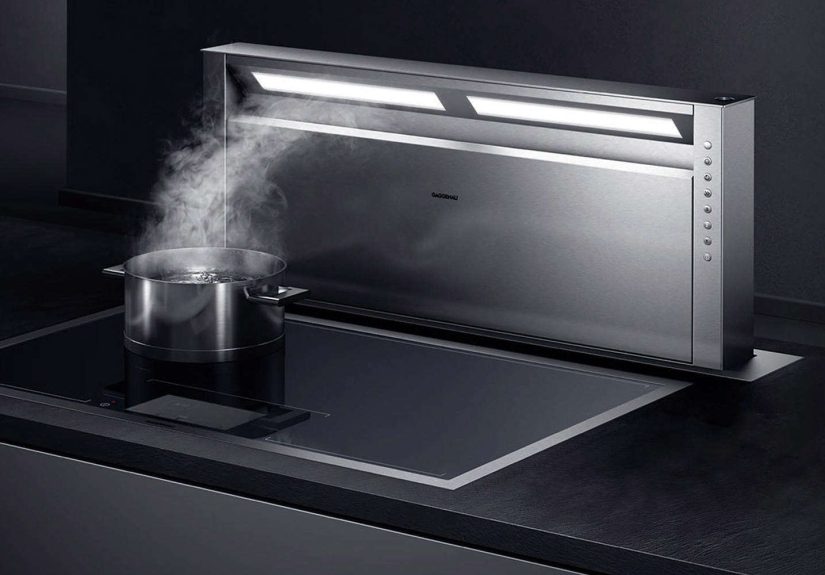
A downdraft vent is a kitchen ventilation system installed behind or beside a cooktop. Instead of hanging overhead, it pulls smoke, steam, grease, and cooking odors downward and then ducts them outside or, in some systems, filters and recirculates the air. The most recognizable version is the telescoping model that rises from the countertop at the push of a button and retracts when you are done.
These systems shine in kitchens where an overhead hood would block views, interrupt a clean design, or feel clunky above an island. They are also popular with homeowners who want a more integrated, furniture-like kitchen. The catch is that they usually work best when paired thoughtfully with the right cooktop, proper duct runs, and realistic cooking habits. If your idea of dinner is a stockpot at full boil, two sizzling skillets, and a dramatic cloud of smoke, an overhead hood still has the stronger argument.
10 Easy Pieces: The Best Downdraft Range Vent Picks to Know
1. GE 30-Inch Telescopic Downdraft Vent
GE’s 30-inch downdraft is one of the more approachable entries in this category, which is saying something because downdraft ventilation is not exactly the clearance rack of kitchen appliances. It is a classic retractable design meant for compact layouts, smaller island cooktops, or remodels where you need a practical, known-brand option without entering luxury-appliance tax bracket territory.
Why it stands out: it offers the straightforward features most buyers want, including telescoping operation, ducted ventilation, and a cleaner look than a full hood. If your cooking habits lean more weeknight pasta than wok-night inferno, GE makes a very reasonable case for itself.
2. GE 36-Inch Telescopic Downdraft Vent
The 36-inch GE version is the bigger sibling for wider cooktops and homeowners who want the same basic formula with a little more width coverage. This is the sort of unit that makes sense in a modern kitchen refresh where design matters, but so does not setting your renovation budget on fire.
Its appeal is simple: clean lines, a familiar brand name, and a format that fits the broadest slice of American kitchens. If you want a downdraft that feels less “designer flex” and more “sensible appliance decision with good taste,” this is a strong contender.
3. KitchenAid 30-Inch Retractable Downdraft Ventilation System
KitchenAid’s 30-inch retractable downdraft is one of the most recognizable models in the category, and for good reason. It pairs a sleek flush-to-countertop look with a taller rise when activated, which helps it catch steam from taller cookware better than some shorter systems. It is also designed to work with a wide range of cooktops, which makes planning a little less painful.
This model is ideal for homeowners who want a polished middle path: better refinement than entry-level options, but still grounded in mainstream kitchen design. It is practical, familiar, and built for people who want good-looking appliances without having to speak fluent luxury showroom.
4. KitchenAid 36-Inch Retractable Downdraft Ventilation System
The 36-inch KitchenAid takes the brand’s strongest downdraft features and scales them for wider cooking surfaces. It is a particularly good fit for larger island cooktops and open kitchens where the goal is to keep the visual field clear while still giving cooking fumes somewhere sensible to go.
What buyers tend to like here is balance. The design is clean, the controls are straightforward, and the unit feels premium without becoming precious. In other words, it is polished enough for a dream-kitchen reveal but practical enough for Tuesday tacos.
5. JennAir 30-Inch Telescoping Downdraft Ventilation
JennAir has long treated downdraft ventilation as part of its design language rather than a weird add-on appliance, and the 30-inch telescoping model shows that. It looks sharp, rises higher than many basic models, and brings a more upscale feel to the category. The styling is crisp and contemporary, which makes it a natural fit in kitchens aiming for the whole “quiet luxury, but make it cook” mood.
This is a good option for buyers who care about both function and finish. It feels more intentional, more design-forward, and more tailored to premium cooktops than entry-level alternatives.
6. JennAir 36-Inch Telescoping Downdraft Ventilation
The 36-inch JennAir pushes the same premium vibe across a wider footprint. If your kitchen leans architectural, minimally styled, or unapologetically expensive-looking, this model earns a serious look. The fan settings, taller rise, and luxury finish all help it feel like a considered design decision rather than a compromise made to avoid an overhead hood.
Best for: homeowners who want a downdraft to look every bit as custom as the rest of the kitchen. It is not humble, and that is part of the charm.
7. Zephyr Sorrento Downdraft
The Zephyr Sorrento is one of the more interesting entries because Zephyr actually treats ventilation like a specialty, not an afterthought. The Sorrento is designed for smaller kitchens and island settings, and it brings a few thoughtful extras, including automatic heat-sensor behavior and a more purpose-built ventilation feel.
If you have been comparing big-brand downdrafts and thinking, “These all seem like they were designed by committee,” the Sorrento may feel refreshingly specific. It is a good choice for homeowners who want a ventilation-first brand and a model that feels like it was developed by people who spend a lot of time thinking about kitchen airflow.
8. Zephyr Lift Downdraft
The Zephyr Lift is the glamorous one. It is the downdraft for people who want their ventilation system to disappear, then reappear with a little flourish. Zephyr positions it as a luxury model, and it earns that label with its cleaner detailing, upgraded controls, lighting, and flexible ducting options. It is the sort of appliance that says, “Yes, the kitchen is doing the most, and we support her.”
It makes the most sense in higher-end remodels where aesthetics are carrying equal weight with performance. If the Sorrento is the practical tailored blazer, the Lift is the custom coat with better buttons.
9. Bosch 800 Series Downdraft Ventilation
Bosch brings its usual engineering-heavy mindset to downdraft ventilation. What makes the 800 Series compelling is flexibility: multiple ducting options, a clean concealed appearance, and the ability, in some configurations, to support more complex installation paths. In other words, this is the model for people who have a tricky cabinet layout and would prefer not to hear the phrase “that won’t work” from their installer.
Bosch also tends to appeal to buyers who care about precise fit and finish. If your kitchen appliance wish list includes words like integrated, refined, and logical, this one will probably speak your language.
10. Wolf Downdraft Ventilation
Wolf’s downdraft units are for shoppers who have already accepted that they are not merely buying appliances; they are curating an ecosystem. The Wolf downdraft is beautifully built, rises high enough to improve capture, and is designed to coordinate with premium cooktops and a luxury kitchen aesthetic. Some configurations use separate blower selections, which gives you flexibility but also means planning matters.
This is not the budget pick, nor is it pretending to be. But if you want a downdraft vent that feels substantial, looks tailored, and belongs in a top-tier kitchen, Wolf is one of the clearest prestige options in the field.
How to Choose the Right Downdraft Vent
Match the Width to the Cooktop
Thirty-inch and 36-inch units dominate the category. In general, your vent should match the width of the cooktop, and bigger cooking surfaces deserve bigger capture zones. This is not the place for wishful thinking.
Pay Attention to CFM, but Do Not Worship It
Airflow matters, and many current downdraft models cluster around roughly 500 to 600 CFM, while some premium systems can go higher with optional blower setups. But raw airflow is only part of the story. Capture efficiency matters just as much, and overhead hoods still tend to win that fight because they work with rising heat instead of arguing with it.
Think About Cabinet Space Early
Downdrafts live in the base cabinet. That means they eat storage. Some need deeper cabinets, transition kits, or carefully routed ductwork. If your dream island already has drawers, trash pull-outs, and a secret charging station, your downdraft may arrive like an uninvited roommate.
Be Honest About How You Cook
If you mostly sauté, simmer, boil, and reheat, a downdraft can work beautifully. If you blacken fish, sear steaks, use a high-output gas burner daily, or enjoy smoke as a personality trait, you may want a stronger overhead solution.
Know Whether It Is Ducted, Convertible, or Requires Extra Parts
Some systems are fully ducted. Some can be converted to recirculation. Others require separately selected blowers or transition components depending on the installation. Translation: read the fine print before the cabinets are built, not after your contractor has developed that look.
Pros and Cons of Downdraft Range Vents
The Pros
- They preserve open sightlines, especially in island kitchens.
- They create a sleek, integrated look.
- They eliminate the visual bulk of an overhead hood.
- They can be ideal in spaces with high ceilings or architectural constraints.
- They pair beautifully with modern, minimalist kitchen design.
The Cons
- They are usually less effective than a good overhead hood at capturing smoke and grease.
- They take up cabinet space below the cooktop.
- They often cost more than buyers expect.
- Installation can be complicated, especially with long or awkward duct runs.
- Front burners and tall pots can be more challenging for effective capture.
The Real-World Experience of Living With a Downdraft Vent
Here is the part that matters after the showroom lights go off: what is it actually like to live with one of these things? In the right kitchen, a downdraft vent feels fantastic. The counter looks cleaner. The room feels more open. Guests can see across the island instead of staring at a metal hood the size of a compact car. If you love a streamlined kitchen, the emotional payoff is real every single day.
Morning coffee feels calmer. You stand at the cooktop and still see the rest of the room. You can talk to family, watch kids do homework, or keep an eye on the game without peering around a giant stainless-steel visor. In open-concept homes, that visual openness is the whole point, and it genuinely changes how the kitchen feels.
Then dinner happens, and reality enters wearing an apron. If you are boiling pasta, browning a little ground turkey, or making grilled cheese like the domestic legend you are, the downdraft usually feels perfectly capable. It rises up, does its thing, and tucks away afterward. The experience is tidy and satisfying. You start to feel very smug about your design choices, as well you should.
But high-heat cooking is where the relationship gets more honest. Steam from a tall stockpot can drift upward before the vent fully corrals it. Smoke from a front burner may wander off like it has somewhere better to be. If you sear often, stir-fry aggressively, or cook with a gas flame that means business, you may notice that a downdraft works best when you help it out by using the back burners, keeping pans centered, and turning the fan on early rather than after the smoke show begins.
There is also the matter of storage. Because the system lives below the counter, the cabinet underneath often loses some of its best, most useful real estate. That deep drawer set you imagined may become a more complicated arrangement of compromises, creative cutouts, and muttered negotiations with your kitchen designer. This is not necessarily a deal-breaker, but it is absolutely part of the lived experience.
Noise is another truth-teller. Some models are quieter than others, and remote or inline blower setups can help, but downdrafts are still mechanical ventilation systems pulling air with urgency. They are not silent little countertop elves. In practice, most owners decide the noise is fine, especially if the visual simplicity of the kitchen matters a lot more to them than near-silent operation.
Cleaning is usually manageable. Filters need attention, and grease still exists because the universe is cruel. But many current models make maintenance relatively painless with removable, dishwasher-safe filters. The bigger challenge is remembering that “hidden” does not mean “self-cleaning.” Nice try.
So what is the overall experience? For design-minded homeowners, it is often a very happy compromise. You give up some brute-force capture power, gain a kitchen that looks cleaner and more architectural, and learn a few cooking habits that help the system perform better. People who want maximum ventilation performance above all else may still be happier with an overhead hood. But people who care deeply about sightlines, islands, and a less cluttered kitchen silhouette often end up loving their downdraft exactly because it makes the room feel better even when it asks for a little patience in return.
Final Thoughts
Downdraft range vents are not for everyone, and that is actually their charm. They solve a very specific design problem with a very specific set of tradeoffs. If you want the strongest possible capture for serious cooking, a traditional hood still rules the roost. But if your priority is a cleaner look, open views, and a kitchen that feels less appliance-heavy, a good downdraft can be the right kind of compromise.
The smartest move is to treat ventilation as part of the whole kitchen plan, not an afterthought. Match the vent to your cooktop, your cabinet depth, your ducting path, and your real cooking habits. Do that, and your downdraft will not just look good in the reveal photos. It will make sense on the 843rd weeknight dinner too.