Table of Contents >> Show >> Hide
- Quick Refresher: What “The Lost Colony” Actually Was
- The 10 Most Horrifying True Stories From the Roanoke Mystery
- 1) The Rescue Mission That Never Arrived (Until It Was Too Late)
- 2) A Murder That Poisoned Everything
- 3) Virginia Dare: The Baby Born Into a Mystery
- 4) The Message That Feels Like a Whisper From a Vanished World: “CROATOAN”
- 5) The Eerie Lack of a Distress Sign
- 6) White Was So Close… And a Storm Shut the Door
- 7) The Jamestown Rumors: “They Were Killed” (Maybe)
- 8) Starvation Isn’t Cinematic, But It’s Terrifying
- 9) The “Split and Scatter” Scenario: A Colony That Fractured Into Smaller Groups
- 10) The Archaeology Clues That Feel Like Ghost Prints in the Sand
- So What Most Likely Happened?
- Why the Mystery Refuses to Die
- Experiences: Walking the Lost Colony Trail Today (500+ Words)
- Final Thoughts
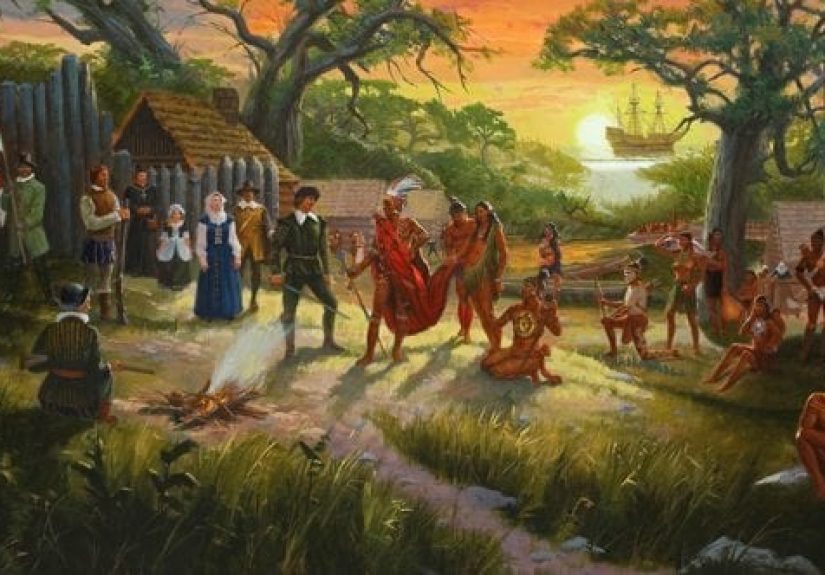
Roanoke Island, late 1580s: you’re on a thin strip of sand and pine forest off the edge of what Europeans called “Virginia.” Your pantry is a rumor. Your neighbors are a network of Native communities with their own politics and survival priorities. The ocean is both highway and prison. And the person holding the only return ticketGovernor John Whitehas sailed away, promising to come back quickly with supplies.
He doesn’t. When he finally returns years later, the settlement is empty. No bodies. No goodbye note. Just a single word carved into wood: CROATOAN. If you like your history tidy, Roanoke will ruin your week. If you like your history unsettling, Roanoke will ruin your sleep.
This article retells documented, evidence-based episodes tied to the Roanoke voyages and the “Lost Colony” mysteryplus what modern historians and archaeologists think those clues might mean. It’s written in a fun, slightly dark, “campfire story with footnotes” vibe… but without turning real people into props. Because the scariest thing about Roanoke isn’t a monster in the woods. It’s the very human combination of hunger, bad timing, cultural collision, and isolation.
Quick Refresher: What “The Lost Colony” Actually Was
Roanoke wasn’t a single attemptit was a chain of risky ventures in the 1580s backed by Sir Walter Raleigh. The most famous one arrived in 1587 with men, women, and children meant to establish a permanent settlement. Their intended destination wasn’t even Roanoke Island, which is part of why everything starts off slightly cursed (historically speaking).
John Whiteartist, leader, and soon-to-be extremely stressed grandfatherreturned to England for supplies. War, storms, and political chaos delayed him. When he came back in 1590, the settlement had vanished. That disappearance is the “Lost Colony” mystery: not a single event, but a silence so loud it echoes for centuries.
The 10 Most Horrifying True Stories From the Roanoke Mystery
1) The Rescue Mission That Never Arrived (Until It Was Too Late)
Imagine a supply chain where “two weeks late” means “everyone might be dead.” That was Roanoke. The 1587 colonists were already short on provisions and depended heavily on resupply and trade. White left to get help, but didn’t return for three years. In an age when ships were at the mercy of storms, politics, and war, “soon” was a fantasy wordlike “affordable coastal property.”
The horror here is slow and administrative: a colony can collapse without a single dramatic battle, just by being outwaited by distance. You don’t need a villainjust an ocean and a calendar.
2) A Murder That Poisoned Everything
Not long after the 1587 group arrived, one of the colonists, George Howe, was ambushed and killed. In response, White and his men launched a retaliatory attackonly to strike a community that turned out to be Croatoan rather than the group they believed responsible. That kind of mistake doesn’t just spill blood; it nukes fragile trust.
There’s a special kind of dread in realizing history can pivot on a wrong turn in a boat and a tragic misidentification. It’s not a jump scare. It’s a moral bruise that never heals.
3) Virginia Dare: The Baby Born Into a Mystery
Virginia Dare was born on Roanoke Island in 1587, often described as the first English child born in the New World. Her birth should have been a propaganda dreamproof that “this can work.” Instead, her existence becomes a symbol of uncertainty because her fate, like the colony’s, is unknown.
That’s what makes it chilling: Roanoke isn’t just missing soldiers or fortune-seekers. It’s missing families. Missing children. Missing ordinary lives that were supposed to become permanent.
4) The Message That Feels Like a Whisper From a Vanished World: “CROATOAN”
When White returned in 1590, he found the settlement abandoned and the word CROATOAN carved into a palisade, with “CRO” carved elsewhere. It reads like a breadcrumbalmost considerate, even hopefulexcept it’s carved into silence.
Horror doesn’t always look like violence. Sometimes it looks like a single word that suggests people left on purpose… and still didn’t make it back to the historical record.
5) The Eerie Lack of a Distress Sign
According to accounts preserved in later summaries and park histories, there were no obvious signs of a frantic struggleno massacre scene, no scattered remains, no “we’re being chased!” panic. The site looked like it had been dismantled, not destroyed. That detail flips the tone from “attack” to “planned departure.”
And that’s disturbing in a different way: if they left intentionally, where did they believe they were going? What did they believe was safer than staying? You don’t abandon shelter on an island lightly unless staying feels worse.
6) White Was So Close… And a Storm Shut the Door
White reportedly intended to sail to Croatoan after finding the carved clue. He didn’t get the chance. Storms and ship trouble forced a return to England. He never went back to Roanoke again.
This is one of the cruelest twists in the story: the clue might have been actionable, the trail might have still been warm, and weather simply erased the opportunity. If Roanoke has a recurring villain, it’s the Atlantic.
7) The Jamestown Rumors: “They Were Killed” (Maybe)
After Jamestown was founded in 1607, colonists and leaders tried to make sense of Roanoke. Rumors circulated that the missing settlers had been killedpossibly tied to Powhatan political strategy and fear of English encroachment. Some later writers reported confessions or secondhand claims, but the evidence is tangled, and historians debate what should be taken literally.
The horror here is the uncertainty: imagine surviving long enough to integrate into a new community, only to be swallowed later by conflictthen reduced, years afterward, to “rumors” in someone else’s survival story.
8) Starvation Isn’t Cinematic, But It’s Terrifying
One of the most grounded explanations for what happened is also the bleakest: hunger and disease. The Outer Banks environment is beautiful, but it’s not a grocery store. A colony short on supplies, with damaged relations and limited trade, can face cascading failure fast.
Some park-service summaries emphasize that drought conditions in the late 1580s would have made local food scarcity worse, reducing the ability of nearby communities to trade surplus. That means even “peaceful coexistence” could still end in desperationnot because anyone wanted tragedy, but because there simply wasn’t enough to go around.
9) The “Split and Scatter” Scenario: A Colony That Fractured Into Smaller Groups
One of the more haunting modern possibilities is that the colonists didn’t vanish in one momentthey fragmented. Archaeological discussions and reporting over the last decade have suggested the chance that groups moved in different directions: some toward Croatoan/Hatteras, others inland. That kind of dispersal would make survival more likely in the short term… and total disappearance more likely in the long term.
Because when a community breaks into small units, each group becomes easier to absorb, easier to lose, and harder for historians to trace. The “Lost Colony” might not have been a single mystery; it might have been dozens of smaller, quieter endings.
10) The Archaeology Clues That Feel Like Ghost Prints in the Sand
Archaeology doesn’t often “solve” mysteries with a single artifact. It’s more like building a case from crumbs: a fragment here, a manufacturing trace there, a pattern that starts to rhyme. Some digs and analyses have pointed to European materials and iron-working traces in places associated with Native communities near Hatteras, which could be consistent with English presence and assimilation.
That possibility is chilling in the most human way: not “they disappeared,” but “they livedjust not in the story England wanted to tell.” A mystery can survive not because no one knows the truth, but because the truth doesn’t fit the myth.
So What Most Likely Happened?
Roanoke is a perfect storm (sometimes literally) of why early colonization was brutal. Most serious interpretations cluster around a few overlapping possibilities:
- Relocation to Croatoan/Hatteras: The carved word points in that direction, and many historians treat it as the most direct clue.
- Assimilation into Native communities: Not a fairy-tale “everyone got along,” but a practical blending under pressuremarriage, adoption, labor exchange, survival.
- Fragmentation: Parts of the colony may have moved inland while others stayed coastal, making the “colony” less a single unit and more a scattering of households.
- Conflict and later violence: Even if the colonists initially survived, later regional conflicts could have erased them as a distinct group.
- Environmental stress: Drought, hunger, and disease can destroy a settlement without leaving dramatic evidence behind.
And there’s one more reality that’s less spooky but more important: Roanoke sits at the intersection of English ambition and Indigenous sovereignty. Native communities weren’t background scenery; they were nations making decisions under increasing threat. That context doesn’t “solve” Roanoke, but it makes the mystery more honestand, frankly, more frightening. Because it means this wasn’t fate. It was history.
Why the Mystery Refuses to Die
Roanoke persists because it’s a rare historical void where people expect a tidy answer. A settlement disappears, leaving a clue, and then the trail goes cold. That’s narrative gold.
But the real reason it stays unsolved is simpler: records were thin, coastal sites erode, artifacts travel, and assimilation erases the sharp edges that written archives depend on. If the colonists joined existing communities, their “ending” might not look like an ending at alljust a gradual blending that English record-keepers never tracked or didn’t value.
In other words: Roanoke may be “lost” mostly because English paperwork lost interest.
Experiences: Walking the Lost Colony Trail Today (500+ Words)
If you want to feel Roanoke in your boneswithout, you know, the 16th-century malnutritionthere’s a strange gift in visiting Roanoke Island and the surrounding Outer Banks today. The landscape doesn’t recreate the past (nothing can), but it does something sneakier: it shows you how plausible the past was. The distances are suddenly real. The water routes make sense. And the “why didn’t they just…” questions start to sound less clever.
Start at Fort Raleigh National Historic Site. Even if you arrive as a skeptic, the place has a way of quieting you. You’re standing where people tried to build permanence out of uncertainty. Interpretive signs and exhibits don’t hand you a single neat conclusion, but they do give the essential shapes: who came, what they needed, and how quickly a plan can unravel. It’s also one of the best places to appreciate Roanoke’s main antagonistgeography. The island is beautiful, but it’s exposed, windswept, and strategically awkward if you’re trying to be both hidden from enemies and supplied by the sea.
Then lean into the story side of history. The long-running outdoor drama The Lost Colony has been staging an interpretation of these events for generations, and whether you’re a theater person or not, the experience is revealing. You’re watching how Americans have chosen to remember Roanokewhat gets emphasized, what gets simplified, what gets turned into symbolism. It’s not a replacement for scholarship, but it’s a living artifact of cultural memory. And honestly? Sitting outdoors at night while actors perform a story about a settlement that vanished is the closest legal way to recreate the emotional weather of Roanoke.
Roanoke Island Festival Park adds another layer: the “how it might have felt day-to-day” perspective. When you see reenactment-style spaces and material culture displays, the Lost Colony stops being a headline and becomes a domestic problem. You start thinking about laundry. About tools rusting. About how long you can stretch a barrel of flour. About what it means to have children in a place where your nearest backup plan is “hope the ocean cooperates.”
For a different kind of immersion, spend time along the sounds and waterways. Roanoke isn’t just an island; it’s part of a watery network. The moment you watch wind push chop across a sound, you understand why small boats matterand why crossing even a short distance can become dangerous fast. That helps the “CROATOAN” clue feel more complicated: moving fifty miles isn’t just a line on a map; it’s a high-stakes logistical decision when the weather and the season can veto you.
And here’s the weirdest “experience” of all: after a day on the Outer Banks, go back to your room and read about John White’s return in 1590. It lands differently when you’ve watched dusk fall over the same water. The story becomes less like a spooky internet mystery and more like an exhausted human tragedypeople trying to survive between cultures, between storms, between promises.
If you leave with anything, let it be this: Roanoke’s horror isn’t just disappearance. It’s how easy it is for ordinary lives to fall out of the recordand how long the silence can last.
Final Thoughts
The Lost Colony of Roanoke endures because it’s a mystery with human-scale stakes. It’s not just “Where did they go?” It’s “What did survival look like when the plan failed?” The scariest stories aren’t the ones with supernatural endings. They’re the ones where the ending was probably made of hunger, weather, fear, and difficult choicesthen swallowed by time.