Table of Contents >> Show >> Hide
If your cholesterol numbers have ever made you stare at a lab report like it was written in ancient code, you are not alone. The good news is that improving your cholesterol does not require a sad life built on plain lettuce and disappointment. In many cases, the biggest wins come from simple food swaps: more soluble fiber, more unsaturated fats, more plant-forward meals, and less saturated fat sneaking in from butter, processed snacks, fatty meats, and ultra-rich takeout.
That is where cholesterol-lowering foods come in. Some foods help by binding cholesterol in the digestive tract. Others improve your blood lipid profile by replacing saturated fats with healthier fats. A few have more modest effects but still earn a spot on your plate because they make heart-healthy meals taste like real food instead of punishment. Garlic and onion belong in that club. They are not magic wands, but they can absolutely help turn “healthy eating” into food you actually want to eat.
Below are 11 foods that can support better cholesterol numbers, especially LDL cholesterol, the one most people mean when they say “bad” cholesterol. Think of this list as a team, not a talent show. One food alone will not save the day. But together, these foods can make your meals friendlier to your heart and your taste buds.
Why food matters for cholesterol
Before we get to the list, here is the short version. Foods that help lower cholesterol usually work in one of three ways: they add soluble fiber, they replace saturated fat with unsaturated fat, or they support a healthier overall eating pattern that makes it easier to manage weight, blood sugar, and long-term heart risk. Translation: your breakfast, lunch, dinner, and snacks are quietly negotiating with your arteries all day long.
11 foods that can help lower cholesterol
1. Oats and oat bran
Oats are the poster child of cholesterol-friendly breakfasts, and honestly, they deserve the fame. Oats contain beta-glucan, a type of soluble fiber that helps reduce the absorption of cholesterol in the digestive system. In plain English, oatmeal is doing useful paperwork before cholesterol gets too comfortable in your bloodstream.
A bowl of oatmeal is a smart start, but oats do not have to show up only as hot cereal. You can use rolled oats in overnight oats, blend them into smoothies, add them to muffins, or sprinkle oat bran into yogurt. The less sugary the delivery system, the better.
2. Beans and lentils
Beans are one of the most underrated heart-healthy foods in the grocery store. They are rich in soluble fiber, filling, affordable, and ridiculously versatile. Black beans, chickpeas, white beans, kidney beans, and lentils all deserve a standing ovation here.
Beans help with cholesterol, but they also help with fullness. That matters because when lunch actually keeps you satisfied, you are less likely to raid a vending machine at 3 p.m. like it insulted your family. Add beans to soups, chili, grain bowls, salads, tacos, or pasta dishes for an easy cholesterol-lowering upgrade.
3. Barley and other whole grains
Barley does not get the same glamorous marketing campaign as quinoa, but from a cholesterol standpoint, it brings real value. Like oats, barley contains soluble fiber. Other whole grains can also support heart health by contributing fiber and replacing more heavily processed carbohydrate choices.
Try barley in soups, grain bowls, or as a side dish instead of white rice. Whole grains are not flashy, but they are the kind of dependable friend who helps you move apartments and never complains.
4. Apples, citrus fruits, and berries
Fruit earns its place on a cholesterol-lowering list because certain fruits contain pectin and other types of soluble fiber. Apples and citrus fruits are classic examples, while berries bring fiber plus antioxidant compounds that support an overall heart-healthy diet.
No, fruit does not need a wellness rebrand. It is already doing its job. Keep it simple: an apple with peanut butter, orange slices with breakfast, berries with oatmeal, or frozen fruit in a smoothie. Whole fruit is the star here, not sugar-heavy juice drinks pretending to be “basically fruit.”
5. Nuts
Almonds, walnuts, pistachios, pecans, and peanuts can all fit into a cholesterol-conscious eating plan. Nuts provide unsaturated fats, fiber, and plant compounds that support heart health. Research consistently suggests that eating nuts regularly may modestly improve LDL cholesterol.
The key word is regularly, not recklessly. Nuts are nutrient-dense, but they are also calorie-dense. A small handful works beautifully as a snack or crunchy topping. Bonus points if you swap nuts for chips instead of simply adding both and calling it balance.
6. Avocados
Avocados bring monounsaturated fat and fiber to the party, which is a very good combination for cholesterol management. They are especially helpful when they replace foods that are heavier in saturated fat, like butter-based spreads, creamy dips, or fatty processed meats.
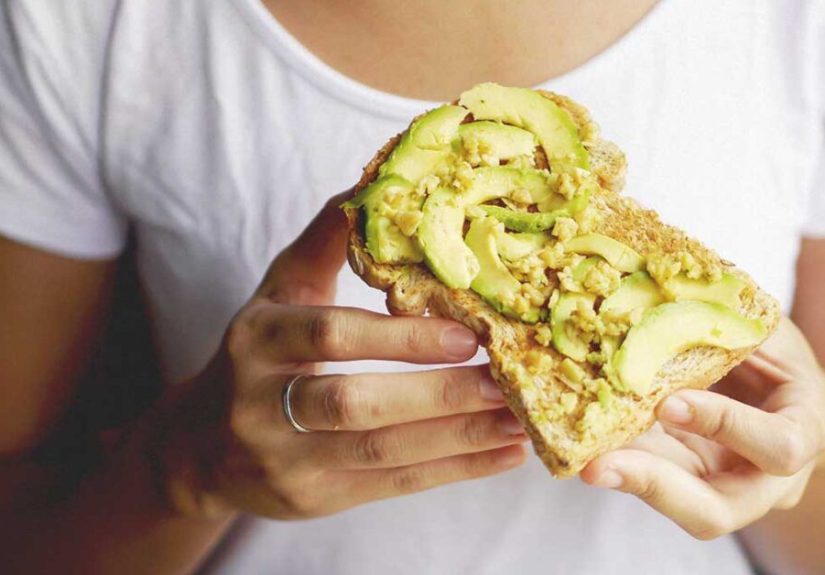
That means avocado toast can be a smart choice, but only if it is not buried under a small mountain of bacon and cheese. Slice avocado into salads, mash it onto whole-grain toast, or add it to grain bowls for creaminess without the saturated fat overload.
7. Olive oil and other liquid vegetable oils
Olive oil gets most of the spotlight, but canola, sunflower, safflower, and other liquid vegetable oils can help too. The main benefit is not that these oils are magical. It is that they replace fats that tend to raise LDL cholesterol, especially butter, lard, and shortening.
In real life, this is one of the easiest upgrades you can make. Roast vegetables with olive oil instead of butter. Use a vinaigrette instead of a creamy dressing. Sauté garlic and onions in olive oil and suddenly healthy cooking smells like you know what you are doing.
8. Fatty fish
Salmon, sardines, trout, herring, and mackerel deserve a place on this list, but with one important clarification: fatty fish are especially helpful for heart health and triglycerides, and they can improve your overall fat quality when they replace high-saturated-fat meats. They are not famous for dramatically lowering LDL all by themselves.
That said, swapping a fried fast-food burger for baked salmon is the kind of decision your future self may want to frame. Aim for simple preparations like baking, grilling, or broiling rather than deep-frying your way out of the benefit.
9. Soy foods
Soy has had a very dramatic public relations journey. At one point, it was treated like a nutritional superhero. The truth is more reasonable and more useful: soy foods can help lower LDL cholesterol modestly, especially when they replace higher-saturated-fat protein sources.
Tofu, edamame, tempeh, and unsweetened soy milk are all practical options. The beauty of soy is that it works best when you stop asking it to perform miracles and let it be what it is: a solid plant protein with real heart-health value.
10. Garlic
Now we arrive at the celebrity ingredient. Garlic does have evidence suggesting a small cholesterol-lowering effect, particularly in some supplement studies, but the effect is modest. So no, one heroic clove floating in buttery shrimp scampi does not cancel out the rest of the plate. Garlic is not a nutritional eraser.
Still, garlic absolutely deserves a place in this article because it helps you build flavorful, satisfying meals without leaning so hard on butter, cream, or processed sauces. Garlic makes vegetables, beans, fish, and whole grains taste better. That alone makes it useful for anyone trying to eat for better cholesterol without becoming deeply resentful at dinner.
11. Onions
Onions are in a similar lane to garlic. Emerging research suggests they may have beneficial effects on blood lipids, but they are not the heavyweights of cholesterol management in the way oats, beans, and nuts are. Still, onions are rich in plant compounds and bring big flavor with very little downside.
Most importantly, onions help healthy meals feel less like a compromise. Sautéed onions add depth to soups, grain bowls, bean dishes, eggs, and roasted vegetables. Raw onions brighten salads and sandwiches. Pickled onions make leftovers feel like a decision instead of an accident.
How to make these foods actually work
Here is the part the internet loves to skip: the best cholesterol-lowering foods work best when they replace less helpful foods. Adding walnuts to a diet already overflowing with pastries, processed meats, and buttery restaurant meals is like bringing one sensible friend to a wildly chaotic road trip. Nice effort. Limited impact.
For the biggest benefit, build meals around these habits:
- Choose soluble-fiber foods often, especially oats, beans, fruit, and barley.
- Replace saturated fats with unsaturated fats such as olive oil, nuts, seeds, and avocado.
- Use fish, soy, beans, and lentils more often in place of fatty or processed meats.
- Lean on garlic and onions to make lower-saturated-fat meals taste rich and satisfying.
- Keep an eye on the overall pattern, not just one “healthy” ingredient.
Common mistakes people make
Thinking one superfood can fix everything
Cholesterol responds better to a pattern than a single ingredient. Oatmeal helps, yes. So do nuts. So does olive oil. But the real power comes from repeating these choices over time.
Forgetting what the healthy food is replacing
Avocado helps most when it replaces bacon or mayo-heavy spreads. Olive oil helps when it replaces butter. Soy helps when it replaces fattier meats. Context is everything.
Ignoring the rest of the health picture
Food matters, but so do exercise, sleep, smoking status, weight management, blood sugar, family history, and medications when needed. If your cholesterol is very high, or if you have a condition like diabetes or familial hypercholesterolemia, food is important but may not be the whole plan.
The bottom line
If you want to lower cholesterol with food, focus less on miracle claims and more on repeatable habits. Oats, beans, whole grains, fruit, nuts, avocado, olive oil, fish, soy, garlic, and onions all have a place in a heart-smart kitchen. Some work directly through soluble fiber. Some improve fat quality. Some mainly make healthy meals taste good enough that you will cook them again next week.
And that is the secret nobody tries to turn into a meme: the best cholesterol-lowering diet is the one you can actually live with. A bowl of oatmeal is nice. A realistic eating pattern is better. A realistic eating pattern that includes roasted salmon, lentil soup, avocado toast, garlicky vegetables, and caramelized onions? Now we are talking.
Real-life experiences with cholesterol-lowering foods
In real life, most people do not wake up one morning and transform into the kind of person who meal-preps barley salads while humming happily in linen pants. What usually happens is much messier and much more relatable. Someone gets a cholesterol result they do not love, remembers that heart disease runs in the family, or realizes that takeout has quietly become a food group. Then the experimenting begins.
Breakfast is often the first battlefield. People who switch from buttery pastries or sausage sandwiches to oatmeal usually notice two things quickly: first, oatmeal is more filling than expected when it includes fruit and nuts; second, it is much less exciting if it tastes like damp cardboard. The trick is not suffering through sad oatmeal. It is learning how to make it good, with cinnamon, berries, sliced apples, chia seeds, or a spoonful of peanut butter. Once that happens, breakfast stops feeling like a punishment and starts feeling automatic.
Lunch is where beans and leftovers become heroes. A lot of people discover that adding lentils or chickpeas to soups, salads, and grain bowls makes healthy lunches more satisfying. Instead of white bread and deli meat every day, they start rotating in bean chili, hummus wraps, or leftovers from a salmon and vegetable dinner. This usually comes with a small but meaningful realization: healthy food is easier when it is already in the fridge and ready to eat. Revolutionary? No. Effective? Extremely.
Dinner is where garlic and onion shine. People trying to lower cholesterol often worry that they will have to choose between bland food and good lab numbers. Then they learn what happens when onions are slowly cooked until sweet and golden, or when garlic hits warm olive oil and makes the entire kitchen smell like competence. Suddenly roasted vegetables taste richer, bean soups taste deeper, and tofu or fish feels less like a backup plan and more like dinner. Flavor is not a luxury in a heart-healthy diet. It is survival.
There is also a learning curve with fats. Many people are surprised to realize how often butter, creamy sauces, cheese-heavy meals, and processed snacks show up in a regular week. Swapping some of those choices for olive oil, avocado, nuts, and fish can feel small at first, but over time the pattern changes how meals are built. Salads become actual meals instead of decorative sadness. Snacks become more balanced. Restaurant orders get a little smarter. Nobody becomes perfect, but the average week improves.
And then there is the mental side. Cholesterol-friendly eating tends to work best when people stop chasing dramatic overhauls and start building repeatable routines. Oatmeal a few times a week. Beans in two or three meals. Fish instead of processed meat. Fruit on purpose instead of by accident. Garlic and onion used generously so healthy food still feels joyful. Those changes may sound ordinary, but ordinary is often what moves lab numbers in the right direction over time. Not flashy. Not magical. Just steady, practical, and surprisingly doable.