Table of Contents >> Show >> Hide
- What Makes a Text Message Mean or Toxic?
- 11 Ways to Respond to a Mean or Toxic Text Message
- 1. Do not answer right away
- 2. Figure out what kind of message you are dealing with
- 3. Decide what outcome you actually want
- 4. Keep your reply short, calm, and boring
- 5. Use one clear boundary sentence
- 6. Do not over-explain or over-defend yourself
- 7. Move serious conversations off text when possible
- 8. Name the behavior without getting mean back
- 9. Save screenshots if the pattern continues
- 10. Block, mute, or report when respect is no longer on the table
- 11. Know when the right response is no response at all
- Sample Responses You Can Actually Use
- When a Toxic Text Message Is More Than Just Rude
- The Bigger Truth About Mean Texts
- Experiences People Commonly Have After Getting a Mean or Toxic Text Message
- Conclusion
- SEO Tags
Note: Body-only HTML in standard American English, ready for web publishing.
Getting a mean text can ruin your mood in under three seconds. One minute you are minding your business, maybe reheating pizza, maybe pretending you are not checking your phone every five minutes, and the next minute your screen lights up with a message that feels like a tiny grenade. A rude text is annoying. A toxic text message is different. It is often designed to control, shame, provoke, guilt-trip, or drag you into a fight you never signed up for.
The good news is this: you do not have to match chaos with chaos. In fact, the smartest response to a toxic text is usually calm, clear, and much shorter than your first draft. This guide breaks down how to respond to a mean or toxic text message without giving away your peace, your power, or your whole afternoon.
What Makes a Text Message Mean or Toxic?
Not every blunt message is toxic. Some people are stressed, distracted, or just terrible at punctuation. But a toxic text message usually follows a pattern. It may include insults, mockery, manipulation, repeated blame, pressure for an instant reply, guilt trips, threats, humiliation, or attempts to control what you do, who you talk to, or how you feel. If the message makes you feel small, panicked, cornered, or weirdly responsible for someone else’s bad behavior, that is a clue that something more serious is going on.
Before you respond, it helps to ask one question: Is this a rough moment, or is this a pattern? That one question can save you from writing a five-paragraph masterpiece to someone who only came to throw sparks.
Signs the message has crossed the line
- It includes name-calling, belittling, or sarcasm meant to hurt.
- It tries to force an immediate response.
- It twists your words or rewrites what happened.
- It punishes you for setting a boundary.
- It repeats over time, especially after you asked for respect.
11 Ways to Respond to a Mean or Toxic Text Message
1. Do not answer right away
Your nervous system wants to win a debate. Your future self wants peace and maybe decent sleep. Those two people are not always on the same team.
When a text is nasty, pause before replying. Put the phone down. Walk around. Get water. Stare at a wall like a thoughtful Victorian poet. Anything is better than firing back while angry. A delayed response gives you time to separate the message from the emotion it triggered.
Example response later: “I’m not responding while this is heated. I’ll reply when I’m calm.”
2. Figure out what kind of message you are dealing with
Not all bad texts require the same response. A snippy comment from a sibling is not the same as repeated harassment from an ex, a controlling partner, or a so-called friend who specializes in emotional drive-bys.
Try to label the message accurately. Is it rude? Passive-aggressive? Manipulative? Controlling? Abusive? Once you name the behavior, it becomes easier to choose a response that fits the situation instead of reacting blindly.
Example thought process: “This is not a misunderstanding. This is guilt-tripping.”
3. Decide what outcome you actually want
Do you want to calm things down? Defend yourself once and be done? End the conversation? Document harassment? Walk away from the relationship entirely? Your response should match your goal, not your adrenaline level.
This is where many people get stuck. They answer a toxic message as if they are trying to be understood. But some people are not texting to understand you. They are texting to upset you. If your goal is peace, your response should not be a courtroom closing argument.
Helpful question: “Will this reply improve the situation, or just extend it?”
4. Keep your reply short, calm, and boring
A toxic texter often wants fuel. Long emotional replies provide premium gasoline. A short response gives them much less to work with.
This does not mean being weak. It means being strategic. Keep your language neutral, direct, and uncluttered. No essays. No ten screenshots from last month. No dramatic mic drop. The goal is clarity, not a standing ovation.
Examples:
- “I’m not discussing this like this.”
- “That was disrespectful.”
- “We can talk when the tone is better.”
5. Use one clear boundary sentence
If the message is toxic, boundaries matter more than explanations. A boundary tells the other person what you will and will not accept, and what you will do next if they continue.
The magic formula is simple: name the behavior + state the limit + follow through. You do not need to write a dissertation on why respect is good, actually.
Examples:
- “I won’t continue this conversation if you keep insulting me.”
- “Do not text me like that again.”
- “If this continues, I’m muting this conversation.”
6. Do not over-explain or over-defend yourself
When someone sends a mean text, it is tempting to clear up every accusation one by one. Unfortunately, that often turns into emotional quicksand. The more you explain, the more material a toxic person may use to keep the conflict going.
You are allowed to be brief. You are allowed to say less. You are allowed to decline the role of unpaid defense attorney in the case of Why I Did Not Answer Fast Enough.
Better: “That’s not accurate.”
Not better: a twelve-part timeline with timestamps, charts, and emotional footnotes.
7. Move serious conversations off text when possible
Texting is great for “I’m outside” and “Do we need milk?” It is not always great for emotionally loaded conflict. Tone gets lost. Meaning gets warped. People read messages in the worst voice possible, usually the one in their head wearing boots and carrying a grudge.
If the relationship matters and the other person is capable of respectful communication, move the discussion to a phone call or face-to-face conversation. That is often a better place for nuance, repair, and real listening.
Example response: “This is not a good conversation to have over text. We can talk by phone later if you want to be respectful.”
8. Name the behavior without getting mean back
You do not have to pretend the message was fine. Calmly naming the behavior can be powerful. It shows awareness, self-respect, and control. The trick is to describe what happened without turning it into a counterattack.
This keeps you grounded in facts instead of getting pulled into a mud fight where everybody loses and the mud somehow ends up in your evening.
Examples:
- “That message was disrespectful.”
- “You’re blaming me instead of addressing the issue.”
- “This feels manipulative, and I’m stepping back.”
9. Save screenshots if the pattern continues
If a person repeatedly sends cruel, threatening, humiliating, or harassing messages, keep evidence. Screenshot the texts. Save dates and times. This is not “being dramatic.” It is being smart.
Documentation can help you spot patterns more clearly, and it can matter if you need support from a parent, school counselor, supervisor, platform, or authorities. It is especially important if the messages escalate or make you feel unsafe.
What to save: repeated insults, pressure, threats, blackmail, harassment, and any messages that cross from rude into unsafe.
10. Block, mute, or report when respect is no longer on the table
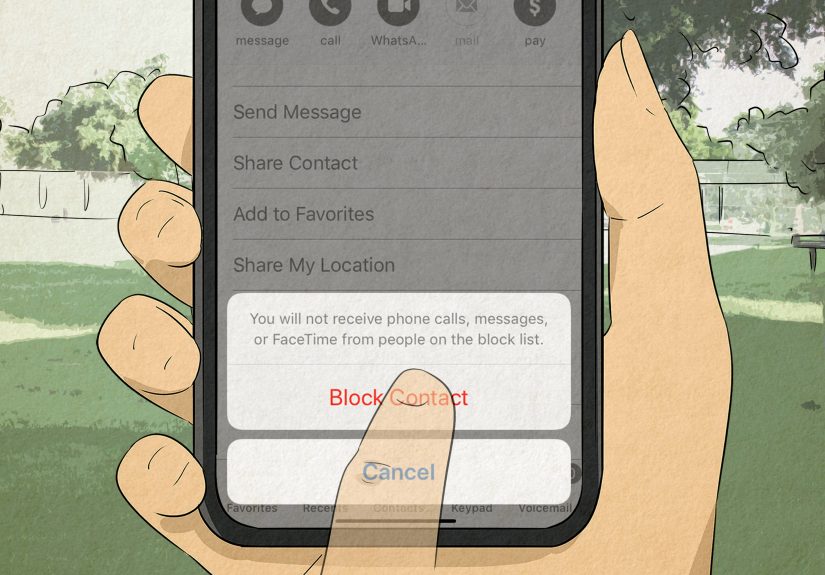
You are not required to stay available for mistreatment. If someone keeps sending toxic text messages after you set a clear limit, use the tools available to you. Mute. Block. Filter. Report. Protect your peace like it pays rent.
Blocking is not childish. Sometimes it is the healthiest, most adult move in the room. If a person only behaves badly when they have access to you, reducing that access is a reasonable response.
Example response before blocking: “I asked for respectful communication. Since that is not happening, I’m ending this conversation.”
11. Know when the right response is no response at all
Sometimes the healthiest reply is silence plus distance. This is especially true when the relationship runs on provocation, blame, and emotional whiplash. Not every message deserves your energy. Not every relationship deserves another round.
If the same person keeps texting in ways that are cruel, controlling, or emotionally exhausting, the real issue may not be the latest message. It may be the pattern itself. At that point, the question shifts from “How do I word this?” to “Why am I still available for this?”
That question is not dramatic. It is growth in sneakers.
Sample Responses You Can Actually Use
Sometimes it helps to have a few ready-made lines. Here are practical responses for different situations:
- For a rude message: “I’m happy to talk when the tone is respectful.”
- For blame-shifting: “I’m not accepting insults as part of this conversation.”
- For pressure to reply instantly: “I respond when I’m available, not on demand.”
- For manipulation: “I’m stepping back from this conversation.”
- For repeated meanness: “I’ve asked for respect. I’m ending this exchange now.”
When a Toxic Text Message Is More Than Just Rude
Some messages are not just annoying. They are warning signs. If texts are part of a larger pattern of control, fear, stalking, humiliation, or intimidation, take that seriously. If the messages make you feel unsafe, reach out to a trusted adult, friend, counselor, school support person, workplace HR contact, or local authorities depending on the situation.
You do not need to prove that it is “bad enough” before protecting yourself. If your body is telling you that something is wrong, listen. Peace is a valid reason. Safety is an even better one.
The Bigger Truth About Mean Texts
A lot of people think the perfect comeback is the goal. It is not. The goal is to protect your dignity, your clarity, and your emotional energy. The best response to a toxic text message is not the most clever one. It is the one that keeps you from getting dragged into a cycle you never needed in the first place.
Calm is powerful. Boundaries are powerful. Silence is powerful. And yes, occasionally the most healing thing you can text is absolutely nothing.
Experiences People Commonly Have After Getting a Mean or Toxic Text Message
One reason toxic texting feels so intense is that it arrives in private and lands fast. There is no facial expression, no context, no warm tone smoothing the edges. Just words on a screen, often read alone, often reread too many times. Many people describe the same first reaction: a spike of panic, then anger, then the overwhelming urge to answer immediately and fix everything before the situation gets worse.
That is why so many people end up sending replies they regret. They are not weak. They are activated. A message like “Wow, so you’re ignoring me now?” can sound small, but in the right context it carries accusation, pressure, and an expectation that you drop everything to soothe the sender. Over time, repeated messages like that can train a person to stay on edge, checking their phone constantly and feeling guilty for not responding fast enough.
Another common experience is confusion. Toxic texts are often mixed with normal ones. A person may send something cruel at night, then act casual the next morning with “hey” and a meme like nothing happened. That inconsistency makes people second-guess themselves. They wonder whether they are overreacting. They tell themselves maybe the sender was tired, stressed, joking, or “just bad at texting.” Sometimes that is true. Often, though, the pattern tells the real story.
Many people also talk about how exhausting it is to draft the “perfect” response. They rewrite the message ten times. They ask friends what to say. They try to sound strong but not rude, clear but not cold, honest but not dramatic. It can become a full-time job with no benefits and terrible management. The deeper lesson people usually learn is that the perfect wording cannot fix someone who is committed to being unkind. A better boundary often works better than a better paragraph.
There is also a strange kind of grief that comes with toxic texting, especially when it comes from someone you care about. It is painful to realize that the issue is not one mean message but a pattern of disrespect. People often remember the exact moment they stopped trying to win the conversation and started protecting their peace instead. For some, that meant muting the thread. For others, it meant blocking the number, saving screenshots, or asking for help. Most describe that shift as both sad and freeing.
And then there is the recovery side of the experience. Once people stop reacting immediately, they often notice how much calmer life feels. Their phone stops feeling like a trap door. They sleep better. They think more clearly. They realize they are allowed to have boundaries without writing a speech about them. They learn that a delayed response is not disrespectful, that “no” is a complete sentence, and that some conversations are not meant to be solved over text at all.
In the end, the experience of receiving a toxic text message teaches something surprisingly valuable. It reveals who respects your boundaries, who punishes them, and who only seems comfortable when you are easy to control. That knowledge may not feel glamorous in the moment, but it is useful. Sometimes a bad text message is not just a bad moment. Sometimes it is information. And once you see the pattern clearly, your response gets simpler, stronger, and a lot more peaceful.
Conclusion
If you are wondering how to respond to a mean or toxic text message, remember this: pause first, stay calm, set a boundary, and refuse to get pulled into a digital tornado. You do not need the sharpest comeback. You need the clearest next step. Whether that is one firm sentence, a move to a real conversation, or a block button used with confidence, your response should protect your peace more than your pride.