Table of Contents >> Show >> Hide
- What “low light” really means (and why your plant isn’t “dying,” it’s just sulking)
- Low light success rules (the ones your plants wish you’d tattoo on your watering can)
- 12 Best Low Light Plants (Indoor + Shady Outdoor-Friendly Options)
- 1) Snake Plant (Dracaena trifasciata)
- 2) ZZ Plant (Zamioculcas zamiifolia)
- 3) Cast Iron Plant (Aspidistra elatior)
- 4) Chinese Evergreen (Aglaonema)
- 5) Pothos (Epipremnum aureum)
- 6) Heartleaf Philodendron (Philodendron hederaceum)
- 7) Peace Lily (Spathiphyllum)
- 8) Spider Plant (Chlorophytum comosum)
- 9) Parlor Palm (Chamaedorea elegans)
- 10) Bird’s Nest Fern (Asplenium nidus)
- 11) Corn Plant (Dracaena fragrans)
- 12) Baby Rubber Plant (Peperomia obtusifolia)
- Indoor vs. outdoor low light: the sneaky difference
- Common low-light mistakes (and quick fixes)
- Experience Notes: What People Learn After Living With Low-Light Plants (About )
- Conclusion
If your home gets “mood lighting” instead of sunshine, you’re not doomed to a life of sad, leafless décor. Low light plants exist, and they’re basically the chill roommates of the plant world: they don’t demand the window seat, they don’t panic when clouds show up, and they won’t guilt-trip you for having curtains.
This guide covers the 12 best low light plants for indoors (and shady outdoor spots like covered porches or north-facing patios). You’ll also get practical care tipsbecause in low light, the biggest threat isn’t darkness… it’s overwatering (aka plant kindness turned into plant chaos).
What “low light” really means (and why your plant isn’t “dying,” it’s just sulking)
“Low light” doesn’t mean “no light.” It usually means the plant gets no direct sun and the brightness is modestthink north-facing windows, rooms with filtered light, or a spot several feet away from a window. In many homes, “low light” is basically: you can read a book comfortably, but you wouldn’t tan there.
One more truth bomb: low light slows growth. That’s normal. A plant that grows slowly isn’t failingit’s conserving energy like a phone on battery saver mode. Your job is to match expectations: fewer new leaves, longer time between waterings, and less dramatic “look at me!” growth spurts.
Low light success rules (the ones your plants wish you’d tattoo on your watering can)
- Water less than you think. Low light = slower drying soil = higher root rot risk.
- Use pots with drainage holes. “Decorative cachepots” are fine, but let the inner pot drain.
- Rotate monthly. Plants lean like they’re trying to eavesdrop on the window.
- Dust the leaves. Dust is basically sunscreen for plants. Wipe gently with a damp cloth.
- Accept “survive” vs “thrive.” Some plants tolerate low light but look best in bright indirect light.
- Outdoor shade isn’t indoor shade. A covered porch can be brighter than your living room. Lucky you.
12 Best Low Light Plants (Indoor + Shady Outdoor-Friendly Options)
1) Snake Plant (Dracaena trifasciata)
Why it’s a low light legend: Snake plant is tough, upright, and forgivinglike the friend who’s always calm during a group project. It tolerates low light, but don’t confuse “tolerates” with “throws a party.” In brighter indirect light, it grows faster and looks sharper.
- Light: Low to bright indirect. Avoid harsh, direct sun for long periods.
- Water: Let soil dry well between waterings; overwatering is the #1 villain.
- Best for: Bedrooms, offices, entryways, “I forget plants exist” households.
- Outdoor note: In warm climates, it can live outdoors in shade/part shade.
2) ZZ Plant (Zamioculcas zamiifolia)
Why it wins: ZZ plants store water in thick rhizomes, so they don’t freak out if you miss a watering. They handle low light well and keep that glossy “I moisturize” leaf look with minimal effort.
- Light: Low light is fine; bright indirect helps it grow faster.
- Water: Let soil dry completely; then water thoroughly and drain.
- Best for: Low-light corners, offices with fluorescent lighting, busy schedules.
- Outdoor note: Can handle outdoor shade in warm regions; protect from cold.
3) Cast Iron Plant (Aspidistra elatior)
Why it’s basically immortal: If plants had job titles, this one would be “Head of Endurance.” It tolerates low light and is famously unfussy. It’s also one of the best options for true shade, indoors or outdoors.
- Light: Low to moderate; keep it out of direct sun.
- Water: Water when the top few inches are dry; don’t leave it sitting in water.
- Best for: North-facing rooms, shaded patios, “I want green without drama.”
- Outdoor note: Great in shade gardens (climate-dependent).
4) Chinese Evergreen (Aglaonema)
Why it’s a smart pick: Aglaonema is tolerant of low light and brings patterned leaves that look fancy without acting fancy. One detail that matters: solid green types handle lower light better than heavily variegated varieties.
- Light: Low to moderate; avoid direct sun on leaves.
- Water: Let it dry slightly between waterings; too wet = yellowing and root issues.
- Best for: Living rooms, offices, apartments with limited windows.
- Outdoor note: In warm climates, it can handle sheltered shade outdoors.
5) Pothos (Epipremnum aureum)
Why it’s a beginner favorite: Pothos is the “easy A” of houseplants. It grows in low light, though it gets fuller and more vibrant with brighter indirect light. If the vines get leggy, trim and propagatefree plants are the best plants.
- Light: Low to bright indirect (variegated types want more light).
- Water: Water when the surface dries; don’t keep soil constantly wet.
- Best for: Shelves, hanging baskets, high places where vines can spill.
- Outdoor note: In warm seasons, it can enjoy shaded outdoor time.
6) Heartleaf Philodendron (Philodendron hederaceum)
Why it belongs on this list: Heartleaf philodendron is a low-light-tolerant vining classic with glossy, heart-shaped leaves. It’s a close cousin to pothos in vibes: easy, forgiving, and happy to trail.
- Light: Medium is ideal, but it tolerates low light.
- Water: Keep soil lightly moist; ease up in winter.
- Best for: Bookcases, hanging planters, desks that need a soft green touch.
- Outdoor note: Can do well outside in shade during warm months.
7) Peace Lily (Spathiphyllum)
Why it’s popular (and occasionally dramatic): Peace lilies handle lower light better than many flowering houseplants. They also communicate. If it droops, it’s basically texting you “water pls.” Good news: it usually perks back up after a drink.
- Light: Lower light is okay; bright filtered light encourages more blooms.
- Water: Even moisture is the goaldon’t let it stay soggy, don’t let it bone-dry for long.
- Best for: Bedrooms, offices, anyone who wants occasional white flowers.
- Outdoor note: In warm climates, it can live outdoors in deep shade with humidity.
8) Spider Plant (Chlorophytum comosum)
Why it’s a low light MVP: Spider plants tolerate deep shade indoors and make adorable “baby” plantlets that dangle like botanical confetti. If leaf tips brown, it’s often from inconsistent watering, low humidity, or sensitive reactions to certain tap water additives.
- Light: Medium is best, but it tolerates deep shade; avoid direct sun.
- Water: Keep moderately moist during growth; reduce in winter.
- Best for: Hanging baskets, kitchens, anywhere you want an easy trailing look.
- Outdoor note: Can be grown outdoors in shade as a warm-season annual in many areas.
9) Parlor Palm (Chamaedorea elegans)
Why it’s great for darker rooms: Parlor palms tolerate low-light conditions and bring that soft, “tiny indoor jungle” vibe without needing a sunroom. It grows slowly, so it’s ideal if you don’t want a plant that doubles in size while you blink.
- Light: Bright indirect is ideal; low light is tolerated.
- Water: Let the top layer dry slightly; avoid constant wetness.
- Best for: Corners that need life, apartments, offices, calm aesthetics.
- Outdoor note: Shade outdoors works in warm weather; protect from cold.
10) Bird’s Nest Fern (Asplenium nidus)
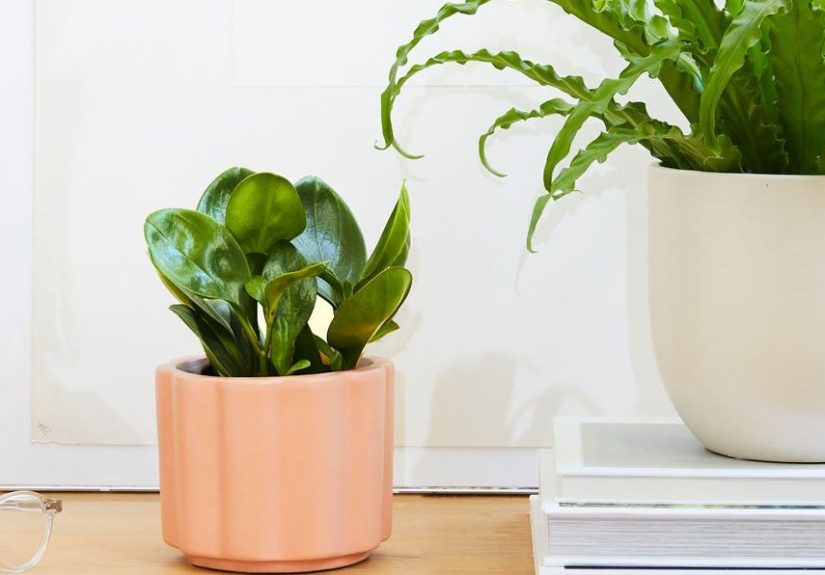
Why it’s a low light “texture” plant: Bird’s nest fern brings glossy, rippled fronds that look like living sculpture. It prefers decent humidity, so it’s often happiest in bathrooms with a window or near a humidifier.
- Light: Good indirect light; it can handle lower light if humidity is supportive.
- Water: Keep evenly moist, not soggy; water soil, not the center “nest.”
- Best for: Bathrooms, kitchens, anyone who wants a fern without lacey fronds.
- Outdoor note: In frost-free areas, it can grow outdoors in shade.
11) Corn Plant (Dracaena fragrans)
Why it’s a classic: Corn plant is a tall, structural houseplant that tolerates some low light and helps fill vertical space. If light is too low, you may see narrower leaves or slower growthstill alive, just not auditioning for a makeover show.
- Light: Bright indirect is best; tolerates low light; avoid strong direct sun.
- Water: Keep soil lightly moist in growing season; cut back in winter.
- Best for: Floor planters, living rooms, offices that need height and calm greenery.
- Outdoor note: Warm climates + shade = possible outdoor life.
12) Baby Rubber Plant (Peperomia obtusifolia)
Why it’s underrated: Peperomia obtusifolia stays compact, looks polished, and can tolerate low light for stretches (especially solid-green varieties). It’s also a great “desk plant” because it doesn’t demand constant attention.
- Light: Bright indirect is ideal, but it tolerates low light for months (variegated types want more light).
- Water: Let it dry somewhat between waterings; it dislikes soggy soil.
- Best for: Desks, shelves, small apartments, “I want cute but not needy.”
- Outdoor note: In warm climates, it can do well in protected shade outdoors.
Indoor vs. outdoor low light: the sneaky difference
A shady outdoor porch can be much brighter than a dim indoor corner because outdoor light is still strongjust filtered. That’s why some “low light indoor plants” perk up outside in shade during warm months. If you move a plant outdoors, do it gradually for a week or two to avoid stress. Plants hate surprise changes almost as much as people hate surprise group presentations.
Common low-light mistakes (and quick fixes)
Mistake: Watering on a schedule
Fix: Water based on soil dryness, not the calendar. In low light, the same pot can take much longer to dry.
Mistake: Calling it “low light” when it’s actually “no light”
Fix: If you can’t comfortably read there during the day without flipping on lights, consider moving the plant closer to a window, using a small grow light, or choosing the toughest options (ZZ, snake plant, cast iron plant).
Mistake: Expecting variegated plants to stay variegated
Fix: Low light can reduce variegation over time. If you want bold patterns, give the plant brighter indirect light (still no scorching sun).
Experience Notes: What People Learn After Living With Low-Light Plants (About )
Low-light plant life teaches a very specific kind of patiencethe kind normally reserved for sourdough starters and waiting for your phone to charge at 2%.
1) You become a light detective. In the beginning, most people guess: “This corner feels bright enough.” Then the plant responds with a slow-motion shrug. Over time, you learn to notice the small things: how the sun shifts across seasons, which rooms stay consistently bright, and how a plant two feet closer to a window can look 30% happier. A lot of plant keepers end up doing the “hand shadow test” (if your hand casts a crisp shadow, it’s brighter; if it’s fuzzy or barely there, it’s lower light). It’s not scientific, but it’s weirdly effective for everyday decisions.
2) The real enemy is overwatering, not low light. People new to low-light plants often water them like they’re in full sunbecause that’s what “caring” looks like, right? But in low light, soil dries slowly. That extra “just in case” watering can turn into root rot before you even realize anything’s wrong. Many experienced plant owners adopt a new motto: When in doubt, wait it out. If you’re unsure, give it another day or two, then check again.
3) Growth becomes a slow-burn reward. Low-light plants don’t always give instant gratification. The first new leaf on a snake plant or ZZ plant can feel like winning a small lottery. You start celebrating tiny progress: a fresh unfurling fern frond, a pothos vine extending another inch, or a peace lily finally blooming after months of leafy “quiet time.” It’s less “plant fireworks” and more “plant jazz.”
4) You learn to love maintenance micro-habits. People who succeed with low-light plants tend to do a few small things consistently: wiping dust off leaves, rotating pots, and checking drainage. These habits matter more in low light because plants have less energy to “push through” problems. A dusty leaf in low light is like trying to read with sunglasses onit still works, but why make it harder?
5) You stop chasing perfection and start chasing “works for my space.” The best low-light plant isn’t the trendiest one. It’s the one that fits your room, your routine, and your tolerance for plant drama. Some people love the peace lily’s honest droop-and-recover communication. Others prefer the ZZ plant’s silent competence. Once you accept your style, your plant collection starts making senseand staying alive.
Conclusion
Low light doesn’t have to mean “no plants.” With the right pickslike snake plant, ZZ plant, cast iron plant, pothos, philodendron, and a few leafy companionsyou can build a green space that looks intentional, not “I tried once and it ended badly.” Remember the big three: less water, steady conditions, and realistic growth expectations. Your plants don’t need you to be perfect. They just need you to stop drowning them with love.