Table of Contents >> Show >> Hide
- How to Choose the Right Backyard Fruit Trees (Without Regret)
- 12 Best Types of Fruit Trees To Grow in Your Backyard
- 1) Apple Trees (Malus domestica)
- 2) European Pear Trees (Pyrus communis)
- 3) Asian Pear Trees (Pyrus pyrifolia)
- 4) Peach Trees (Prunus persica)
- 5) Plum Trees (Prunus spp.)
- 6) Tart Cherry Trees (Prunus cerasus)
- 7) Fig Trees (Ficus carica)
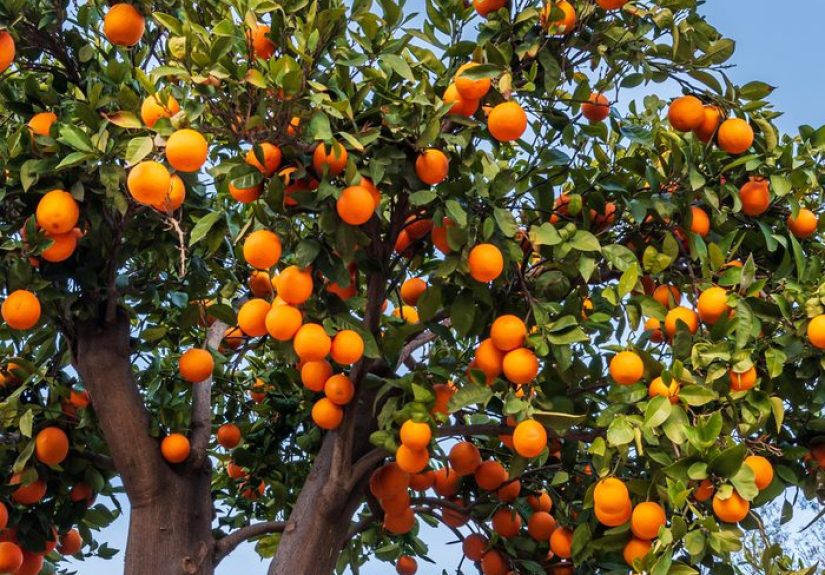
- 8) Dwarf Citrus (Lemon, Lime, Mandarin) in Suitable Climates or Containers
- 9) Persimmon Trees (American or Asian Persimmon)
- 10) Pawpaw Trees (Asimina triloba)
- 11) Mulberry Trees (Morus spp.)
- 12) Apricot Trees (Prunus armeniaca)
- Backyard Orchard Success Plan (Simple, Not Basic)
- of Real Backyard Experience (The Part Nobody Brags About)
- Conclusion
Growing your own fruit is basically a backyard superpower. One day you’re “just watering a tree,” and the next day you’re casually offering guests a peach you grew yourselflike some kind of suburban orchard wizard. The best part? You don’t need a farm, a tractor, or a life dedicated to pruning in dramatic silence at sunrise.
The trick is choosing the best fruit trees to grow in your backyard for your space, climate, and patience level. (Because yes, “low-maintenance” is a beautiful phrase that sometimes means “still needs care, just less complaining.”) This guide breaks down 12 excellent fruit tree types, what they’re best at, and how to set them up for successwithout turning your weekend into a never-ending orchard soap opera.
How to Choose the Right Backyard Fruit Trees (Without Regret)
1) Start with your climate: USDA hardiness zone and chill hours
Your USDA hardiness zone tells you how cold winters get. That matters because fruit trees have limits. But there’s a second number many people forget: chill hoursthe cool-weather hours trees need in winter to wake up and bloom properly in spring.
If you plant a high-chill apple in a low-chill region, the tree may leaf out weirdly, bloom poorly, or act like it’s permanently jet-lagged.
2) Sun is non-negotiable (sorry, shade)
Most fruit trees want full sunthink 6–8+ hours a day. Less sun usually means fewer flowers, fewer fruits, and more “why is this tree judging me?” vibes.
3) Decide how much space you really have
A “standard” fruit tree can get bigsometimes very big. If you want fruit without needing a ladder and an attitude adjustment, consider dwarf or semi-dwarf trees, or training methods like espalier along a fence.
4) Pollination: some trees need a buddy
Many fruit trees are self-fertile, but plenty are not. Some apples, pears, plums, and sweet cherries often need a compatible pollination partner nearby to produce well. Planning this now is easier than trying to explain to your family why your “fruit tree” is mostly providing leaves.
5) Pick the “easier win” varieties
Backyard growers are happiest when they choose varieties with natural disease resistance and a track record in their region. Think “reliable producer,” not “rare heirloom that needs constant intervention and emotional support.”
12 Best Types of Fruit Trees To Grow in Your Backyard
These fruit tree types are popular with home gardeners because they can thrive in many U.S. regionsespecially when you choose varieties suited to your zone, chill hours, and disease pressures.
1) Apple Trees (Malus domestica)
Apples are the classic backyard fruit tree for a reason: tons of variety options, long-lived trees, and fruit that stores well. The biggest keys are choosing disease-resistant varieties and planning pollination if needed.
- Best for: Four-season climates, families who love baking, snackers with standards.
- Watch-outs: Apple scab, fire blight, and rust diseases in many regions.
- Backyard tip: If your area is disease-prone, choose scab-resistant cultivars and keep the canopy pruned for airflow.
2) European Pear Trees (Pyrus communis)
Pears are underrated backyard legends. They can be productive and long-lived, and the fruit is dreamy when ripened correctly (hint: many pears ripen best off the tree).
- Best for: Gardeners who want a sturdy tree and don’t mind learning harvest timing.
- Watch-outs: Fire blight can be a serious issue in some areas.
- Backyard tip: Many pears do better with a pollination partner, so plan for two compatible varieties if your selection requires it.
3) Asian Pear Trees (Pyrus pyrifolia)
Crisp, juicy, and shaped like a fruit that tried to be an apple but chose a better personality. Asian pears are often easier for fresh eating because you harvest them crisp and ready.
- Best for: People who want crunchy fruit and reliable texture.
- Watch-outs: Pollination needs vary; check variety requirements.
- Backyard tip: Thin fruitlets if the tree sets heavilythis improves size and helps prevent branch breakage.
4) Peach Trees (Prunus persica)
A homegrown peach is basically a different food category from supermarket peaches. When peaches are good, they are very good. They’re also a higher-commitment tree in many regions.
- Best for: Warm-summer areas and gardeners willing to prune and monitor pests/disease.
- Watch-outs: Peach leaf curl and other issues; some regions require serious attention.
- Backyard tip: If you want peaches, start with varieties recommended locally and accept that “peach season” begins with winter pruning.
5) Plum Trees (Prunus spp.)
Plums can be extremely rewarding, and you can choose between Japanese and European types depending on climate. Flavor can be fantastic, and trees can be productive once established.
- Best for: Backyard growers who want fresh eating and preserves.
- Watch-outs: Some varieties need cross-pollination; late frosts can reduce bloom set.
- Backyard tip: Check pollination needs before buying. It’s the difference between “plum jam dreams” and “leaf collection hobby.”
6) Tart Cherry Trees (Prunus cerasus)
If you want cherries with fewer pollination headaches than many sweet cherry types, tart cherries are a smart pick. They’re great for pies, sauces, and freezing.
- Best for: Cooler regions and bakers.
- Watch-outs: Birds (they will notice your cherries before you do).
- Backyard tip: Netting can be the difference between your harvest and your local bird community hosting an all-you-can-eat festival.
7) Fig Trees (Ficus carica)
Figs are backyard glamour trees: bold leaves, unique fruit, and (in many cases) simpler pollination. They shine in warmer regions and can also be grown in containers where winters are cold.
- Best for: Warmer zones or container growers who can protect trees in winter.
- Watch-outs: Cold damage in harsh winters.
- Backyard tip: In cold climates, choose a container-friendly variety and overwinter it in a protected spot.
8) Dwarf Citrus (Lemon, Lime, Mandarin) in Suitable Climates or Containers
If you live in a warm region, citrus can be an incredible backyard addition. In colder areas, dwarf citrus in pots can still work if you bring them indoors when temperatures drop.
- Best for: Warm climates or people who don’t mind moving a pot like it’s a seasonal workout plan.
- Watch-outs: Frost sensitivity; indoor light needs in winter.
- Backyard tip: Use a large container, excellent drainage, and a bright winter location to keep trees healthy.
9) Persimmon Trees (American or Asian Persimmon)
Persimmons are one of the most “why doesn’t everyone grow this?” fruit trees. They can be relatively low-fuss once established, and fall fruit is a big win when many other trees are done for the year.
- Best for: Gardeners who want unique fruit and seasonal color.
- Watch-outs: Some types are astringent until fully ripe; pollination needs vary by species/variety.
- Backyard tip: Know whether your variety is astringent or non-astringent so you don’t bite into regret.
10) Pawpaw Trees (Asimina triloba)
Pawpaw is a native North American fruit tree with a tropical-tasting fruit (think banana-mango-custard vibes). They’re a conversation starter and a legit backyard flex.
- Best for: Gardeners in suitable regions who like native plants and unique flavors.
- Watch-outs: Often needs two genetically different trees for pollination; young trees can be sensitive at planting.
- Backyard tip: Buy quality nursery trees and plant carefullypawpaw roots don’t love being disturbed.
11) Mulberry Trees (Morus spp.)
Mulberries can be incredibly productive. When they fruit, they fruit like they’re trying to feed an entire neighborhood. The berries are delicious fresh, in jam, or frozen.
- Best for: People who want lots of fruit with relatively low drama.
- Watch-outs: Messy dropped fruit; birds will also apply for membership in your mulberry fan club.
- Backyard tip: Plant away from patios and driveways unless you enjoy surprise purple “decor.”
12) Apricot Trees (Prunus armeniaca)
Apricots can be amazing, especially in climates where late frosts don’t wipe out blooms. The flavor is bright, rich, and absolutely worth it when conditions cooperate.
- Best for: Regions with reliable spring weather and good sun.
- Watch-outs: Early blooming can be vulnerable to late frost.
- Backyard tip: If your springs are unpredictable, place trees in a warmer microclimate (like a sunny, sheltered spot) to improve odds.
Backyard Orchard Success Plan (Simple, Not Basic)
Planting essentials
- Timing: Plant bare-root trees when dormant (often late winter/early spring). Container trees have more flexibility.
- Soil: Aim for well-drained soil. If water puddles for hours, fix drainage or use a raised planting area.
- Depth: Keep the graft union above soil level (you’ll usually see a bump on the trunk).
- Mulch: Mulch helps conserve moisture and reduces weed competitionjust keep mulch pulled back from the trunk.
Care basics that matter most
- Water: Deep, consistent watering during establishment beats frequent shallow sprinkling.
- Pruning: Annual pruning improves light penetration and airflow, which supports fruit quality and reduces disease pressure.
- Thinning: Apples, peaches, pears, and plums often benefit from thinning for better size and less branch stress.
- Sanitation: Pick up fallen fruit and remove diseased leaves/fruit when appropriate. It’s not glamorous, but it’s effective.
of Real Backyard Experience (The Part Nobody Brags About)
Here’s the honest truth about growing fruit trees: the first year is mostly faith. You water. You stare. You Google. You stare again. And if you’re like most backyard growers, you also narrate minor changes to the tree like it’s a reality show contestant: “Oh wow, new budslove that for you.”
One of the biggest lessons is that patience is a gardening skill, not a personality trait you either have or don’t. Apples and pears can take a few years to really deliver. Peaches may fruit sooner, but they often demand more attentionpruning, disease prevention, and a little bit of luck with spring weather. That’s why many experienced growers recommend starting with one or two “confidence builder” trees (like a disease-resistant apple or a reliable fig in warm climates), then expanding once you understand your yard’s quirks.
Another real-world discovery: microclimates are not a myth. The same yard can have a warm sunny pocket near a south-facing wall and a frosty low spot that collects cold air like it’s saving it for later. Planting an early-blooming apricot in the cold pocket is how people accidentally become experts in disappointment. But planting it in a sheltered areaor choosing a later-blooming optioncan turn it into a yearly win. After one late frost steals your blossoms, you start noticing where snow melts first, where wind hits hardest, and where morning sun actually lands.
You also learn quickly that birds are efficient, organized, and not impressed by your feelings. The first time a cherry tree finally produces and you go out to harvestonly to find a cleanly picked treeyou understand why netting exists. It’s not “extra.” It’s “the difference between pie and emotional damage.”
A practical habit that experienced backyard orchard folks swear by is a simple seasonal routine: winter pruning, spring monitoring for pests/disease, summer watering and thinning, and fall cleanup. It’s not complicated, but it’s consistent. And consistency is what turns a fruit tree from “yard decoration” into a producer.
Finally, there’s the unexpected joy: fruit trees make your backyard feel like a place with a calendar. Spring blossoms, summer growth, fall harvest, winter structure. Even when the harvest isn’t perfect, the process adds a rhythm to the year. And when you finally eat a piece of fruit you grew yourselfwarm from the sunit feels like the backyard is quietly high-fiving you.
Conclusion
The best fruit trees to grow in your backyard are the ones that match your climate, fit your space, and align with how much time you want to invest. Start with strong performerslike apples (with disease-resistant varieties), pears, plums, or figsthen add fun options like pawpaws or persimmons once you’ve got your basics down. Choose the right variety for your region, plan for pollination when needed, and keep care simple and consistent. Your future self (and your future snacks) will thank you.