Table of Contents >> Show >> Hide
- Why Upcycled Seed Starters Actually Work
- 12 Household Items You Can Upcycle Into Garden Seed Starters
- 1. Yogurt Cups
- 2. Sour Cream, Cottage Cheese, and Deli Tubs
- 3. Plastic Fruit Cups and Pudding Cups
- 4. Clear Plastic Clamshell Containers
- 5. Berry Boxes and Produce Trays
- 6. Milk Jugs and Cartons
- 7. Paper Cups
- 8. Toilet Paper Rolls
- 9. Paper Towel Tubes
- 10. Newspaper
- 11. Cardboard Egg Cartons
- 12. Eggshell Halves
- How to Make Any Upcycled Seed Starter More Successful
- Common Mistakes to Avoid
- The Bottom Line
- Real-World Lessons Gardeners Learn From DIY Seed Starters
- SEO Tags
Starting seeds indoors does not require a fancy greenhouse, a boutique gardening catalog, or a suspiciously expensive tray made of “premium horticultural polymer,” which is a very dramatic way of saying plastic. In many cases, the best DIY seed starters are already hanging around your kitchen, recycling bin, or junk drawer waiting for their big gardening debut.
If you want to save money, reduce waste, and give your seedlings a solid head start, upcycled seed starting containers can do the job beautifully. The trick is knowing which household items actually work, which ones need a quick modification, and which ones are best for short-term seed starting instead of long-term seedling living arrangements. Tiny plants may be humble, but they still have standards: clean containers, drainage holes, light seed-starting mix, and enough room for roots to stretch without throwing a botanical tantrum.
Below, you will find 12 common household items you can upcycle into garden seed starters, plus practical tips on how to use them, what to grow in them, and what mistakes to avoid. If your spring goal is to grow vegetables, herbs, or flowers without buying a mountain of plastic trays, this list will help you turn everyday items into hardworking recycled seed starting containers.
Why Upcycled Seed Starters Actually Work
The best seed starting containers are not magical. They simply need to be clean, provide drainage, hold a lightweight seed-starting mix, and give roots enough depth to get established. Many common household items check those boxes surprisingly well. Yogurt cups, cardboard tubes, newspaper pots, egg cartons, and milk jugs can all become practical DIY seed starters with just a few snips, pokes, or folds.
That said, not every seedling should stay in a tiny recycled container for long. Fast-growing crops and plants that dislike root disturbance usually do better in deeper or roomier containers. Think of it this way: a seedling can spend a little time in a studio apartment, but eventually it wants a place with better plumbing and less crowding.
12 Household Items You Can Upcycle Into Garden Seed Starters
1. Yogurt Cups
Yogurt cups are basically the overachievers of upcycled seed starters. They are sturdy, common, easy to clean, and usually deep enough for many vegetable and flower seedlings. Punch a few drainage holes in the bottom, fill with seed-starting mix, and they are ready to go.
These work especially well for tomatoes, peppers, basil, and other seedlings that may spend several weeks indoors before transplanting. Their extra depth gives roots more room than shallow trays or egg cartons.
- Best for: tomatoes, peppers, herbs, flowers
- Tip: label the outside with a permanent marker before watering turns everything into a mystery garden
2. Sour Cream, Cottage Cheese, and Deli Tubs
These tubs are a close cousin to yogurt cups, only usually a little roomier. If you have leftover sour cream containers, ricotta tubs, or clear deli containers, do not toss them too quickly. They make excellent recycled seed starting pots for seedlings that need more root space.
Because they are often wider than yogurt cups, they are handy for sowing a few seeds together and thinning later, or for growing larger seedlings that will be transplanted after the danger of frost passes.
- Best for: squash starts, cucumbers, larger herbs, flowers
- Tip: avoid overwatering; larger tubs can hold moisture longer than you expect
3. Plastic Fruit Cups and Pudding Cups
Small fruit cups and pudding cups are perfect for gardeners who want lots of individual containers without spending much. They are especially handy when starting a mix of herbs or flowers and wanting one plant per cup.
Since these cups are usually small, they are best used for seedlings that will be transplanted fairly quickly. They are cute, efficient, and deeply committed to the idea that dessert containers deserve a second act.
- Best for: lettuce, basil, marigolds, zinnias
- Tip: keep them in a waterproof tray because tiny cups dry out faster
4. Clear Plastic Clamshell Containers
Those hinged salad, bakery, and takeout clamshell containers can double as mini greenhouses. Add drainage holes to the bottom, fill with seed-starting mix, sow your seeds, and close the lid loosely to hold humidity during germination.
They are especially useful for starting many small seeds at once. Once the seeds sprout, open the lid more and more each day so the seedlings get air circulation and do not stay too damp.
- Best for: lettuce, snapdragons, petunias, herbs, flats of small seedlings
- Tip: remove or vent the lid after germination to help prevent mold and weak, leggy growth
5. Berry Boxes and Produce Trays
Berry containers and produce trays are excellent for germination because many already have openings for airflow and drainage. They are not deep enough for long-term seedling growth, but they are great for getting seeds started before moving them into larger pots.
This makes them a smart choice when you are sowing a lot of seeds and plan to prick out seedlings into individual containers later. In other words, they are perfect for gardeners who enjoy organized chaos.
- Best for: germinating lots of seeds at once
- Tip: transplant promptly once true leaves appear and roots begin to crowd
6. Milk Jugs and Cartons
Cut-down milk jugs and cartons are wonderfully versatile. They can be used as deeper pots, communal seed trays, or even mini humidity domes depending on how you cut them. A half milk jug gives roots more vertical space than many smaller containers, which makes it useful for seedlings that outgrow shallow cells too quickly.
Paper cartons can also work, though they soften over time. Plastic jugs last longer and are easier to reuse next season after cleaning.
- Best for: larger seedlings, temporary transplant-up containers, batch sowing
- Tip: always add drainage holes; no plant wants to live in a tiny swamp
7. Paper Cups
Plain paper cups are simple, cheap, and surprisingly effective biodegradable seed starter options. They hold enough mix for many seedlings, are easy to label, and can be snipped down or peeled away at transplant time.
They are a good option for gardeners who want more root room than egg cartons provide but prefer something lighter than plastic tubs. Just remember that paper softens with repeated watering, so place them in a tray and handle them gently.
- Best for: beans, peas, sunflowers, herbs
- Tip: use plain, uncoated cups when possible and avoid overly soggy conditions
8. Toilet Paper Rolls
Toilet paper rolls are one of the most popular DIY seed starter ideas for a reason: they are free, biodegradable, and especially useful for crops that dislike root disturbance. Fill the tube with mix, set it upright in a tray, and sow one seed per tube.
These are great for peas, beans, corn, or flowers that appreciate being moved with minimal fuss. The big catch is that cardboard wicks moisture, so the tubes can dry out quickly. They also soften over time, so timing matters.
- Best for: peas, beans, corn, nasturtiums
- Tip: when transplanting, bury any exposed cardboard edge below the soil surface so it does not wick moisture away
9. Paper Towel Tubes
Paper towel tubes work much like toilet paper rolls, but they offer more depth. Cut them into shorter sections, then use them as biodegradable pots for seedlings with longer early roots or for gardeners who simply want a little more wiggle room.
This is a great option if you are starting crops that resent cramped quarters but still benefit from a container that can go right into the ground. They are not glamorous, but neither is most good gardening equipment.
- Best for: sweet peas, beans, cucumbers, larger flower seedlings
- Tip: keep the tubes supported in a tray so they do not flop over after watering
10. Newspaper
Old newspaper can be folded or wrapped into seed starter pots, which makes it one of the most useful low-cost, low-waste seed starting options around. Use plain, non-glossy newspaper rather than slick inserts or heavily coated advertising pages.
Newspaper pots are especially handy when you want a biodegradable container in a custom size. You can make them small for herbs or larger for vegetables. They break down over time, so they are excellent for short indoor seed-starting windows.
- Best for: herbs, flowers, brassicas, vegetables that will be transplanted soon
- Tip: set newspaper pots on a waterproof tray because the bottoms weaken as they stay moist
11. Cardboard Egg Cartons
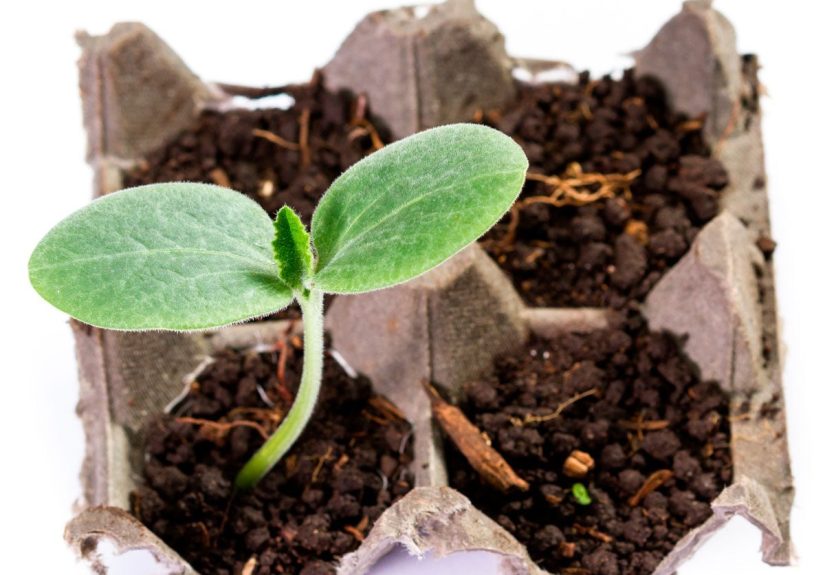
Cardboard egg cartons are the classic starter tray for a reason. They are easy to find, easy to cut apart, and fine for germinating small seeds or starting seedlings for a short period. They are not the roomiest homes on the block, but they get the job done for a quick start.
Use them for shallow-rooted crops or seedlings you plan to pot up quickly. Once roots fill the little cups, it is time to move on. Think of egg cartons as the nursery waiting room, not the final address.
- Best for: lettuce, basil, alyssum, quick-start annuals
- Tip: do not leave seedlings in egg cartons too long or they will outgrow them fast
12. Eggshell Halves
Eggshell seed starters are adorable, compostable, and fun, especially if you are gardening with kids or just enjoy tiny things with main-character energy. They can work for very small seedlings started for a brief period before transplanting.
Still, eggshells are more charming than spacious. They have very limited root room, so use them for very short-term seed starting only. If you transplant the seedling with the shell, crack the shell first so roots can push through more easily.
- Best for: tiny herbs or flowers started briefly indoors
- Tip: add a small drainage hole carefully and transplant early before roots start circling and sulking
How to Make Any Upcycled Seed Starter More Successful
Using recycled seed starting containers is smart, but technique matters just as much as the container itself. Start by washing used containers well. Clean pots help reduce disease problems that can knock out seedlings before they ever meet the garden. Next, make sure every container has drainage holes unless it is being used only as an outer tray.
Use a lightweight seed-starting mix instead of garden soil. Garden soil is usually too dense, drains poorly indoors, and may contain weed seeds or disease organisms. Sow seeds according to packet depth, keep the mix evenly moist rather than soaked, and provide strong light as soon as seedlings emerge. If you start seeds in tiny containers such as egg cartons, shells, or small cups, be ready to transplant them into bigger pots once true leaves appear.
Finally, label everything. Every gardener believes they will absolutely remember which cup contains basil and which one contains peppers. Every gardener is also wrong at least once.
Common Mistakes to Avoid
- Skipping drainage holes: This is the fastest route to soggy mix and unhappy roots.
- Using dirty containers: Reused containers should be cleaned before planting.
- Keeping seedlings in tiny starters too long: Small upcycled containers are often best for short stays.
- Using heavy soil: Seed-starting mix is lighter and better suited to germination.
- Forgetting light: A sunny windowsill may not be enough by itself for strong, compact seedlings.
The Bottom Line
If you want a more affordable, sustainable way to start seeds indoors, upcycling household items into garden seed starters is a practical move. Yogurt cups, deli tubs, milk jugs, cardboard tubes, newspaper pots, and egg cartons can all become useful DIY seed starters when they are cleaned, modified for drainage, and paired with the right seed-starting mix.
The best container depends on the crop and the length of time it will stay indoors. Tiny containers are great for quick germination. Deeper cups and tubs are better for larger seedlings. Biodegradable options help reduce transplant shock for sensitive plants. In other words, there is no one perfect seed starter, only the one that fits your seedling, your schedule, and whatever is currently taking up space in your recycling bin.
So before you buy another stack of plastic trays, look around the house. Your next batch of healthy garden seedlings may be hiding between yesterday’s yogurt cup and tomorrow’s omelet.
Real-World Lessons Gardeners Learn From DIY Seed Starters
One of the funniest things about using household items as seed starters is how quickly you develop opinions. Strong opinions. The kind that make you say things like, “I trust yogurt cups with my tomatoes, but egg cartons and I are currently taking a break.” What starts as a simple money-saving project often turns into a mini master class on moisture, drainage, root space, and patience.
Gardeners who try several upcycled seed starters usually discover that convenience and performance do not always match. Egg cartons look neat and tidy at first, but they dry out quickly and run out of room fast. Newspaper pots feel wonderfully eco-friendly until you realize they become delicate after a week of watering and need a tray underneath unless you want your windowsill to resemble a damp craft project. Toilet paper rolls are fantastic for a few crops, especially those that dislike having roots disturbed, but they can also wick moisture like tiny cardboard straws if any part sticks above the soil after transplanting.
Then there are the surprise winners. Yogurt cups and deli tubs often become household favorites because they are sturdy, reusable, and forgiving. They give beginners a little more margin for error, which is valuable because seed starting indoors has enough variables already. A deeper container can buy you time if the weather stays cold longer than expected or if your seedlings grow faster than planned. That extra room matters more than many new gardeners realize.
Another common experience is learning that “free” containers are only part of the equation. A recycled pot still needs the basics: a light seed-starting mix, reliable moisture, labels, airflow, and enough light to keep seedlings from stretching into pale, floppy noodles. Many gardeners first blame the container when seedlings fail, only to discover the real culprit was weak light, soggy soil, or a missed watering during a warm afternoon. The container matters, but the growing conditions matter more.
There is also something unexpectedly satisfying about matching the container to the crop. Small herb seeds in fruit cups, peas in cardboard tubes, tomatoes in yogurt tubs, flowers in clamshell mini greenhousesit starts to feel less like improvising and more like running a tiny, extremely underfunded botanical operation. And once a batch works well, those humble containers earn legendary status. Suddenly everyone in the house knows not to throw away the good berry boxes because they are “for the seedlings.”
Perhaps the best lesson of all is that upcycled seed starters make gardening feel more approachable. They lower the cost of experimenting. If a tray fails, you have learned something without wasting much money. If it succeeds, you get the double reward of healthy seedlings and the smug pleasure of turning trash into tomatoes. That is hard to beat.
Over time, most gardeners settle into a mix-and-match system rather than using just one type of seed starter. They keep the sturdy containers for repeat use, save newspaper and tubes for specific crops, and use egg cartons or shells for fun short-term starts. That flexibility is part of the charm. Upcycled seed starting is not about perfection. It is about making good use of what you already have, paying attention to what your seedlings need, and getting a little smarter every spring.