Table of Contents >> Show >> Hide
- Quick Setup: Your Lazy-But-Lovely Plant Philosophy
- The 12 Handy Hacks (Designed for Busy, Forgetful, or “Emotionally Minimalist” Plant Parents)
- 1) Switch to a Self-Watering Planter (Let Gravity Do the Parenting)
- 2) Put Grow Lights on a Timer (Because the Sun Doesn’t Always Show Up for Work)
- 3) Use Plant Food Spikes (Fertilizing for People Who Forget Fertilizer Exists)
- 4) Try a Countertop Hydroponic Garden (Grow Herbs Without Soil Drama)
- 5) Group Plants by Water Needs (Stop Treating Everyone Like They’re the Same Person)
- 6) Master the “Finger Test” (Schedules Lie; Soil Doesn’t)
- 7) Bottom-Water When You Can (Hydration Without the Mess)
- 8) Build a Simple Wick System (Vacation-Proofing on a Budget)
- 9) Use Capillary Mats (A “Water Buffet” for Multiple Plants)
- 10) Pick “Forgiving” Plants on Purpose (Choose the Houseplant Equivalent of a Cast-Iron Skillet)
- 11) Stop Repotting on Impulse (The “Don’t Move Their Furniture” Rule)
- 12) Create a 2-Minute Weekly Plant Check (Your Future Self Will Thank You)
- Common Lazy-Parent Pitfalls (And How to Dodge Them)
- Extra: Real-World “Lazy Plant Parent” Experiences (500+ Words of What Actually Happens at Home)
- Conclusion
Some people meditate. Some people meal prep. And some of usproud, peaceful members of the “I forgot to water again”
clubjust want plants that don’t require a calendar invite and a supporting cast. The good news: you can absolutely
keep a home full of happy, thriving houseplants without becoming a full-time plant butler.
The secret is to stop relying on willpower (unreliable) and start relying on systems (reliable). Think of the hacks
below as tiny guardrails: they reduce the chances of overwatering, underwatering, light-starvation, or the classic
“I repotted it and now it’s angry” spiral. You’ll still be a lazy plant parentjust a successful one.
Quick Setup: Your Lazy-But-Lovely Plant Philosophy
Before the hacks, one rule of thumb: most houseplant disasters come from “helping” too much. Overwatering, overfeeding,
over-fussing, over-moving. The goal is to make your plants’ needs automatic, obvious, or both.
- Automate what can be automated (light, watering support, reminders).
- Simplify care (fewer plant types, fewer special rules, fewer fragile divas).
- Stabilize conditions (consistent light, drainage, and potting mix).
The 12 Handy Hacks (Designed for Busy, Forgetful, or “Emotionally Minimalist” Plant Parents)
1) Switch to a Self-Watering Planter (Let Gravity Do the Parenting)
A self-watering planter is basically a tiny plant nanny: it keeps a reservoir of water below the soil, and the plant
takes what it needs over time. That means fewer dramatic dry-outs and fewer “oops, I drowned it” moments.
Lazy win: You water the reservoir, not the plantoften weekly-ish, sometimes less, depending on the plant and your home.
If you’ve ever killed a plant with love, this is your redemption arc.
- Best for: pothos, philodendrons, peace lilies, herbs, many tropical foliage plants
- Watch out for: succulents/cacti (they usually hate consistently moist setups)
2) Put Grow Lights on a Timer (Because the Sun Doesn’t Always Show Up for Work)
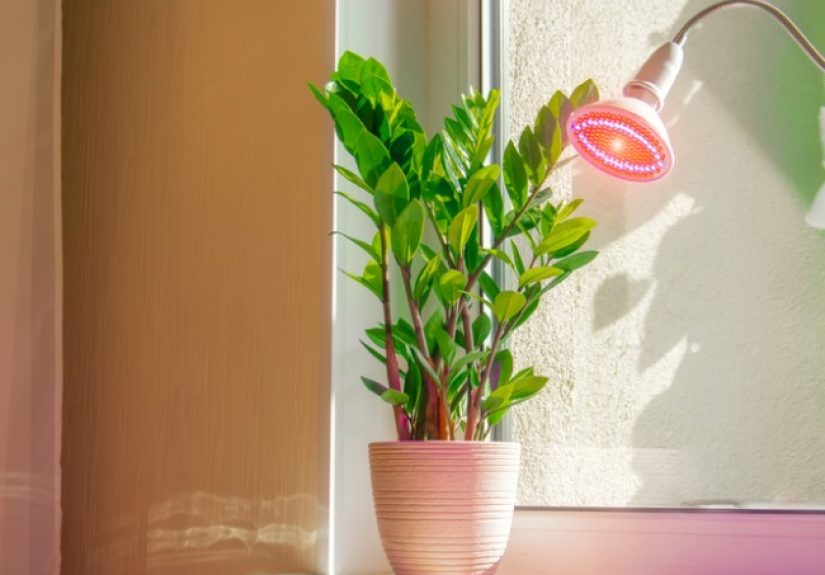
If your home is more “cozy cave” than “sunny conservatory,” grow lights can turn a dim corner into a plant-friendly zone.
The timer is the real hack: consistent light without you remembering to turn anything on.
Lazy win: Plants stop stretching like they’re trying to escape your apartment, and you stop rotating pots like a museum curator.
- Tip: Aim for bright, indirect vibes. Too close can stress some plants; too far is basically decorative moonlight.
- Bonus: Timed light is also great for winter bluesyours and the plant’s.
3) Use Plant Food Spikes (Fertilizing for People Who Forget Fertilizer Exists)
Fertilizer spikes are the “set it and forget it” version of plant nutrition. You push them into the potting mix, and they
release nutrients slowly over weeks.
Lazy win: No bottles, no measuring, no “did I already feed this plant?” existential dread.
- Best for: leafy houseplants in active growth seasons (often spring/summer)
- Watch out for: overfeeding. More fertilizer doesn’t equal more happinessit can equal crispy leaf tips and salt buildup.
4) Try a Countertop Hydroponic Garden (Grow Herbs Without Soil Drama)
If you want fresh basil but also want to avoid fungus gnats and potting mix on your floor, a small indoor hydroponic system
can feel like cheatingin the best way.
Lazy win: Many units handle lighting schedules and simplify watering. You mostly refill, trim, and feel smug about your pesto.
5) Group Plants by Water Needs (Stop Treating Everyone Like They’re the Same Person)
The easiest way to accidentally murder plants is to water them as a group when they don’t want group treatment.
Instead, group by thirst level: “often,” “sometimes,” and “basically never.”
- Thirsty-ish: ferns, peace lilies (they complain quickly)
- Medium: pothos, philodendrons, many dracaenas
- Low: snake plants, ZZ plants, succulents (they prefer neglect with good lighting)
Lazy win: One watering routine per group instead of 14 different plant personalities.
6) Master the “Finger Test” (Schedules Lie; Soil Doesn’t)
A calendar can’t feel your soil. Your finger can. Push your finger into the potting mix (a couple inches for many plants)
and water only when it feels dry at the appropriate depth.
Lazy win: You stop overwateringwhich is the #1 way well-meaning plant parents become accidental plant villains.
- Shortcut: If the pot feels surprisingly heavy, it probably still has water.
- Better shortcut: Use a wooden chopstickpull it out and check for damp soil clinging to it.
7) Bottom-Water When You Can (Hydration Without the Mess)
Bottom-watering means placing the pot in a tray or sink with water and letting the soil wick moisture upward through the
drainage holes. It’s neat, it reduces splash, and it encourages roots to grow downward.
Lazy win: Fewer spills, fewer fungus gnat parties (because you’re not constantly wetting the top layer), and less “whoops, I soaked the leaves.”
- Tip: Don’t leave the pot sitting in water forever. Let it drink 10–30 minutes, then drain.
- Reality check: Occasional top-watering can help flush mineral salts from potting mix.
8) Build a Simple Wick System (Vacation-Proofing on a Budget)
A wick system uses a cord (cotton, nylon, or similar) to pull water from a reservoir into the potting mix via capillary action.
It’s low-tech, surprisingly effective, and perfect for “I’m gone for 5 days and my plants panic” situations.
Lazy win: Your plant gets steady moisture while you get to leave the house without texting your neighbor a 14-step watering manifesto.
- Best for: small-to-medium pots; plants that like consistent moisture
- Watch out for: overdoing it with plants that like drying out between waterings
9) Use Capillary Mats (A “Water Buffet” for Multiple Plants)
Capillary mats are absorbent mats that hold water and let plants in porous pots pull moisture as needed. They’re especially
handy when you have several plants in one area and want a low-effort watering method.
Lazy win: Instead of watering each pot, you manage one watered surfacelike turning plant care into a batch task.
10) Pick “Forgiving” Plants on Purpose (Choose the Houseplant Equivalent of a Cast-Iron Skillet)
Some plants are resilient legends. Others are delicate poets who faint if you look at them wrong. If you’re busy (or forgetful),
stack the odds in your favor by choosing low-maintenance varieties.
- Snake plant: tolerates low light, irregular watering, and your chaotic schedule
- ZZ plant: drought-tolerant, slow-growing, and extremely patient
- Pothos: adaptable, fast-growing, and dramatic in a charming way (it droops when thirsty, then perks up)
- Cast iron plant: famously tough and tolerant of less-than-ideal indoor conditions
Lazy win: You get greenery that doesn’t demand lifestyle changes.
11) Stop Repotting on Impulse (The “Don’t Move Their Furniture” Rule)
Repotting can help a plant thrivewhen it’s actually needed. But repotting just because you’re inspired by a cute pot aisle
can stress plants, disrupt roots, and create a temporary sulk-fest.
Lazy win: Less work, fewer messes, fewer “why is it sad?” mysteries.
- Repot when: roots circle the pot heavily, water runs straight through, growth stalls despite good care
- Upgrade smart: go only 1–2 inches wider in diameter; giant pots hold extra wet soil and invite root rot
12) Create a 2-Minute Weekly Plant Check (Your Future Self Will Thank You)
The laziest plant parents aren’t the ones who do nothingthey’re the ones who do a tiny, consistent thing that prevents
emergencies. Once a week, do a quick lap:
- Touch the soil (dry or damp?)
- Look under leaves (pests?)
- Empty saucers (standing water?)
- Rotate plants a quarter-turn if they’re leaning
- Remove dead leaves (less mildew, fewer pests, better airflow)
Lazy win: Small effort prevents big problemslike discovering a pest outbreak when it’s already written a lease agreement.
Common Lazy-Parent Pitfalls (And How to Dodge Them)
Overwatering: The Most Popular Way to “Care” a Plant to Death
Overwatering isn’t about the amountit’s about frequency and drainage. If your pot has no drainage hole, your plant is basically
living in a bathtub with no drain. That’s not “spa day.” That’s “root rot waiting room.”
Not Enough Light: The Silent Plant Mood Killer
If a plant isn’t growing much, gets leggy, or drops leaves, light is often the issueespecially indoors. A cheap timer plus a
modest grow light can solve more problems than a shelf full of fancy fertilizer.
Ignoring Pets and Kids
Some popular houseplants can be toxic if chewed (hello, pothos and ZZ). If you share space with curious mouths, choose safer
options or place plants well out of reach.
Extra: Real-World “Lazy Plant Parent” Experiences (500+ Words of What Actually Happens at Home)
If you’ve ever bought a plant during a burst of optimismright alongside fresh ginger and a new notebook for your “new routine”
you’re not alone. A lot of lazy houseplant parents follow a predictable storyline: excitement, a few weeks of intense care,
then life happens, and suddenly the plant is surviving on vibes.
One of the most common “aha” moments people describe is realizing that less attention often equals better results.
The plant that got watered on a strict Monday schedule? Yellow leaves. The plant that got watered only when the soil felt dry?
Suddenly lush. It’s not magic; it’s just matching water to real conditions (heat, light, humidity, pot size) instead of the date
on your phone. People often mention that the finger test feels almost too simplelike it can’t possibly be the answeruntil they
try it and their plants stop acting personally offended.
Another very relatable experience: discovering the power of “forgiving plants”. Many busy plant owners report a turning point
when they stop buying whatever looks cutest and start buying what matches their lifestyle. Snake plants, ZZ plants, pothos,
cast iron plantsthese become the backbone of a low-drama indoor jungle. The vibe shifts from “I am constantly failing” to
“Wait, I can actually do this.” Some folks even keep a “confidence plant” (usually a pothos) in a spot they walk by every day,
because it’s easy to notice when it droops and easy to feel like a plant hero when it bounces back after watering.
People also talk about the first time they use a self-watering planter and feel like they’ve hacked adulthood. The reservoir
removes the daily decision fatigue: no more hovering, no more guessing, no more panic-watering before a weekend trip. Paired with
a simple weekly check, it creates a routine that feels almost effortless. The biggest “lesson learned” usually shows up when
someone puts a drought-tolerant plant into a consistently moist self-watering setup and notices it sulking. That’s when the
plant parent levels up: not all plants want the same kind of help. Lazy doesn’t mean carelessit means efficient.
Lighting is another area where real life gets real quickly. Many plant parents describe a phase of “moving plants around like
chess pieces,” trying to find the perfect window, only to realize their best window is already booked by a couch, a dog bed,
or the laws of physics. That’s where grow lights on timers become a game changer. People often say it feels silly at firstlike
they’re running a tiny plant nightclubbut the results show up fast: tighter growth, better color, fewer leaf drops. The timer
is what makes it sustainable. Without a timer, a grow light becomes one more thing to forget. With a timer, it becomes part of
the house’s background rhythm.
And yesvacations. Lazy plant parents have stories. Lots of them. The wick system and capillary mats show up in these tales like
humble heroes. Even people who don’t use them year-round keep them as “plant insurance.” The emotional benefit is real: you can
leave town without turning plant care into a group project. When you come home and everything’s still alive, it feels less like
luck and more like competencewhich is basically the highest luxury.
Conclusion
You don’t need to become a plant expert to keep plants aliveyou just need fewer fragile plants, better defaults, and a couple
of systems that work even when you’re busy. If you take only three ideas from this list, make them these: use drainage (always),
water based on soil (not schedules), and automate light when your home is dim. Your plants will look better, you’ll stress less,
and your “lazy” reputation can remain intactbecause no one needs to know you’re just brilliantly efficient.