Table of Contents >> Show >> Hide
- What Exactly Is Sage?
- 12 Health Benefits and Uses of Sage
- 1) Antioxidant support (a small leaf with big “rust-proofing” energy)
- 2) Anti-inflammatory potential (especially in concentrated preparations)
- 3) Oral health help (plaque, gums, and “morning breath diplomacy”)
- 4) Throat comfort (a warm mug when your voice sounds like sandpaper)
- 5) Menopause symptom support (hot flashes and night sweats)
- 6) Cognitive and memory support (your brain, but with fewer tabs open)
- 7) Mood and fatigue support (the “calm but focused” vibe)
- 8) Blood sugar support (early evidence, not a DIY diabetes plan)
- 9) Cholesterol and lipid support (promising, but context matters)
- 10) Antimicrobial properties (why sage is a food-friendly herb)
- 11) Skin and scalp-friendly traditions (gentle, practical uses)
- 12) Everyday culinary “wellness” (the most underrated health strategy)
- How to Use Sage Safely
- Simple Ways to Add Sage to Your Week
- Real-World Experiences With Sage (Extra Notes From Everyday Life)
- Conclusion
Sage is the herb that shows up smelling like Thanksgiving, looking like a fuzzy little leaf, and quietly acting like it has a PhD in “being useful.”
Whether you’re tossing it into browned butter, steeping it into tea, or using it as a quick-and-gentle mouth rinse, Salvia officinalis
(a.k.a. common culinary sage) has a long history in food and traditional wellnessand modern research is exploring why.
Important reality check: sage is not a magic wand. Most benefits depend on the form (food vs. tea vs. extract),
the dose, and the person. Some findings come from human studies, while others are early lab research.
This guide keeps it practical, evidence-aware, and very “how you’d actually use sage in real life.”
What Exactly Is Sage?
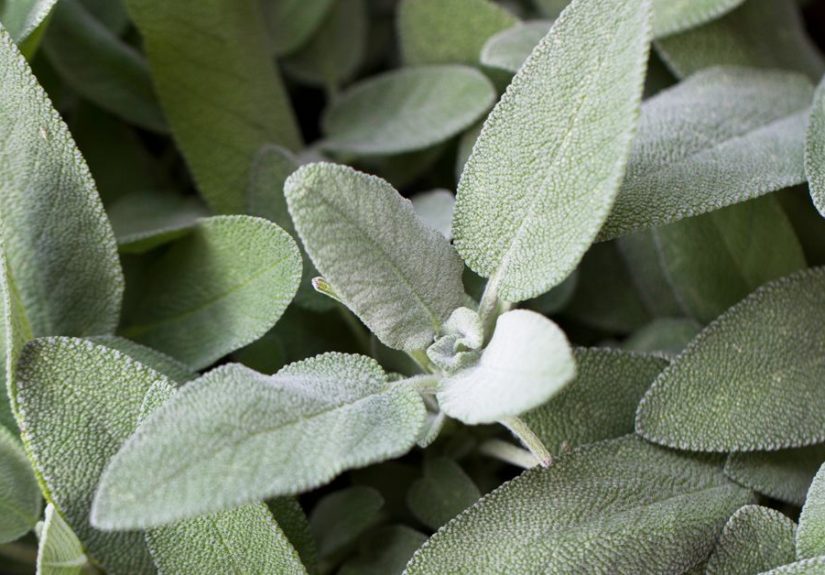
“Sage” can refer to many plants in the Salvia genus, but the one most people cook with is common sage
(Salvia officinalis). Its leaves contain aromatic compounds and plant polyphenols such as
rosmarinic acid, carnosic acid, and carnosol, which are often studied for antioxidant
and anti-inflammatory activity.
Translation: sage doesn’t just taste boldit’s chemically busy. That’s one reason it shows up in research on everything from oral health to
memory support. (Also: yes, it still tastes like your stuffing’s best friend.)
12 Health Benefits and Uses of Sage
1) Antioxidant support (a small leaf with big “rust-proofing” energy)
Sage contains antioxidantsplant compounds that help neutralize oxidative stress. In plain English, antioxidants help your body handle the wear-and-tear
that happens from normal metabolism and environmental exposures. Sage’s polyphenols are a major reason it’s studied for protective effects.
How to use it: Add chopped fresh sage to roasted vegetables, soups, or beans, or stir dried sage into marinades and rubs.
Food-based use is the easiest (and tastiest) way to make sage a regular habit.
2) Anti-inflammatory potential (especially in concentrated preparations)
Inflammation isn’t always the villainit’s part of healing. But chronic, low-grade inflammation is linked to many long-term health issues.
Sage compounds like carnosic acid and carnosol are frequently studied for anti-inflammatory actions in lab settings.
How to use it: Use sage in meals that already support an anti-inflammatory patternthink olive oil, vegetables, legumes, fish, and whole grains.
Consider sage a helpful teammate, not the entire team.
3) Oral health help (plaque, gums, and “morning breath diplomacy”)
Sage is a classic in throat lozenges and mouth products for a reason: studies have looked at sage-containing mouthwashes and found benefits related to
oral bacteria and plaque. Research suggests sage mouth rinse formulas may help reduce certain bacteria associated with dental plaque.
How to use it: If you’re going DIY, keep it gentle: brew plain sage tea, let it cool, and use it as a short gargle/rinsethen spit.
This is not a substitute for brushing, flossing, or professional dental care. It’s “supporting cast,” not “lead actor.”
4) Throat comfort (a warm mug when your voice sounds like sandpaper)
Traditional use often includes sage for mouth and throat irritation, and modern products sometimes combine sage with other soothing ingredients.
While strong clinical evidence varies by product, sage’s antimicrobial and anti-inflammatory properties are part of why it’s commonly used this way.
How to use it: Sip warm sage tea with honey and lemon (if you like). Keep it mild and don’t overdo concentrated forms.
5) Menopause symptom support (hot flashes and night sweats)
Sage is one of the more researched herbs for menopausal hot flashes. Several studies of sage preparations have reported reductions in hot flash frequency
and other menopause-related symptoms, though results can vary depending on the extract and study design.
How to use it: For menopause-specific goals, research typically uses standardized preparationsnot just culinary sprinkles.
If someone is considering supplements, it’s worth discussing with a clinician, especially if they take other medications.
6) Cognitive and memory support (your brain, but with fewer tabs open)
Sage has been studied for potential cognitive effects, including memory and attention, in both short-term and longer-term trials.
Some research suggests certain sage extracts may support aspects of cognitive performance in specific groups.
How to use it: Food use is fine for general wellness. For targeted cognitive claims, keep expectations realistic and remember:
sleep, learning strategies, and stress management will out-muscle any single herb.
7) Mood and fatigue support (the “calm but focused” vibe)
Some studies exploring sage (alone or in combination with other Salvia species) report effects on perceived exertion, mood, or mental fatigue.
That doesn’t mean sage is a replacement for mental health carebut it may be one reason people describe sage tea as “grounding.”
How to use it: Try a mild cup of sage tea earlier in the day, especially if you’re sensitive to caffeine and want something warm and herbal.
8) Blood sugar support (early evidence, not a DIY diabetes plan)
Some clinical studies have investigated Salvia officinalis in people with diabetes or metabolic concerns, with findings suggesting potential
improvements in certain blood sugar measures. However, results aren’t uniform across all markers, and this research doesn’t replace standard care.
How to use it: Use sage as a flavor tool that helps you enjoy healthier foodslike vegetables, lean proteins, and beanswithout needing extra sugar.
Anyone on glucose-lowering medication should be cautious with concentrated extracts and consult a clinician.
9) Cholesterol and lipid support (promising, but context matters)
Some trials have also explored sage’s effect on cholesterol and lipid profiles, sometimes alongside blood sugar outcomes. These findings are interesting,
but they’re not a free pass to “sage your way out of” dietary patterns that drive cholesterol up.
How to use it: Pair sage with heart-friendly cooking: roast veggies with olive oil and sage, season fish with lemon + sage,
or add sage to soups instead of relying on heavy salt.
10) Antimicrobial properties (why sage is a food-friendly herb)
Sage has antimicrobial activity in lab studies, and its aromatic compounds are part of why it’s been used traditionally for freshness and preservation.
In real kitchens, the “benefit” is practical: sage adds big flavor so you can rely less on excess salt or sugary sauces.
How to use it: Add sage to ground turkey or chicken dishes, lentil soups, or roasted squash. Flavor intensity: high. Effort: low.
11) Skin and scalp-friendly traditions (gentle, practical uses)
Sage appears in traditional skin and hair rinses, largely because of its aromatic compounds and potential antimicrobial effects.
Evidence depends heavily on the exact product and concentration, and sensitive skin can react to essential oils.
How to use it: If you want to experiment, choose mild, patch-test-friendly approaches (like a cooled sage tea rinse used externally).
Skip ingesting essential oilsthose are highly concentrated and not meant to be taken internally without professional guidance.
12) Everyday culinary “wellness” (the most underrated health strategy)
The most reliable, low-risk “health use” of sage is also the simplest: it helps healthy food taste better.
When you enjoy your meals, you’re more likely to stick with nourishing patterns.
How to use it: Crisp a few leaves in olive oil and drizzle over beans; add sage to roasted sweet potatoes;
mix chopped sage into yogurt dips; or pair it with garlic and lemon for a bright, savory combo.
How to Use Sage Safely
Sage is generally safe in normal food amounts. Where people can get into trouble is with high-dose supplements or
essential oils. Common sage contains thujone, which can be harmful in large amounts or with prolonged high-dose use.
This is one reason reputable health organizations caution against excessive medicinal dosing.
- Stick to culinary use if you’re not working with a clinicianfood amounts are the safest default.
- Be cautious with supplements, especially if you’re pregnant, breastfeeding, or taking medications.
- Avoid ingesting essential oils unless under professional supervision; they’re extremely concentrated.
- Know the name: common culinary sage (Salvia officinalis) is different from Salvia divinorum
(a separate plant associated with intense psychoactive effects). If a product just says “salvia,” read the label carefully.
Simple Ways to Add Sage to Your Week
If sage only appears once a year in stuffing, you’re missing out. Here are a few easy, non-fussy ideas:
- Weeknight upgrade: Add dried sage to canned white beans with olive oil and garlic.
- Breakfast twist: Stir a pinch of sage into scrambled eggs with spinach and feta.
- Soup secret: Sage + lentils + carrots = cozy flavor without needing heavy cream.
- Tea moment: Mild sage tea after a meal when you want something warm but not caffeinated.
Real-World Experiences With Sage (Extra Notes From Everyday Life)
Most people don’t “start taking sage” the way they start a new vitamin. They meet sageusually in a panthen realize it keeps showing up in places
that feel weirdly helpful. The most common experience is culinary: you add a little sage to roasted squash or beans, and suddenly the meal tastes like it
had a plan. It’s one of those herbs that can make simple, high-fiber foods (hello, lentils) taste richer without piling on sugar or a mountain of salt.
People often describe it as “warm,” “savory,” and “cozy,” which is basically the flavor version of a good hoodie.
Then there’s the tea crowd. A mild cup of sage tea is often reported as soothingespecially when someone wants something warm but doesn’t want caffeine.
The experience isn’t usually dramatic; it’s more like: “My throat feels less irritated,” or “That was comforting after dinner.”
Some folks like it as part of a bedtime wind-down routine, not because sage is a knock-out punch, but because the ritual of brewing a cup, sitting down,
and taking a breath is calming on its own. Sage becomes the supporting character in a bigger wellness story that includes sleep, hydration,
and not doom-scrolling at 1 a.m.
Oral-care experiments tend to be cautious and practical. People who try a cooled sage tea rinse usually do it as a “bonus” on days their mouth feels
a little offafter a spicy meal, during seasonal sniffle months, or when they want an extra-fresh feeling. The smart ones keep it gentle, spit it out,
and still brush and floss like adults who enjoy keeping their teeth. Nobody should treat a mouth rinse like a substitute for dental care,
but many people enjoy the “clean” sensation and the herbal taste that feels less harsh than some strong commercial rinses.
If you garden, sage has another kind of reputation: it’s low-drama. Give it sun and decent drainage and it tends to show up faithfully.
People often report that having sage growing nearby makes it easier to use it regularlysnip a few leaves, toss them into dinner, done.
That convenience matters. The healthiest habit is usually the one that’s easiest to repeat, not the one that requires a 14-step ritual and a blender that
sounds like a small aircraft.
And yes, there are the “sage myths” people bump into online: that it cures everything, that you should take huge doses, or that essential oils belong in
your internal organs. Real-world experience tends to correct this quickly. The best results people describe come from keeping sage in its lane:
delicious food use, mild tea use, and thoughtful caution with concentrated products. In other words, sage works best when it’s treated like a powerful
seasoning with potential perksnot like the main character in a medical drama.
Conclusion
Sage earns its popularity the old-fashioned way: it’s useful, flexible, and easy to work into daily life.
As a culinary herb, it can help you build satisfying meals that support overall wellness.
As a tea or gentle rinse, it has traditional appeal and some research-backed potentialespecially in areas like oral health and menopausal hot flashes.
The key is smart use: stick to food amounts unless you have a good reason (and guidance) to do otherwise, and be cautious with high-dose supplements.