Table of Contents >> Show >> Hide
- What metabolism actually is (in plain English)
- A quick reality check (so you don’t get scammed by a smoothie)
- 12 healthy foods that support a higher metabolic burn
- 1) Lean poultry (chicken or turkey)
- 2) Eggs
- 3) Greek yogurt (plain or lightly sweetened)
- 4) Salmon (and other fatty fish)
- 5) Beans and lentils
- 6) Whole grains (oats, quinoa, brown rice, whole wheat)
- 7) Chili peppers (fresh, dried, or as a spice)
- 8) Ginger
- 9) Green tea
- 10) Coffee (especially unsweetened or lightly sweetened)
- 11) Almonds (and other nuts)
- 12) Chia seeds
- How to build a metabolism-supporting day (without living in the kitchen)
- Metabolism myths that deserve a polite retirement
- Wrap-up: what “boosting metabolism” should really look like
- Real-life experiences with metabolism-friendly foods (extra add-on)
“Boost your metabolism” is one of those phrases that sounds like you can flip a switch and suddenly become a human furnace.
If only it were that easy. In real life, metabolism is more like your phone’s battery settings: there’s a baseline drain, there
are background apps (hello, brain and organs), and there are moments when the system works harder (like digesting a high-protein meal
or going for a brisk walk).
The good news: certain foods can nudge the dial in a helpful directionmostly by increasing the thermic effect of food
(the energy your body uses to digest and process what you eat), supporting lean muscle, improving
blood sugar stability, and making it easier to build consistent, balanced meals. The “not-so-magical” news:
no single food makes metabolism skyrocket. Think “steady support,” not “instant superpower.”
What metabolism actually is (in plain English)
Metabolism is the sum of the processes that keep you alive and runningbreathing, circulating blood, repairing tissue, fueling movement,
and digesting food. Most of your daily burn comes from your resting needs (often called resting metabolic rate), then you add
physical activity and the thermic effect of food. That last piece is where specific foods can helpespecially protein-rich foods,
which typically take more energy to digest than fats or carbs.
A quick reality check (so you don’t get scammed by a smoothie)
Some foods and drinks can cause modest increases in energy expenditure or fat oxidation, but the effect is usually small.
The real win is that these foods make healthy eating easier: they’re filling, nutrient-dense, and helpful for maintaining muscle and
steady energy. Translation: they support the habits that keep your metabolism working well over timewithout turning your grocery list
into a “miracle foods” treasure map.
12 healthy foods that support a higher metabolic burn
1) Lean poultry (chicken or turkey)
Lean poultry is a practical “metabolism-friendly” staple because it’s high in protein without bringing a lot of saturated fat to the party.
Protein has a higher thermic effect than carbs or fat, meaning your body uses more energy to digest it. It also helps you maintain muscle,
and muscle is more metabolically active than fat tissue.
- Try it: Sheet-pan chicken with roasted vegetables, or turkey chili loaded with beans.
- Easy upgrade: Pair poultry with fiber (vegetables, beans, whole grains) for longer-lasting fullness.
2) Eggs
Eggs are nutrient-dense and rich in high-quality protein, which supports the thermic effect of food and helps you feel satisfied.
They’re also quickbecause “metabolism support” works better when breakfast doesn’t require a project plan and a spreadsheet.
- Try it: Veggie omelet, hard-boiled eggs with fruit, or scrambled eggs with black beans and salsa.
- Tip: Add fiber (spinach, peppers, mushrooms) to make the meal more filling and balanced.
3) Greek yogurt (plain or lightly sweetened)
Greek yogurt brings protein and (often) probiotics, making it a smart snack or breakfast base. Higher-protein foods tend to increase the
thermic effect of food, and yogurt can be a convenient way to hit protein targets without cooking. Choose plain when you can and add your
own flavor (berries, cinnamon, vanilla) to keep added sugar in check.
- Try it: Greek yogurt + berries + chia seeds, or a savory bowl with cucumber, olive oil, and herbs.
- Protein boost: Stir in a spoonful of nut butter for staying power.
4) Salmon (and other fatty fish)
Fatty fish like salmon delivers protein plus omega-3 fats. Some research suggests omega-3 intake may influence resting metabolic rate in certain
groups, though results vary. Either way, fish is a high-value choice for metabolic health because it supports heart health and provides a
satisfying protein source that’s easy to build meals around.
- Try it: Salmon tacos with cabbage slaw, or salmon over quinoa and greens.
- Shortcut: Canned salmon can be turned into salmon salad in minutes.
5) Beans and lentils
Beans and lentils are the “quiet heroes” of metabolic health: they bring plant protein plus a lot of fiber, which supports fullness and steadier
blood sugar. They also make meals more satisfying without relying on ultra-processed extras. If digestion is a concern, start small and increase
slowly (your gut microbes like a gentle onboarding process).
- Try it: Lentil soup, black bean bowls, or chickpeas tossed into salads.
- Tip: Rinse canned beans to reduce sodium.
6) Whole grains (oats, quinoa, brown rice, whole wheat)
Whole grains provide fiber and nutrients that refined grains often lose. Research suggests that swapping whole grains for refined grains may
improve energy balance metrics (including modest effects on energy expenditure and calorie loss through digestion). Practically, they help you
build meals that keep you full and energized, which supports consistent movement and better food choices.
- Try it: Oatmeal with Greek yogurt, quinoa bowls, or whole-wheat pasta with veggies and chicken.
- Quick win: Use “half and half” (half white rice, half brown) if you’re transitioning.
7) Chili peppers (fresh, dried, or as a spice)
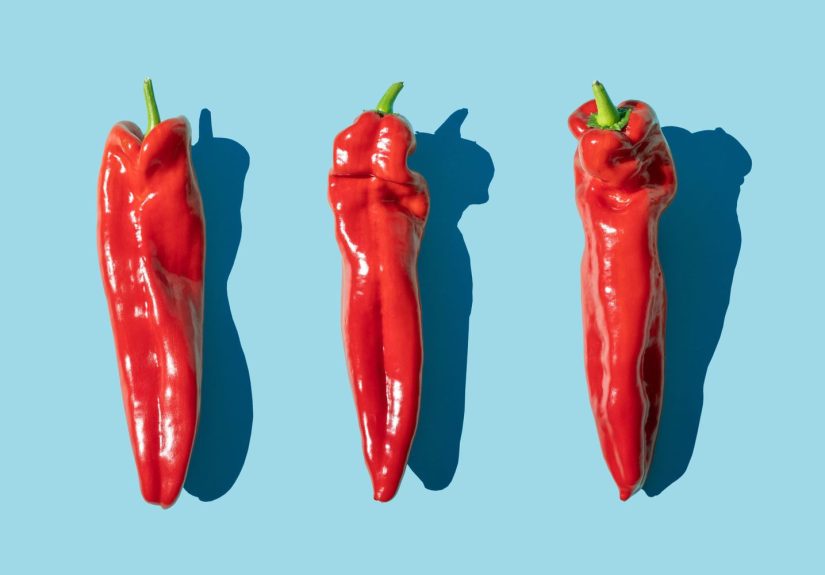
Chili peppers contain capsaicin, a compound linked to small increases in energy expenditure and fat oxidation in some studies. The key word is
“small.” Think of it like adding a fan to a warm roomnot installing a new HVAC system. Still, spicy foods can make healthy meals more exciting,
which is underrated and wildly helpful for consistency.
- Try it: Add chili flakes to roasted veggies, stir hot sauce into soups, or use jalapeños in tacos.
- Note: If spicy foods trigger reflux or stomach upset, skip this onemetabolism support shouldn’t come with regret.
8) Ginger
Ginger has been studied for its potential to increase the thermic effect of food and influence appetite sensations in the short term.
You don’t need a ginger “challenge.” You just need a few easy ways to use it consistentlyfresh, frozen cubes, or dried ginger in recipes.
- Try it: Ginger in stir-fries, ginger tea after meals, or grated ginger in salad dressings.
- Flavor trick: Combine ginger + garlic + soy sauce (or tamari) for a fast, craveable sauce.
9) Green tea
Green tea contains caffeine and catechins (like EGCG). Research suggests this combo may have modest effects on thermogenesis and fat oxidation,
though outcomes vary by person and study design. The biggest advantage: it’s a low-calorie beverage that can replace sugary drinks while adding
beneficial plant compounds.
- Try it: Hot green tea, iced green tea with lemon, or matcha added to a smoothie.
- Smart move: If you’re caffeine-sensitive, choose decaf green teastill plenty of polyphenols.
10) Coffee (especially unsweetened or lightly sweetened)
Coffee’s caffeine can raise alertness and may modestly increase energy expenditure for some people. The effect isn’t dramatic, and tolerance varies,
but coffee can support your routineespecially if it replaces high-sugar beverages. Keep an eye on what’s in the coffee, though; a milkshake
disguised as a latte is still a milkshake.
- Try it: Cold brew with a splash of milk, or coffee with cinnamon instead of extra sugar.
- Safety note: For most adults, up to about 400 mg caffeine/day is considered a reasonable upper limit, but individual needs vary.
11) Almonds (and other nuts)
Nuts are calorie-dense, but they’re also rich in protein, fiber, and unsaturated fatsnutrients linked to satiety and possibly higher thermogenesis
compared with lower-protein snacks. Interesting bonus: research suggests the body may not absorb all the calories in whole almonds due to their
structure, which can affect metabolizable energy.
- Try it: A small handful of almonds with fruit, or chopped nuts on yogurt and oats.
- Portion tip: Pre-portion into small containers so your “snack” doesn’t become an accidental “episode.”
12) Chia seeds
Chia seeds won’t turn your body into a blast furnace, but they’re excellent for metabolic support because they’re loaded with fiber and
provide some protein and plant omega-3s (ALA). Fiber slows digestion, supports steadier blood sugar, and keeps you fuller longerhelpful for energy,
mood, and making meals feel satisfying.
- Try it: Add 1–2 tablespoons to yogurt, oatmeal, smoothies, or make chia pudding.
- Comfort tip: Increase fiber gradually and drink enough fluids to avoid GI discomfort.
How to build a metabolism-supporting day (without living in the kitchen)
Here’s a simple example that uses several of the foods aboveno “detox,” no drama:
- Breakfast: Greek yogurt + berries + chia seeds + a sprinkle of nuts
- Lunch: Quinoa bowl with salmon (or chicken), beans, and a big pile of vegetables
- Snack: Almonds + fruit, or a hard-boiled egg + carrots
- Dinner: Turkey chili with beans, topped with chopped jalapeño and a squeeze of lime
- Beverages: Water, green tea, or coffee (watch added sugar)
Metabolism myths that deserve a polite retirement
- Myth: “One food can ‘burn fat’ on its own.”
Reality: Even foods linked to thermogenesis tend to have modest effects. The consistent pattern matters more than any single ingredient. - Myth: “More spice/caffeine = faster results.”
Reality: Too much can backfire (jitters, reflux, poor sleep). Sleep loss can make appetite and energy harder to manageso it’s not a win. - Myth: “You need to eat tiny meals all day to ‘keep metabolism up.’”
Reality: Meal timing is personal. Focus on balanced meals with enough protein and fiber so you feel good and can stay active.
Wrap-up: what “boosting metabolism” should really look like
The best “metabolism-boosting diet” is the one you can actually live with: protein-forward meals, high-fiber plants, smart fats, and beverages that
don’t quietly dump a dessert’s worth of sugar into your day. Use spicy foods and caffeinated drinks as optional tools, not mandatory requirements.
And if you want a bigger metabolic impact than food can provide alone, prioritize the habits that work with these foodsespecially resistance training,
daily movement, and adequate sleep.
Real-life experiences with metabolism-friendly foods (extra add-on)
People often expect “metabolism foods” to feel like a dramatic before-and-after montage. In reality, the most common experiences are quieterbut more
useful. One pattern many notice is steadier energy when meals include enough protein and fiber. For example, swapping a pastry-only
breakfast for Greek yogurt with fruit and chia seeds doesn’t usually cause fireworks; it often just leads to fewer mid-morning cravings and less
“snack panic” before lunch. That calmer appetite can make the entire day easier to manage without anyone feeling like they’re white-knuckling it.
Another frequent experience is that protein choices simplify decisions. When someone keeps eggs, canned salmon, beans, and yogurt in the
fridge, meals become “assemble and eat” instead of “invent dinner from scratch.” That matters because consistency is a major driver of outcomes.
A turkey-and-bean chili made once can turn into two lunches and one dinner, and suddenly the week has structure. Many people find that when their food
routine becomes predictable in a good way, they move morebecause they’re not depleted from decision fatigue.
Spices like chili and ginger show up differently. The most common feedback isn’t “I’m burning calories like a space heater,” but “healthy food tastes
better, so I actually want to eat it.” A bowl of roasted vegetables becomes more appealing with chili flakes, and a basic stir-fry becomes something you
genuinely look forward to with ginger and garlic. That’s not a small thing: enjoyment is a compliance strategy. If meals taste good, people stick with them.
With coffee and green tea, experiences tend to split into two camps: those who feel a gentle lift in alertness and workout motivation, and those who feel
jittery or sleep-disrupted. The best “real-world” lesson is that caffeine is a tool, not a personality. Many do better with a moderate amount earlier in the
day, and some prefer decaf green tea for the ritual without the buzz. When sleep improves, appetite often becomes easier to regulateso the best metabolism
move might be less caffeine, not more.
Nuts and chia seeds often deliver the most noticeable benefit in one simple way: they stretch satiety. Adding a spoonful of chia to yogurt
or pairing fruit with almonds can keep people full longer than a carb-only snack. That can reduce grazing and help meals feel more satisfying. The “aha”
moment many report is realizing they don’t need extreme rules; they just need snacks that do their job. When hunger is steadier, choices are easier.