Table of Contents >> Show >> Hide
- Quick UC Snack Rules (So Your Gut Doesn’t File a Complaint)
- The 12 Best UC-Friendly Snack Ideas (With Flare & Remission Tweaks)
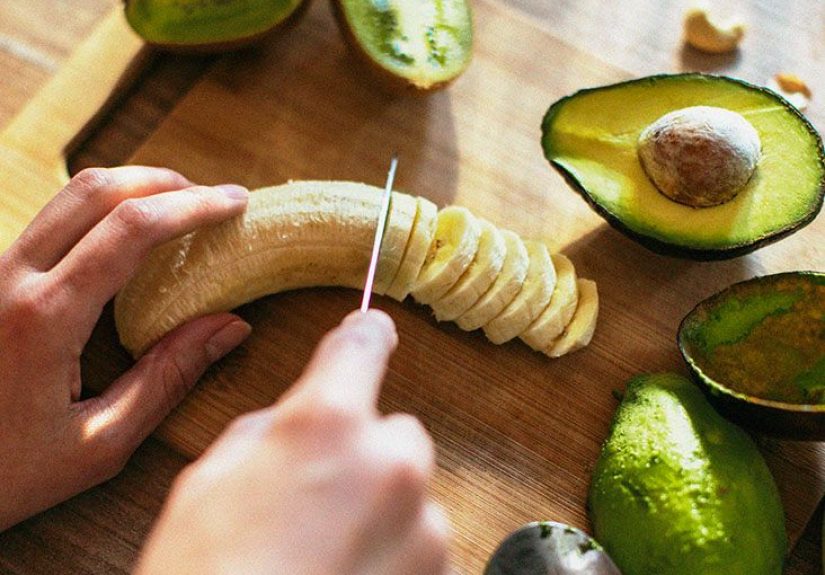
- 1) Banana (ripe) + a thin swipe of smooth peanut butter
- 2) Applesauce (unsweetened or lightly sweetened)
- 3) Oatmeal cup (plain) with a ripe banana mashed in
- 4) Lactose-free yogurt (or kefir) plain, with soft add-ins
- 5) Hard-boiled eggs (or soft scrambled egg in a mug)
- 6) Turkey (or chicken) roll-ups
- 7) White toast or a plain bagel with a gentle topping
- 8) Saltines or simple crackers + tuna (or salmon) packet
- 9) Smoothie (blended, low-fiber style)
- 10) Mashed potatoes or baked potato (no skin) with a little salt
- 11) Cottage cheese (or lactose-free cottage cheese) with soft fruit
- 12) Rice cakes (or plain rice) with a simple topping
- Snack Swaps for Common UC Symptoms
- Important Notes (Because UC Doesn’t Read Rules)
- Extra : Real-Life UC Snacking Experiences (What People Actually Do)
If you have ulcerative colitis (UC), you already know the plot twist: a snack that feels “healthy” on paper can
feel like a personal attack on your colon. And yet… you still have to eat. (Rude, honestly.)
The good news: you don’t need a single “perfect” UC diet to snack smarter. Most UC-friendly snacking comes down to
texture, fiber type, fat level, and timingplus your personal triggers. Below are 12 snack ideas that tend to be
gentle, practical, and easy to tweak for flare days versus remission days. I’ll also show simple
swaps so you can keep snacking without playing gastrointestinal roulette.
Quick UC Snack Rules (So Your Gut Doesn’t File a Complaint)
1) Match the snack to your current phase: flare vs. remission
During a flare, many people do better with “low-residue” or lower-fiber foods (think: softer textures and fewer
rough edges). When you’re in remission, you may tolerate more varietysometimes including more fiber, more plants,
and more “real-life” foods.
2) Soluble fiber is usually friendlier than scratchy fiber
Soluble fiber (like oats and ripe bananas) can be easier on the gut than insoluble fiber (like raw greens, bran,
and vegetable skins). That doesn’t mean fiber is “bad”it just means your timing and texture matter.
3) Keep it simple: low spice, modest fat, minimal additives
Many people with UC report trouble with greasy/fried foods, very spicy snacks, and ultra-processed choices packed
with additives. Triggers are personal, but “simple and boring” often wins on rough days.
4) Hydration counts as part of the snack
Diarrhea can sneakily dehydrate you. Pair snacks with water or an electrolyte drink if your symptoms are active,
and don’t be shy about salty, easy-to-digest choices when you’re losing fluids.
5) Use the “two-bite test” and a food journal
New snack? Start small. If it goes well, increase gradually. Write down what you ate and how you felt afterward.
Your future self will thank youbecause memory fades, but UC remembers everything.
The 12 Best UC-Friendly Snack Ideas (With Flare & Remission Tweaks)
1) Banana (ripe) + a thin swipe of smooth peanut butter
Why it works: Ripe bananas are a classic “gentle” fruit, and smooth nut butter adds calories and
protein without crunchy bits.
- Best for: Flare or remission (as tolerated).
- Make it gentler: Use a very ripe banana; keep nut butter to 1–2 teaspoons if fat triggers you.
- Make it more filling (remission): Add a sprinkle of cinnamon or a drizzle of honey if you tolerate it.
2) Applesauce (unsweetened or lightly sweetened)
Why it works: Applesauce is peeled, cooked, and softoften easier than raw apples (which are
higher in insoluble fiber and can be rough during flares).
- Best for: Flare days, travel days, “I need something now” days.
- Tip: If sugar worsens your symptoms, choose unsweetened.
3) Oatmeal cup (plain) with a ripe banana mashed in
Why it works: Oats are rich in soluble fiber and can be soothing for some peopleespecially when
cooked soft and kept simple.
- Best for: Remission; sometimes mild flares if you tolerate oats.
- Make it gentler: Cook it longer so it’s softer; skip nuts/seeds; keep toppings minimal.
- Protein boost: Stir in a spoonful of lactose-free Greek yogurt after it cools slightly.
4) Lactose-free yogurt (or kefir) plain, with soft add-ins
Why it works: Some people tolerate fermented dairy better than milk, but lactose can still be a
problemso lactose-free options often feel safer.
- Best for: Remission or stable periods; during flares only if dairy is not a trigger for you.
- Gentle add-ins: Mashed banana or a small amount of applesauce.
- Skip: Granola, nuts, fruit chunks, and “crunchy everything” when you’re flaring.
5) Hard-boiled eggs (or soft scrambled egg in a mug)
Why it works: Eggs are a simple, high-quality protein that’s usually easy to digest and helpful
when you need nutrition without a lot of volume.
- Best for: Flare or remission.
- Tip: If fat is a trigger, keep mayo-based egg salad minimal (or skip it).
6) Turkey (or chicken) roll-ups
Why it works: Lean deli turkey or leftover roasted chicken can be a quick protein snack without
fiber. Protein can be especially helpful when appetite is low.
- Best for: Flare or remission (choose lower-fat options if needed).
- Make it gentler: Skip spicy mustard and raw onions; try a small smear of plain hummus only if you tolerate it.
- Watch: Some deli meats are salty or additive-heavychoose simpler labels when possible.
7) White toast or a plain bagel with a gentle topping
Why it works: Refined grains can be easier than whole grains during flares. Toast is also a nice
“blank canvas” for whatever your gut is willing to accept today.
- Best for: Flare (especially if whole grains bother you).
- Topping ideas: Smooth peanut butter, a thin layer of cream cheese (lactose-free if needed), or a little jam.
- Note: If gluten is a trigger for you, use gluten-free bread that you tolerate well.
8) Saltines or simple crackers + tuna (or salmon) packet
Why it works: Crackers are low fiber, and fish adds protein. This combo is surprisingly filling
for something that takes about 30 seconds.
- Best for: Remission or stable symptoms; during flares if fish and crackers sit well.
- Make it gentler: Choose tuna in water; skip spicy flavors; keep portions modest.
- Extra tip: If smell is the issue (we’ve all been there), try plain chicken packets instead.
9) Smoothie (blended, low-fiber style)
Why it works: Blending changes texture and can make fruits/ingredients easier to tolerate than
eating them whole. It’s also a sneaky way to get calories when chewing feels like too much effort.
UC-friendly smoothie template:
- 1 ripe banana
- 1 cup lactose-free milk or a non-dairy milk you tolerate
- Optional: 2–3 tablespoons lactose-free yogurt
- Optional (remission): a small spoon of smooth peanut butter
Avoid during flares (often): raw spinach, big handfuls of berries with seeds, chia/flax by the
tablespoon, and anything “superfood crunchy.”
10) Mashed potatoes or baked potato (no skin) with a little salt
Why it works: Potatoes (without skin) are low fiber and comforting. During flare days, comfort
food that’s actually gentle is a win.
- Best for: Flares (especially when you need easy carbs).
- Make it gentler: Keep butter minimal if fat triggers symptoms; try lactose-free butter or a drizzle of olive oil.
- Protein add-on: Top with a small amount of shredded chicken.
11) Cottage cheese (or lactose-free cottage cheese) with soft fruit
Why it works: Cottage cheese provides protein and calories in a soft texture. Pair it with a
gentle fruit option for a balanced snack.
- Best for: Remission; sometimes stable symptoms if dairy is tolerated.
- Soft fruit ideas: Applesauce, ripe banana, or canned peaches/pears in juice (drained).
- Skip: Pineapple chunks and “extra tangy” add-ins if acidity bothers you.
12) Rice cakes (or plain rice) with a simple topping
Why it works: Rice is a go-to easy carb for many GI issues. Rice cakes add crunch without a lot
of fiberuse toppings that match your current tolerance.
- Best for: Flare or remission, depending on topping choices.
- Topping ideas: smooth nut butter, a little honey, or a thin spread of avocado (remission, if fats are tolerated).
- Flare-friendly option: plain rice with a bit of salt and a side of egg for protein.
Snack Swaps for Common UC Symptoms
If diarrhea is the main problem
- Choose: bananas, applesauce, rice-based snacks, plain toast, eggs.
- Go easy on: greasy snacks, sugar alcohols (some “diet” products), caffeine, and very high-fiber foods.
If gas/bloating is the main problem
- Choose: simpler carbs + lean protein (toast + egg, crackers + turkey).
- Go easy on: large amounts of beans/legumes, cruciferous veggies, carbonated drinks, and big servings of dairy if lactose bothers you.
If nausea or low appetite is the main problem
- Choose: smoothies, yogurt (if tolerated), mashed potatoes, small frequent snacks.
- Tip: aim for calorie-dense bites (a spoon of nut butter, a yogurt cup) rather than huge portions.
Important Notes (Because UC Doesn’t Read Rules)
There’s no single food list that “cures” ulcerative colitis. Diet is about symptom management, hydration, and
meeting your nutrition needs while your treatment plan does the heavy lifting. If you’re losing weight without
trying, noticing blood in your stool, running fevers, or having severe symptoms, talk to your clinician promptly.
If you’re unsure where to start, a registered dietitian familiar with inflammatory bowel disease (IBD) can help
you build a plan that works with your medications, labs, and personal triggerswithout turning your life into an
endless game of “Guess That Ingredient.”
Extra : Real-Life UC Snacking Experiences (What People Actually Do)
UC advice online can feel like two people yelling opposite instructions in all caps. One says, “Eat more fiber!”
Another says, “Avoid fiber forever!” Meanwhile, you’re just trying to eat something that doesn’t cause your gut to
reenact an action movie chase scene.
In practice, many people with UC build a “snack ladder”a small set of reliable options they can climb up or down
depending on symptoms. On rough flare days, the ladder starts with soft, low-fiber basics: bananas, applesauce,
toast, rice, eggs. Not glamorous, but neither is spending the afternoon speed-walking to the bathroom like you’re
late for a meeting.
One common experience is “the blender era.” When chewing feels exhausting or your appetite disappears, smoothies
become the MVP. People often keep it ridiculously simple: banana + lactose-free milk (or a tolerated non-dairy)
and maybe a spoonful of yogurt. The win isn’t that smoothies are magicalit’s that they’re predictable.
Predictable foods are a form of peace.
Another recurring theme: protein as a stabilizer. Many folks notice they feel less “hangry-sick”
when snacks include proteinhard-boiled eggs, turkey roll-ups, yogurt, cottage cheese. It’s not a cure, but it can
prevent the blood-sugar roller coaster that makes everything feel worse. On days when the gut is touchy, people
often stick to leaner proteins and keep fatty add-ons small.
Then there’s the “remission confidence rebuild.” After a flare, it’s normal to fear food. People frequently
reintroduce variety by testing one small change at a time: switching from white toast to a slightly heartier
bread, adding soft cooked vegetables, or trying oatmeal again. The trick is to change only one variable. (If you
introduce oats, berries, chia, and cold brew in the same morning… and things go poorly… your detective work will be
basically useless.)
Many also learn that “healthy” doesn’t always mean “raw.” Cooked carrots can feel safer than a salad. Peeled
fruits can work better than fruit with skins. Even leafy greens may be tolerated more when blended or cooked down.
It’s not about avoiding nutrients; it’s about choosing a form your gut can handle today.
Lastly, people often keep an “emergency snack kit” for unpredictable days: applesauce cups, rice cakes, saltines,
tuna or chicken packets, and electrolyte packets. It’s not fancymore like a disaster preparedness plan for your
digestive tract. But it helps you eat consistently, which is a quiet superpower when UC is trying to run the show.
Bottom line: the most successful UC snack approach isn’t perfectionit’s a flexible system. Keep a few gentle
defaults, level up when you feel stable, and give yourself permission to be boring on hard days. Your colon does
not need novelty. Your colon needs a nap.