Table of Contents >> Show >> Hide
- Why Cartoon Tattoos Hit So Hard
- What Makes a Great Cartoon Tattoo?
- Popular Directions You’ll See in a 122-Tattoo Gallery
- Before You Book: Questions Worth Asking Your Tattoo Artist
- How To Keep a Cartoon Tattoo Looking Bright
- Why These Tattoos Mean More Than Fan Service
- The Experience of Wearing Your Childhood on Your Skin
- Conclusion
- SEO Tags
There are tattoos that whisper. There are tattoos that roar. And then there are cartoon tattoos, which somehow manage to do both while holding a juice box and making a face your inner eight-year-old still finds hilarious. A great cartoon tattoo is not just ink. It is memory with linework. It is personality with color saturation. It is a tiny portal back to the exact moment when a theme song came on, your cereal got soggy, and life felt gloriously simple.
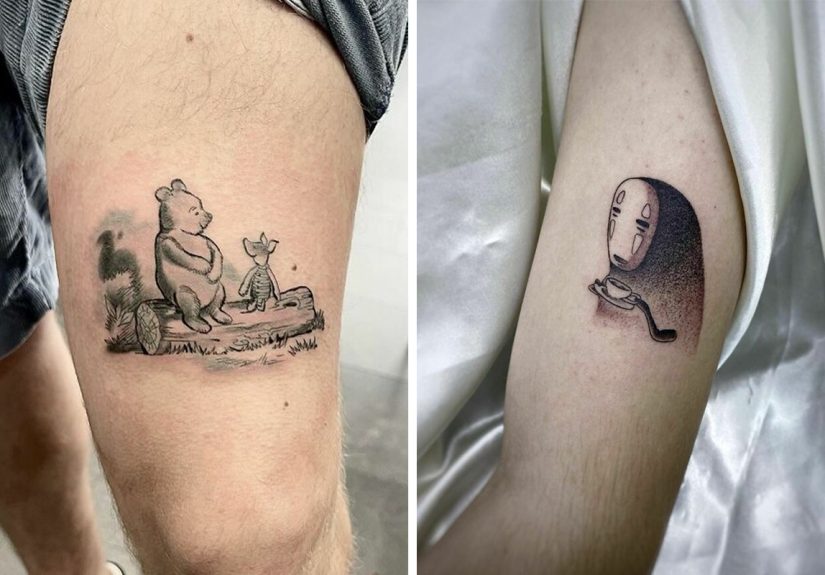
That is why a gallery of 122 cartoon tattoos hits such a nerve. It is not merely a roundup of cool body art. It is a visual parade of childhood favorites, comfort characters, chaotic sidekicks, lovable weirdos, and animated icons that helped shape people’s humor, imagination, and taste. Some tattoos are loud and playful. Others are subtle little nods only fellow fans would recognize. But the best ones all do the same thing: they make nostalgia visible.
If you are looking at cartoon tattoo ideas, or planning content around cartoon-inspired ink, this is where the topic gets interesting. These tattoos live at the crossroads of pop culture, design, storytelling, and emotion. They can be bright and goofy, soft and sentimental, or surprisingly elegant. And yes, they can absolutely make a grown adult feel feelings over a tattoo of a blue dog, a sponge in square pants, or a mischievous mouse with suspiciously perfect comic timing.
Why Cartoon Tattoos Hit So Hard
Cartoon tattoos work because cartoons stick to us in a way few other forms of media do. They arrive early in life, when everything feels bigger, stranger, and more magical. That makes them ideal tattoo material. People are not just tattooing a character. They are tattooing a mood, an era, a family ritual, or a version of themselves that still lives somewhere under the rent payments and unread emails.
They Turn Memory Into Art
A tattoo based on a favorite cartoon can stand for much more than fandom. Maybe it reminds someone of watching Saturday morning TV with siblings. Maybe it calls back to a parent who used to quote a certain character. Maybe it marks a season of life when a particular show was pure comfort. Nostalgia is rarely neat, and cartoon tattoos thrive in that emotional messiness. They can be funny, bittersweet, and deeply personal all at once.
They Let Personality Show Without a Speech
Some people wear their hearts on their sleeves. Others wear a tiny gremlin from an old cartoon reboot on their forearm and let the world figure it out. Cartoon tattoo designs are great shorthand for humor, softness, rebellion, weirdness, or pure joy. A bold, colorful tattoo says one thing. A fine-line minimalist cartoon tattoo says another. A crossover tattoo that mashes two childhood favorites together says, “I contain multitudes, and at least one of them is animated.”
They Age With Meaning
Trends come and go, but nostalgic tattoos tend to hang around because they are tied to identity. A well-chosen cartoon tattoo does not just represent what someone liked. It represents who they were, who they became, and what still comforts them. That gives the design staying power. In tattoo terms, that is gold. In emotional terms, that is basically a permanent scrapbook with better shading.
What Makes a Great Cartoon Tattoo?
Not every cartoon tattoo succeeds just because the source material is beloved. The strongest designs balance fan recognition with tattoo fundamentals. In other words, the tattoo needs to work as a tattoo, not just as a screenshot copied onto skin like a panicked group project.
Strong Linework Comes First
Cartoons are built on shape, outline, movement, and expression. That makes linework the backbone of the design. Clean, confident lines help keep the character recognizable over time. If the linework is muddy, the tattoo can lose that animated charm fast. The most successful cartoon tattoos usually have crisp silhouettes, readable facial features, and enough breathing room for the design to stay clear as it ages.
Color Should Feel Intentional
Color is often what makes childhood favorite tattoos so irresistible. Bright yellows, candy pinks, electric blues, and old-school comic primaries can instantly trigger recognition. But color should not be added just because the original character was colorful. Smart artists think about skin tone, placement, longevity, and contrast. Sometimes a full-color piece sings. Other times, black-and-gray with one pop of color lands harder. The goal is not to recreate a TV still perfectly. The goal is to build a tattoo that lives well on skin.
Original Interpretation Beats Copy-Paste
Here is where taste matters. A direct copy of a cartoon frame can work, but an original interpretation usually works better. Maybe the artist redraws the character in their own style. Maybe they combine two references. Maybe they build a scene around the character instead of replicating a stock pose. This gives the piece more personality and helps avoid the dreaded “internet image printed on a human” effect.
It is also a smarter move creatively. A tattoo should feel custom, not mass-produced. And when copyrighted characters are involved, many clients prefer an artist-led reinterpretation instead of a straight visual duplicate. That tends to produce a better tattoo anyway.
Placement Changes the Entire Vibe
A tiny cartoon tattoo on the ankle feels playful and private. A forearm piece feels proudly visible. A thigh tattoo can hold a bigger, more cinematic composition. A sleeve can turn a whole childhood era into a moving gallery. Placement affects detail, scale, visibility, and how much emotional weight the piece carries. It is worth thinking about whether you want a wink, a statement, or a full-blown animated event on your body.
Popular Directions You’ll See in a 122-Tattoo Gallery
A large roundup of cartoon tattoos usually reveals a few clear patterns. People return to certain styles because those styles tap nostalgia in different ways.
Classic Saturday-Morning Icons
These are the instantly recognizable legends: mischievous duos, talking animals, heroic turtles, spooky canine detectives, yellow-faced suburban chaos, and the general cast of characters who raised an entire generation’s sarcasm levels. These tattoos are often bright, bold, and designed for immediate recognition. They feel fun because they are fun. Sometimes that is the whole point.
’90s and Early-2000s Chaos
This category is all attitude. Think slime-era cartoons, exaggerated expressions, awkward antiheroes, oddball monsters, and wonderfully unhinged side characters. These tattoos tend to be high-energy, colorful, and a little self-aware. They appeal to people who do not want their tattoo to be too precious. They want it weird, loud, and maybe just a little feral.
Soft Nostalgia and Minimal Tributes
Not everyone wants a full-color character portrait. Some people go for a prop, symbol, quote, or tiny outline that quietly references a beloved cartoon. A simple balloon, a signature accessory, a pair of ears, or a recognizable silhouette can be enough. These tattoos are great for people who want their nostalgia more poetic than obvious.
Mashups, Crossovers, and Reimagined Styles
This is where tattoo artists get to show off. One cartoon universe blended with another. A childhood character redrawn as a gothic icon. A retro cartoon rendered in fine-line elegance. A villain made cute. A hero made spooky. These tattoos tend to feel fresh because they are not just about memory. They are about memory filtered through adult taste.
Before You Book: Questions Worth Asking Your Tattoo Artist
Getting a nostalgic tattoo is exciting, but it still pays to think like an adult for at least five minutes. Maybe six.
Ask How the Design Will Age
Cartoon tattoos often depend on tiny features and bright color. Ask your artist whether the eyes, mouth, lettering, or small props need to be simplified. A strong tattoo artist will tell you the truth, even if it means changing your favorite screenshot. That is not betrayal. That is professionalism.
Talk About Skin Tone and Color Strategy
Different palettes behave differently on different skin tones. An experienced artist will know how to build contrast and choose color in a way that keeps the tattoo readable and lively. This matters a lot with animated designs, where visual identity often depends on a few key colors.
Discuss Size Honestly
If the design includes multiple characters, background elements, or text, going too small can sabotage the entire piece. Cartoon tattoos can look simple, but simplicity in animation is deceptive. Expression takes room. Motion takes room. Tiny teeth on a grinning raccoon with bugged-out eyes definitely take room.
Do Not Ignore Safety
A tattoo is art, but it is also a skin procedure. Choose a licensed shop, ask about sterile practices, and follow aftercare instructions exactly. No one wants the story behind their adorable cartoon tattoo to become “and then I made a terrible decision with a hot tub.”
How To Keep a Cartoon Tattoo Looking Bright
The aftercare phase is where excitement meets responsibility. For a cartoon tattoo, that is especially important because color clarity and clean lines are part of the whole charm.
Keep the area clean, avoid soaking it while it heals, and do not pick at flakes or scabs. Once healed, sun protection matters more than most people realize. UV exposure is one of the fastest ways to make bright cartoon tattoos look tired. If you want that cheerful yellow, punchy red, or crisp black outline to stay lively, sunscreen is not optional. It is the boring hero in this animated movie.
Moisturized skin also helps tattoos look better over time. That does not mean turning your arm into an oil slick. It means basic skin care, common sense, and resisting the urge to treat your new tattoo like it is invincible just because the character on it survived twelve seasons and three reboots.
Why These Tattoos Mean More Than Fan Service
It would be easy to dismiss cartoon tattoos as novelty pieces, but that misses the point. They are often some of the most emotionally intelligent tattoos people get. They let adults reclaim play. They honor memory without becoming heavy-handed. They make room for grief, humor, comfort, rebellion, and identity in one image.
That is why cartoon tattoo ideas keep showing up in galleries, mood boards, and tattoo consultations. They are accessible but meaningful. Personal but shareable. Stylish but story-driven. A well-done cartoon tattoo is not childish. It is evidence that the things which delighted you early in life may still be worth carrying with you.
And honestly, in a world that asks people to be polished and serious all the time, there is something wonderfully brave about putting a beloved animated character on your skin and saying, “Yes, this mattered to me. It still does.”
The Experience of Wearing Your Childhood on Your Skin
There is a very specific feeling that happens when someone gets a cartoon tattoo, and it usually starts before the needle ever touches skin. It starts when they begin scrolling through old scenes, intro screens, VHS-era color palettes, or screenshots they have not thought about in years. Suddenly they are not just choosing a tattoo. They are sorting through memory. They are deciding which version of childhood gets invited into adulthood permanently.
For some people, the experience is funny right away. They walk into the shop with a character known for pure chaos, and the whole session feels like a celebration of the part of themselves that never became fully respectable. They laugh with the artist, debate which facial expression is the most iconic, and leave with a tattoo that feels like an inside joke they now get to wear forever.
For others, the experience is quieter. Maybe the cartoon reminds them of a grandparent who always had a certain show on in the background. Maybe it recalls being sick on the couch as a kid, wrapped in a blanket, feeling miserable until a familiar episode made everything a little better. In that case, the tattoo is not just playful. It is comforting. It becomes a portable reminder that softness still belongs in adult life.
Then there is the moment after the tattoo heals, when strangers begin recognizing it. This is one of the secret pleasures of cartoon tattoos. A random person at a coffee shop sees a familiar character peeking from under a sleeve and says, “No way, I loved that show.” That tiny exchange creates instant connection. Few tattoos do community as efficiently as a beloved cartoon reference.
The experience also changes with age. A tattoo someone got at twenty because it looked cool may mean something different at thirty-five. A once-funny character might come to symbolize resilience, imagination, loyalty, or the ability to survive awkward chapters with a sense of humor intact. That is part of what makes these tattoos so durable emotionally. They grow with the wearer.
Even the act of explaining the tattoo evolves. At first, people might say, “I got this because I loved the character.” Years later, the explanation becomes richer: “I got this because it reminds me of home,” or “because it reminds me not to lose my weirdness,” or “because that cartoon got me through a hard time.” What looked simple was never really simple.
And maybe that is the real charm of the whole idea. Cartoon tattoos give adults permission to treat joy as something worthy of permanence. They make room for silliness without apology. They say that nostalgia is not weakness, that memory can be stylish, and that the things we loved before the world got complicated still deserve space in the story of who we are now.
So when a gallery promises 122 cartoon tattoos that hark back to childhood’s favorites, it is offering more than aesthetic inspiration. It is offering recognition. It is saying that plenty of people still carry their younger selves with them, sometimes in their habits, sometimes in their humor, and sometimes in beautifully inked linework that makes them smile every time they look down at their arm.
Conclusion
The best cartoon tattoos are not just cute. They are clever, personal, emotionally loaded, and visually memorable. They transform pop culture into identity and nostalgia into design. Whether the tattoo is bold and colorful or small and quietly symbolic, its power comes from the same place: a genuine connection to a story, character, or era that still matters.
That is why these tattoos continue to resonate. They are reminders that growing up does not have to mean leaving delight behind. Sometimes it just means giving it cleaner linework, better placement, and SPF 30.