Table of Contents >> Show >> Hide
- Why Certain Foods and Supplements Can Be Risky During Chemo
- 13 Foods and Supplements to Avoid During Chemotherapy
- Raw or Undercooked Meat and Poultry
- Raw Fish and Shellfish
- Raw or Runny Eggs, Plus Foods Made With Them
- Unpasteurized Milk, Juice, and Raw-Milk Soft Cheeses
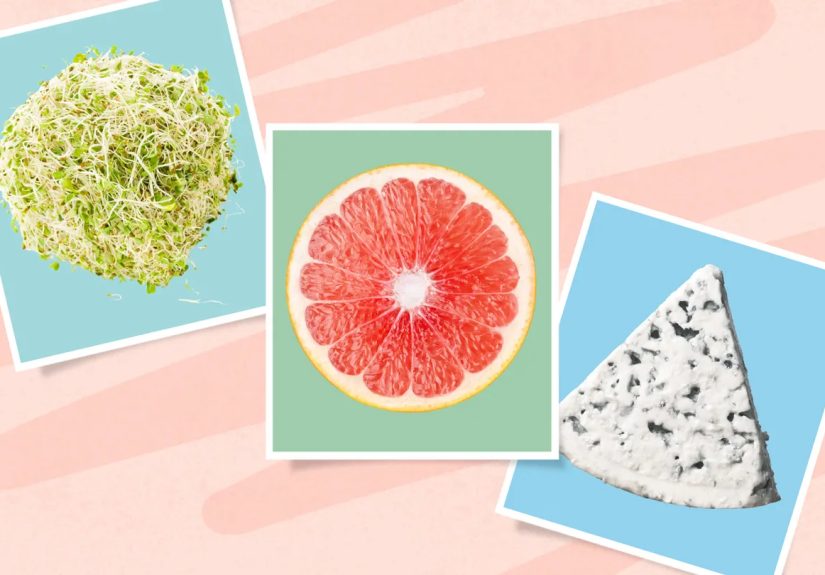
- Raw Sprouts
- Deli Meats, Cold Cuts, and Deli Salads
- Grapefruit and Related Citrus
- Alcohol
- St. John’s Wort
- High-Dose Antioxidant Supplements
- Green Tea Extract and Concentrated EGCG Supplements
- Turmeric or Curcumin Supplements
- Probiotic Supplements Without Oncology Approval
- Foods That Are Not Automatically “Bad,” But May Need a Temporary Timeout
- How to Eat More Safely During Chemotherapy
- The Real-Life Experience of Avoiding Foods and Supplements During Chemotherapy
- Conclusion
Chemotherapy is already doing a lot. Your diet should not also decide to become “an exciting wildcard.” But during treatment, some foods and supplements really can create problems. Sometimes the issue is foodborne illness because chemo can weaken your immune system. Other times, the problem is drug interaction because a supplement, herb, or even a fruit can change how a cancer medication is absorbed, metabolized, or tolerated.
Here is the important truth up front: not every person on chemotherapy needs to avoid every item on this list. Some restrictions are nearly universal when white blood cell counts are low. Others depend on the exact drug, your liver function, your mouth and gut symptoms, and whether you are taking oral chemotherapy, targeted therapy, anti-nausea drugs, steroids, or supportive medications. So think of this as a practical, medically grounded “red flag” list to discuss with your oncology team, not a one-size-fits-all ban hammer.
If you want the short version, it is this: skip the high-risk raw foods, be cautious with alcohol, and do not start any supplement without oncology approval. Even “natural” products can interfere with treatment. Nature, after all, also invented poison ivy.
Why Certain Foods and Supplements Can Be Risky During Chemo
There are two main reasons your care team may tell you to avoid something during chemotherapy.
1. Infection risk
Chemotherapy can lower white blood cell counts, especially neutrophils. When that happens, food that might be only mildly risky for a healthy person can become a much bigger deal. Raw meat, raw fish, unpasteurized products, and certain ready-to-eat foods can carry bacteria, viruses, or parasites that your body may not be able to fight off as effectively.
2. Medication interaction risk
Some foods and supplements can change how chemotherapy drugs are broken down in the body. That can make treatment too strong, causing more side effects, or not strong enough, making it less effective. High-dose antioxidants, herbal blends, concentrated extracts, and certain citrus products are the classic troublemakers.
13 Foods and Supplements to Avoid During Chemotherapy
Raw or Undercooked Meat and Poultry
Steak tartare, undercooked burgers, pink chicken, and any meat that did not quite make it to “fully cooked” should sit this season out. During chemotherapy, the risk is not just an upset stomach. It is a potentially serious infection.
If your immune system is weakened, bacteria such as Salmonella, Campylobacter, or E. coli can hit much harder. Meat and poultry should be cooked thoroughly, handled safely, and kept away from ready-to-eat foods to avoid cross-contamination.
Better swap: freshly cooked chicken, turkey, lean beef, or well-cooked meatloaf. Not glamorous, but neither is food poisoning during chemo.
Raw Fish and Shellfish
Sushi, sashimi, oysters, ceviche, and other raw or lightly cured seafood are common “maybe not right now” foods during chemotherapy. Refrigerated smoked seafood can also be risky in some situations.
Even high-quality raw seafood is still raw seafood. If your blood counts are low, the risk of infection can outweigh the joy of telling yourself sashimi is “light and healthy.”
Better swap: baked salmon, fully cooked shrimp, or canned tuna if it agrees with your stomach and care plan.
Raw or Runny Eggs, Plus Foods Made With Them
Soft-scrambled eggs, sunny-side-up eggs, homemade Caesar dressing, raw cookie dough, homemade eggnog, and anything else made with raw or undercooked eggs deserve suspicion during chemotherapy.
Eggs can carry Salmonella, and that is not the kind of surprise protein boost anyone wants. If a recipe includes eggs that are not fully cooked, use pasteurized eggs or a safe substitute.
Better swap: hard-cooked eggs, fully cooked scrambled eggs, or store-bought products made with pasteurized eggs.
Unpasteurized Milk, Juice, and Raw-Milk Soft Cheeses
Chemo is not a great time to get adventurous with raw milk, farm-fresh unpasteurized cider, or soft cheeses made from unpasteurized milk. Brie, Camembert, blue-veined cheese, feta, and queso fresco are not automatically off-limits, but they need to be clearly labeled as made with pasteurized milk.
The problem here is foodborne bacteria, especially Listeria, which can be dangerous for people with weakened immune systems.
Better swap: pasteurized milk, yogurt if tolerated, and cheeses clearly labeled pasteurized.
Raw Sprouts
Alfalfa sprouts, bean sprouts, clover sprouts, radish sprouts, and their crunchy little cousins often look like health food superheroes. Unfortunately, they are one of the most common high-risk foods for foodborne illness because bacteria can grow during sprouting even under clean conditions.
That means raw sprouts are often on the “no thanks” list during chemotherapy, especially for people with neutropenia or other immune suppression.
Better swap: cooked vegetables, washed greens approved by your care team, or cooked sprouts if allowed.
Deli Meats, Cold Cuts, and Deli Salads
Deli turkey, sliced ham, chicken salad from the counter, egg salad, and macaroni salad from the grocery deli can be risky because they are ready-to-eat foods that may support bacterial growth if handled or stored improperly.
Some care teams recommend avoiding deli foods entirely during chemotherapy; others allow them if reheated until steaming hot. The key point is that cold deli foods are not automatically harmless just because they look convenient.
Better swap: freshly cooked meat sliced at home or deli meat reheated thoroughly if your oncology team says it is okay.
Grapefruit and Related Citrus
Grapefruit seems innocent enough. It is fruit. It is breakfast-adjacent. It looks like it should mind its own business. Yet grapefruit and related citrus such as pomelo, Seville orange, and some similar fruits can interfere with how certain drugs are metabolized.
In cancer care, that matters because some anticancer medications and supportive drugs can end up at higher or lower levels in the bloodstream when grapefruit is involved. This is especially relevant for certain oral cancer therapies and other prescription medicines taken during treatment.
Important nuance: this is not a universal ban for every chemotherapy regimen. It is a check-your-med-list-now issue.
Alcohol
Some people can tolerate an occasional drink during treatment, but many oncology teams recommend limiting or avoiding alcohol during chemotherapy. Why? Because alcohol can worsen dehydration, nausea, diarrhea, mouth sores, reflux, and fatigue. It can also add extra work for the liver, which is already helping process medications.
If you have mouth sores, dry mouth, poor appetite, liver involvement, or significant nausea, alcohol often goes from “maybe” to “absolutely not.”
Better swap: sparkling water, diluted juice if tolerated, electrolyte drinks, or the glamorous classic known as “whatever you can actually keep down.”
St. John’s Wort
This herbal supplement is one of the biggest red flags in oncology nutrition. St. John’s wort is commonly used for mood or sleep-related concerns, but it can speed up the breakdown of certain medications and lower the blood levels of some anticancer drugs. In plain English: it can make treatment less effective.
It can also interact with antidepressants and other prescription medications. So even if it came from a friendly-looking bottle with leaves on the label, it is still a very real interaction risk.
High-Dose Antioxidant Supplements
This category includes large supplemental doses of vitamin C, vitamin E, beta-carotene, selenium, and “antioxidant blends.” The concern is that chemotherapy often works in part by creating oxidative stress that damages cancer cells. High-dose antioxidant supplements may blunt that effect in some situations.
This does not mean you need to fear blueberries, spinach, or normal food. It means concentrated antioxidant pills and powders should not be treated like harmless wellness confetti.
Rule of thumb: getting nutrients from food is usually preferred unless your oncology team specifically prescribes a supplement.
Green Tea Extract and Concentrated EGCG Supplements
A cup of brewed green tea is not the same thing as a concentrated green tea extract capsule. The supplement form can deliver much larger doses of active compounds, including EGCG, and that is where interaction concerns become more serious.
Research suggests green tea extracts may alter how some cancer drugs are absorbed or metabolized, and in rare cases concentrated extracts have been linked to liver problems. That makes “fat burner” products and green tea pills especially worth avoiding unless your oncology team explicitly approves them.
Turmeric or Curcumin Supplements
Cooking with turmeric is not the same as taking high-dose curcumin capsules. Supplement-level doses can interact with medications, affect certain enzymes involved in drug metabolism, and may not mix well with some chemotherapy agents. They can also raise bleeding concerns in some patients.
That means a curry dinner is one conversation, but a concentrated turmeric supplement is a completely different conversation. Your body absolutely notices the difference, even if the label insists it is “natural.”
Probiotic Supplements Without Oncology Approval
Probiotics are often marketed as gentle gut helpers, and for many healthy people they are. But in people who are severely ill or immunocompromised, probiotic supplements have been linked in rare cases to serious infections. During chemotherapy, especially if you have low white blood cell counts, a central line, or mucositis, your team may want you to avoid them unless there is a specific reason to use one.
This does not mean every yogurt is forbidden forever. It means probiotic supplements should not be started casually during treatment.
Foods That Are Not Automatically “Bad,” But May Need a Temporary Timeout
Some foods are not dangerous for everyone on chemotherapy but become a problem when side effects show up. Spicy foods, acidic foods, greasy meals, and rough-textured snacks can be brutal if you have mouth sores, nausea, reflux, diarrhea, or swallowing pain. In those moments, the question is not “Is this food healthy?” It is “Will this food start a personal feud with my mouth or stomach?”
This is why cancer nutrition is personal. A smoothie may be perfect for one patient and intolerable for another. A salad may be fine when counts are stable but not during severe neutropenia. The best chemo diet is not trendy. It is safe, tolerable, and realistic.
How to Eat More Safely During Chemotherapy
- Wash produce well and skip anything bruised, moldy, or past date.
- Cook animal proteins thoroughly and reheat leftovers properly.
- Keep hot foods hot and cold foods cold.
- Avoid cross-contamination by using separate boards and utensils for raw foods.
- Tell your oncology team about every vitamin, herb, powder, tea, tincture, gummy, and “immune booster” you take.
- Ask for a referral to an oncology dietitian if eating has become hard, weird, or emotionally exhausting. All three are valid.
The Real-Life Experience of Avoiding Foods and Supplements During Chemotherapy
On paper, a list like this looks simple. In real life, it can feel surprisingly emotional. Food is not just fuel during chemotherapy. It is comfort, routine, memory, culture, appetite, and sometimes the one thing in the day that still feels normal. So when someone says, “No sushi, no smoothie powder, no herbal tea your neighbor swears by, and maybe skip wine too,” it can land as one more loss in a season already full of them.
Many patients describe the first few weeks of treatment as a constant recalibration. Foods they loved suddenly taste metallic. Favorite drinks smell wrong. A healthy salad sounds virtuous until mouth sores make lettuce feel like chewing paper towels. Someone who used to start every morning with a grapefruit and green tea may find out both are now questionable depending on the medication list. That is not just inconvenient. It is disorienting.
Caregivers feel it too. They want to help, but the rules can seem to change by the day. One week the patient wants scrambled eggs and toast. The next week eggs smell awful and toast is too rough. A family member buys probiotic gummies, turmeric shots, or a giant immune-boosting supplement pack out of love, only to learn that “supportive” is not always the same thing as “safe.” There is often a steep learning curve, and it can come with guilt, frustration, and a lot of label reading in grocery store aisles.
Another common experience is feeling caught between the internet and the oncology team. Online, every food seems either miraculous or dangerous. In reality, chemotherapy nutrition lives in the land of nuance. Patients often do best when they stop chasing miracle foods and start focusing on what is safe, edible, and repeatable. Sometimes that means a beautifully balanced meal. Sometimes it means plain noodles, yogurt, or mashed potatoes at 3 p.m. because that is what works. No gold medal is awarded for suffering through kale.
What helps most is usually a combination of flexibility and communication. Patients who keep a simple food-and-symptom journal often spot patterns faster. Caregivers who ask, “What sounds tolerable today?” instead of “What should you be eating?” tend to get better answers. And people who bring supplements, teas, powders, and vitamins to their appointments, literally in a bag if needed, often get much clearer guidance than those trying to remember every product from memory.
The emotional side matters, too. Losing favorite foods, skipping social meals, or saying no to a celebratory drink can make treatment feel isolating. But many patients also say that once they understand why a food or supplement is risky, the restrictions feel less random and more empowering. It becomes less about fear and more about stacking the odds in their favor. During chemotherapy, that is the real goal: fewer avoidable complications, fewer miserable surprises, and a safer path through a very demanding treatment.
Conclusion
The safest approach to foods and supplements during chemotherapy is not to memorize a dramatic internet blacklist. It is to understand the pattern. Avoid foods that carry a higher infection risk when your immune system is down. Avoid supplements and herbal products that may interfere with treatment. And when in doubt, ask before you swallow.
If there is one takeaway worth taping to the refrigerator, it is this: food first, supplements second, oncology approval always. Your care plan should be built around what keeps you nourished, hydrated, and protected, not what is trending in the wellness aisle.