Table of Contents >> Show >> Hide
- Quick reality check: herbs help… a little. Your routine helps a lot.
- How herbs can support weight loss (without claiming superhero status)
- 13 herbs (and spices) that may help with weight loss
- How to use weight-loss herbs in a way that actually works
- Safety checklist (please read this part, future-you will be grateful)
- FAQ: the questions everyone asks (usually while holding a mug of tea)
- Real-world experiences: how people actually use these herbs (and what they notice)
- Conclusion
If weight loss had a “cheat code,” the internet would have patched it by now. But herbs can still be helpful
not as magic fat-erasing pixie dust, but as flavorful, science-adjacent tools that support habits that actually
move the needle: eating satisfying meals, managing cravings, keeping blood sugar steadier, and making healthy
food taste like something you’d voluntarily eat twice.
This guide breaks down 13 herbs and spices that may support weight management, what research suggests they
do (and don’t do), and easy ways to use them in real lifewithout turning your kitchen into a supplement warehouse.
(Your spice rack has enough pressure as it is.)
Quick reality check: herbs help… a little. Your routine helps a lot.
Most herbs linked to weight loss work in “small wins” territory:
they may slightly increase fullness, reduce mindless snacking, support digestion, or nudge metabolism.
That matters when it helps you stay consistentbut it won’t outrun nightly drive-thru decisions.
Also important: if you’re a teen, pregnant, breastfeeding, have a medical condition, or take medications,
talk with a healthcare professional before using herbal supplements. For many people, the safest approach is
using culinary amounts in food and tea instead of concentrated pills.
How herbs can support weight loss (without claiming superhero status)
- Appetite & cravings: Some herbs may help you feel fuller or reduce snacky impulses.
- Thermogenesis: A few spicy options can slightly increase calorie burn and reduce appetite for some people.
- Blood sugar support: Herbs that may help glucose regulation can indirectly help with cravings and energy crashes.
- Digestion & bloating: Better digestion can make healthy eating feel easier and more comfortable.
- Stress & sleep: When stress is high and sleep is low, cravings tend to get loud.
13 herbs (and spices) that may help with weight loss
You’ll notice a pattern below: the best “weight-loss herbs” often help by making healthier eating more doable
not by melting fat on contact. Think of these as supportive cast members, not the main character.
1) Green Tea
Why it might help: Green tea contains caffeine and catechins (like EGCG), which may modestly increase
energy expenditure and fat oxidation. The effect is typically small, but it can be meaningful if it replaces
sugary drinks and supports consistency.
Try it: Swap one sweet drink a day for hot or iced green tea. Add citrus or mint if you want it less “lawn clippings,” more “refreshing.”
Heads-up: Be extra cautious with green tea extract supplements. Stick to brewed tea unless a clinician advises otherwise.
2) Cayenne Pepper (Capsaicin)
Why it might help: Capsaicin (the “hot” compound) may slightly rev metabolism and help you feel fuller after meals.
Some people also find spicy food slows them down just enough to notice satiety.
Try it: Add a pinch of cayenne to chili, roasted veggies, eggs, or a vinaigrette. Start tiny. You’re aiming for “pleasant warmth,” not “call a fire department.”
Heads-up: If you have reflux, ulcers, or a sensitive gut, spicy foods may backfire. Your stomach’s opinion matters.
3) Ginger
Why it might help: Ginger may support digestion and has been studied for potential effects on body weight and metabolic markers.
Many people also find it helps settle the stomach, which can reduce “I need a snack” confusion that’s really just discomfort.
Try it: Ginger tea after meals, fresh ginger in stir-fries, or grated ginger in smoothies (especially with pineapple or orange).
Heads-up: Ginger can interact with some medications and may not be ideal in large supplemental doses for everyone.
4) Cinnamon
Why it might help: Cinnamon is best known for possible blood sugar support in some contexts.
Steadier blood sugar can mean fewer energy crashes and fewer cravings that feel like an emergency.
Research is mixed, and cinnamon isn’t a replacement for medical carebut it’s a useful flavor tool.
Try it: Cinnamon in oatmeal, yogurt, coffee, roasted sweet potatoes, or sprinkled on fruit.
If you’re trying to cut sugar, cinnamon helps your taste buds feel less betrayed.
Heads-up: Large amounts of certain cinnamon types (especially cassia) aren’t a great idea as a daily supplement routine.
Food amounts are the safest lane.
5) Turmeric
Why it might help: Turmeric (curcumin) is associated with anti-inflammatory and antioxidant effects.
While it’s not a direct “weight loss switch,” inflammation and metabolic health are connectedand turmeric can support an overall health-forward diet.
Try it: Add turmeric to soups, scrambled eggs, roasted cauliflower, or “golden milk.”
Pair it with black pepper and a little fat (like olive oil or milk) to help absorption.
Heads-up: High-dose supplements can interact with medications for some people. Culinary use is the low-drama option.
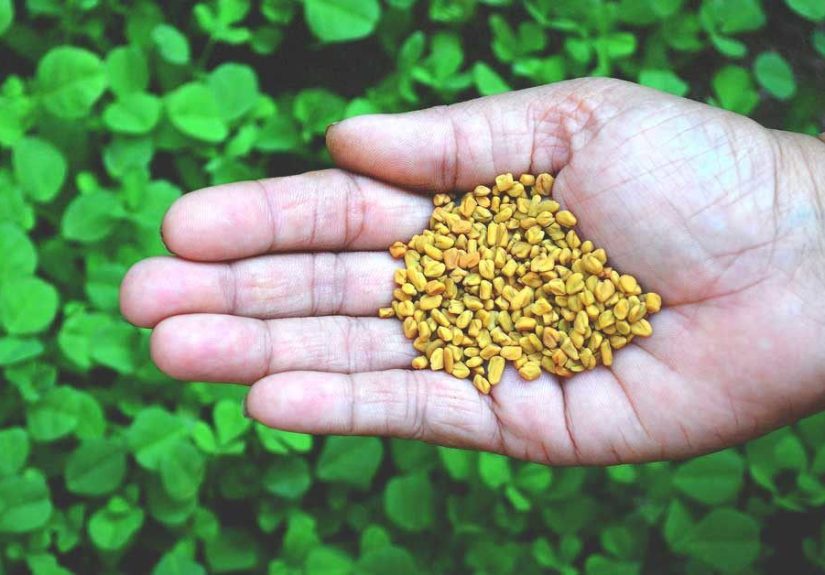
6) Fenugreek
Why it might help: Fenugreek seeds contain fiber and compounds studied for potential blood sugar support.
More stable glucose and better satiety can help reduce grazing.
Try it: Use fenugreek in curries, lentils, and spice blends. It has a slightly maple-like aroma and a pleasantly bitter edge.
Heads-up: Large supplemental doses may cause low blood sugar and can trigger allergic reactions in some people.
7) Ginseng (Asian or American)
Why it might help: Ginseng is often discussed for energy, fatigue, and blood sugar support.
Indirectly, that may help with activity levels and appetite regulation for some peoplebut the evidence varies by type and preparation.
Try it: If you use it, consider food-and-beverage forms (like tea) rather than high-dose supplements.
Heads-up: It can cause insomnia and may interact with medications (including those affecting blood sugar or clotting).
8) Peppermint
Why it might help: Peppermint is a digestion MVP for some people. Less bloating and discomfort can make it easier to eat mindfully.
Plus, a strong minty flavor after meals can act like a natural “kitchen is closed” signal.
Try it: Peppermint tea after dinner, or fresh mint in water, salads, and yogurt sauces.
Heads-up: Peppermint can worsen reflux for some people. If it triggers heartburn, skip it.
9) Dandelion
Why it might help: Dandelion is traditionally used for digestive and fluid-balance support.
If you’re dealing with temporary water retention, it may help you feel less “puffy”but that’s not the same as fat loss.
Try it: Dandelion greens in salads (peppery like arugula), or dandelion tea occasionally.
Heads-up: Dandelion may interact with certain medications (including diuretics and blood sugar meds). Use caution and avoid “mega-dosing.”
10) Garlic
Why it might help: Garlic supports heart-health-friendly eating because it makes nutritious food taste bold without needing much added sugar.
That matters when flavor is the difference between “meal prep” and “cereal again.”
Try it: Roast whole garlic cloves, add to soups, or use fresh minced garlic in sauces and marinades.
Heads-up: Garlic supplements can increase bleeding risk and may interact with certain medications. Food use is generally safer.
11) Black Pepper (Piperine)
Why it might help: Black pepper’s piperine is famous for boosting absorption of other compounds (like curcumin in turmeric).
It’s also being studied for metabolic effects, but the strongest “weight-loss” role is as a supportive teammate to other ingredients.
Try it: Add black pepper to savory foods, and pair it with turmeric-based dishes.
Heads-up: Concentrated piperine supplements can affect how the body handles some medications.
12) Ashwagandha
Why it might help: Ashwagandha is often used for stress and sleep support.
If stress eating is a big factor for you, improving stress response and sleep quality can indirectly help with appetite and cravings.
Try it: If you’re curious, talk to a healthcare professional before using supplementsespecially if you’re a teen or take medications.
For many people, stress management basics (sleep schedule, movement, protein + fiber at meals) are better first steps.
Heads-up: Supplements have been linked to rare liver issues, and it’s not recommended during pregnancy.
13) Holy Basil (Tulsi)
Why it might help: Holy basil is traditionally used as an adaptogenic herb (stress support).
Better stress regulation can mean fewer cravings, fewer late-night snack spirals, and better consistency overall.
It’s not a “direct fat-loss herb,” but it can support the behavioral side of weight management.
Try it: Tulsi tea in the afternoon or evening as a calming ritualespecially if your snack cravings show up when your day gets chaotic.
Heads-up: Evidence is still developing, and supplements can vary in quality. Stick to tea/culinary use unless a clinician guides you.
How to use weight-loss herbs in a way that actually works
- Use herbs to make healthy meals more satisfying. If vegetables taste like sadness, add garlic, ginger, cayenne, black pepper, and turmeric.
-
Build “anti-craving” meals first. Herbs help most when your plate already has protein + fiber + color.
(Translation: chicken + beans + veggies beats “a cinnamon latte and vibes.”) - Replace, don’t just add. Swapping sugary drinks for green tea or dessert-y snacks for cinnamon fruit is where herbs shine.
- Start with food amounts. Supplements concentrate compounds and concentrate risk. Culinary use is the safest training wheels.
- Track your “win condition.” Better energy? Fewer cravings? Less bloating? Those are real progress markers.
Safety checklist (please read this part, future-you will be grateful)
- If you take medications (especially blood thinners, diabetes meds, blood pressure meds), talk to a clinician before supplements.
- If you’re pregnant, breastfeeding, or a teen, avoid experimenting with high-dose herbal supplements without medical guidance.
- Stop if you feel unwell (stomach upset, dizziness, unusual symptoms). “Natural” can still be powerful.
-
Choose quality if you do use supplements: look for independent third-party testing (common examples include NSF/USP).
Remember: supplements aren’t reviewed like prescription drugs. - Don’t combine a bunch of “fat burners.” Stacking stimulants and extracts is the fastest way to turn “wellness” into “why is my heart racing?”
FAQ: the questions everyone asks (usually while holding a mug of tea)
What’s the best herb for weight loss?
If you want the most evidence-backed pick, green tea and capsaicin-containing peppers often lead the conversation
but results are generally modest. The “best” herb is the one you’ll use consistently to make healthier choices easier.
Can herbs replace diet and exercise?
No. Herbs can support appetite, energy, and routine, but they can’t replace balanced eating, sleep, and movement.
Think “helpful assistant,” not “replacement employee.”
Do I need supplements for these herbs to work?
Usually, no. Culinary use (food and tea) is safer and still useful. Supplements may increase potency, but they also increase risk and variability.
How fast will I see results?
If herbs help, most people notice changes in cravings, digestion, or routine firstnot dramatic scale shifts.
When weight changes happen, they’re usually gradual and tied to consistent habits.
Real-world experiences: how people actually use these herbs (and what they notice)
Let’s talk about the part that rarely makes it into clicky headlines: the “experience layer.”
Herbs tend to work best when they change your behavior subtlylike lowering the volume on cravings, making healthy meals taste better,
or turning your afternoon slump into something you can manage without a cookie emergency.
Below are common, realistic patterns people report when they use these herbs in everyday life.
(Not as miraclesmore like small, repeatable nudges.)
The “3 p.m. snack magnet”
A lot of people don’t overeat because they’re “weak.” They overeat because they’re tired, under-fueled, and stuck in a snack loop.
One simple shift: green tea or peppermint tea mid-afternoon. The ritual creates a pause, the warm drink feels satisfying,
and the mild caffeine (for green tea drinkers) helps some people stop mistaking fatigue for hunger.
Pair it with an actual snack that has proteinlike yogurt or nutsand suddenly 3 p.m. is less of a daily boss fight.
The “my healthy food is boring” problem
People who stick with weight-friendly eating patterns usually aren’t surviving on willpower alonethey’ve made their meals enjoyable.
That’s where garlic, ginger, black pepper, turmeric, and cayenne shine.
When roasted vegetables taste like restaurant food (or at least like food you’d invite to a party),
it becomes easier to choose them regularly. Many people notice they’re less tempted to “upgrade” every meal with extra sugar, cheese,
or deep-fried everything because the flavor is already doing the heavy lifting.
The “I’m bloated so I must be gaining fat” spiral
Bloating can mess with your head. You feel heavier, assume you’re failing, and thenbecause life is ironicyou stress-eat.
Some people find digestive-friendly options like peppermint and ginger help them feel more comfortable after meals,
which makes it easier to stay calm and consistent. Others use dandelion greens occasionally because they like the taste and how it fits
into saladsless “detox drama,” more “I ate a vegetable and it wasn’t tragic.”
The “cravings are really stress” reveal
A surprisingly common experience: someone improves sleep and stress management and suddenly their cravings soften.
That’s why adaptogenic herbs like tulsi (holy basil) and, for some adults under medical guidance, ashwagandha,
are often discussed in wellness circles. The helpful part isn’t “fat loss,” it’s the calmer routine:
fewer late-night snack attacks, fewer “I skipped lunch so now I’m ravenous” situations, and more stable energy.
Even without supplements, people often get similar benefits from stress-lowering rituals like an evening tea, a short walk,
or a consistent bedtimehabits that feel small until you realize they change everything.
The “sweet tooth, but make it manageable” strategy
Cutting sugar is hard if your taste buds feel like they lost their best friend.
Many people use cinnamon as a “sweetness amplifier”it makes oatmeal, yogurt, and fruit feel dessert-like without needing much added sugar.
Others use warm spices (cinnamon + ginger, or cinnamon + turmeric in a latte-style drink) to make healthier snacks feel more satisfying.
It’s not about restriction. It’s about building meals that feel like a treat and support your goals.
The most consistent “success story” with herbs looks like this:
they become part of a systembetter-tasting meals, steadier energy, fewer cravings, and rituals that support sleep and stress.
If you want a simple starting point, pick two: one flavor booster (garlic/ginger/turmeric/pepper/cayenne)
and one routine helper (green tea or peppermint/tulsi tea). Use them daily for a couple of weeks and pay attention to what changes
not just on the scale, but in hunger, cravings, and how easy it feels to keep your habits.
Conclusion
Herbs can help you lose weightmostly by helping you eat better, feel better, and stay consistent.
Choose culinary amounts, focus on sustainable habits, and treat supplements like the “advanced level” that requires extra caution.
If you want the biggest payoff, use herbs to make healthy meals taste amazing, support steadier energy, and reduce craving chaos.
Small changes add upespecially when they’re delicious.