Table of Contents >> Show >> Hide
- Why Fallen Twigs Are More Valuable Than They Look
- 18 Smart Things to Do with Fallen Twigs and Sticks in Your Yard
- 1. Build a Brush Pile for Birds and Backyard Wildlife
- 2. Add Small Twigs to Your Compost as “Browns”
- 3. Chip or Shred Branches into Homemade Mulch
- 4. Use Twiggy Branches as Pea Sticks for Short Climbers
- 5. Make a Bean Teepee or Rustic Trellis
- 6. Weave a Wattle Fence
- 7. Build a Dead Hedge
- 8. Edge Garden Beds and Paths
- 9. Fill the Bottom of Raised Beds
- 10. Try a Hugelkultur-Style Bed
- 11. Turn Straight Sticks into Plant Stakes
- 12. Make Simple Plant Markers and Row Guides
- 13. Create a Pollinator and Insect Refuge Corner
- 14. Save Dry Sticks for Kindling
- 15. Propagate New Plants from Healthy Twigs
- 16. Build a Natural Play Structure or Garden Hideout
- 17. Use Branches in Small-Scale Erosion Control
- 18. Know When to Throw Them Out Instead
- A Few Smart Rules Before You Reuse Yard Debris
- Final Thoughts
- Extra Experience: What Happens When You Actually Start Reusing Sticks in the Yard
- SEO Tags
Every yard has that moment. A windy afternoon rolls through, the trees do their annual “light shedding,” and suddenly your lawn looks like nature emptied its pockets. Most people see a mess. Smart gardeners see free mulch, free plant supports, free wildlife habitat, and the world’s most affordable home-improvement aisle.
Fallen twigs and sticks are not just yard waste. In many cases, they are useful organic material that can improve soil, support vegetables, create backyard habitat, and save money on garden supplies. The trick is knowing which pieces to keep, which ones to repurpose, and which ones should go straight to green waste because they may carry disease or pests. Once you start sorting them with purpose, your cleanup routine gets faster, cheaper, and a whole lot more interesting.
If you have ever dragged a pile of branches to the curb while also spending money on mulch, trellises, and compost ingredients, well, your yard may owe you an apology. Here are 18 smart, practical, and genuinely useful things to do with fallen twigs and sticks in your yard.
Why Fallen Twigs Are More Valuable Than They Look
Small woody debris plays several roles in a healthy yard. It can add carbon to compost, break down into organic matter, help retain soil moisture as mulch, and create shelter for birds, insects, and small animals. In other words, that random pile of sticks is not random at all. It is raw material.
A smart approach is to sort your pile into three categories: small twiggy pieces for compost or mulch, straight sturdy branches for garden projects, and questionable wood that looks diseased, infested, or unsafe. That simple system turns yard cleanup from a chore into a supply run.
18 Smart Things to Do with Fallen Twigs and Sticks in Your Yard
1. Build a Brush Pile for Birds and Backyard Wildlife
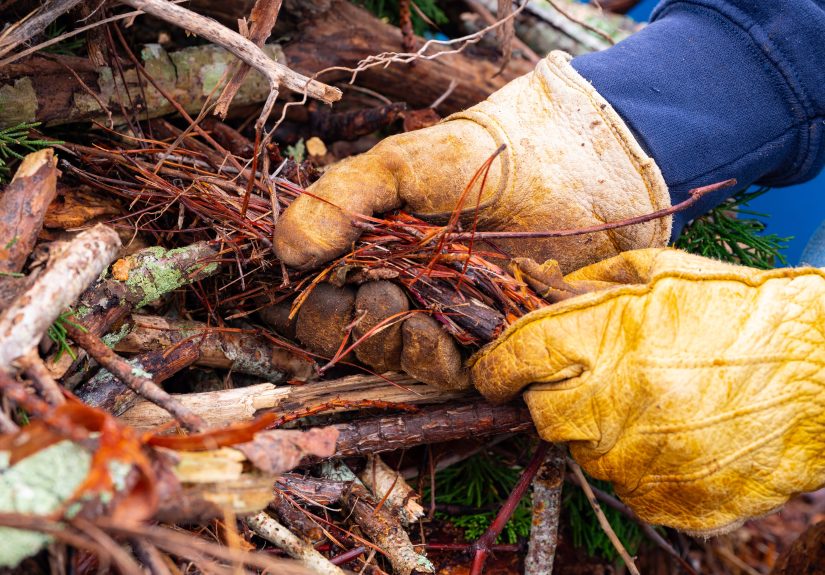
One of the easiest and most beneficial uses for fallen branches is a brush pile. Put larger branches on the bottom and smaller, twiggier material on top. Tuck it into a quiet corner near shrubs or a fence line, and it can become shelter for birds, beneficial insects, frogs, and small mammals. Think of it as a backyard studio apartment for wildlife, except no one complains about the rent.
2. Add Small Twigs to Your Compost as “Browns”
Dry twigs and small stems are carbon-rich materials, which means they can balance out nitrogen-heavy “greens” such as grass clippings and kitchen scraps. Chop or shred them first so they break down faster. Used this way, fallen twigs help create better compost texture and improve airflow in the pile. They are especially useful when your compost starts feeling too wet, slimy, or suspiciously like a science fair gone wrong.
3. Chip or Shred Branches into Homemade Mulch
If you have a chipper or access to municipal shredding, turn fallen sticks into mulch. Wood-based mulch can help moderate soil temperature, reduce weed growth, and conserve moisture around trees, shrubs, and garden beds. Keep it shallow and keep it away from trunks and stems. Mulch volcanoes are not landscaping; they are tree sabotage with good public relations.
4. Use Twiggy Branches as Pea Sticks for Short Climbers
Gardeners have long used branched twigs, often called pea sticks, to support peas and other light climbers. Push the sticks into the soil while plants are young, and the natural branching gives vines something to grab. This method looks softer and more natural than metal supports, costs nothing, and saves you from buying another “rustic” trellis that is really just expensive twine with branding.
5. Make a Bean Teepee or Rustic Trellis
Longer, straighter sticks are perfect for a simple teepee structure for pole beans, cucumbers, or flowering vines. Lash the tops together with jute twine and spread the bottoms in a circle or row. Vertical growing saves space, improves airflow, and can make harvesting easier. Bonus: a twig teepee gives the garden that charming “I absolutely know what I’m doing” look.
6. Weave a Wattle Fence
Flexible branches can be woven between upright stakes to create a wattle fence. This is a practical way to define a bed, edge a vegetable plot, or create a low decorative barrier. Wattle fencing is especially useful when you want structure without buying new materials. It also has that old-world cottage garden feel that makes everything from lettuce to weeds look strangely intentional.
7. Build a Dead Hedge
A dead hedge is like a brush pile with better posture. Drive two parallel rows of sturdy stakes into the ground and pack branches and twigs between them. Over time, the pile forms a tidy, rustic screen that can define spaces, hide less attractive corners, and provide habitat for insects and birds. If your yard has an awkward area near a shed, utility box, or compost pile, this is a smart solution.
8. Edge Garden Beds and Paths
Thicker sticks and short branches can be used to line planting beds or paths. This helps visually separate lawn from garden areas and can keep loose mulch from spilling where it does not belong. It is not a forever material, but it is a useful low-cost edging option for informal beds, woodland gardens, or temporary layouts while you decide what to do long-term.
9. Fill the Bottom of Raised Beds
If you are building a deep raised bed, larger branches can go in the bottom layer before you add compost and soil. This approach reduces the amount of purchased fill needed and lets the wood break down gradually over time. It works especially well for deep beds where the lower layer will not interfere with planting. In short, your sticks can literally take up space so your wallet does not have to.
10. Try a Hugelkultur-Style Bed
For gardeners with a lot of woody debris, a hugelkultur bed is worth considering. This method uses logs, limbs, twigs, leaves, compost, and soil to create a mound or raised bed that decomposes slowly and adds organic matter over time. It is not magic, and it is not the answer to every garden problem, but it can be a useful way to recycle woody material while building a productive planting area.
11. Turn Straight Sticks into Plant Stakes
Many flowers and vegetables benefit from support, especially after heavy rain or a windy week. Straight fallen branches can be cut to size and used as stakes for young tomatoes, peppers, dahlias, or floppy perennials. It is a simple substitution for store-bought stakes and an excellent use for branches that are too small for firewood but too sturdy for compost.
12. Make Simple Plant Markers and Row Guides
Small sticks can be sharpened and labeled for seed rows, herbs, or newly planted perennials. They can also mark where bulbs are planted so you do not accidentally dig them up later while “just cleaning things up.” Rustic garden labels are one of those rare projects that are useful, cute, and almost impossible to overthink.
13. Create a Pollinator and Insect Refuge Corner
Not every insect in the yard is a villain. A quiet pile of twigs near a naturalized area can provide shelter for beneficial insects and overwintering creatures. The idea is not to dump sticks in a random heap in the middle of the lawn, but to create a deliberate, tucked-away habitat corner. Less sterile yards often support more life, and more life usually means a healthier garden ecosystem.
14. Save Dry Sticks for Kindling
Dry, clean sticks can be bundled for kindling if you have a fireplace, fire pit, or wood stove and local rules allow it. Keep them dry, off the ground, and use only healthy wood. One important caution: do not move firewood or stored wood long distances, because pests can hitch a ride. Good kindling is useful. Accidental pest transport is less charming.
15. Propagate New Plants from Healthy Twigs
Some healthy twigs from shrubs and woody plants can be used as cuttings to propagate new plants. Depending on the species, hardwood or softwood cuttings may root when placed in the proper growing medium and kept moist. This works especially well with certain willows, dogwoods, hydrangeas, and other landscape plants. Not every stick becomes a new plant, but the ones that do feel like the gardening equivalent of finding money in a jacket pocket.
16. Build a Natural Play Structure or Garden Hideout
If you have kids or simply enjoy a yard with personality, sturdy fallen branches can be used to create a small stick fort, play frame, or garden hideout. Natural play spaces encourage outdoor exploration and can blend beautifully into a backyard. The result does not need to look like a frontier cabin. Even a simple leaned-together structure can become a place for imagination, reading, or pretending the backyard is far more dramatic than it really is.
17. Use Branches in Small-Scale Erosion Control
On a gentle slope or bare patch, sticks and brush can be arranged to help slow runoff and hold loose mulch or leaf litter in place while plants establish. This is not a cure for major drainage issues, but for small garden areas it can be a practical temporary measure. Think of it as giving rainwater a speed bump instead of a downhill freeway.
18. Know When to Throw Them Out Instead
The smartest thing to do with some sticks is not to reuse them at all. Wood from diseased branches, pest-infested limbs, or suspiciously damaged plants should usually be disposed of properly rather than composted or reused around healthy plants. If a branch shows signs of fire blight, cankers, insect tunneling, or other obvious trouble, do not turn it into mulch and spread the problem around your yard. Sometimes the most strategic recycling choice is restraint.
A Few Smart Rules Before You Reuse Yard Debris
Sort Before You Start
Do not treat every fallen twig the same way. Fine twiggy material is good for compost and habitat. Straight pieces are better for trellises and stakes. Diseased or infested wood belongs in the proper disposal stream. A five-minute sorting habit saves a lot of regret later.
Do Not Pile Mulch Against Tree Trunks
If you chip branches into mulch, spread it in a shallow layer and keep it back from trunks and stems. Trees do not want mulch piled against their bark. They want room to breathe, not a soggy turtleneck.
Use Healthy Wood for Garden Projects
Trellises, edging, and plant stakes should be made from sound, untreated, healthy wood. Rotting pieces can collapse faster than expected, and diseased branches can create avoidable issues in the garden.
Follow Local Rules for Burning or Disposal
Before burning sticks or building large habitat piles, check local ordinances, HOA rules, and wildfire restrictions. Smart yard work still has to coexist with neighbors, weather, and municipal reality.
Final Thoughts
Fallen twigs and sticks are one of the most overlooked resources in a yard. With a little sorting and creativity, they can become mulch, compost, habitat, plant supports, fencing, propagation material, and even garden design elements. The real win is not just saving money. It is creating a yard that works more like an ecosystem and less like a showroom.
So the next time a gusty day leaves your yard scattered with branches, do not immediately see clutter. See a pile of possibilities. Your trees already did the shopping. All that is left is deciding which aisle to visit first.
Extra Experience: What Happens When You Actually Start Reusing Sticks in the Yard
The first experience most homeowners have with fallen twigs is frustration. You rake the lawn, fill a bin, drag branches to the curb, and feel like you have finally “finished” the yard. Then another windy day arrives and the whole performance starts over again. That cycle can make yard maintenance feel wasteful and strangely expensive, because you are throwing away organic material while also buying mulch, tomato stakes, trellises, and compost ingredients from a store.
That is usually the turning point. Once people start looking at sticks as material instead of mess, the entire routine changes. Cleanup gets faster because you are no longer trying to make every trace of nature disappear. You start making quick decisions: the finest twigs go into compost, the prettiest forked branches get saved for peas, the long straight ones go into a future trellis pile, and the chunky, ugly pile becomes habitat in a back corner. Suddenly the yard is not creating endless work. It is supplying useful stuff.
There is also a noticeable shift in how the yard feels. A brush pile near shrubs often brings more bird activity than people expect. A dead hedge or twig border makes a bed look intentional without feeling stiff. Homemade stakes and rustic supports blend into the garden more naturally than shiny hardware-store versions. Even a simple row of branch edging can make a planting bed look warmer and more established. It is one of those rare cases where the practical choice can also be the prettier one.
Another common experience is learning that moderation matters. The goal is not to turn the entire yard into a branch museum. It is to keep the useful material and let go of the rest. A few projects work beautifully; too many can start to look cluttered. Most gardeners eventually find a rhythm: one habitat pile, one support pile, one compost stream, and one honest green-waste bin for the stuff that should not stay. That balance keeps the yard functional, tidy, and ecologically smarter.
Perhaps the biggest surprise is how satisfying it feels to close the loop. When a storm drops limbs, those limbs may later support spring peas, feed summer compost, mulch fall beds, and shelter winter birds. That is a full-cycle yard in action. It saves money, reduces waste, and makes routine cleanup feel less like drudgery and more like resource management. And once you get used to that mindset, it becomes very hard to look at a pile of sticks and think, “trash.” You start thinking, “Well, there goes my free trellis budget for next season.”