Table of Contents >> Show >> Hide
- Before You Decorate: Make Peace With Moisture
- 18 Basement Wall Ideas That Actually Work
- 1. Paint Concrete or Masonry a Soft, Light Neutral
- 2. Go Moody on Purpose
- 3. Add a Wallpaper Accent Wall
- 4. Install Shiplap or Tongue-and-Groove Planks
- 5. Create Board-and-Batten for Instant Architecture
- 6. Try Picture-Frame Molding or a Grid Wall
- 7. Use Full-Height Decorative Wall Paneling
- 8. Build a Plywood Accent Wall for a Budget-Friendly Modern Look
- 9. Tile One Functional Wall
- 10. Leave Brick or Concrete Exposed and Style Around It
- 11. Hang Curtain Panels to Soften a Long Wall
- 12. Turn One Wall Into Built-In Storage
- 13. Create a Gallery Wall With Oversized Art
- 14. Make a Chalkboard, Corkboard, or Magnetic Message Wall
- 15. Add Wall Sconces or Picture Lights
- 16. Use Mirrors to Bounce Light
- 17. Paint the Walls and Trim the Same Color
- 18. Mix Texture, Slats, and Modular Systems for a Custom Feel
- How to Choose the Right Basement Wall Idea for Your Space
- What Homeowners Learn After Actually Beautifying Basement Walls
- Final Thoughts
- SEO Tags
Basement walls rarely get the respect they deserve. They are usually introduced to the family as cold concrete, awkward paneling, or “we’ll deal with that later” drywall. Rude. But with the right design moves, your basement walls can go from bunker energy to bonus-room brilliance. Whether your basement is a media room, laundry zone, guest suite, home gym, playroom, or all five because real estate is expensive and ambition is free, the walls set the tone.
The good news is that making basement walls beautiful does not always require a full renovation. Sometimes it is paint. Sometimes it is paneling. Sometimes it is clever lighting and a little visual mischief. The important part is this: pretty comes after practical. Basements are different from upstairs spaces. They deal with more humidity, less natural light, and more opportunities for walls to act like drama queens. So the best basement wall ideas balance style, durability, and common sense.
Before You Decorate: Make Peace With Moisture
Before you fall in love with wallpaper, wood slats, or a moody charcoal paint color that says “private jazz lounge,” check the basics. Look for cracks, peeling coatings, musty smells, damp spots, efflorescence, and signs of condensation. A beautiful basement wall starts with a dry, stable surface. That may mean sealing masonry, patching cracks, improving drainage, adding a dehumidifier, or choosing mold-resistant finishes. Think of it as skincare for your house: prep first, glow later.
Once the walls are sound, you can move into the fun part. Here are 18 smart, stylish ways to make your basement walls beautiful without turning your budget into a ghost story.
18 Basement Wall Ideas That Actually Work
1. Paint Concrete or Masonry a Soft, Light Neutral
If your basement walls are bare concrete or block, paint is the fastest route to “finished enough to invite people over.” A warm white, pale greige, soft taupe, or light gray can instantly brighten the room and make the ceiling feel higher. On rough masonry, the texture becomes part of the charm. Just use products made for concrete or masonry surfaces and do the prep work first. No paint color in the world can out-cute trapped moisture.
2. Go Moody on Purpose
Not every basement needs to pretend it is sun-drenched. In a media room, game room, lounge, or basement bar, deep tones can look rich and intentional. Think charcoal, espresso, navy, olive, or a warm oxblood. Dark walls can hide architectural awkwardness, reduce glare, and make the space feel cozy instead of cave-like. The trick is pairing them with layered lighting, lighter upholstery, and at least a few reflective surfaces so the room feels dramatic, not dungeon-adjacent.
3. Add a Wallpaper Accent Wall
A single wallpapered wall can do more for a basement than ten motivational signs and a beanbag ever could. Peel-and-stick wallpaper is especially appealing in finished basements because it is budget-friendly, DIY-friendly, and available in patterns that range from subtle linen textures to bold botanicals and geometric prints. Use it behind a sofa, desk, bar, or bed to create a focal point. The rest of the walls can stay simple while one wall gets to be the extrovert.
4. Install Shiplap or Tongue-and-Groove Planks
Wood-look planks bring warmth to a space that is often heavy on concrete, metal, and utility vibes. Painted shiplap can make a basement feel bright and coastal; stained tongue-and-groove can lean rustic, cabin-like, or Scandinavian depending on the finish. Vertical planks can make the ceiling feel taller, while horizontal planks visually stretch a narrow room. If the basement has humidity issues, choose materials and finishes that can handle the environment without warping into modern art.
5. Create Board-and-Batten for Instant Architecture
Some basements are visually flat in the worst way. Board-and-batten fixes that with depth, rhythm, and structure. This treatment adds vertical trim pieces to create a custom built-in look, even if the wall itself is not particularly glamorous underneath. It works beautifully in family rooms, hallways, and stair landings. Paint the whole thing one color for a clean, elevated finish, or use a contrasting wall color above for extra dimension.
6. Try Picture-Frame Molding or a Grid Wall
If you want elegance without going full palace, simple molding can create a refined wall treatment at a reasonable cost. Picture-frame trim, square grid patterns, or long rectangular panels can make plain drywall look tailored and expensive. It is a strong choice for basements that double as guest suites or adult hangout spaces. Bonus: the design is classic enough to survive trend cycles, which is more than we can say for inflatable furniture.
7. Use Full-Height Decorative Wall Paneling
Wall paneling is having a deserved comeback. Modern versions add texture, durability, and visual weight without looking like a time capsule from 1978. Flat panels, fluted panels, beadboard, and raised-profile styles can all work in basements, depending on the room’s personality. Paneling is especially useful when you want walls that feel finished and resilient in high-traffic zones like playrooms, TV rooms, and basement entries.
8. Build a Plywood Accent Wall for a Budget-Friendly Modern Look
Plywood is one of those materials that can look shockingly good when treated with respect. Large, neatly cut panels arranged in a repeating pattern create a warm, modern accent wall with visible wood grain and architectural interest. It is more affordable than many custom wall treatments, and it works especially well in midcentury, minimalist, or organic-modern interiors. Use a clear or lightly tinted finish if you want the wood to do the talking.
9. Tile One Functional Wall
Basements often pull double duty as laundry areas, wet bars, basement bathrooms, or mudroom-style storage zones. In those spaces, tile makes excellent sense. A tiled wall or backsplash adds color and pattern while also protecting the surface from splashes, scuffs, and general chaos. Subway tile feels classic, zellige-style tile adds texture, and larger-format tile can give a more modern, spa-like feel. Practical can still be pretty. Revolutionary, I know.
10. Leave Brick or Concrete Exposed and Style Around It
If your basement has exposed brick, stone, or poured concrete with real character, you do not always need to hide it. Sometimes the most beautiful choice is to let the material be itself. That industrial, loft-inspired look pairs beautifully with warm wood, soft rugs, metal shelving, vintage art, and comfortable furniture. Exposed walls work best when they look intentional, so clean them well, address any moisture issues, and style the room with enough softness to balance the hardness.
11. Hang Curtain Panels to Soften a Long Wall
This is one of the most underrated basement wall tricks. Curtain panels can make a basement feel more finished, especially when windows are small, awkwardly placed, or not numerous enough to carry the room. Mounted high and wide, curtains create softness and visual height. They can also hide storage, utility zones, or less-than-cute sections of wall. In other words, fabric can do a little interior design magic and a little light fraud, and we support both.
12. Turn One Wall Into Built-In Storage
Beautiful basement walls should not just sit there looking decorative. In many homes, they need to earn their keep. Built-in shelving, cabinets, cubbies, or a media wall can make the room more functional while giving it a polished, intentional look. Storage walls are especially effective in family basements where toys, blankets, books, games, and electronics are staging a quiet takeover. Closed cabinets keep clutter hidden; open shelves give you room for baskets, plants, and curated objects that say “I have my life together.”
13. Create a Gallery Wall With Oversized Art
If your basement walls are finished but still feel bland, art can do the heavy lifting. Large-scale pieces help walls feel taller and more important, while a gallery arrangement adds personality and movement. Choose art that suits the room’s function: playful prints for a rec room, vintage posters for a bar area, calm landscapes for a guest room, or black-and-white photography for a sleek media space. Basement walls deserve culture too.
14. Make a Chalkboard, Corkboard, or Magnetic Message Wall
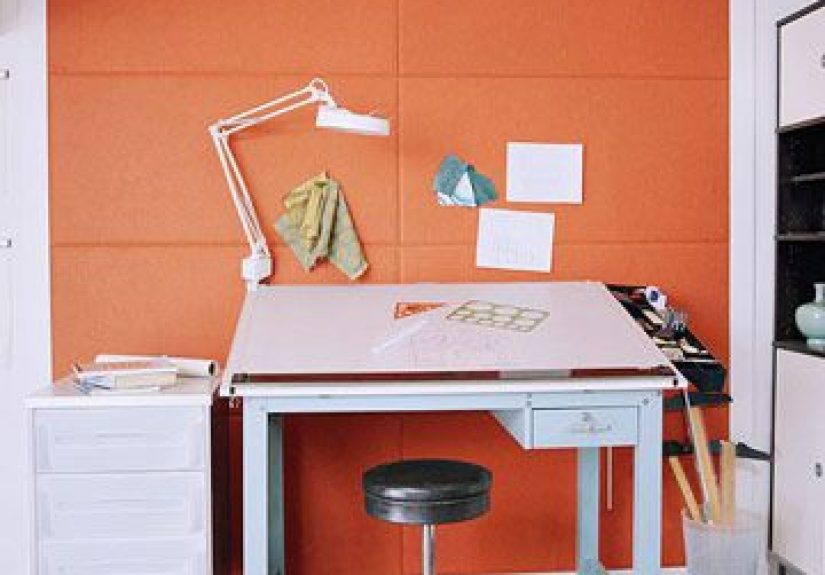
In a family basement, one wall can become a hardworking communication hub. Chalkboard paint, framed cork panels, or a magnetic wall treatment can turn a plain surface into a place for notes, schedules, drawings, menus, and creative chaos. It is especially useful near homework stations, craft tables, or laundry areas. The key is keeping it visually contained so it feels fun and functional, not like the office break room followed you home.
15. Add Wall Sconces or Picture Lights
Basement walls often look dull because the lighting is doing absolutely nothing for them. Add sconces, plug-in wall lights, or picture lights to create warmth, shadow, and visual depth. Lighting can make paint look richer, paneling look more textured, and art look more expensive. It also helps define zones in an open basement layout. When overhead lights are the only plan, walls end up looking flat. Give them a little glow-up.
16. Use Mirrors to Bounce Light
Basements are not known for their generous sunshine. Mirrors can help by reflecting whatever light is available, whether it comes from small windows, lamps, or overhead fixtures. A large mirror leaned against a wall, a row of framed mirrors, or mirrored panels near a light source can make the room feel brighter and more open. This is especially useful if the basement is narrow, window-poor, or trying very hard to feel less subterranean.
17. Paint the Walls and Trim the Same Color
One of the cleanest, most designer-friendly moves you can make is to paint the walls, trim, and even built-ins in the same color. This reduces visual chopping and creates a more seamless, expansive effect. In basements with lower ceilings or lots of corners, pipes, soffits, and transitions, color drenching helps calm the room down. It works with whites, greiges, sages, blues, and darker moody hues. The result is cohesive, modern, and quietly sophisticated.
18. Mix Texture, Slats, and Modular Systems for a Custom Feel
If you want basement walls that feel current, layered, and a little more bespoke, mix materials. A wood slat feature wall, a section of acoustic panels, metal shelving, painted drywall, and a bit of stone or tile can create a custom-designed look without requiring every wall to match. This approach works especially well in multifunctional basements where one side is a gym, another is a lounge, and another is a place where holiday decorations go to hibernate. Texture adds interest. Contrast adds style. A plan keeps it from turning into design soup.
How to Choose the Right Basement Wall Idea for Your Space
The best basement wall treatment depends on three things: moisture conditions, natural light, and how the room is used. If the basement is unfinished and occasionally damp, prioritize sealing, paint, or durable systems designed for below-grade walls. If it is dry and finished, you have more freedom to use wallpaper, trim details, art, and decorative paneling. If the room is dark, lean into light-reflective finishes, lighter colors, and layered lighting. If it is a media room, moody colors and textured walls can feel luxurious.
Also think about maintenance. A basement playroom may need wipeable walls. A guest suite may benefit from softer, more decorative finishes. A laundry wall wants durability. A gym wall may need mirrors or acoustic help. The most beautiful basement walls are the ones that make sense for real life, not just for one glorious afternoon on the internet.
What Homeowners Learn After Actually Beautifying Basement Walls
There is a special kind of optimism that happens at the start of a basement project. You pick a paint swatch, save twelve inspiration photos, and suddenly you are convinced the basement will become the chicest room in the house. Then the real experience begins. The first lesson most people learn is that basement walls always have opinions. They may look dry until a rainy week proves otherwise. They may look smooth until side lighting reveals every bump, patch, and seam like a brutally honest mirror. This does not mean the project is doomed. It just means basements reward patience more than speed.
Another common experience is discovering that color behaves differently downstairs. The creamy white that looked heavenly in the kitchen might turn yellowish or dull in a basement with limited daylight. The dramatic charcoal that seemed elegant online can feel heavy if the room lacks enough lamps, sconces, or reflective finishes. This is why people who end up loving their basement walls usually test paint in multiple spots, look at it morning and night, and accept that lighting is not an accessory. It is a co-designer.
Homeowners also learn that texture matters more than expected. In a basement, flat expanses of drywall can look lifeless, especially in long rooms or open layouts. But add planks, trim, wallpaper, tile, art, or shelving, and suddenly the space feels designed rather than merely finished. Even small changes can have an outsized effect. A single paneled wall behind a sofa can anchor the whole room. A row of sconces can make plain paint feel intentional. Curtains can hide an awkward corner and make the basement feel less like the lower level and more like an actual destination.
One of the biggest practical lessons is that beautiful walls must still allow access. People often regret covering every inch of the basement without thinking about shutoff valves, electrical panels, sump pump areas, or future repairs. The happiest outcomes usually come from balancing aesthetics with flexibility. Removable panels, smart storage walls, and strategic access points save a lot of future frustration. Nothing kills a design victory faster than having to cut into your gorgeous new wall because the plumbing had other plans.
Finally, there is the emotional part. A well-designed basement changes how a home feels. It can turn a neglected lower level into a favorite hangout, a quiet office, a cozy guest retreat, or a family room people actually use every day. That shift is what makes the effort worth it. The walls are not just background. They help the basement feel warm, welcoming, and connected to the rest of the house. And honestly, that may be the best makeover of all: when a space that once stored old paint cans and mysterious holiday bins starts feeling like it belongs to your real life.
Final Thoughts
The best way to make your basement walls beautiful is to combine design ambition with basement realism. Start with dry, healthy surfaces. Then decide whether your space wants brightness, drama, texture, storage, softness, or a little of everything. Paint can transform. Paneling can elevate. Wallpaper can wake up a bland wall. Lighting can rescue almost anything. And when you layer those moves thoughtfully, your basement stops feeling like an afterthought and starts acting like valuable square footage.
In other words, your basement walls do not need pity. They need a plan.