Table of Contents >> Show >> Hide
- Why This Box Size Is So Popular
- What “White Corrugated” Actually Means
- Best Uses for 18 x 18 x 18 in. White Corrugated Boxes
- How to Choose the Right Strength
- Shipping Considerations You Should Not Ignore
- Packing Tips for Better Results
- White Box vs. Brown Box: Which One Wins?
- Who Should Buy 18 x 18 x 18 in. White Corrugated Boxes?
- What Smart Buyers Look For Before Ordering
- Conclusion
- Real-World Experiences With 18 x 18 x 18 in. White Corrugated Boxes
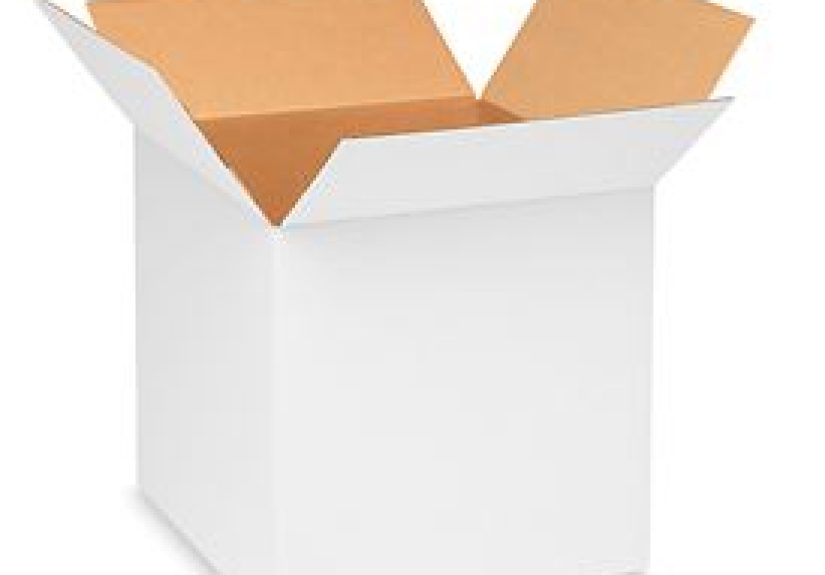
If shipping boxes had a red carpet event, the 18 x 18 x 18 in. white corrugated box would show up looking suspiciously prepared. It is clean, practical, stackable, and just fancy enough to make a shipment look organized instead of “I packed this at 1:14 a.m. with coffee-fueled optimism.” For e-commerce sellers, offices, warehouses, and even households tackling storage projects, this cube-shaped carton hits a sweet spot between roomy and manageable.
That size matters more than it first appears. An 18 x 18 x 18 box offers 5,832 cubic inches of space, or 3.375 cubic feet, which means it can hold a healthy amount of lightweight to medium-weight goods without turning into a cardboard monster. The white exterior adds a polished finish that works well for labels, branding, inventory notes, and gift-like presentation. In plain English: it is not just a box. It is a shipping decision, a storage strategy, and sometimes the difference between “professional” and “Why does this package look like it survived a pirate attack?”
Why This Box Size Is So Popular
The appeal of an 18 x 18 x 18 in. white corrugated box starts with its shape. Because it is a cube, it distributes space evenly and is easier to stack than awkward, extra-long cartons. That makes it useful for inventory shelves, moving-day staging, and parcel prep tables where efficiency matters. You do not need advanced geometry or warehouse wizardry to see the benefit: square-ish things tend to behave better than lopsided ones.
This size is especially useful for items that are bulky but not outrageously heavy. Think apparel bundles, linens, small home goods, toys, light electronics with proper cushioning, craft supplies, seasonal decor, and subscription box assortments. It also works well for businesses that need one flexible carton size for a range of products rather than a dozen oddly specific cartons lurking in a supply closet like cardboard goblins.
What “White Corrugated” Actually Means
“Corrugated” means the box is made from layered paperboard with a fluted middle layer that adds stiffness and crush resistance. That fluted inner structure is why a corrugated shipping box can take more handling than a flimsy folding carton. “White” refers to the outer surface color, which gives the box a cleaner, retail-friendly appearance than standard kraft brown.
White corrugated boxes are popular for businesses that care about presentation. A white exterior makes shipping labels easier to spot, handwritten notes easier to read, and brand stickers a little sharper-looking. If brown boxes say, “I am here to work,” white corrugated boxes say, “I am here to work, but I also brought a lint roller.”
Single-Wall vs. Heavy-Duty Options
Most standard 18 x 18 x 18 in. white corrugated boxes are single-wall cartons, commonly sold with 32 ECT or 200 lb-test style ratings. That is a very normal range for day-to-day shipping, packing, and storage. For heavier or more fragile contents, boxes with the same footprint may also come in stronger double-wall versions. Those are better when the contents are dense, the stack height is high, or the route involves plenty of handling.
In other words, the dimensions tell you how much room you get. The wall construction tells you how brave the box can be.
Best Uses for 18 x 18 x 18 in. White Corrugated Boxes
1. E-commerce Shipping
For online sellers, this box size is a strong all-purpose option for medium to bulky orders. It works well when products are soft, padded, or easy to cushion, such as clothing, pillows, plush items, packaged gift bundles, or grouped retail products. The white finish also helps the shipment look intentional and brand-aware, which is a nice touch when unboxing matters.
2. Office and Warehouse Storage
Cube boxes are useful for organizing archived materials, promotional items, overstock inventory, or event supplies. Their shape makes them easier to label, stack, and count. If a back room looks like it lost a fight with loose merchandise, these boxes can restore peace with surprising speed.
3. Moving and Seasonal Storage
For residential use, 18 x 18 x 18 boxes are a good fit for bedding, decorative pillows, lightweight kitchen goods, toys, and seasonal decorations. They are roomy enough to be helpful but not so huge that every box becomes a regrettable deadlift. That is an underrated feature.
4. Presentation-Friendly Packing
White corrugated boxes are often chosen when the package itself is part of the customer experience. They look cleaner for branded inserts, custom tape, product care cards, or event gifting. If the shipment is going to a client, influencer, subscriber, or corporate recipient, white boxes simply feel more polished.
How to Choose the Right Strength
Choosing the right 18 x 18 x 18 in. white corrugated box is not only about dimensions. You also need to think about product weight, fragility, stacking conditions, and shipping distance.
Use Standard Single-Wall When:
The contents are relatively light, the products already have some internal packaging, and the shipment is not expected to face extreme stacking pressure. Many common shipping programs and office supply listings center around this strength level because it is cost-effective and practical for everyday use.
Move Up to Heavier Construction When:
The contents are dense, breakable, expensive, or headed into a supply chain full of transfers and long transit times. Double-wall boxes make more sense for fragile decor, heavier kits, multiple units packed together, or inventory that may sit stacked for longer periods. This is the cardboard equivalent of upgrading from sneakers to work boots.
Watch the Real Enemy: Overpacking
One of the most common mistakes is choosing a roomy box and then filling it with heavy items just because the space exists. A cube box can tempt people into packing until the tape looks spiritually exhausted. Resist that urge. A well-packed box protects products better than an overstuffed one, even if the overstuffed version seems efficient in the moment.
Shipping Considerations You Should Not Ignore
This box size is convenient, but it is large enough that shipping costs deserve serious attention. Because an 18 x 18 x 18 box equals 5,832 cubic inches, it is well above one cubic foot. That means dimensional-weight pricing can come into play with major carriers, especially when the contents are lightweight. In practical terms, a fluffy product may still get billed like a much heavier parcel because the box takes up so much space in transit.
That is why this carton is best for items that genuinely need the volume. If you are shipping one small object inside a sea of air pillows, the carrier may send you a silent financial lecture in the form of a higher bill.
Measure More Than Once
Carrier charges are tied to the outer dimensions of the packed parcel, not your emotional attachment to a product description. Always confirm the final packed measurements and weight before buying labels in volume.
Know the Length-and-Girth Math
An 18 x 18 x 18 cube comes in under the common 108-inch length-and-girth limit used for many parcel services, which is good news. But “under the limit” does not mean “cheap to ship.” The box still occupies meaningful cubic space, so right-sizing matters.
Packing Tips for Better Results
Use Proper Cushioning
A box this size should not become a rattle chamber. If the contents are fragile or oddly shaped, leave room for cushioning on all sides. Bubble wrap, kraft paper, foam, or air pillows can help prevent movement. The point is not to create a tiny cardboard tornado inside the carton.
Seal It the Right Way
Use quality packing tape and seal the center seam and side seams securely. The classic H-taping method remains a smart move for corrugated cartons because it reinforces the top and bottom closures. Good tape is cheaper than replacement inventory and apology emails.
Label Clearly
The white surface is one of this box’s hidden advantages. Shipping labels, handling instructions, SKU stickers, and warehouse notes stand out clearly. That reduces confusion during picking, packing, and receiving. A neat label on a white box can save more time than people think.
Do Not Leave Empty Space Unmanaged
If the box is only half full, the item can shift, crush a corner, or damage itself during transit. Fill voids intentionally. Empty space is not free. It is chaos waiting for a conveyor belt.
White Box vs. Brown Box: Which One Wins?
Structurally, a white corrugated box and a brown corrugated box can be very similar if they share the same board strength and wall type. The biggest difference is appearance and use case.
Choose white when you want a cleaner, more premium presentation, easier labeling, or a more branded unboxing experience. Choose brown when the priority is basic utility, lower visual expectations, or matching a warehouse’s standard supply program.
For many brands, white boxes are worth the upgrade because they help the package look retail-ready without demanding expensive customization. They are the packaging version of wearing a crisp white shirt instead of the first thing you found on a chair.
Who Should Buy 18 x 18 x 18 in. White Corrugated Boxes?
- E-commerce brands that want a clean, professional shipping presentation
- Subscription businesses that pack bundled products with inserts and tissue
- Offices and warehouses that need one flexible cube size for storage and shipping
- Retail stores sending inventory transfers or customer orders
- Households organizing seasonal items, linens, decor, and lighter moving loads
If your products are lightweight, moderately bulky, and presentation-sensitive, this box is a strong candidate. If your products are small and dense, it may be too much space. If your products are fragile and heavy, you may need a stronger wall construction. The box is excellent, but it is not magic. It cannot fix poor packing choices any more than a chef’s hat can fix burned toast.
What Smart Buyers Look For Before Ordering
- Inside dimensions clearly listed as 18 x 18 x 18 inches
- Board strength or ECT rating stated in the specs
- Single-wall or double-wall construction identified
- Bundle quantity and per-box cost broken out
- Recycled content or recyclability information
- Flat shipping and storage convenience
- Compatibility with your common product mix and packing materials
A good buying decision balances appearance, performance, and shipping economics. The cheapest box is not always the most affordable once damage claims, wasted fill, and dimensional-weight charges start showing up like uninvited party guests.
Conclusion
18 x 18 x 18 in. white corrugated boxes are a practical, professional-looking solution for shipping, storage, and organized packing. Their cube shape makes them easy to stack and versatile to use, while the white exterior adds a cleaner presentation for labels, branding, and customer-facing deliveries. For many businesses, they strike an appealing balance between capacity and convenience.
The trick is using them wisely. Match the box strength to the product, do not overpack it, cushion the contents well, and remember that a large cube can trigger dimensional-weight pricing. When used for the right items, though, this box size earns its keep. It is roomy without being ridiculous, sharp-looking without being fussy, and dependable enough to become a staple in any supply setup.
Real-World Experiences With 18 x 18 x 18 in. White Corrugated Boxes
One of the most common experiences people have with 18 x 18 x 18 in. white corrugated boxes is discovering that the box solves two problems at once: protection and presentation. Small online shops often start with whatever cartons they can find, which usually means a random parade of brown boxes in different shapes. That works for a while, but the workflow gets messy fast. Labels land awkwardly, inserts wrinkle, and packing stations start to feel like a cardboard scavenger hunt. Switching to a consistent white cube box often makes the operation look more organized almost overnight. Packers know what fits, shelves look cleaner, and customers receive something that feels intentional instead of improvised.
Another real-world pattern shows up during seasonal rushes. Around holidays, product assortments get bigger, softer, and more bundle-friendly. Think gift baskets, apparel sets, home fragrance kits, plush toys, or mixed merchandise with tissue paper and marketing inserts. A white 18 x 18 x 18 box handles those combinations nicely because it has enough internal volume for cushioning and arrangement. That matters when the order needs to survive a shipping network and still look good when opened. A cramped box makes everything look stressed. A properly sized cube gives the contents breathing room and makes the unboxing feel less like a wrestling match.
Warehouse teams also tend to appreciate the predictability of this size. Boxes that stack neatly are easier to count, stage, and move. A cube format reduces some of the awkwardness that comes with overly long or oddly narrow cartons. If a company stores extra marketing materials, lightweight retail stock, or event supplies, this size often becomes a reliable utility player. It is large enough to be useful but not so oversized that every lift feels like a test of character. That balance is why many teams keep coming back to it.
There is also a learning curve people talk about after a few shipping cycles: this box is roomy, but that can become expensive if it is misused. Businesses shipping fluffy or lightweight goods sometimes love the presentation at first, then notice higher parcel costs because the carton takes up significant space. That is where experience sharpens judgment. Over time, teams learn to reserve 18 x 18 x 18 boxes for items that truly need the cubic room and move smaller items into tighter cartons. Once that discipline kicks in, the box becomes far more cost-effective. It stops being “the nice-looking box we use for everything” and becomes “the right box for the right orders.”
For households, the experience is a little different but equally practical. People moving or reorganizing closets often find that these boxes are ideal for bulky, lighter goods such as pillows, bedding, stuffed animals, craft supplies, and holiday decorations. The cube shape is easy to stack in garages and spare rooms, and the white exterior makes it simple to write contents on multiple sides without hunting for dark marker ink that shows up on brown kraft. In storage settings, that convenience adds up. Months later, it is much easier to spot “winter pillows,” “tree ornaments,” or “guest room linens” on a white panel than to decode mysterious scribbles on a darker box.
In the end, real-world users tend to remember the same lesson: this box works best when appearance, organization, and moderate-volume packing all matter at the same time. It is not the answer to every shipping challenge, and it is definitely not an invitation to pack bowling balls with blind confidence. But for medium-size, presentation-conscious, lighter-to-midweight applications, 18 x 18 x 18 in. white corrugated boxes repeatedly prove why they remain such a popular choice.