Table of Contents >> Show >> Hide
- How Nutritionists Spot “High-Protein” Picks at Costco
- 20 High-Protein Costco Foods Nutritionists Often Recommend
- 1) Kirkland Signature Organic Greek Yogurt (Plain)
- 2) Cottage Cheese (Plain, Low-Fat or Full-Fat Options)
- 3) Kirkland Signature Organic Hard-Boiled Eggs
- 4) Liquid Egg Whites
- 5) Costco Rotisserie Chicken
- 6) Frozen Chicken Breast (or Kirkland Chicken Breast Chunks)
- 7) Lean Ground Turkey
- 8) Canned Tuna (or Tuna Pouches)
- 9) Sardines (Canned, Often in Olive Oil)
- 10) Salmon (Fresh/Frozen Fillets or Canned)
- 11) Frozen Shrimp
- 12) Extra-Firm Tofu
- 13) Shelled Edamame (Usually Frozen)
- 14) Canned Black Beans
- 15) Canned Chickpeas (Garbanzo Beans)
- 16) Quinoa (Dry or Ready-to-Heat Packs)
- 17) Lentils (Ready-to-Eat Pouches or Canned/Boxed Soups)
- 18) Pumpkin Seeds (Pepitas)
- 19) Protein Bars (Kirkland Signature, RXBAR, or Similar)
- 20) Ready-to-Drink Protein Shakes (Fairlife, Premier Protein, or Similar)
- A Simple “Costco Protein” Mix-and-Match Day
- Real-Life Costco Protein Experiences (A 500+ Word Field Report)
- Conclusion
Costco is basically the Olympics of grocery shopping: big carts, bigger packages, and the occasional sprint when someone whispers,
“The samples are pizza rolls today.” If you’re trying to stock up on high-protein Costco foods, that warehouse-size selection
can be a winif you know what to look for.
Nutritionists (especially registered dietitians) tend to shop protein with a simple strategy: prioritize foods that are
minimally processed, easy to use all week, and balanced with fiber, healthy fats, and producebecause protein is helpful,
but it’s not a magic wand. (It’s more like a sturdy tool belt: useful, but you still need the rest of the toolkit.)
How Nutritionists Spot “High-Protein” Picks at Costco
1) Use a quick label test
A practical rule many nutrition pros use: for snacks, aim for 10+ grams of protein per serving; for meals, think
20–30 grams (depending on age, size, activity, and overall needs). If the serving size is tiny (looking at you, “one cookie”),
adjust expectationsor just acknowledge reality and move on.
2) Balance matters more than “max protein”
Protein works best when it shows up alongside fiber (beans, edamame, quinoa), color (fruit/veg),
and heart-friendly fats (nuts/seeds, salmon). Nutritionists also keep an eye on
sodium, added sugar, and saturated fatespecially in bars, shakes, deli meats, and heat-and-eat meals.
3) Don’t forget the “Costco reality”
Selection changes by region and season. Consider this list a strong starting lineup. If your warehouse carries a different brand,
use the same idea: compare labels, pick the version with more protein and fewer “bonus extras” you don’t need.
20 High-Protein Costco Foods Nutritionists Often Recommend
1) Kirkland Signature Organic Greek Yogurt (Plain)
Greek yogurt is a Costco classic for a reason: it’s high-protein, versatile, and plays nicely with both sweet and savory.
Try it with berries and granola, or use it as a swap for sour cream in tacos. Protein snapshot: often about
18g per 2/3 cup (check your tub’s label).
2) Cottage Cheese (Plain, Low-Fat or Full-Fat Options)
Cottage cheese is having a momentand nutritionists get it. It’s an easy way to add protein to toast, bowls, and even dips.
Mix with fruit and cinnamon, or blend it into a creamy pasta sauce. Protein snapshot: commonly
12–14g per 1/2 cup.
3) Kirkland Signature Organic Hard-Boiled Eggs
The “I forgot to eat breakfast” solution that still feels like a real food. Pair with fruit, add to salads, or mash with Greek yogurt
for a quicker egg salad. Protein snapshot: about 12g per two eggs.
4) Liquid Egg Whites
Egg whites make it simple to boost protein without changing the whole meal. Add to scrambled eggs, oatmeal (yes, really),
or a breakfast burrito. Label tip: choose options with minimal ingredients and compare serving sizesbrands vary.
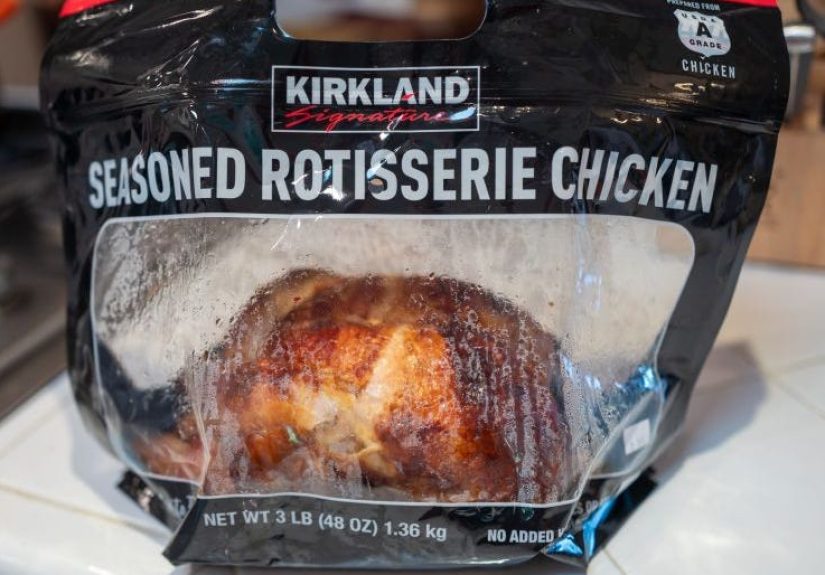
5) Costco Rotisserie Chicken
Dietitians love this for the convenience-to-protein ratio. Use it for tacos, soups, salads, wraps, or quick stir-fries.
Protein snapshot: commonly around 19g per 3 oz. If sodium is a concern, balance it with lower-sodium foods that day.
6) Frozen Chicken Breast (or Kirkland Chicken Breast Chunks)
Frozen chicken is a meal-prep MVP: bake, air-fry, grill, or toss into a sheet-pan dinner. Chunks are especially convenient for salads and bowls.
Protein snapshot: often 20–30g per serving depending on portion sizealways confirm on the package.
7) Lean Ground Turkey
A nutritionist favorite for high-protein dinners that don’t feel repetitive: turkey chili, taco meat, meatballs, lettuce wraps,
or a quick skillet with veggies. Label tip: “lean” and “extra lean” varycompare fat and protein per serving.
8) Canned Tuna (or Tuna Pouches)
Tuna is high-protein and pantry-friendly: mix into salads, add to rice bowls, or make a quick sandwich.
Smart move: vary your seafood choices and pay attention to guidance on mercuryespecially for kids and teens.
Choose “light” tuna more often and rotate in salmon and sardines.
9) Sardines (Canned, Often in Olive Oil)
Not everyone’s first pickuntil they try them smashed on toast with lemon and pepper. Sardines are protein-rich and bring omega-3s to the table.
They’re also a great pantry staple when the fridge looks… emotionally unavailable.
10) Salmon (Fresh/Frozen Fillets or Canned)
Salmon is a protein + omega-3 powerhouse. Bake a fillet with a simple spice rub, flake it into salads, or use canned salmon for salmon cakes.
Bonus: it’s a “rotate-in” option if you’re eating tuna regularly.
11) Frozen Shrimp
Shrimp cooks fast, which makes it great for busy nights: stir-fry, tacos, pasta, or a quick shrimp-and-veggie skillet.
Protein snapshot: commonly around 20g per 3 oz.
12) Extra-Firm Tofu
Tofu is a reliable plant-based protein that soaks up flavor like it’s trying to win an award.
Press it, cube it, season aggressively, and bake or pan-sear. Protein snapshot: often about 9g per 3 oz.
13) Shelled Edamame (Usually Frozen)
Edamame is an easy, snackable plant protein with fiber. Steam it, sprinkle with salt and chili flakes, or toss into salads and grain bowls.
Protein snapshot: frequently about 11g per 1/2 cup.
14) Canned Black Beans
Beans are budget-friendly protein plus fiber (the combo nutritionists love for steady energy). Add to soups, burrito bowls, tacos,
or mix into scrambled eggs. Label tip: choose “no salt added” if you’re watching sodium.
15) Canned Chickpeas (Garbanzo Beans)
Chickpeas can do it all: hummus, sheet-pan roasted snacks, salad toppers, or simmered into curries.
Protein isn’t as high as tuna or chicken, but the fiber + protein pairing makes meals more satisfying.
16) Quinoa (Dry or Ready-to-Heat Packs)
Quinoa brings more protein than many grains and works as a base for bowls, salads, and breakfast porridge.
Cook a big batch and use it three ways: taco bowl, Mediterranean salad, and stir-fry base. Protein snapshot: about 8g per cooked cup.
17) Lentils (Ready-to-Eat Pouches or Canned/Boxed Soups)
Lentils are a nutritionist staple for plant-based protein and fiber. Ready-to-eat pouches can be a weeknight lifesaver:
heat, add spinach, top with a dollop of Greek yogurt, done. Label tip: compare sodium between brands.
18) Pumpkin Seeds (Pepitas)
Seeds are a sneaky way to boost protein in oatmeal, yogurt, salads, and trail mix. Pumpkin seeds also bring minerals like magnesium and zinc.
Protein snapshot: often around 8g per 1/4 cup.
19) Protein Bars (Kirkland Signature, RXBAR, or Similar)
Bars are best treated like “portable insurance,” not the main event. Nutritionists often recommend scanning the label for
a solid protein number and keeping added sugar reasonable. Kirkland-style bars commonly land around 20–22g protein per bar,
while simpler-ingredient bars may be lowerbut still useful.
20) Ready-to-Drink Protein Shakes (Fairlife, Premier Protein, or Similar)
These are popular for a reason: they’re convenient, shelf-stable, and easy to keep at work or in a gym bag.
Many options at Costco provide about 30g protein per bottle. Nutritionists often suggest treating shakes as a bridge:
great when you’re busy, but still pair with whole foods when you can (like fruit, nuts, or a sandwich).
A Simple “Costco Protein” Mix-and-Match Day
Here’s what nutritionists often like: protein spread across the day, with plants and fiber along for the ride.
Adjust portions to your hunger and needsno gold medals for forcing food when you’re not hungry.
- Breakfast: Greek yogurt + berries + pumpkin seeds.
- Lunch: Quinoa bowl with edamame, black beans, salsa, and leftover rotisserie chicken.
- Snack: Cottage cheese with pineapple (or a protein bar if you’re out the door).
- Dinner: Salmon with roasted veggies and a side of chickpeas or lentils.
Real-Life Costco Protein Experiences (A 500+ Word Field Report)
The first time I tried to do a “high-protein Costco run,” I made the classic rookie mistake: I bought a mountain of protein,
then realized I had approximately three ideas for what to do with it. Spoiler: eating rotisserie chicken straight from the container
is technically a plan, but it’s not the vibe for day four.
So I started shopping like a nutritionist wouldless like a contestant on a “Who Can Buy the Most?” game show, and more like a person
with a fridge, a freezer, and a future. The trick was building a cart that came with built-in variety. I’d grab one “instant win”
(rotisserie chicken), one “cook once, eat twice” protein (salmon or ground turkey), and one plant-based option (edamame or lentils).
That combo meant I could make tacos, bowls, soups, and salads without feeling like every meal was the same remix.
The second trick was choosing proteins that naturally create meals. For example, Greek yogurt isn’t just “protein”it’s breakfast,
a snack, and a sauce. One week it became parfaits with berries; the next week it turned into a tangy topping for chili;
later it became the secret ingredient in a quick dip with garlic, lemon, and a pinch of salt. Cottage cheese earned the same
“triple-duty” badge: toast topping, bowl base, and a surprisingly good blender add-in to make sauces creamy without relying on heavy ingredients.
Costco also taught me the value of “lazy meal prep” (said with respect). I’m not talking about lining up fourteen identical containers
like a meal-prep influencer on a mission. I mean: shred the rotisserie chicken when you get home, portion a bag of frozen shrimp
into smaller freezer bags, and cook a pot of quinoa while you’re already in the kitchen. That’s it. Suddenly, weeknight dinners stop being a
stressful question and start being a quick assembly: quinoa + edamame + chicken + sauce, or shrimp + veggies + rice, or salmon + salad kit.
Snacks got easier, too, once I stopped treating them like an afterthought. Hard-boiled eggs became the “grab me when you’re hangry” option,
and pumpkin seeds became the crunchy add-on that made basic meals feel finished. Protein bars and shakes stayed in the rotation,
but I learned to use them strategicallygreat for travel days, long school/work stretches, or when dinner is running late.
Most of the time, the best snack was the boring-but-effective combo: a protein plus a fiber (like cottage cheese + fruit, or yogurt + seeds).
The funniest part is that the most “high-protein” upgrade wasn’t finding exotic products. It was simply having reliable protein ready to go.
Costco made that easierbig packs, predictable staples, fewer shopping trips. Once the basics were covered, eating protein felt less like a project
and more like… normal life. With a slightly larger tub of Greek yogurt than any one household truly needs. But that’s Costco.
Conclusion
The best Costco protein foods aren’t just the ones with the biggest number on the labelthey’re the ones you’ll actually use.
A nutritionist-approved Costco cart usually mixes quick options (Greek yogurt, eggs, shakes) with meal builders (chicken, seafood, turkey),
and plant-based supports (beans, lentils, edamame, quinoa). Keep an eye on sodium and added sugar in packaged items, rotate your seafood choices,
and aim for balanced meals that include fiber and produce. Your future selfstaring into the fridge at 9 p.m.will be genuinely impressed.