Table of Contents >> Show >> Hide
- What Counts as “Rustic” for Window Treatments?
- How to Choose Rustic Window Treatments That Actually Work
- 21 Rustic Window Treatments for a Farmhouse-Style Home
- 1) Linen Drapery Panels (The Farmhouse Classic)
- 2) Drop Cloth Curtains (Budget-Friendly, Shockingly Good)
- 3) Burlap Curtains (Rustic Texture With a Softer Side)
- 4) Grain Sack Stripe Curtains (Vintage Farmhouse, No Time Machine Required)
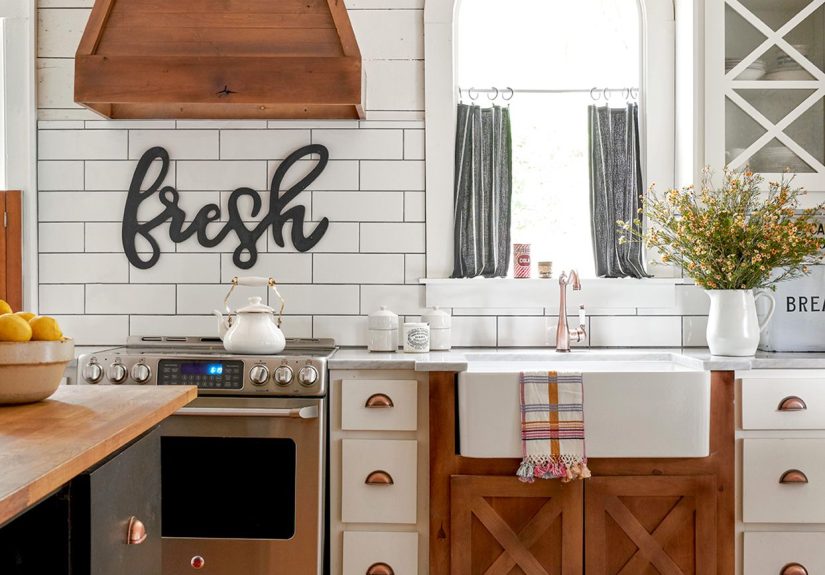
- 5) Café Curtains (Light + Privacy = Kitchen Window MVP)
- 6) Gingham Curtains (Instant Farmhouse Charm)
- 7) Plaid Drapes (Cabin Cozy Meets Farmhouse)
- 8) Ticking Stripe Roman Shades (Tailored, Rustic, and Smart)
- 9) Flat Roman Shades in Chambray or Denim (Rustic Without the Ruffles)
- 10) Woven Wood (Bamboo) Shades (Texture That Never Gets Old)
- 11) Natural Roller Shades (Simple Function, Farmhouse-Friendly)
- 12) Wood Blinds (The “Practical Rustic” Option)
- 13) Plantation Shutters (Farmhouse, But Polished)
- 14) DIY Board-and-Batten Interior Shutters (Rustic DIY Done Right)
- 15) Sliding Barn-Door Style Shutters (A Statement for Wide Windows)
- 16) Reclaimed Wood Valance (Instant “Old Farmhouse” Mood)
- 17) Box-Pleat Fabric Valance (Rustic, But Neat)
- 18) Rustic Wood Cornice Board (Architectural + Cozy)
- 19) Black Iron or Pipe Curtain Rods (Hardware That Means Business)
- 20) Leather, Rope, or Metal Tiebacks (Small Detail, Big Personality)
- 21) The Layered Farmhouse Combo (Shade + Curtain = Best of Both Worlds)
- Quick Room-by-Room Suggestions
- Experience Notes: What Real Farmhouse Windows Teach You (About )
- Conclusion
Farmhouse style is basically the design equivalent of fresh-baked bread: warm, comforting, and somehow makes every room feel friendlier.
And while shiplap gets all the attention (we see you, shiplap), rustic window treatments are the unsung heroes that make a farmhouse-style home feel finished.
The right farmhouse window treatments add softness, filter light, boost privacy, andyescan even help your space feel cozier in every season.
The best part? Rustic doesn’t mean “complicated” or “expensive.” It means natural textures, simple lines, practical function, and a little “I found this at an antique shop” charm
(even if you found it online at 1:00 a.m.). Below, you’ll find 21 ideas you can copy, tweak, and make your ownwhether your vibe is modern farmhouse, vintage country, or “I just want my kitchen window to look less naked.”
What Counts as “Rustic” for Window Treatments?
Rustic farmhouse window coverings usually share a few traits: natural fibers (linen, cotton), earthy textures (woven wood, burlap), classic patterns (gingham, ticking stripe),
and hardware that looks like it could survive a barn renovation (iron, aged brass, weathered wood). They’re meant to feel honest and hardworkinglike a good pair of boots, but for your windows.
How to Choose Rustic Window Treatments That Actually Work
- Start with function: Do you need privacy, glare control, blackout sleep, or just “soften the room” energy?
- Match the room’s job: Kitchens need easy-to-wash options; bedrooms can go heavier and darker; living rooms love layers.
- Pick one “rustic signature” per window: texture (woven shade), pattern (plaid), or material (wood shutters). Too many and it turns into a costume.
- Go taller than you think: Mount rods and shades higher to make windows feel bigger and ceilings feel taller.
21 Rustic Window Treatments for a Farmhouse-Style Home
1) Linen Drapery Panels (The Farmhouse Classic)
Linen curtains are the “white tee” of farmhouse designsimple, timeless, and always flattering. Choose off-white, oatmeal, flax, or soft gray for that relaxed, airy look.
Add a blackout liner if the room needs sleep-level darkness, or keep them unlined for gentle light filtering in a living room.
2) Drop Cloth Curtains (Budget-Friendly, Shockingly Good)
Painter’s drop cloths make fantastic rustic drapes: heavy enough to hang nicely, neutral enough to match everything, and washable enough for real life.
Hem them crisp for a tailored modern farmhouse feel, or keep them slightly casual for a “historic cottage but with Wi-Fi” vibe.
3) Burlap Curtains (Rustic Texture With a Softer Side)
Burlap reads instantly rustic, but it can feel scratchy or let in too much lightso lining is your best friend here.
Use burlap as side panels to frame the window rather than fully cover it, especially in dining spaces where you want texture without the full potato-sack commitment.
4) Grain Sack Stripe Curtains (Vintage Farmhouse, No Time Machine Required)
Grain sack stripesusually navy, charcoal, or black on creamy fabricdeliver that old-world farmhouse look without being loud.
They work beautifully in kitchens, mudrooms, and casual bedrooms. Pair with simple black rod hardware so the stripes feel intentional, not “accidental nautical.”
5) Café Curtains (Light + Privacy = Kitchen Window MVP)
Café curtains cover the bottom half of the window, letting sunlight in while giving you privacy where it counts.
They’re ideal above sinks and in breakfast nooks. Pick linen, cotton muslin, ticking stripe, or tiny gingham for a sweet farmhouse look that doesn’t block your view.
6) Gingham Curtains (Instant Farmhouse Charm)
Gingham is cheerful, classic, and surprisingly versatile. Small-scale checks feel subtle and cozy, while buffalo check makes a bolder statement.
Use gingham for café curtains in kitchens or full panels in guest rooms. Keep the rest of the room calm so the pattern reads “charming,” not “picnic explosion.”
7) Plaid Drapes (Cabin Cozy Meets Farmhouse)
Plaid curtains bring warmthespecially in fall and winterand look great with wood floors and neutral walls.
Choose muted tones (charcoal, tan, navy) for year-round use, and reserve bright reds for seasonal decorating if you don’t want your living room to feel like December forever.
8) Ticking Stripe Roman Shades (Tailored, Rustic, and Smart)
Roman shades give structure and polish without feeling formalperfect for farmhouse style. Ticking stripe adds that “heritage textile” flavor.
They’re great in dining rooms and offices where you want clean lines. Bonus: they pair beautifully with side panels if you love a layered look.
9) Flat Roman Shades in Chambray or Denim (Rustic Without the Ruffles)
Chambray and denim-like fabrics bring a relaxed, hardworking feel that fits farmhouse décor.
Flat Roman shades look crisp when raised and smooth when lowered, which keeps the window looking tidy. This is a great option if you like rustic texture but prefer a cleaner silhouette.
10) Woven Wood (Bamboo) Shades (Texture That Never Gets Old)
Woven wood shades add natural warmth instantlyespecially in open-concept living spaces where you need texture to balance all the white and gray.
They filter light beautifully and feel organic, not fussy. Add white linen side panels for a classic farmhouse combo that looks designer without trying too hard.
11) Natural Roller Shades (Simple Function, Farmhouse-Friendly)
Roller shades don’t have to look modern and sterile. Choose natural-looking fabricsthink woven textures, warm neutrals, or subtle stripes.
They’re especially useful for big windows and doors because they operate easily and keep the space looking uncluttered.
12) Wood Blinds (The “Practical Rustic” Option)
Wood blinds bring farmhouse warmth while keeping light control extremely flexible.
Choose wider slats for a more relaxed, rustic feel. For kitchens and bathrooms, consider faux wood for moisture resistancesame look, fewer regrets when steam happens.
13) Plantation Shutters (Farmhouse, But Polished)
Shutters are timeless, durable, and make a window feel “built-in.” They work especially well in bright spaces where you want privacy without losing daylight.
White shutters lean modern farmhouse; stained wood shutters lean rustic cottage. Either way, they’re the rare choice that looks good open or closed.
14) DIY Board-and-Batten Interior Shutters (Rustic DIY Done Right)
If you love a project, board-and-batten shutters can look authentically farmhouselike they’ve been there since the home’s “before electricity” era.
Use them as functional shutters or decorative panels. Finish with a weathered stain or soft paint, and add simple iron hinges for extra character.
15) Sliding Barn-Door Style Shutters (A Statement for Wide Windows)
Barn-door-inspired shutters or panels add big rustic energy, especially on wide windows, patio doors, or rooms that need strong architectural detail.
Use proper hardware so they slide smoothly, and keep the rest of the window area simplethis treatment is already doing the most (in a good way).
16) Reclaimed Wood Valance (Instant “Old Farmhouse” Mood)
A reclaimed wood valance or header adds warmth and a handmade feelgreat for kitchens, laundry rooms, and casual living areas.
It’s especially useful if you want rustic charm but don’t want fabric near cooking splatter zones. Pair it with a simple shade underneath for privacy.
17) Box-Pleat Fabric Valance (Rustic, But Neat)
A tailored valance in ticking stripe, chambray, or soft neutral linen adds farmhouse charm without covering the whole window.
This is a smart choice for smaller rooms where full drapes feel heavy. It also plays nicely with blinds, shades, or shutters underneath.
18) Rustic Wood Cornice Board (Architectural + Cozy)
A cornice board adds a strong “finished” look and can hide shade hardware for a cleaner window.
Wrap it in grain sack fabric or paint it a soft, worn-in tone. This works especially well in bedrooms and living rooms where you want farmhouse style with crisp lines.
19) Black Iron or Pipe Curtain Rods (Hardware That Means Business)
Curtain rods matter more than people think. Black iron or pipe-style rods add rustic weight and contrast, especially against light walls and airy curtains.
They’re perfect for farmhouse living rooms and bedrooms because they feel sturdy and intentionallike the window treatment has a job and shows up on time.
20) Leather, Rope, or Metal Tiebacks (Small Detail, Big Personality)
Rustic tiebacks are a low-cost upgrade with high visual payoff. Leather straps, knotted rope, or simple metal hooks keep panels pulled back while adding texture.
They also make a room feel “styled,” even if everything else is still a work in progress (we’ve all been there).
21) The Layered Farmhouse Combo (Shade + Curtain = Best of Both Worlds)
Layering is how farmhouse windows go from “nice” to “oh wow.” A woven wood shade or Roman shade gives structure and light control, while linen panels add softness and height.
This approach also helps with privacy and comfortespecially if you pick a more insulating inner layer and keep the curtains airy.
Quick Room-by-Room Suggestions
- Kitchen: café curtains, woven shades, faux wood blinds, or a wood valance + simple shade.
- Living room: linen panels, layered shades + drapes, or woven wood shades for texture.
- Bedroom: lined linen curtains, Roman shades + side panels, or shutters for clean darkness control.
- Bathroom: shutters, faux wood blinds, or moisture-friendly shades (keep fabric minimal unless it’s washable).
Experience Notes: What Real Farmhouse Windows Teach You (About )
If you’ve ever installed window treatments and immediately thought, “Why does this look…off?”welcome to the club. Farmhouse style is forgiving, but windows have opinions.
Here are a few experience-based lessons homeowners and designers tend to learn the practical way (a.k.a. after moving the rod twice and saying words you can’t put on a throw pillow).
First: length changes everything. Curtains that stop awkwardly above the floor can make a cozy farmhouse room feel unintentionally unfinished.
Many people find that floor-length panels (or just kissing the floor) create a calmer, taller lookespecially when you mount the rod higher than the window trim.
It’s one of those “small tweak, big payoff” moves that instantly makes farmhouse windows look more custom.
Second: texture is the secret sauce. Farmhouse rooms often rely on neutral paletteswhites, creams, warm woods, soft blacksso the texture does the decorating.
That’s why woven wood shades, linen, ticking stripe, and even subtle slubbing in fabric can make a window feel richer without adding loud color.
People who switch from smooth synthetic curtains to linen-style panels often say the room finally feels relaxed and real, not “new apartment showroom.”
Third: kitchens are messy, and your window treatment will find out. Over a sink or near a stove, greasy steam and splashes are basically inevitable.
Homeowners who love fabric in the kitchen usually end up happiest with café curtains they can toss in the wash, or a wood valance paired with a simple wipeable shade.
If you want the softness of fabric without the upkeep, using linen-look panels away from the mess zone is a smart compromise.
Fourth: layering solves arguments between “pretty” and “practical.” A common farmhouse struggle is wanting airy curtains for the look, but also needing privacy,
glare control, or temperature comfort. Layering a Roman shade or woven shade under linen panels often fixes that. You can keep the curtains open for style, then drop the shade when the sun gets intense,
the neighbors get curious, or your afternoon Zoom call turns you into a silhouette.
Finally: hardware is not an afterthought. Rustic curtain rods, rings, and tiebacks act like jewelry for the windowsubtle, but they pull everything together.
Plenty of people report that simply upgrading to a black iron rod (and moving it a bit higher) makes even basic curtains look more “farmhouse” instantly.
It’s proof that you don’t always need a total makeoversometimes you just need the right finishing touches and a tape measure you trust.
Conclusion
The best rustic window treatments for a farmhouse-style home aren’t just prettythey’re practical, comfortable, and built for everyday living.
Whether you go with linen panels, woven wood shades, classic café curtains, or statement shutters, choose options that match how your room actually works.
Start simple, add texture, and remember: if it feels warm, relaxed, and a little timeless, you’re doing farmhouse style exactly right.