Table of Contents >> Show >> Hide
- Why a Vintage Aesthetic Still Works So Well
- 23 Ways to Create a Vintage Aesthetic with Flea Market Finds
- 1. Start with one anchor piece
- 2. Hunt for mirrors with age and detail
- 3. Let old books do the heavy styling work
- 4. Mix mismatched seating instead of buying a set
- 5. Grab brass candlesticks whenever you see them
- 6. Use pitchers, jugs, and crocks as everyday vessels
- 7. Frame vintage art, maps, and advertisements
- 8. Build a better bar cart with old glassware
- 9. Layer in rugs with visible wear
- 10. Turn trunks and suitcases into storage with style
- 11. Rescue solid wood side tables
- 12. Display collected ceramics on open shelves
- 13. Use crates, baskets, and boxes for hidden organization
- 14. Prioritize lighting with personality
- 15. Decorate with architectural salvage
- 16. Bring in vintage textiles
- 17. Use silverplate and trays for easy elegance
- 18. Create a gallery wall from small-scale finds
- 19. Style your kitchen with useful old things
- 20. Give the entryway a collected first impression
- 21. Keep some patina instead of over-restoring everything
- 22. Mix eras so the room feels fresh
- 23. Buy the pieces that tell a story
- How to Keep the Look Stylish, Not Cluttered
- What the Flea Market Experience Actually Feels Like
- Conclusion
- SEO Tags
There are two kinds of people at a flea market: the cool-headed shopper with a tape measure and a coffee, and the person who suddenly believes they absolutely need a brass duck-shaped ashtray, three chipped saucers, and a mysterious wooden box “because it has character.” The good news is that both people can build a beautiful home. The better news is that a vintage aesthetic does not require a trust fund, a sprawling farmhouse, or a time machine set to 1974.
When you decorate with flea market finds, you get something big-box stores can only imitate: a home that feels collected instead of copied. Vintage décor adds texture, soul, patina, and that glorious sense that your space did not arrive in one cardboard shipment on a Tuesday afternoon. A flea market room tells a story. It says, “Yes, I do have taste,” but also, “Yes, I did get this lamp for less than the cost of brunch.”
Why a Vintage Aesthetic Still Works So Well
A great vintage look is never about making your home feel like a museum or your grandmother’s attic after a strong espresso. It is about contrast. Clean walls look better with an old gilt mirror. A modern sofa feels warmer next to a weathered side table. Fresh flowers look extra charming in a pitcher that has clearly survived at least three family holidays and one questionable wallpaper era.
The secret is balance. You do not need every piece to be antique. In fact, the best rooms usually mix flea market finds with practical modern basics. That keeps the space useful, comfortable, and visually interesting. The result is layered, relaxed, and personal, which is really the dream. Nobody wants a living room that looks like it was assembled by an algorithm with commitment issues.
23 Ways to Create a Vintage Aesthetic with Flea Market Finds
1. Start with one anchor piece
Choose a single item that sets the tone: a carved dresser, a farmhouse table, a bentwood chair, or a dramatic mirror. One strong vintage anchor gives the room instant character and makes the rest of your decorating decisions easier. It is much simpler to build around one excellent find than to drag home twelve “maybes” and call it strategy.
2. Hunt for mirrors with age and detail
Vintage mirrors do more than reflect your excellent haircut. They bounce light around a room, add architectural interest, and bring in old-world charm. Look for foxed glass, ornate frames, scalloped edges, or aged gold finishes. Even a small vintage mirror on a bookshelf can make a room feel more layered and expensive.
3. Let old books do the heavy styling work
Worn books are one of the easiest flea market finds to use. Stack them on coffee tables, nightstands, and shelves for instant texture. Remove glossy paper jackets if needed, and choose colors that support your palette. Bonus points if the titles are delightfully random. Nothing spices up a room like a faded gardening manual next to a porcelain dog.
4. Mix mismatched seating instead of buying a set
A vintage aesthetic loves the look of chairs that clearly did not come from aisle seven in identical boxes. Mix dining chairs in similar wood tones, combine a bench with side chairs, or use one statement chair in a bedroom corner. The room will feel collected over time, which is exactly the point.
5. Grab brass candlesticks whenever you see them
These are the little black dress of flea market décor. Brass candlesticks work on mantels, dining tables, bookshelves, and entry consoles. Polish them for a brighter, dressier look, or let the patina stay if you want a moodier, more storied vibe. Cluster them in odd numbers and suddenly your room looks like it reads poetry on weekends.
6. Use pitchers, jugs, and crocks as everyday vessels
Stoneware crocks, ironstone pitchers, enamelware jugs, and ceramic vases are endlessly useful. Fill them with flowers, wooden spoons, umbrellas, or branches from the yard you dramatically call “foraged.” These pieces add softness and function, especially in kitchens, mudrooms, and dining areas.
7. Frame vintage art, maps, and advertisements
Original art is fantastic, but flea market walls can also come alive with botanical prints, old landscapes, travel ads, portrait sketches, sheet music, and maps. Reframe cheap finds in better frames, or lean into the old frame if it has charm. Imperfect art often has more personality than brand-new prints trying too hard to feel “curated.”
8. Build a better bar cart with old glassware
Vintage coupes, etched tumblers, silver trays, cocktail shakers, and decanters make any bar setup look polished. Even if your signature drink is sparkling water with a lemon slice and ambition, antique barware creates a grown-up, collected look. A flea market bar cart says “host,” even when dinner is just snacks and a movie.
9. Layer in rugs with visible wear
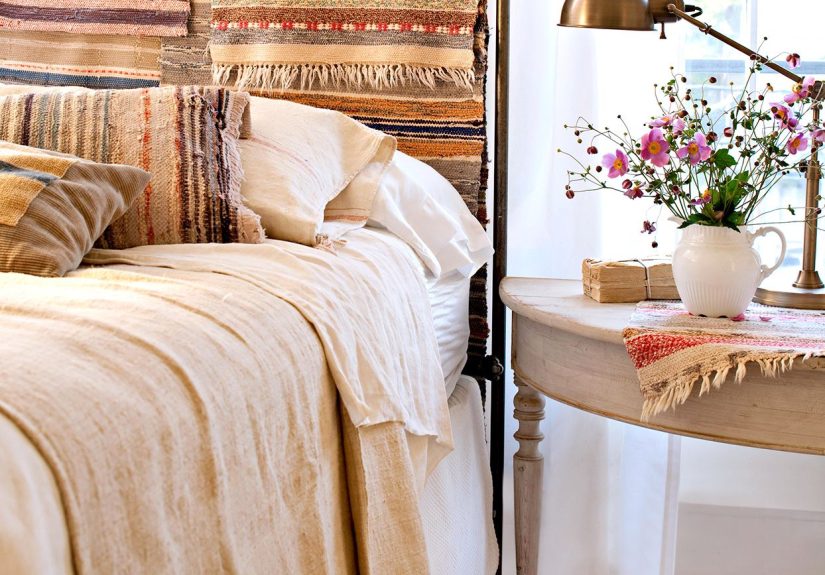
A slightly faded vintage rug can soften a modern room in seconds. The worn colors, imperfect pattern, and lived-in texture add depth underfoot. Layer a smaller vintage rug over a larger neutral one if your budget is limited or your room is oversized. This trick makes the space feel thoughtful, not temporary.
10. Turn trunks and suitcases into storage with style
Old trunks and suitcases are basically beautiful boxes with better backstories. Stack them as side tables, use them at the foot of the bed, or slide them under a console for extra storage. They work especially well in guest rooms, offices, and entryways where you want a little nostalgia without sacrificing practicality.
11. Rescue solid wood side tables
One of the smartest flea market finds is a sturdy side table with good bones. Ignore bad stain colors and focus on shape, joinery, and proportion. A quick clean, wax, or paint update can transform an overlooked piece into something charming and useful. Vintage wood furniture often beats flimsy modern versions by a mile.
12. Display collected ceramics on open shelves
Mismatched bowls, transferware plates, creamers, tureens, and pottery pieces make shelves feel layered and real. Keep the display loose rather than perfectly symmetrical. You want “collected over time,” not “museum gift shop with anxiety.” A few repeated colors or materials will keep the arrangement cohesive.
13. Use crates, baskets, and boxes for hidden organization
Vintage storage is one of the easiest ways to make a room feel charming and useful at the same time. Wooden crates can hold magazines, baskets can hide throws, and old boxes can organize desk clutter. These pieces add texture while quietly doing the boring adult work of keeping your stuff under control.
14. Prioritize lighting with personality
If you find a lamp with a great silhouette, a pleated shade, ceramic base, brass arm, or sculptural presence, pay attention. Vintage lighting brings immediate polish to a room. A secondhand lamp on a console table or bedside table can do more for your vintage décor than a dozen tiny accessories ever could.
15. Decorate with architectural salvage
Old windows, shutters, corbels, doorknobs, ceiling medallions, and salvaged trim pieces add instant history. Hang a weathered window frame as wall décor, use corbels under a shelf, or prop a salvaged door in a hallway as a dramatic accent. These pieces add structure and age without demanding a full renovation budget.
16. Bring in vintage textiles
Quilts, linen napkins, embroidered tablecloths, grain sacks, and lace-trimmed runners add softness and warmth. Drape a quilt over the end of the bed, use antique linens on a table, or turn a beautiful textile into pillow covers. Vintage fabrics make a space feel human, which is a refreshing change from rooms that look afraid of wrinkles.
17. Use silverplate and trays for easy elegance
Silver trays, tea sets, and serving pieces can elevate almost any vignette. Place a tray on an ottoman with books and candles, use one in the bathroom for perfume bottles, or style a dresser with a little silver and glass. Tarnish is not always a flaw. Sometimes it is just visual evidence that the piece has lived a more exciting life than most of us.
18. Create a gallery wall from small-scale finds
Tiny paintings, framed postcards, silhouettes, pressed botanicals, and miniature portraits are flea market gold. Grouping smaller pieces together makes them feel intentional and substantial. It is also a great way to experiment with a vintage look without committing to one giant piece that may or may not fit above the sofa.
19. Style your kitchen with useful old things
Vintage kitchenware is practical, decorative, and often weirdly adorable. Think rolling pins, cutting boards, copper molds, enamel canisters, milk glass, and old utensils. These pieces warm up kitchens that might otherwise feel too sleek or sterile. A kitchen should look like someone actually cooks there, even if that someone mostly reheats leftovers beautifully.
20. Give the entryway a collected first impression
An entry bench, umbrella stand, vintage hooks, small rug, and basket can turn a bland entry into a memorable one. This is a great place to experiment with flea market style because the area is small but high impact. Your home should greet people with charm, not a pile of shoes and a sad wall.
21. Keep some patina instead of over-restoring everything
A vintage aesthetic depends on age showing up in the right places. Scratches, worn edges, crazing, softened finishes, and faded colors can all be part of the appeal. Clean pieces well and make repairs when needed, but do not sand away every sign of life. Character is the whole reason you brought the piece home.
22. Mix eras so the room feels fresh
The best vintage interiors rarely stick to one exact decade. Pair a mid-century lamp with an old farmhouse table, or place traditional art above a modern sofa. Mixing eras prevents the room from looking like a stage set. The goal is a home with personality, not a themed restaurant with surprisingly good wallpaper.
23. Buy the pieces that tell a story
At the end of the day, the most successful flea market finds are the ones that make you feel something. Maybe it is a painting that reminds you of childhood vacations, a chair with a beautiful curve, or a ceramic bowl you have no technical need for but deeply respect. A vintage aesthetic works best when it reflects memory, humor, taste, and curiosity, not just trends.
How to Keep the Look Stylish, Not Cluttered
A vintage home should feel edited, not overcrowded. Give special pieces breathing room. Repeat materials like brass, wood, ceramic, or linen so the room feels cohesive. Pay attention to scale. One giant rustic cabinet in a tiny apartment can feel overwhelming, while a collection of tiny objects without contrast can disappear visually. Think in layers, not piles.
It also helps to shop with a rough plan. Know your measurements, color palette, and what categories your home actually needs. That does not mean you cannot fall in love with something weird and wonderful. It just means your weird and wonderful item has a fighting chance of fitting through the front door and into your life.
What the Flea Market Experience Actually Feels Like
Creating a vintage aesthetic with flea market finds is not just about decorating. It is about the experience of the hunt, which is half strategy, half luck, and half irrational confidence. Yes, that is three halves. That is how flea markets work.
You usually begin with a plan. Maybe you are looking for a vintage mirror, a pair of brass candlesticks, or a rug with faded reds and blues. You tell yourself this will be a focused trip. You will be disciplined. You will not buy anything random. Then, twenty minutes later, you are standing in front of a table full of old hotel silver, enamel pitchers, and a strange ceramic bird, trying to decide whether the bird is chic or cursed. This is normal.
There is something uniquely satisfying about finding a piece that instantly makes sense in your home. Not because it is perfect, but because it has personality. A flea market table with a ring mark on top somehow feels warmer than a flawless new one. An old lamp with a slightly crooked shade has more charm than something mass-produced to look “vintage inspired.” The flaws are part of the magic. They make a room feel lived in, relaxed, and real.
The best part is that the process changes how you decorate. You stop thinking in terms of matching sets and start thinking in layers. You notice shape, patina, materials, and scale. You become the kind of person who gets excited about old frames, chipped ironstone, and bentwood stools. You may also become the kind of person who says things like, “It just needed a little wax and a new shade,” which is how you know the flea market lifestyle has fully taken hold.
Over time, your home begins to look less like a page from a catalog and more like a record of your taste. The pitcher from one market holds branches on your dining table. The stack of old books under a lamp came from a rainy Sunday antique fair. The bench in the entry was a ridiculous bargain you still brag about to anyone who will listen. These pieces do not just fill space. They collect memories.
That is why a vintage aesthetic feels so inviting. It is not stiff, and it is not overly polished. It leaves room for history, humor, and imperfection. It says your home is allowed to evolve. It says beauty can be found in things that are worn, slightly odd, or unexpectedly useful. And honestly, that may be the most comforting decorating philosophy of all. A flea market teaches you that style does not have to be brand new to feel exciting. Sometimes the best thing in the room is the thing with the scratches, the story, and the price tag written in faded marker.
Conclusion
If you want a home that feels warm, personal, and timeless, flea market decorating is one of the smartest ways to get there. Vintage finds bring character that new décor often struggles to fake. They add history, texture, and a collected look that feels effortless even when you absolutely did circle the same booth three times deciding whether you needed another tray.
Start small, shop often, trust your eye, and remember that the best vintage aesthetic is not about perfection. It is about atmosphere. A lamp with patina, a stack of old books, a weathered bench, a beautiful mirror, and a few thoughtful layers can do more than a cart full of trend-chasing accessories. Build your rooms slowly, let them evolve, and enjoy the treasure hunt. Your home will thank you for the personality upgrade.
Note: This article is fully original, cleaned for web publishing, and contains no leftover citation artifacts or placeholder references.
SEO Tags
: