Table of Contents >> Show >> Hide
- How to Build Better Perennial Combinations (Without Overthinking It)
- 24 Perennial Plant Combinations That Look Stunning Together
- 1) Ornamental Onion (Allium) + Catmint (Nepeta)
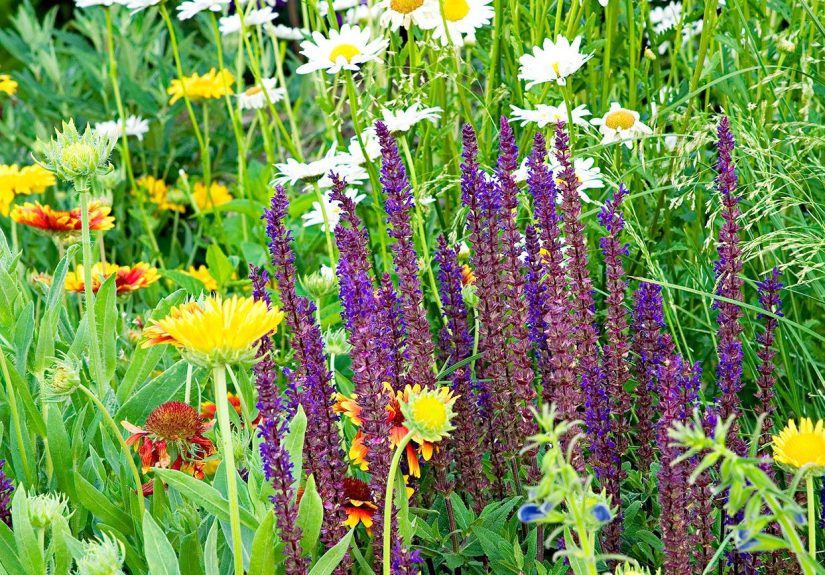
- 2) Salvia + Yarrow (Achillea)
- 3) Purple Coneflower (Echinacea) + Russian Sage (Perovskia)
- 4) Daylily (Hemerocallis) + Coreopsis
- 5) Shasta Daisy + Lavender
- 6) Beardtongue (Penstemon) + Catmint
- 7) Black-Eyed Susan (Rudbeckia) + Switchgrass (Panicum)
- 8) Sedum (Hylotelephium) + Feather Reed Grass
- 9) Bee Balm (Monarda) + Garden Phlox
- 10) Joe-Pye Weed (Eutrochium) + New England Aster
- 11) Butterfly Weed (Asclepias tuberosa) + Blazing Star (Liatris)
- 12) Goldenrod (Solidago) + Aromatic Aster
- 13) Baptisia + Peony
- 14) Iris + Peony
- 15) Coral Bells (Heuchera) + Hosta
- 16) Astilbe + Japanese Painted Fern
- 17) Brunnera + Hellebore
- 18) Lungwort (Pulmonaria) + Foamflower (Tiarella)
- 19) Solomon’s Seal + Epimedium
- 20) Turtlehead (Chelone) + Cardinal Flower (Lobelia cardinalis)
- 21) Blue Cardinal Flower (Lobelia siphilitica) + Ferns
- 22) Japanese Anemone + Hardy Geranium
- 23) Phlox + Coneflower + Little Bluestem
- 24) Rose + Catmint (Yes, still iconic)
- Design Shortcuts for an Even Better Result
- Practical Experience Notes (Extended): What Actually Happens in Real Gardens
- Final Thoughts
If your garden has ever looked amazing in May and then mildly confused by July, welcome to the club. The fix is not buying every pretty plant in the nursery (tempting, yes), but choosing perennial combinations that share the same growing conditions and bring different strengths to the party: one for structure, one for color, one for season-long bloom, one for pollinators, and one that still looks good when everything else is taking a nap in August heat.
In this guide, you’ll get 24 perennial plant combinations that are practical, beautiful, and actually realistic for home gardeners. We’ll focus on pairings and trios that layer height, contrast texture, stretch bloom time, and support bees and butterflies. You’ll also get design logic behind each combo, because a good-looking perennial border is not luck; it’s strategy in a sun hat.
Expect full-sun stunners, shade-loving dream teams, native-inspired pollinator pairings, and a longer “real-world experience” section at the end with lessons gathered from garden trials, extension recommendations, and on-the-ground gardener habits. Let’s make your beds look intentional, vibrant, and low-drama all season.
How to Build Better Perennial Combinations (Without Overthinking It)
1) Match site conditions first, aesthetics second
The fastest way to fail is pairing a drought-tolerant plant with a moisture lover and hoping they “work it out.” Start with sun exposure, soil drainage, and moisture. Then choose color and texture.
2) Use bloom succession
Mix early, mid, and late bloomers so you always have something happening. This is the secret behind gardens that look good for months instead of two weekends.
3) Layer by height and habit
Place taller structural plants toward the back (or center in island beds), medium mounders in the middle, and edging/perennial groundcovers in front. Readability matters in garden design.
4) Contrast texture on purpose
Spikes + mounds, bold leaves + airy flowers, fine foliage + broad foliage. Texture is what keeps a bed beautiful even when bloom is low.
5) Repeat key plants for cohesion
Repetition makes the design feel intentional. If one combo works, echo it in a second spot for rhythm rather than planting every species once.
24 Perennial Plant Combinations That Look Stunning Together
1) Ornamental Onion (Allium) + Catmint (Nepeta)
Why it works: Globe blooms floating above soft lavender-blue mounds create clean contrast.
Best conditions: Full sun, well-drained soil.
Design tip: Use allium as punctuation and catmint as the “color carpet.”
2) Salvia + Yarrow (Achillea)
Why it works: Salvia spires plus flat yarrow plates give shape variation and long summer color.
Best conditions: Full sun, average to dry soil.
Design tip: Deadhead salvia to encourage rebloom and keep the mix humming.
3) Purple Coneflower (Echinacea) + Russian Sage (Perovskia)
Why it works: Pink-purple daisy forms against airy silver-blue haze feels both wild and polished.
Best conditions: Full sun, excellent drainage.
Design tip: Add a clump-forming grass nearby for movement.
4) Daylily (Hemerocallis) + Coreopsis
Why it works: Daylily strappy foliage anchors the bed while coreopsis delivers long cheerful bloom.
Best conditions: Full sun, adaptable soils.
Design tip: Use warm tones (gold, orange) for a summer energy look.
5) Shasta Daisy + Lavender
Why it works: Classic white-and-purple combo with tidy habit and Mediterranean mood.
Best conditions: Full sun, sharply drained soil.
Design tip: Keep spacing generous for airflow and cleaner foliage.
6) Beardtongue (Penstemon) + Catmint
Why it works: Tubular spring-to-early-summer flowers over reliable mounded foliage companion.
Best conditions: Sun to part sun, well-drained soil.
Design tip: Great near paths where pollinator activity can be enjoyed up close.
7) Black-Eyed Susan (Rudbeckia) + Switchgrass (Panicum)
Why it works: Yellow daisies against upright grass blades create prairie-inspired structure and movement.
Best conditions: Full sun, average soil.
Design tip: Works brilliantly in modern landscapes that need low-maintenance punch.
8) Sedum (Hylotelephium) + Feather Reed Grass
Why it works: Succulent mounds and vertical grass plumes carry interest deep into fall and winter.
Best conditions: Full sun, lean to average soil.
Design tip: Leave seedheads standing for cold-season texture.
9) Bee Balm (Monarda) + Garden Phlox
Why it works: Big midsummer color and excellent pollinator traffic.
Best conditions: Sun to part sun, moderate moisture.
Design tip: Choose mildew-resistant cultivars and avoid crowding.
10) Joe-Pye Weed (Eutrochium) + New England Aster
Why it works: Tall late-season nectar station with serious butterfly appeal.
Best conditions: Sun to part sun, medium to moist soil.
Design tip: Put this combo toward the back unless you want a floral privacy screen.
11) Butterfly Weed (Asclepias tuberosa) + Blazing Star (Liatris)
Why it works: Orange umbels with purple spikes equals pollinator magnet and strong color contrast.
Best conditions: Full sun, dry to average soil.
Design tip: Don’t overwater; these are happiest with leaner conditions.
12) Goldenrod (Solidago) + Aromatic Aster
Why it works: Gold and violet in late summer/fall is a classic native-season finale.
Best conditions: Full sun, average moisture.
Design tip: Ignore old mythsgoldenrod is not the main hay fever culprit.
13) Baptisia + Peony
Why it works: Strong spring architecture from baptisia supports peony season, then stays handsome after bloom.
Best conditions: Full sun, well-drained soil.
Design tip: Give both plants room; they dislike frequent moving.
14) Iris + Peony
Why it works: Historic cottage-garden partnership with dramatic spring succession and elegant foliage afterward.
Best conditions: Full sun, good drainage.
Design tip: Keep bearded iris rhizomes near soil surface to encourage flowering.
15) Coral Bells (Heuchera) + Hosta
Why it works: Leaf color fireworks under shade: chartreuse, plum, blue-green, and variegation galore.
Best conditions: Part shade to shade, evenly moist soil.
Design tip: Pair bold hosta leaves with finer heuchera forms for depth.
16) Astilbe + Japanese Painted Fern
Why it works: Feathery plumes and metallic fronds give woodland elegance without demanding full sun.
Best conditions: Part shade to shade, moisture-retentive soil.
Design tip: Add mulch to keep roots cool and moisture steady.
17) Brunnera + Hellebore
Why it works: Spring flowers and season-long foliage interest in shady areas.
Best conditions: Shade to morning sun, humus-rich soil.
Design tip: Let hellebore anchor structure while brunnera lightens edges.
18) Lungwort (Pulmonaria) + Foamflower (Tiarella)
Why it works: Speckled leaves and soft spring bloom create a refined woodland floor effect.
Best conditions: Part shade, evenly moist, organic soil.
Design tip: Excellent under deciduous trees where spring sun is stronger.
19) Solomon’s Seal + Epimedium
Why it works: Arching stems above delicate ground-layer flowers = graceful, layered shade composition.
Best conditions: Part shade to shade, well-drained but moisture-retentive soil.
Design tip: Ideal for quiet “green room” corners of the garden.
20) Turtlehead (Chelone) + Cardinal Flower (Lobelia cardinalis)
Why it works: Late-season bloom in moist beds, with bold color and hummingbird appeal.
Best conditions: Part sun, consistently moist soil.
Design tip: Great near downspouts, rain gardens, or low spots that stay damp.
21) Blue Cardinal Flower (Lobelia siphilitica) + Ferns
Why it works: Intense blue flower spikes popping through green fern textures look naturally curated.
Best conditions: Moist shade to part shade.
Design tip: Use in repeated drifts for a naturalized woodland feel.
22) Japanese Anemone + Hardy Geranium
Why it works: Late-flowering anemones float over sturdy, weed-suppressing geranium mounds.
Best conditions: Part sun, fertile soil with consistent moisture.
Design tip: Gives your garden a graceful “second act” in late summer and fall.
23) Phlox + Coneflower + Little Bluestem
Why it works: Mixed-height trio with long bloom window and prairie movement.
Best conditions: Full sun, average moisture, decent drainage.
Design tip: Keep to a three-color palette for a cleaner, more professional look.
24) Rose + Catmint (Yes, still iconic)
Why it works: Rose formality softened by cool, billowy nepeta; classic and still undefeated.
Best conditions: Full sun, fertile well-drained soil.
Design tip: Catmint hides rose “bare legs,” suppresses weeds, and extends visual bloom impact.
Design Shortcuts for an Even Better Result
- Plant in odd-number drifts (3, 5, 7) for a more natural look.
- Repeat one anchor plant every 6–10 feet to create rhythm.
- Use one “focal” bloom color and two support colors.
- Include at least one foliage-forward perennial in each combo.
- Leave room for mature size. Tiny spacing now becomes jungle wrestling later.
- Cut back selectively; don’t scalp everything in fall if you want winter habitat value.
Practical Experience Notes (Extended): What Actually Happens in Real Gardens
In real-world perennial beds, success is usually less about the “perfect plant list” and more about matching plant temperament to site conditions. Gardeners often discover this after a season or two: the combos that thrive are rarely the ones chosen by flower color alone. For example, a visually gorgeous pairing can fail if one plant wants dry roots and the other wants constant moisture. The difference between a thriving border and a frustrating one is usually this simple: same light, same drainage, same watering rhythm.
Another experience-based lesson is that foliage carries the garden longer than flowers do. Blooms are exciting, but they are time-limited. Well-chosen foliage perennials (heuchera, hosta, ferns, grasses, sedum) keep structure and texture alive before bloom, after bloom, and sometimes all winter. Many experienced gardeners build combinations backward: start with reliable foliage structure, then insert bloom accents as seasonal highlights. This approach makes beds feel intentional and reduces the panic of “nothing is flowering right now.”
Spacing is a third major learning curve. New gardens are often planted too tightly because everyone wants instant fullness. By year three, airflow drops, mildew rises, and division becomes a full-contact sport. Gardeners who leave proper mature spacing usually report healthier plants, fewer foliar issues, and less emergency editing. The bed may look sparse in season one, but the long-term performance is dramatically better. If immediate fullness is important, temporary annuals can be used between young perennials while they establish.
Bloom succession is where experienced perennial growers quietly win. Instead of a single “peak week,” they aim for overlapping waves: spring bulbs and hellebores, early summer salvias and catmint, midsummer coneflowers and phlox, late summer asters and goldenrods. This staggered strategy supports pollinators longer and keeps visual momentum. It also makes maintenance calmer because not everything needs cutting, staking, and deadheading at the exact same time.
Another common observation: mixed plantings are usually easier to repair than monoculture blocks. When one plant declines in a mixed border, replacement can be flexible. In a single-species row, one failure creates a visible mismatch. Mixed combinations also increase visual interest through changing texture and form, so the bed looks dynamic rather than flat. Many trial gardens use this principle to keep displays resilient and attractive across varying weather years.
Finally, good perennial design often comes down to restraint. Gardeners with the best-looking beds often use fewer species, repeated more confidently. They limit the palette, echo key plants, and allow each combo to read clearly from a distance. The result is not boring; it is elegant, coherent, and easier to maintain. In other words, if your garden shopping cart is whispering “buy one of everything,” smile, step away slowly, and buy three more of the same excellent plant instead. Your future self, your pollinators, and your Saturday schedule will all be grateful.
Final Thoughts
The most beautiful perennial combinations are not accidentalthey’re built on compatibility, structure, and bloom timing. Start with conditions, layer heights, contrast textures, and repeat proven pairings. If you do that, your garden won’t just look great in one month; it will look thoughtfully alive from spring through frost.