Table of Contents >> Show >> Hide
- What “Healthy and Low-Calorie” Means for Breakfast Bars
- How to Pick the Right Breakfast Bar for Your Morning
- 25 Best Breakfast Bars: Healthy, Lower-Calorie Brands Worth Stocking
- 1) That’s it. Fruit Bars
- 2) RXBAR Minis
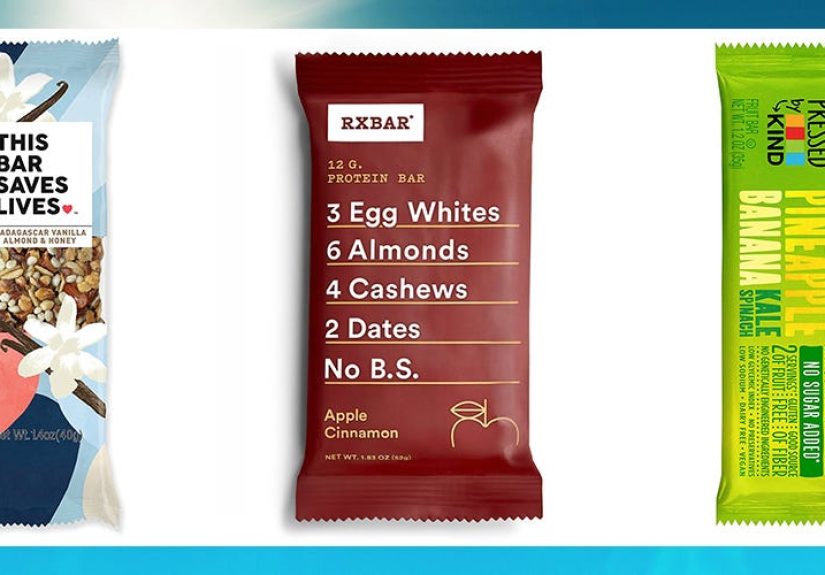
- 3) RXBAR (Original)
- 4) Larabar (Classic)
- 5) Larabar Fruit + Greens
- 6) KIND Healthy Grains Bars
- 7) KIND Minis
- 8) ALOHA Mini Protein Bars
- 9) ALOHA Protein Bars (Full Size)
- 10) GoMacro MacroBars
- 11) GoMacro Kids / Mini Options
- 12) 88 Acres Seed + Oat Bars
- 13) Thunderbird Bars
- 14) Health Warrior Chia Bars
- 15) MadeGood Granola Bars / Granola Minis
- 16) Nature’s Bakery Fig Bars
- 17) Purely Elizabeth Ancient Grain Granola Bars
- 18) Kashi Chewy Granola Bars
- 19) Annie’s Organic Chewy Granola Bars
- 20) Dave’s Killer Bread Organic Snack Bars
- 21) Clif Nut Butter Bars
- 22) IQBAR
- 23) SimplyProtein Snack Bars
- 24) NuGo Slim
- 25) Built Bar (and similar “high-protein, low-sugar” bars)
- Smart Pairings: Turn Any Bar into a Better Breakfast
- Common “Healthy Bar” Traps (and How to Dodge Them)
- Real-World Experience: How People Actually Use Breakfast Bars (500+ Words)
- Conclusion: The Best Breakfast Bar Is the One That Fits Your Life
Mornings are chaotic. The alarm goes off, your brain boots up like an old laptop, and suddenly you’re negotiating with time:
“Shower or breakfast? Can I eat while driving? Is coffee a food group?”
Enter the breakfast bar: portable, no-fork-required, and generally less messy than “one handful of cereal over the sink.”
But not every bar wearing a halo in the snack aisle deserves a crown. Some are basically dessert with better PR.
The goal here is simple: find breakfast bar brands that are healthy-ish, lower calorie, and
actually keep you full until lunch stops looking like a mirage.
What “Healthy and Low-Calorie” Means for Breakfast Bars
“Low-calorie” doesn’t mean “sad.” It means you’re getting real nutrition for a reasonable amount of energyusually
around 90–200 calories for a snack bar, and 150–250 calories if you’re using it as a legit breakfast
(especially if you pair it with fruit, yogurt, or a latte that isn’t secretly a milkshake).
A quick label checklist (use this like a snack-aisle cheat code)
- Added sugar: Aim for 5–7g or less when possible. Lower is great, but “zero” isn’t mandatory.
- Fiber: Look for 3g+ for satiety; higher can be helpful (unless your stomach is not a fan).
- Protein: For a snack bar, 6–10g is a solid target; for “this is my breakfast,” 10–20g is even better.
- Ingredients: If the first ingredient is a whole food (oats, nuts, seeds, dates), you’re usually in a better place.
- Fats: Nuts and seeds? Great. Lots of saturated fat from certain oils? Maybe not your everyday pick.
- Sugar alcohols / ultra-high fiber additives: Helpful for lowering sugar, but sometimes rough on digestion.
One more thing: no bar is perfect for everyone. Allergies, diabetes goals, training, GI sensitivity, and plain old taste
preference all matter. A “healthy” bar you refuse to eat is just pantry décor.
How to Pick the Right Breakfast Bar for Your Morning
If you want “light but not hungry in 20 minutes”
Go for 100–170 calories with fiber and a bit of protein. Fruit-only bars can work,
but pairing them with a protein (Greek yogurt, a handful of nuts) is the difference between “breakfast” and “pre-breakfast.”
If you want a true grab-and-go breakfast
Choose a bar with 10g+ protein and 3g+ fiber, then add something hydrating (water, milk, coffee) and,
if possible, something fresh (fruit). The combo helps you feel satisfied longer than a bar flying solo.
If you’re watching sugar
Prioritize bars sweetened with fruit, nuts, and whole grains, and keep an eye on “added sugars.” If a bar tastes like a brownie,
it may be living its best double life.
25 Best Breakfast Bars: Healthy, Lower-Calorie Brands Worth Stocking
Below are widely available brands that offer options many people consider healthier picksespecially when you choose
lower-sugar flavors and reasonable portions. Nutrition varies by flavor, so think of these as smart starting points.
1) That’s it. Fruit Bars
Minimalist energy: typically just fruit (often “2 ingredients” style). Great for a light bite, school/work bag, or “I need something now” moments.
Pair with protein for a more complete breakfast.
2) RXBAR Minis
The smaller sibling of the classic RXBARgood when you want protein without a big calorie hit. Look for flavors you genuinely like (because “egg white” in the ingredients list can scare people who don’t realize it’s just protein).
3) RXBAR (Original)
More filling than many granola bars because it’s typically higher in protein and built around whole ingredients (dates, nuts, egg whites).
Not always “low-calorie,” but often a strong “busy breakfast” option.
4) Larabar (Classic)
Famous for short ingredient listsoften dates + nuts + flavor add-ins. These can be calorie-dense (nuts are powerful like that),
so they’re best when you need staying power.
5) Larabar Fruit + Greens
A fruit-forward option that can feel like a smoothie in bar form. If you want something lighter and naturally sweet,
this line is a fun twist on the usual oat-heavy bar.
6) KIND Healthy Grains Bars
Oats and grains with a satisfying chew. KIND offers plenty of varietiesaim for those with lower added sugar and a decent fiber/protein balance.
7) KIND Minis
Portion-controlled and genuinely helpful for calorie goals. Great for “small breakfast” days, or when you want a bar + fruit combo.
8) ALOHA Mini Protein Bars
A strong pick if you want a smaller bar with meaningful protein and a less candy-like vibe. Minis are especially useful if you’re trying to stay in a lower-calorie range.
9) ALOHA Protein Bars (Full Size)
Plant-based options that many people like for taste and texture. These can work as breakfast when paired with fruit or coffeeespecially on mornings when cooking is a fantasy.
10) GoMacro MacroBars
Popular for organic, plant-based options and lots of flavors. Some are more calorie-dense, but they can function as a genuine breakfast bar if you’re active or need a fuller start.
11) GoMacro Kids / Mini Options
Smaller sizes can make it easier to keep calories lower while still getting a well-rounded bite. Handy for smaller appetites and snack-style breakfasts.
12) 88 Acres Seed + Oat Bars
Seeds bring crunch, healthy fats, and protein. If you want something nut-free (depending on the variety) and still satisfying,
88 Acres is a smart brand to check.
13) Thunderbird Bars
Often positioned as “real food” energy bars with recognizable ingredients. These can be a great hiking/workday barjust watch portions if you’re strictly calorie-focused.
14) Health Warrior Chia Bars
Chia is small but mighty: fiber, omega-3s, and a surprisingly filling effect for the calorie count. A good “light breakfast” option.
15) MadeGood Granola Bars / Granola Minis
Convenient, lunchbox-friendly, and widely available. If you’re feeding a household (or you are the household),
these are an easy “keep in the car” solutionjust pick lower-sugar flavors when possible.
16) Nature’s Bakery Fig Bars
Soft, cookie-like texture (without being an actual cookie… most days). These are often a crowd-pleaser, and they pair well with protein like milk, yogurt, or a cheese stick.
17) Purely Elizabeth Ancient Grain Granola Bars
A more “ingredient-forward” granola bar vibe featuring ancient grains and a less ultra-sweet taste. Good for people who want something closer to pantry staples than candy-bar energy.
18) Kashi Chewy Granola Bars
A mainstream brand that often leans into whole grains. Choose flavors with lower added sugar and consider pairing with fruit for a more breakfast-like feel.
19) Annie’s Organic Chewy Granola Bars
Another easy-to-find option with kid-friendly flavors. Think of these as a “better snack bar” and upgrade it to breakfast by adding protein on the side.
20) Dave’s Killer Bread Organic Snack Bars
Whole-grain-forward snack bars that can be a good fit for people who prefer a less dessert-y taste. Great for “I need something that feels like food” mornings.
21) Clif Nut Butter Bars
Nut butter adds satisfaction and a more breakfast-friendly texture. These often feel more substantial than classic granola bars,
making them a solid “commuter breakfast” candidate.
22) IQBAR
Lower-sugar, higher-protein style bars that many people use for breakfast when they want something more structured than a granola bar.
If you’re sensitive to certain sweeteners, check the label first.
23) SimplyProtein Snack Bars
Typically designed to be lighter and lower sugar. These can be a smart option when you want protein without a huge calorie load.
24) NuGo Slim
A popular “lower sugar” style bar that can be convenient for calorie-conscious mornings. As with many low-sugar bars, watch for sugar alcohols if your stomach is easily annoyed.
25) Built Bar (and similar “high-protein, low-sugar” bars)
These tend to be higher protein with a candy-bar-like texture, often using sugar alcohols to keep sugar down. Great for people who want dessert vibes with more protein,
but not always ideal if you’re sensitive to certain sweeteners.
Smart Pairings: Turn Any Bar into a Better Breakfast
If you want your breakfast bar to stop acting like an appetizer, pair it with one of these:
- Protein boost: Greek yogurt, cottage cheese, milk, soy milk, or a hard-boiled egg.
- Fiber + volume: An apple, banana, berries, or baby carrots.
- Healthy fats (small portion): A spoon of peanut butter, a few walnuts, or a small trail mix.
- Hydration: Water first. Coffee counts as emotional hydration, but your body still likes water.
Common “Healthy Bar” Traps (and How to Dodge Them)
Trap #1: “It says ‘protein’ so it must be healthy”
Protein helps, but a bar can be high-protein and still be heavy on calories, added sugars, or saturated fat. Check the whole label, not just the headline.
Trap #2: “Zero sugar” means “problem solved”
Sometimes “no added sugar” is awesome. Sometimes it’s replaced with sugar alcohols or intense sweeteners that don’t agree with everyone.
If you’ve ever had a snack that made your stomach feel like it’s auditioning for a drumline, you know what this means.
Trap #3: Serving sizes play mind games
Some packages include two bars, and the nutrition facts are for one. That’s not a conspiracyit’s just… extremely convenient for math to ruin your day.
Check servings per container.
Real-World Experience: How People Actually Use Breakfast Bars (500+ Words)
In real life, breakfast bars rarely live their “perfect morning routine” fantasy. They live in backpacks, glove compartments,
desk drawers, and the mysterious kitchen zone where chargers and takeout menus go to retire. And that’s exactly why they matter:
the best breakfast bar isn’t the one with the most impressive nutrition labelit’s the one you’ll actually eat when mornings get messy.
A common experience when people switch from “random bar” to a healthier, lower-calorie breakfast bar is the first-week surprise:
hunger timing changes. If someone used to eat a sugary bar (or a pastry that counts as “breakfast” only because it happened before noon),
they might notice a mid-morning crash. When they choose a bar with more fiber and protein, the crash often becomes less dramaticmore like a gentle dip
instead of a full-on “why am I staring into the fridge?” moment.
Another real-world pattern: taste recalibration. Bars with lower added sugar can taste less exciting at first if someone’s used to super-sweet snacks.
But after a couple of weeks, many people find that their “sweet tooth volume” turns down a notch. Suddenly, bars that once seemed “not sweet enough”
become “actually fine,” and the ultra-sugary ones start tasting like frosting disguised as breakfast.
Practical experience also teaches a simple truth: a bar alone is sometimes not enough. A lower-calorie bar is greatuntil it’s your only food
and your morning includes commuting, meetings, or chasing kids/pets/your own to-do list. This is why the “bar + something” method works so well.
People who feel best long-term often build a tiny breakfast system:
- Light appetite morning: a fruit bar + coffee + water.
- Normal workday: a granola/protein bar + Greek yogurt or milk.
- High-demand morning: a higher-protein bar + banana + handful of nuts.
There’s also the “GI reality” lesson. Some people try a high-fiber or sugar-alcohol-sweetened bar and learnquicklythat their body has opinions.
The experience usually looks like this: Week one, they pick a bar that’s technically impressive. Week two, they pick a bar that’s impressive
and doesn’t cause regret. The takeaway isn’t “avoid all fiber” or “avoid all sweeteners.” It’s “test what works for your body.”
Many people do best rotating a few trusted bars instead of forcing one “perfect” option every day.
Finally, the biggest long-term experience shift is psychological: having reliable breakfast bars around reduces decision fatigue.
When mornings are hectic, the brain wants simple, repeatable choices. People who keep two or three go-to brands (plus a backup stash)
often find they skip fewer breakfasts and make fewer “I’ll just grab something later” decisions that turn into vending-machine roulette.
If a breakfast bar helps you eat something steady and balancedwithout dramait’s doing its job.
Conclusion: The Best Breakfast Bar Is the One That Fits Your Life
Healthy and low-calorie breakfast bar brands can absolutely support better morningsespecially when you treat them like a tool, not a magic spell.
Read labels like a detective, pick bars with reasonable sugar and meaningful fiber/protein, and don’t be afraid to upgrade your bar into a real breakfast
with a simple pairing. Your future self (and your 10:30 a.m. mood) will thank you.