Table of Contents >> Show >> Hide
- Why Purple Works So Well in Bedrooms
- 25 Purple Bedroom Ideas That Deserve a Crown
- 1. Pale Lavender Walls With Crisp White Bedding
- 2. A Moody Plum Accent Wall Behind the Bed
- 3. Color-Drenched Aubergine for Maximum Cocoon Energy
- 4. Mauve as the New Neutral
- 5. Lilac Wallpaper With a Soft Sheen
- 6. A Purple Upholstered Headboard as the Star
- 7. Lavender and Natural Wood for a Grounded Look
- 8. Deep Purple With Brass Accents
- 9. Periwinkle-Purple for a Breezier Feel
- 10. Purple Trim Instead of Purple Walls
- 11. Layered Purple Bedding for a Subtle Approach
- 12. Purple and Green for a Classic, Lush Pairing
- 13. Orchid and Cream for Soft Elegance
- 14. A Purple Canopy for Drama Overhead
- 15. Dusty Violet With Gray for Modern Calm
- 16. Purple Floral Prints That Feel Fresh, Not Fussy
- 17. Eggplant Walls in a Small Bedroom
- 18. Lavender Ceiling for an Unexpected Twist
- 19. Jewel-Tone Purple With Sapphire and Emerald Accents
- 20. Purple and Black for a Luxe Boutique-Hotel Mood
- 21. Lavender With Blush Pink for a Soft Romantic Mix
- 22. Purple Bedroom Art Instead of Purple Paint
- 23. Velvet Purple Bench at the Foot of the Bed
- 24. Lavender Paired With Warm White and Texture
- 25. Full Royal Plum With Pattern, Trim, and Confidence
- How to Keep a Purple Bedroom Stylish Instead of Overwhelming
- Real-Life Experiences With Purple Bedrooms
- Conclusion
- SEO Tags
There are colors that decorate a bedroom, and then there are colors that arrive like they own a small castle somewhere in the countryside. Purple is firmly in the second category. It can be soft and sleepy, moody and dramatic, playful and modern, or unapologetically luxurious. In other words, it is the rare shade that can whisper “serene retreat” while also casually wearing a velvet cape.
If you have ever worried that purple might feel too sweet, too dark, too flashy, or too “my middle-school self would have loved this,” good news: today’s purple bedroom ideas are far more sophisticated. Lavender can feel airy and calming. Mauve can act almost like a neutral. Plum and aubergine can create a rich cocoon effect that makes a bedroom feel expensive even when your budget says otherwise. Add the right mix of texture, lighting, and companion colors, and purple becomes less of a risk and more of a power move.
This guide rounds up 25 purple bedrooms that are fit for royalty, whether your taste leans dreamy and romantic or dramatic and editorial. Expect plenty of inspiration, practical design ideas, and a few reminders that yes, your bedroom absolutely deserves to feel a little fancy.
Why Purple Works So Well in Bedrooms
Purple has range. Lighter shades like lilac, lavender, and orchid can create a peaceful, almost cloudlike atmosphere. Mid-tones such as mauve and dusty violet feel grown-up and versatile, especially when paired with warm wood, cream textiles, or brushed brass. Then you have the darker end of the spectrum: plum, eggplant, and aubergine. Those shades bring depth, intimacy, and a slightly theatrical mood that somehow still feels cozy enough for sleep.
The trick is balance. Purple looks its best when it has supporting actors that know their lines. Crisp white keeps it fresh. Soft gray tones it down. Olive green and forest green make it richer. Natural wood gives it warmth. Metallic accents, especially brass and antique gold, bring out that regal side without making the room look like it is trying too hard. Purple is dramatic, sure, but even drama benefits from good lighting and a sensible throw blanket.
25 Purple Bedroom Ideas That Deserve a Crown
1. Pale Lavender Walls With Crisp White Bedding
This is the gateway purple bedroom. If you are purple-curious but not ready to commit to full palace mode, pale lavender walls paired with white bedding are an easy win. The look feels clean, soft, and calm, with just enough personality to avoid defaulting into “nice rental beige.”
2. A Moody Plum Accent Wall Behind the Bed
Want instant drama without repainting the whole room? A plum accent wall behind the headboard delivers depth and focus. It frames the bed beautifully and makes even simple linen bedding look intentionally styled instead of accidentally unfolded.
3. Color-Drenched Aubergine for Maximum Cocoon Energy
Painting the walls, trim, and even the ceiling in a deep aubergine creates a wrapped-up, cocooned effect that feels luxurious and intimate. This works especially well in bedrooms where you want mood over brightness. Add layered lighting so it feels seductive, not cave-like.
4. Mauve as the New Neutral
Mauve is what happens when purple learns restraint. It is muted, elegant, and surprisingly easy to live with. Use it on walls or upholstery if you want a bedroom that feels warm and polished without announcing itself from three zip codes away.
5. Lilac Wallpaper With a Soft Sheen
A lilac wallpaper with subtle texture or sheen can add dimension without overwhelming the room. Florals, tone-on-tone geometrics, or delicate botanical prints keep the space interesting while still feeling restful. It is fancy, but approachable fancy.
6. A Purple Upholstered Headboard as the Star
If painting feels like too much commitment, let the headboard do the talking. A velvet or linen headboard in violet, grape, or dusty lavender makes the bed the focal point and introduces color in a way that feels easy to update later.
7. Lavender and Natural Wood for a Grounded Look
One of the smartest ways to keep purple from feeling overly sugary is to pair it with oak, walnut, or other natural wood finishes. The wood adds warmth and texture, while lavender keeps the room light and dreamy. Together, they look collected instead of theme-y.
8. Deep Purple With Brass Accents
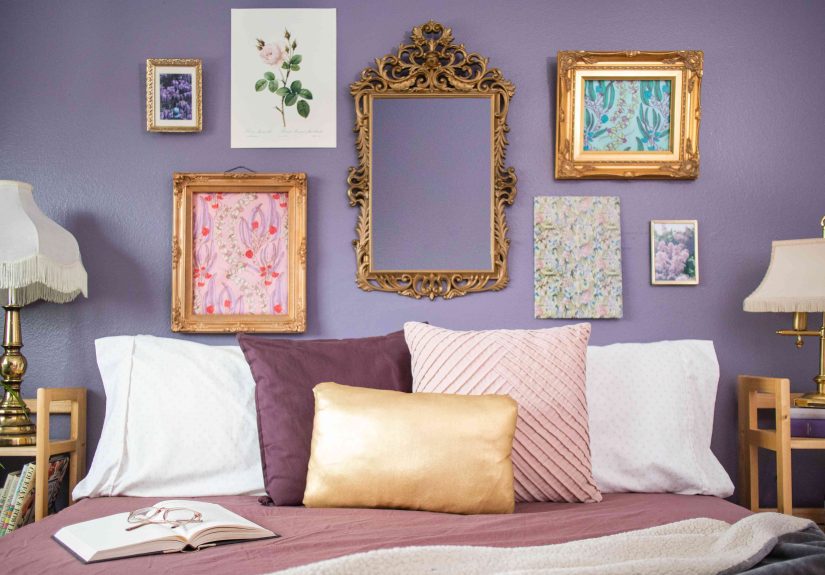
There is a reason this combo feels royal: it is shamelessly glamorous. Rich purple walls or textiles paired with brass sconces, gold-framed art, or antique-finish hardware create a layered look that feels elevated, not flashy.
9. Periwinkle-Purple for a Breezier Feel
If true purple feels too intense, go for a periwinkle-leaning shade. It brings some of the serenity of blue with the personality of purple, making it ideal for bedrooms that need color but still want to feel airy.
10. Purple Trim Instead of Purple Walls
Not every idea has to start with the walls. Painting the trim, molding, or bedroom door in a purple tone creates a clever, designer-ish effect. It adds interest while keeping the main envelope of the room calm and neutral.
11. Layered Purple Bedding for a Subtle Approach
Sometimes the easiest way to build a purple bedroom is one quilt, one duvet cover, and a suspiciously convincing number of throw pillows. Layer lavender, mauve, and plum textiles together for dimension. The tonal look feels intentional and cozy.
12. Purple and Green for a Classic, Lush Pairing
Purple and green are one of those combinations that sound risky until you see them done well. Sage, olive, and forest green all pair beautifully with purple, adding richness and a grounded, botanical feel. It is vibrant, but grown-up.
13. Orchid and Cream for Soft Elegance
Orchid is romantic without tipping into cliché. Used with cream walls, ivory curtains, and soft beige rugs, it creates a bedroom that feels light, elegant, and polished. Think boutique hotel, but with fewer strangers near the ice machine.
14. A Purple Canopy for Drama Overhead
A canopy or bed drapery in a rich purple shade adds instant grandeur. Even if the rest of the room is simple, this one element creates a strong focal point and makes the bed feel worthy of a dramatic nighttime entrance.
15. Dusty Violet With Gray for Modern Calm
Gray and purple can be incredibly sophisticated together, especially when both shades are soft and muted. Dusty violet walls with charcoal accents or gray upholstered furniture create a bedroom that feels calm, current, and slightly tailored.
16. Purple Floral Prints That Feel Fresh, Not Fussy
Botanical prints, floral drapes, or patterned bedding can introduce purple in a more layered way. The key is scale. Bigger patterns feel bolder and more contemporary, while tiny florals tilt sweeter and more traditional.
17. Eggplant Walls in a Small Bedroom
Yes, deep color can work in a small room. In fact, a rich eggplant shade can make a compact bedroom feel intimate and enveloping rather than cramped. Add reflective finishes, mirrors, or a bit of gloss to keep the room from feeling flat.
18. Lavender Ceiling for an Unexpected Twist
If you want a bedroom surprise that does not scream for attention, paint the ceiling lavender and keep the walls neutral. It adds a soft wash of color overhead, which is especially charming when morning light hits it just right.
19. Jewel-Tone Purple With Sapphire and Emerald Accents
For those who believe restraint is optional, a jewel-toned palette can be stunning. Mix amethyst, sapphire, and emerald in small doses through pillows, art, and upholstery. The result is rich, layered, and unapologetically dramatic.
20. Purple and Black for a Luxe Boutique-Hotel Mood
Done carelessly, this could look like a teenage goth phase. Done well, it looks expensive. Anchor the room with plush textiles, warm lighting, and a few lighter elements so the dark palette feels sultry rather than severe.
21. Lavender With Blush Pink for a Soft Romantic Mix
This combination works best when both colors are dusty rather than sugary. Lavender and blush together create a soft, layered palette that feels feminine, airy, and unexpectedly sophisticated when grounded with cream or tan.
22. Purple Bedroom Art Instead of Purple Paint
If your walls are staying neutral, oversized artwork with purple tones can carry the theme. Abstract pieces, moody florals, or landscape art with violet shadows bring in color without turning the room into a paint project.
23. Velvet Purple Bench at the Foot of the Bed
A purple bench or ottoman is a small touch that makes a big visual impact. Velvet amplifies the richness, while the limited use of color keeps the room balanced. It is practical, pretty, and just theatrical enough.
24. Lavender Paired With Warm White and Texture
Some of the best purple bedrooms are not bold at all. A barely-there lavender with boucle, linen, woven shades, and chunky knits feels restful, tactile, and inviting. It proves that purple can be soft-spoken and still memorable.
25. Full Royal Plum With Pattern, Trim, and Confidence
And finally, for the brave: go all in. Plum walls, patterned drapery, contrasting trim, layered bedding, metallic accents, and a statement light fixture. The secret to pulling this off is commitment. Half-hearted purple is where trouble starts. Confident purple is where the magic happens.
How to Keep a Purple Bedroom Stylish Instead of Overwhelming
The best purple bedroom ideas succeed because they respect proportion. If the walls are bold, keep the bedding calmer. If the wallpaper is busy, let the furniture stay simple. If your purple leans cool, bring in warmth through wood, brass, woven textures, or creamy neutrals. If it leans red, balance it with gray, taupe, or green so the room does not feel visually overheated.
Lighting matters too. Purple changes dramatically depending on the light source. A shade that looks dreamy in daylight can feel heavy at night if the room relies on one sad overhead bulb. Layer bedside lamps, sconces, and warm ambient lighting so the color reads rich and flattering around the clock.
And above all, test before you commit. Purple has a lot of personality. That is part of the appeal, but it also means undertones matter. Some shades skew blue and calming, while others lean red and feel warmer or moodier. Sample first, then let your room decide whether it wants to be a spa, a jewel box, or a velvet-lined kingdom.
Real-Life Experiences With Purple Bedrooms
Living with a purple bedroom is often very different from just admiring one in a photo. In real life, the experience tends to be more emotional, more atmospheric, and honestly more personal than people expect. Purple is not a “safe” color in the same way beige or pale gray is safe. It makes a choice. And that choice changes how the room feels at different times of day, in different seasons, and even depending on your mood.
People who choose soft lavender often talk about how the room feels gentler in the morning. Early sunlight bouncing off a light purple wall can make a space feel airy and quiet, almost like a filter has been placed over the room. It is the kind of color that can make even a rushed weekday feel slightly more civilized. Suddenly, drinking coffee on the edge of the bed feels cinematic instead of just necessary.
On the deeper end of the spectrum, plum or aubergine bedrooms tend to feel their best at night. That is where the color really earns its reputation. With bedside lamps on, curtains drawn, and the outside world fading into the background, a dark purple bedroom can feel wonderfully cocooning. It does not just look cozy; it behaves cozy. The room becomes a retreat instead of merely the place where the laundry chair lives.
Another common experience is that purple makes people pay more attention to texture. Once the walls or bedding bring that much personality, flat or generic materials stand out in the wrong way. That is why purple bedrooms often feel best with velvet, linen, chunky knits, natural wood, brushed metal, or woven accents. The color invites layering. It practically asks for a throw blanket with opinions.
Purple also has a funny way of changing people’s confidence about decorating. Many homeowners start cautiously with a pillow, a throw, or a headboard. Then they realize the room does not look chaotic at all; it looks interesting. From there, confidence grows. Maybe the curtains become lavender. Maybe the trim gets painted. Maybe suddenly there is a brass lamp involved and nobody is pretending this was ever going to be a minimalist room.
Of course, the lived experience depends heavily on the shade. A bright, highly saturated purple can feel energizing, which is great if you want personality but less ideal if your goal is a quiet, sleep-friendly retreat. Muted or grayed-out purples tend to be easier to live with over time. They still feel distinctive, but they do not demand attention every second of the day. That balance is part of what makes mauve, dusty violet, and smoky lavender so appealing in adult bedrooms.
Perhaps the best thing about a purple bedroom is that it rarely feels forgettable. Neutral bedrooms can be lovely, but purple bedrooms tend to feel remembered. Guests notice them. Homeowners describe them. Photos of them have character. Whether the look is soft and romantic or dramatic and moody, purple creates a sense that the room belongs to someone with a point of view. And that, more than anything, is what makes it feel a little royal.