Table of Contents >> Show >> Hide
- Why Bleach Smell Lingers in the First Place
- Easy Way #1: Ventilate the Space Like You Mean It
- Easy Way #2: Remove Leftover Bleach Instead of Masking It
- Easy Way #3: Use Odor Absorbers After the Cleanup Is Done
- What Not to Do When You Want to Remove Bleach Smell
- When Bleach Smell Becomes a Health Issue
- Final Thoughts: The Best Way to Get Rid of Bleach Smell
- Real-Life Experiences With Bleach Smell: What Actually Helped
Bleach is one of those household products that means business. It whitens, disinfects, and leaves germs with no chance to file an appeal. But the smell? That sharp, nose-scrunching, “did I just clean the bathroom or enter a swimming pool’s angriest cousin?” aroma can linger far longer than anyone wants. The good news is that getting rid of bleach smell is usually simple when you focus on the real cause: bleach fumes in the air or leftover residue on surfaces and fabrics.
If you are trying to get rid of bleach smell in a room, on laundry, or after a big cleaning session, the solution is not to attack it with random products from under the sink. That is how people accidentally create dangerous fumes and very bad afternoons. Instead, use three easy, practical methods that work with chemistry instead of against it.
Why Bleach Smell Lingers in the First Place
Before jumping into fixes, it helps to know why bleach odor hangs around. In most homes, the smell lingers for one of two reasons. First, bleach vapors are still floating in the air, especially in small spaces like bathrooms, laundry rooms, and kitchens with poor ventilation. Second, a little bleach residue may still be sitting on a counter, floor, sink, tile grout, mop head, or shirt. In other words, the smell is often a sign that bleach has not fully aired out or been fully rinsed away.
That is why the smartest approach is not to “cover” the bleach odor with fragrance. It is to remove the source, move the air, and then absorb whatever minor odor remains. Think of it less like perfume and more like sensible household diplomacy.
Easy Way #1: Ventilate the Space Like You Mean It
The fastest way to get rid of bleach smell in your home is also the least glamorous: open the room up and let the air do its job. Bleach fumes build up indoors, especially when you clean with the windows closed, the fan off, and the door shut. That setup is wonderful for creating a concentrated “wow, my eyes are offended” atmosphere. It is terrible for your lungs.
How to Ventilate Bleach Smell Out of a Room
- Open windows and doors right away.
- Turn on the bathroom exhaust fan or kitchen vent fan.
- Place a box fan near a window pointing outward to push stale air out.
- Leave the room for a while if the smell is strong.
- Let fresh air circulate for at least 15 to 30 minutes, and longer after heavy cleaning.
This method works especially well for bathrooms, shower stalls, laundry rooms, and kitchens where bleach smell tends to get trapped. Cross-ventilation is the gold standard here. That means one opening brings fresh air in and another helps push the old air out. Even a few minutes of real airflow can make a major difference.
One important note: skip candles, wax melts, incense, and heavily fragranced sprays while bleach odor is still present. They may make the room smell like “lavender chlorine soup,” which is not the kind of home ambiance anyone is chasing. In some cases, adding more scented products to a recently bleached room can simply make the air feel heavier and more irritating.
If bleach fumes make you cough, sting your eyes, or feel lightheaded, get into fresh air immediately. A strong bleach smell is not a challenge coin for tough cleaners. It is your body sending feedback, and this is one time when the review should be taken seriously.
Easy Way #2: Remove Leftover Bleach Instead of Masking It
If the smell sticks around even after you open the windows, the next move is to remove any bleach that is still sitting on a surface or fabric. This is where many people go wrong. They assume the smell means the room is “extra clean,” when in reality it often means there is still product hanging around.
For Counters, Floors, Tubs, and Tile
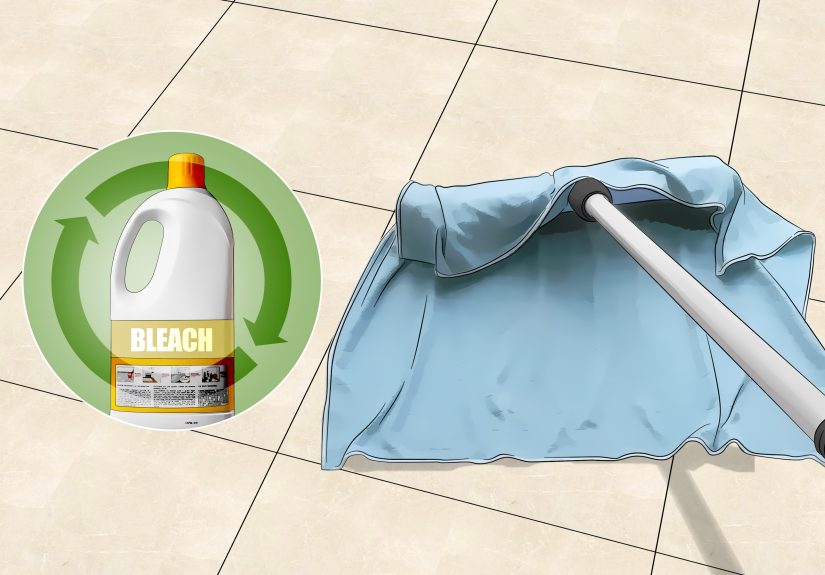
After bleach has done its job according to the product label, wipe or rinse the area with clean water when appropriate for that surface. This is especially helpful on nonporous household surfaces like counters, sinks, tubs, and tile. Use a clean cloth or mop and fresh water, not another cleaner. The goal is to lift away residue, not create a chemistry experiment.
If you used too much bleach solution while cleaning a bathroom floor or bathtub, re-wiping with water can dramatically reduce the bleach odor. The same goes for bleach splashes on the outside of the toilet, cabinet fronts, faucet handles, or baseboards. A lot of lingering bleach smell is hiding in plain sight on surfaces you forgot to rinse or wipe down a second time.
For Clothes, Towels, and Washable Fabrics
Bleach smell in clothing usually means some residue remains in the fibers or the item needs an extra rinse. Rewash the garment using regular detergent and a thorough rinse cycle. If needed, wash it again and let it air dry. For some washable items, a color-safe oxygen laundry booster can help with leftover odor after chlorine bleach use, but the safest general rule is simple: rinse well, wash properly, and do not improvise with random additives.
Air-drying clothes after rewashing is a smart move because it lets you check whether the smell is truly gone before the item goes into a dryer, drawer, or closet. Bleach smell trapped in a folded towel is like an unwelcome plot twist. Much better to solve it at the laundry stage than rediscover it during your next shower.
What About Skin or Hands?
If your hands smell like bleach after cleaning, wash them well with soap and water and give them time. Sometimes the odor lingers briefly on skin after contact, especially if you cleaned without gloves. Moisturizer can help with dryness afterward, but the main step is plain washing and fresh air. Do not try to “cancel out” bleach on skin with vinegar, lemon juice, or any other DIY shortcut. Your skin deserves less drama than that.
Easy Way #3: Use Odor Absorbers After the Cleanup Is Done
Once the bleach is gone from surfaces and the room has been ventilated, you can bring in odor absorbers to take care of any leftover smell. This is the finishing move, not the first move.
Baking Soda
Baking soda is a classic odor absorber because it can help neutralize smells rather than just cover them. Place an open bowl or box of baking soda in the room after cleanup, especially in a small bathroom, laundry room, mudroom, or closet where air does not move much. You can also sprinkle baking soda on dry carpet or upholstery nearby if those soft surfaces picked up the odor, then vacuum it later.
The key word here is after. Use baking soda only once the bleach has been wiped up and the area is dry or no longer actively wet with bleach solution. That keeps the process simple and helps avoid the bad household habit of mixing cleaning chemicals just because the internet once got ambitious.
Activated Charcoal
If the room still smells faintly chemical the next day, activated charcoal odor absorbers can help. These are especially useful in enclosed areas like cabinets, utility rooms, or laundry spaces. Charcoal works quietly in the background, which is more than can be said for bleach smell, and that alone feels like a victory.
Air Purifiers and Clean Textiles
A HEPA air purifier with an activated carbon component can also help reduce lingering odor in rooms where bleach fumes seem to hang around. And do not overlook soft materials. Wash the cleaning rags, mop heads, reusable gloves, or towels you used during the bleach cleanup. Sometimes the room smells fine, but the tools are still broadcasting “chlorine chic” from the corner.
What Not to Do When You Want to Remove Bleach Smell
There are a few mistakes that deserve a clear “absolutely not”:
- Do not mix bleach with vinegar. That can create toxic chlorine gas.
- Do not mix bleach with ammonia. That can create dangerous chloramine gases.
- Do not mix bleach with toilet bowl cleaner, drain cleaner, or mystery products. “Mystery product” is never a reassuring category.
- Do not keep scrubbing with more bleach because you still smell bleach. That usually makes the problem worse, not better.
- Do not assume a strong bleach smell means a space is cleaner. Often it just means there is still bleach in the air or on the surface.
If you ever notice a very strong chemical reaction smell after combining products by accident, leave the area immediately, get fresh air, and seek help if symptoms develop. When it comes to bleach fumes, stubbornness is not a cleaning skill.
When Bleach Smell Becomes a Health Issue
A mild leftover bleach odor after cleaning is usually just unpleasant. A strong bleach smell with symptoms is different. Seek medical help right away if exposure causes trouble breathing, chest tightness, wheezing, severe coughing, choking, or feeling faint. If you need poison guidance in the United States, Poison Control is available at 1-800-222-1222.
People with asthma, allergies, or other respiratory conditions may notice bleach fumes more quickly and more intensely. Children, pets, and older adults can also be more sensitive in small, poorly ventilated rooms. In those situations, it is worth taking ventilation seriously from the start instead of treating it like an optional bonus round.
Final Thoughts: The Best Way to Get Rid of Bleach Smell
The best way to get rid of bleach smell is refreshingly boring, which is exactly why it works. First, ventilate the space. Second, remove any leftover bleach with water or an extra wash cycle. Third, use odor absorbers like baking soda or charcoal after cleanup is done. That is the whole game plan.
No fancy hacks. No dangerous mixing. No “secret miracle” spray that turns your bathroom into a tropical chemistry lab. Just clean air, clean surfaces, and a little patience. Bleach is useful, but its smell does not need to move in and start paying rent.
Real-Life Experiences With Bleach Smell: What Actually Helped
In everyday life, bleach smell tends to show up in the same familiar places: the bathroom after a deep clean, the kitchen after sanitizing counters, and the laundry room after whitening towels or socks. What surprises people is how different the solution can be depending on where the smell is coming from.
One common experience happens after someone scrubs a bathroom top to bottom, shuts the door, and walks away feeling productive. Then an hour later they come back in and the room smells like a public pool and a science project had a disagreement. In cases like that, the fix is usually airflow, not more cleaner. Once the window is opened, the exhaust fan is turned on, and the door is left cracked, the smell often fades much faster than expected. People are sometimes convinced the odor is “stuck in the grout,” when really it is stuck in the air.
Another very relatable situation is bleach smell on clothes. Someone washes white towels or a load of cleaning rags, pulls them out, and finds that they smell less “fresh laundry” and more “chemical warning label.” The instinct is often to drown the load in fragrance beads or dryer sheets. In practice, a second wash or extra rinse usually does more good than adding perfume on top. Many people find that once the fabric is rinsed thoroughly and air-dried, the harsh odor drops dramatically. The lesson is simple: when bleach smell remains in laundry, the fabric often needs less scent and more rinsing.
There is also the experience of thinking the smell is coming from the room when it is actually coming from the tools. A mop head, sponge, rag, or reusable cleaning cloth can hold onto bleach odor long after the floor or sink is fine. This catches people off guard because the room smells normal until the cleaning supplies are gathered into a bucket or laundry basket. Then suddenly the “mystery bleach smell” reappears like an overconfident movie villain. Washing or replacing the cleaning tools often solves the problem.
Some people notice that bleach smell seems stronger the next morning than it did during cleaning. That can happen in small homes, apartments, or windowless bathrooms where air circulation is limited. Overnight, stale air settles and the odor becomes more noticeable. In those cases, leaving a bowl of baking soda in the room after cleanup, running a fan for longer, and making sure soft materials nearby are clean can help. The smell may not vanish instantly, but it usually becomes much more manageable.
The most useful real-world takeaway is that bleach odor rarely needs a dramatic fix. It usually responds to a calm checklist: air out the room, rinse the surface, rewash the fabric, clean the tools, and absorb whatever is left. That approach may not be flashy, but it is the one people come back to because it works without turning a small problem into a hazardous one.