Table of Contents >> Show >> Hide
- Quick Takeaway (For Busy Humans)
- Reason #1: Beans Help Keep Your Energy and Focus Steady
- Reason #2: Beans Feed Your Gut Microbesand Your Brain Cares About That
- Reason #3: Beans Support Brain Biology with Key Nutrientsand They Protect the Plumbing
- Which Beans Countand How Much Should You Eat?
- Bean Ideas for Busy Days (No Soaking Required)
- Common Questions (Because Beans Deserve Better PR)
- Experiences: What It Often Feels Like When You Add Beans for Brain Power (500+ Words)
- Conclusion: Small Food, Big Brain-Friendly Payoff
Beans don’t look like “brain food.” They’re not shiny like salmon or fancy like blueberries. They’re… beans. The humble, budget-friendly pantry staple
that has survived every food trend since the dawn of lunch.
But here’s the twist: beans (and their legume cousins like lentils and chickpeas) come with a nutrient combo that supports how your brain runs its
day-to-day operationsenergy, focus, mood, and long-game brain health. Not in a “take one bite and suddenly you can speak seven languages” way. More
like: “your body has what it needs to fuel your brain without constant chaos” way.
Let’s break down three evidence-based reasons beans can help boost brain powerand exactly how to use them so you get the benefits without turning
your afternoon into a snack-fueled soap opera.
Quick Takeaway (For Busy Humans)
- Beans steady your energy by slowing digestion and helping avoid blood-sugar spikes and crashes that feel like brain fog.
- Beans feed your gut microbes with fiber and resistant starchyour gut and brain are basically pen pals with shared interests.
- Beans support brain biology with key nutrients (like folate, magnesium, iron, and B vitamins) and by supporting heart-and-vessel health.
Reason #1: Beans Help Keep Your Energy and Focus Steady
If you’ve ever eaten something sugary, felt amazing for 20 minutes, then crashed into a “why am I staring at this email like it’s written in Morse
code?” momentcongrats, you’ve met the blood-sugar roller coaster.
Why blood-sugar swings can feel like brain fog
Your brain is a high-energy organ. It relies on a steady supply of fuelmostly glucose in the bloodstreamto keep attention, memory, and processing speed
humming along. Big spikes and dips can translate into the real-world experience of feeling jittery, distracted, irritable, or mentally sluggish.
Even if you don’t have diabetes, sudden surges and drops can still be uncomfortable. Many health experts recommend eating in a way that reduces those
dramatic swingsespecially during long school or work days.
Why beans help: fiber + protein = slower, steadier release
Beans are naturally rich in fiber and provide a solid dose of plant protein. That combo slows digestion and helps
carbohydrates enter your bloodstream more graduallyso you’re less likely to get a dramatic peak followed by a crash.
Translation: beans can help you feel more even-keeledphysically and mentallybecause your energy supply is steadier.
Specific, realistic examples that actually work
- Swap the snack that betrays you. Instead of chips alone, try roasted chickpeas (or a bean-based dip) with crunchy veggies.
You still get crunch, but with steadier energy. - Upgrade lunch. Add black beans or lentils to a grain bowl. The fiber helps smooth out the “2 p.m. slump” effect many people feel after lunch.
- Breakfast that doesn’t quit. Beans at breakfast sounds weird until you try it: a breakfast burrito with beans, eggs (or tofu), and salsa is
basically a focus-friendly fuel package.
Reason #2: Beans Feed Your Gut Microbesand Your Brain Cares About That
Your gut and brain are in constant communication through what’s often called the gut-brain axis. This includes nerves, immune signals, and
a surprising number of chemical messengers influenced by your gut microbiome (the community of microbes living in your digestive system).
If this sounds like sci-fi, here’s the simple version: your gut is not just a food tube. It’s a busy ecosystem. And what you feed it can shape how
you feelphysically and mentally.
Beans bring the “microbiome buffet”: fiber and resistant starch
Beans contain types of carbohydrates your body doesn’t fully digest. Instead, they travel to the large intestine, where gut microbes ferment them.
One result of this fermentation is the production of short-chain fatty acids (SCFAs), compounds that researchers link to gut health and
broader body signalingincluding pathways connected to brain function.
You don’t need to memorize the science terms. Just remember the practical takeaway: fiber-rich foods like beans help support a gut environment that
tends to be linked with better overall health, and the gut and brain are closely connected.
Why this may matter for brain performance
When your gut ecosystem is supported, it may help reduce the body-wide stress signals that come from chronic inflammation and metabolic strain. Since the brain
is sensitive to inflammation and blood-vessel health, this connection is one reason bean-forward eating patterns show up in research-based “brain healthy”
dietary approaches.
For example, the well-known MIND-style eating pattern (designed by researchers to support brain aging) specifically includes beans as a regular
staple. That’s not an accidentit’s a nod to how fiber-rich plant foods fit into a bigger brain-health picture.
“Okay, but beans make me gassy” (Let’s fix that)
Beans have a reputation. A loud one. The good news: you can usually reduce discomfort with strategy and a little patience.
- Start small. Begin with 2–3 tablespoons a day and gradually increase over a couple of weeks. Your gut microbes adapt.
- Rinse canned beans. Draining and rinsing can reduce sodium and may help wash away some of the “extra fermentable stuff” in the liquid.
- Choose easier starters. Lentils and split peas often feel gentler for some people because they cook soft and tend to be easier to digest.
- Use carminative spices. Cumin, ginger, and fennel are popular in many cultures for a reasonthey pair well with beans and can be soothing.
Reason #3: Beans Support Brain Biology with Key Nutrientsand They Protect the Plumbing
Think of your brain like a high-performance device: it needs both the right “parts” (nutrients) and a reliable power and delivery system (blood flow).
Beans help on both fronts.
Beans deliver nutrients your brain and nerves rely on
Different beans vary, but in general, legumes contribute meaningful amounts of nutrients commonly associated with healthy brain and nervous system function:
- Folate (vitamin B9): helps the body make DNA and supports normal cell divisionbasic maintenance that matters everywhere, including the nervous system.
- Vitamin B6: involved in many enzyme reactions and is considered important for normal brain development and nervous system health.
- Magnesium: supports nerve function and also plays a role in blood glucose control and blood pressure regulationtwo issues tied to long-term brain health.
- Iron: helps the body make hemoglobin, which carries oxygen in the blood. Oxygen delivery matters for mental stamina and attention.
Want a concrete example? A cup of cooked lentils or black beans can deliver a hefty dose of fiber and protein, plus minerals like iron and potassiumnutrients
that support energy metabolism and circulation. (More on “how much” in a second.)
Beans support heart-and-vessel health (and your brain loves blood flow)
Your brain is extremely dependent on healthy circulation. Many dementia risk factors overlap with cardiovascular risk factors, and research consistently links
vascular health with cognitive aging. That’s why eating patterns that support healthy cholesterol levels, blood pressure, and blood sugar show up again and again
in discussions about protecting brain health over time.
Beans fit this theme well because:
- Soluble fiber can help reduce LDL cholesterol absorption.
- Fiber and protein help with better blood sugar stability.
- Bean-forward diets often displace foods high in saturated fat, which can support better cardiovascular markers over time.
Put simply: beans help keep your “plumbing” in better shape, and better plumbing helps keep your brain supplied.
Which Beans Countand How Much Should You Eat?
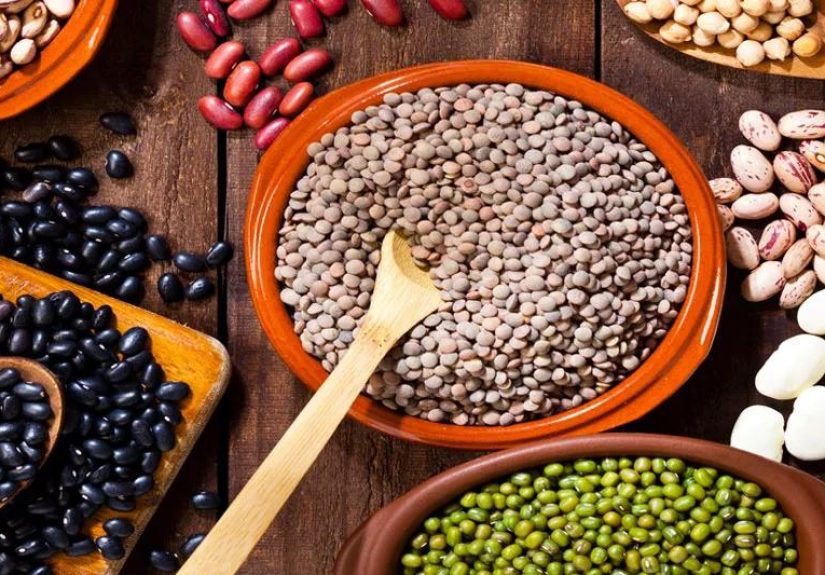
“Beans” is a broad category. The brain-friendly benefits show up across many types:
- Black beans, pinto beans, kidney beans (classic pantry heroes)
- Chickpeas (salads, hummus, roastingchoose your adventure)
- Lentils (quick-cooking and great for soups)
- White beans/cannellini (creamy texture, great in sauces)
- Edamame (technically a legume; fun snack and easy protein)
A practical target (that won’t make you hate your life)
U.S. dietary guidance commonly recommends weekly amounts of beans/peas/lentils as part of an overall pattern. In real life, a simple goal many people find doable is:
aim for about 1/2 cup of beans a day most days, or at least several servings per week.
If that sounds like too much, start with 2–3 servings per week and build up. Consistency beats intensityespecially for your digestive system.
Bean Ideas for Busy Days (No Soaking Required)
Beans are one of the easiest “add-on” foods. You don’t have to become a bean monk who chants over a slow cooker.
- Fast salad upgrade: toss chickpeas into a salad with olive oil, lemon, and herbs.
- Soup shortcut: add lentils to canned tomato soup or veggie soup to boost fiber and protein.
- Taco night glow-up: mix black beans into ground turkey, tofu crumbles, or veggies.
- Snack that works: roasted chickpeas with spices, or white bean dip with carrots and cucumbers.
- Breakfast twist: beans + eggs + salsa in a tortilla (or bowl) = steady energy.
Common Questions (Because Beans Deserve Better PR)
Are canned beans “as good” as dried?
Yescanned beans can be a nutritious option and are often the reason people actually eat beans consistently (which is the entire point).
If sodium is a concern, choose “no-salt-added” when possible, and rinse regular canned beans.
Will beans really “boost brain power” if I’m not sleeping enough?
Beans are not a substitute for sleep. They’re a supportive foodhelpful for steady energy, better overall dietary quality, and long-term health factors
connected to brain function. Pair them with sleep, hydration, movement, and stress management for best results.
What if I have a medical condition?
If you have kidney disease, digestive conditions, or you’re on a specialized diet, it’s smart to ask a clinician or registered dietitian how beans fit your needs
especially because some beans are high in potassium and fiber.
Experiences: What It Often Feels Like When You Add Beans for Brain Power (500+ Words)
Since “brain power” is a little abstract, it helps to translate the science into real life. Here are a few common, relatable experiences people often describe
after they start eating beans more consistentlyplus what’s usually happening under the hood.
1) The “My Afternoon Crash Isn’t as Dramatic” Moment
A lot of people notice the difference first at 2–4 p.m.that time window when energy dips and focus can feel like it wandered out of the room without saying goodbye.
When lunches are mostly refined carbs (think: white bread, crackers, sugary drinks), it’s easier to spike and crash. Adding beans tends to slow digestion and make
that energy curve less extreme. In practical terms, the afternoon may feel steadier: less urgent snacking, fewer “I need coffee or I will become furniture” thoughts,
and a better chance of staying on task.
2) The “I Feel Full, But Not Heavy” Surprise
Beans are satisfying in a different way than many processed snacks. People often report feeling comfortably fulllike their body got the memo that food happened.
That matters for brain performance because constant hunger, cravings, or overeating can be distracting. A bean-based meal (like a lentil soup or chickpea salad)
can feel like it “sticks” longer, which makes it easier to concentrate through a class, a shift at work, or a long study session. The fiber and protein combo helps
explain why.
3) The “My Mood Is a Little Less Spiky” Effect
Mood is influenced by many factorssleep, stress, hormones, relationships, the group chat, the weather, and yes, food. When people eat in a way that steadies blood
sugar, they sometimes notice fewer sharp mood dips tied to hunger or energy crashes. Beans aren’t a magic mood pill, but they can be part of a routine that makes your
day feel less like a chaotic playlist on shuffle.
4) The “My Gut Needed a Training Period” Reality Check
Let’s be honest: when people increase beans quickly, the gut often files a complaint. The most common experience is a week or two of extra gas or bloatingespecially
if someone goes from “almost no fiber” to “bean burrito bowl every day.” The funny part is that this can actually be a sign your gut microbes are adjusting.
Many people find that when they ramp up slowlystarting with a few tablespoons and increasing over timethings calm down significantly.
Some also notice that rinsing canned beans helps, and that lentils or split peas feel gentler than larger beans. Others swear by adding cumin,
ginger, or fennel. The most consistent “experience lesson” is this: gradual changes work better than bean whiplash.
5) The “Beans Make Healthy Eating Feel Easier” Win
One underrated benefit people talk about is how beans simplify meal planning. When you have a reliable, inexpensive protein-and-fiber option ready to go, it’s easier
to build a balanced meal without overthinking it. A can of beans can turn “random fridge vegetables” into a real dinner. That reduces decision fatigueyes, that’s a
real thingand makes it more likely you’ll stick with an eating pattern that supports steady energy and long-term health.
Conclusion: Small Food, Big Brain-Friendly Payoff
Beans won’t turn you into a chess grandmaster overnight. But they can support brain power in a way that’s practical and science-aligned:
steadier energy, a better-fed gut microbiome, and a strong nutrient profile that supports nerve function and healthy circulation.
If you want the simplest action step: add 1/2 cup of beans to one meal a day a few times a week. Try it for two weeks, adjust slowly,
and pay attention to how your focus and energy feelespecially in the afternoon.
Your brain is doing a lot. You might as well give it something that actually shows up for the job. Beans are surprisingly good coworkers.