Table of Contents >> Show >> Hide
- Table of Contents
- First: A Quick Safety Check (Don’t Skip This)
- Way 1: Cold Compress (First 24–48 Hours)
- Way 2: Warm Compress (After Swelling Settles)
- Way 3: Support Healing (Rest, Elevation, Smart Comfort)
- How Long Does a Black Eye Take to Heal?
- Common Myths (Including the Steak Thing)
- How to Prevent the Next Black Eye
- of Experiences: What It’s Really Like to Heal a Black Eye
A black eye is basically your face’s way of saying, “I have a dramatic backstory,” even if your only enemy was a cabinet door.
The good news: most black eyes heal fully on their own. The annoying news: your face will likely put on a color-changing show first.
This article shares practical, safety-first steps to reduce swelling, ease discomfort, and help the bruise fade as quickly as your body will allow.
It’s written in standard American English, based on widely used guidance from U.S. medical organizations and hospitals, and it’s not a substitute for medical care.
First: A Quick Safety Check (Don’t Skip This)
A black eye is usually just bruising around the eye (also called a periorbital hematoma or ecchymosis).
But sometimes it can be a sign of something more serious: injury to the eye itself, an orbital fracture, or a head injury.
Translation: before you focus on “how to heal a black eye fast,” make sure it’s safe to treat at home.
Get medical care urgently if you have any of these red flags
- Vision changes (blurry vision, double vision, loss of vision, flashes/floaters).
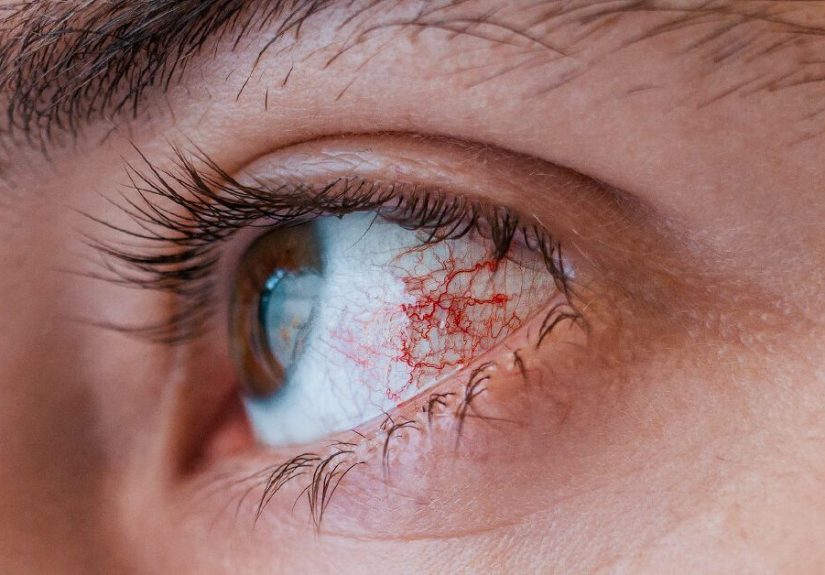
- Blood in the eye (on the white or colored part, or blood pooling inside the eye).
- Severe pain in the eyeball, worsening pain, or pain with bright light.
- Bruising around both eyes after a head injury (sometimes called “raccoon eyes”).
- Bleeding from the nose or ears, loss of consciousness, confusion, vomiting, or a bad headache after the injury.
- Inability to move the eye, unusual pupil shape/size, or facial deformity near the eye socket.
Also consider getting checked sooner rather than later if the hit was significant, you’re on blood thinners,
you have a bleeding disorder, or you’re simply not sure what happened (no judgmentmystery bruises deserve clarity).
When it comes to eyeballs, “better safe” is a very good personality trait.
Way 1: Cold Compress (First 24–48 Hours)
If you do one thing right away, make it this: cold therapy.
Cooling the area helps reduce swelling and can limit how much blood and fluid pool in the tissue around the eye.
The goal isn’t to freeze your face into a sculptureit’s controlled, repeated cooling.
How to do it (the “no frostbite, no regrets” method)
-
Wrap something cold in a cloth.
Use a cold pack, a bag of frozen veggies, or ice in a sealed bagwrapped in a thin towel or cloth.
Never put ice directly on the skin. -
Apply gently around the eye, not on the eyeball.
Light pressure on the bony area is fine; don’t press on the eye itself. -
Time it: aim for 10–20 minutes per session, then take a break.
Repeat several times a day for the first day or two. Many clinicians suggest frequent sessions early on
(for example, on-and-off intervals or hourly applications while awake). -
Keep it clean.
Use a clean cloth. If you’re using a bag of peas that’s been living in your freezer since the last presidential administration, wipe it down.
Extra tips that make a difference
- Start ASAP. Earlier cooling generally helps more with swelling control.
- Take it easy. Strenuous activity can increase swelling and bruising in the first day or two.
- Don’t rub the eye. Rubbing can worsen irritation or aggravate an injury you haven’t noticed yet.
- Avoid chemical cold packs near the eye. If they leak, they can cause more damage.
Way 2: Warm Compress (After Swelling Settles)
Cold is the hero at the beginning. Then, once the initial swelling calms downoften after about 24–48 hourswarmth can be helpful.
A warm compress may encourage circulation and support the body’s process of reabsorbing trapped blood in the bruised tissue.
Think of it as switching from “contain the drama” to “clean up after the drama.”
When to switch from cold to warm
Use warm compresses after the first day or two, especially when swelling has peaked and is starting to improve.
If the area is still rapidly swelling, very tender, or you suspect a deeper injury, pause and get medical advice.
How to do a warm compress safely
- Use warm, not hot. A warm washcloth or a warm (not scorching) heat pack works.
- Apply for 10–15 minutes at a time, several times per day for a day or two.
- Keep it gentle. No heavy pressure on the eye. You’re soothing tissue, not tenderizing it.
Optional: gentle “around-the-area” massage (only if it doesn’t hurt)
Some medically reviewed sources mention that gentle massage around the bruised areaonce swelling has subsidedmay support circulation.
If it causes pain, if swelling is still present, or if you’re unsure, skip it.
And to be crystal clear: you’re massaging the surrounding facial tissue lightly, not pushing on the eyeball.
Way 3: Support Healing (Rest, Elevation, Smart Comfort)
Here’s the secret nobody wants to hear: the body needs time to clear a bruise.
But you can make the environment better for healingless swelling, less irritation, fewer “oops” moments that restart the bruising clock.
1) Elevate your head (especially for sleep)
Keeping your head raised can help reduce fluid buildup around the eye.
Try extra pillows at night or resting in a recliner for the first day or two.
This is the rare moment in life when “lying down” is not the best strategy for looking great tomorrow.
2) Rest like it’s your job
For the first couple of days, take it easyespecially activities that raise your heart rate or risk another hit to the face.
This is not the time for pickup basketball, “just one more” sparring round, or testing whether your toddler can throw a toy truck accurately.
3) Pain relief: choose wisely
For mild pain, follow labeled directions for over-the-counter pain relief.
If there’s any concern about bleeding inside the eye, medically reviewed guidance commonly favors acetaminophen over NSAIDs
(like aspirin or ibuprofen), because NSAIDs can worsen bleeding in certain situations.
If you’re unsure which is appropriate for youor you’re on blood thinnersask a clinician or pharmacist.
4) Protect the eye from “round two”
Even if the black eye came from something minor, the area is more vulnerable while it heals.
Avoid contact sports and high-risk activities until swelling and tenderness are gone.
If your work or hobbies involve flying debris, wear protective eyewear.
5) Cosmetic camouflage (a perfectly respectable life skill)
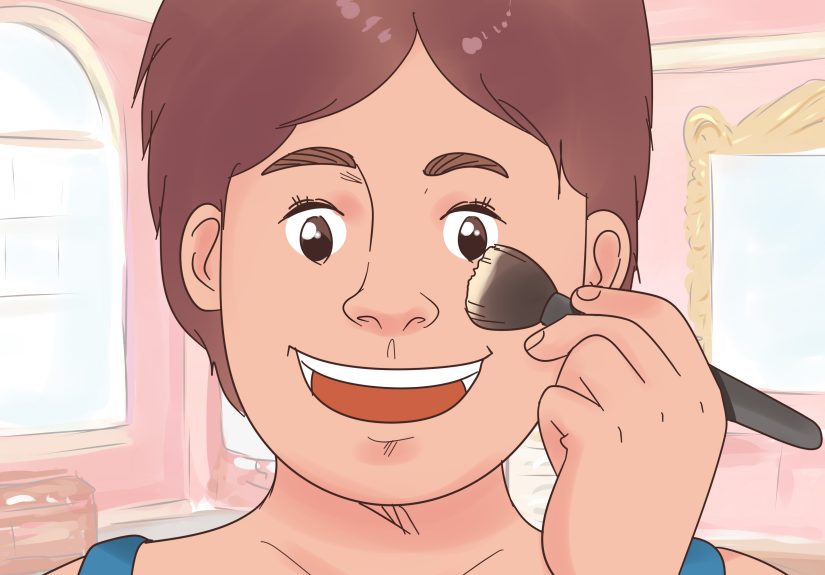
If you need to look presentable while healing, concealer can helpmany people use under-eye concealer or foundation to reduce the appearance.
A practical tip: as bruises change color (purple/blue → green → yellow), color-correcting makeup can work better than piling on more concealer.
The goal is “even tone,” not “frosting a cupcake.”
6) “Bonus” options you’ll hear about (use common sense)
-
Arnica: Some clinicians and medically reviewed sources note mixed evidence that arnica (topical or oral) may help bruising.
If you try topical arnica, keep it away from the eye itself and use it exactly as directed.
If you take blood thinners, many experts recommend avoiding it due to potential interactions. -
Vitamin C / topical vitamins: You’ll see claims that vitamin C supports bruising recovery.
Evidence is mixed for topical use, but eating vitamin C–rich foods is generally reasonable for overall health. -
Laser treatments: Some dermatology offices can use lasers to reduce the appearance of certain bruises, typically very soon after injury.
This is cosmetic, not usually covered by insurance, and not a DIY optionjust mentioning it so you don’t fall for a sketchy home gadget ad.
How Long Does a Black Eye Take to Heal?
Most uncomplicated black eyes improve steadily and resolve in about two weekssometimes up to two to three weeks,
depending on the severity, your age, and your overall health.
One weird-but-normal thing: swelling often peaks around day two, so you may look worse before you look better.
Also normal: the bruise may “travel” downward into the cheek area or appear to shift as gravity does its thing.
A simple day-by-day vibe check
- Day 0–1: Swelling and discoloration begin; cold compress is your best friend.
- Day 2: Swelling can peak; colors may deepen (hello, dramatic purple).
- Day 3–7: Swelling decreases; colors shift (green/yellow phases often appear).
- Week 2: Bruise fades; tenderness continues to improve.
Call a healthcare provider if symptoms worsen after the first couple of days, if you develop signs of infection
(increasing warmth, redness, worsening pain, pus), or if you have any vision changes at any point.
Common Myths (Including the Steak Thing)
Myth: “Put a raw steak on it.”
Movies love this. Medicine does not.
Raw meat carries bacteria and increases infection risk, and it doesn’t do anything magical that a clean cold pack can’t do better.
If you want to copy a movie, copy the part where the hero rests and recoversnot the part where they marinate their face.
Myth: “If it’s just bruising, it can’t be serious.”
Most black eyes aren’t serious, but some are.
Vision changes, blood in the eye, severe pain, bruising around both eyes after a head injury, or neurologic symptoms are not “walk-it-off” moments.
Myth: “You can heal it overnight.”
Sadly, no. There’s no instant erase button for bruising.
The fastest “fix” is usually swelling control early (cold, rest, elevation), then patience, then makeup if you’re trying to look human for a meeting.
How to Prevent the Next Black Eye
- Wear protective eyewear for sports, home repairs, yard work, and anything involving flying objects.
- Reduce fall risks at home: clear clutter, use good lighting, and secure rugs.
- Use caution after procedures (dental, cosmetic, sinus): bruising can happen and may “settle” around the eyes.
- Teach eye safety to kids (and, honestly, adults with power tools).
of Experiences: What It’s Really Like to Heal a Black Eye
Let’s talk about the part no one prepares you for: the social experience of a black eye.
The bruise itself may be harmless, but your face becomes a public Q&A booth. People will ask what happened.
Some will whisper. One coworker will definitely say, “You should see the other guy,” even if the “other guy” was a door frame.
The first 24 hours feel deceptively manageableuntil you wake up the next morning and meet your reflection.
A lot of people report that day two is the peak “Whoa.” Swelling can be worse, the color can deepen, and your eyelid may feel puffy and stiff.
This is also when patience gets tested: you did the ice, you did the rest, you went to bed early… and your face still looks like it picked a fight with gravity.
That’s normal. It’s not failure; it’s biology doing biology things.
Around days three to five, there’s often a noticeable shift. The swelling starts calming down, and the bruise begins its rainbow tour:
deep purple and blue can slide into green, then yellow. People sometimes think the bruise is “spreading,” but what you’re usually seeing is the body
breaking down and reabsorbing blood pigments. It can look messy while it’s workinglike your body hired an artist who insists on layering colors.
Practical day-to-day experiences matter, too. Sleeping slightly upright can feel awkward at first, but many people find it helps with morning puffiness.
Cold compress sessions are easiest when you build them into your routine: before breakfast, mid-morning, after lunch, mid-afternoon, and before bed.
Warm compresses later can feel soothingespecially if your face feels tight or tender.
The biggest “aha” moment tends to be realizing you don’t need aggressive pressure. Gentle care beats overachieving here.
Then there’s the “event problem”: interviews, weddings, family photos, dates. This is where concealer becomes less “vain” and more “time management.”
People often do best with thin layers, a light touch, and realistic expectations: makeup can soften the look, not erase it under fluorescent lighting.
Sunglasses help outside. Indoors, good lighting and confidence help more than you’d think.
Finally, there’s the emotional side. If your black eye came from an accident, it can feel embarrassing.
If it came from sports, it might feel like a badge of honor. If it came from violence, it can feel scary or complicated.
Whatever the cause, your safety matters. If you’re ever in a situation where you don’t feel safe, consider reaching out to trusted people and local support resources.
Healing isn’t only about bruises fadingit’s about getting back to feeling secure in your own life.