Table of Contents >> Show >> Hide
- Before You Lighten: Know What Blonde You Actually Have
- Way #1: Get Professional Highlights or a Controlled Lightening Service
- Way #2: Use At-Home Blonde Brightening Products the Smart Way
- Way #3: Try Gentle, Natural, Sun-Assisted Brightening
- Mistakes That Make Blonde Hair Darker, Duller, or More Damaged
- How to Keep Newly Lightened Blonde Hair Looking Expensive
- Which Method Is Best for You?
- Real-Life Experiences With Lightening Blonde Hair
- Final Takeaway
- SEO Tags
Blonde hair has a funny way of making people ambitious. One good hair day and suddenly you are convinced you were meant to be brighter, glowier, and approximately one shade closer to Scandinavian royalty. The problem is that lightening blonde hair is not as simple as blasting it with bleach and hoping for a cinematic reveal. Hair that is already blonde can become drier, more porous, and more prone to breakage with every aggressive lightening session. That means the smartest approach is not always the fastest one.
If you want to lighten blonde hair without turning it into a cautionary tale, the best plan is to choose a method that matches your starting point. Natural blonde hair behaves differently than highlighted hair. Platinum hair behaves differently than honey blonde. And hair that has survived a recent bleach appointment is basically asking for a snack, a nap, and a leave-in conditioner before any more drama begins.
Below are the three most practical ways to lighten blonde hair, plus the mistakes to avoid, the aftercare that matters, and real-life experiences that show what the process actually feels like once you step away from the ring light and into regular life.
Before You Lighten: Know What Blonde You Actually Have
Not all blonde is created equal. Natural dark blonde, salon-highlighted blonde, bleach-and-tone blonde, and warm golden blonde all respond differently to lightening products. If your hair is naturally blonde and mostly healthy, you may be able to brighten it gradually with a gentle at-home approach. If your hair is color-treated, fragile, or already very light, you will usually get the best results from a pro who can control lift, timing, and tone.
It also helps to separate two ideas that people lump together all the time: lighter and brighter. Hair can look lighter because pigment is lifted, but it can also look lighter because brassiness is toned down, buildup is removed, and shine is restored. That distinction matters. Sometimes you do not need more bleach. You need less yellow, less dullness, and fewer bad decisions made in the bathroom at 11 p.m.
Way #1: Get Professional Highlights or a Controlled Lightening Service
If your goal is a noticeably lighter blonde, this is the gold-standard method. Professional highlights, babylights, balayage, a full blonde refresh, or a carefully managed bleach-and-tone service can lift your color in a more even and predictable way than most DIY options. A good colorist can also protect the integrity of your hair by choosing the right developer strength, watching processing time, and deciding whether your hair can safely go lighter in one visit or needs a slower approach.
Why salon lightening works best
Bleach removes pigment, but it also roughens the hair cuticle and weakens the hair fiber over time. That is why salon lightening is often the safest path for anyone with fine hair, previous highlights, box dye history, or dryness. A professional can place lightener exactly where you need it, avoid overlap on already fragile sections, and finish with a toner or gloss to make the blonde look cleaner rather than fried.
This is especially useful if you want to go from warm blonde to pale beige, champagne, or icy blonde. Those shades usually require more than raw lift. They need controlled lifting plus toning. Translation: not all yellow hair becomes expensive-looking blonde on its own. Sometimes it becomes a traffic cone with ambition.
Best salon services for blondes who want to go lighter
- Babylights: Fine, delicate highlights that create a soft, brighter overall effect.
- Partial highlights: Great if you want more brightness around the face and crown without a full overhaul.
- Full highlights: Best for a bigger jump in brightness and a more all-over blonde feel.
- Balayage: Ideal if you want lighter ends and a softer grow-out.
- Bleach and tone: Best for very pale blonde goals, but also the highest-maintenance option.
- Gloss or toner: Does not truly lighten dark sections much, but can make blonde look brighter, shinier, and less brassy.
Who should choose this method
Choose the salon route if your hair is already bleached, feels rough when wet, snaps easily, tangles like it has a personal grudge, or has multiple layers of old color. This is also the best option if you want a cool blonde result, because lifting without correcting tone often leaves behind yellow or orange warmth that reads less “clean blonde” and more “accidental brass instrument.”
Way #2: Use At-Home Blonde Brightening Products the Smart Way
If your hair is already blonde and fairly healthy, gradual brightening products can help you inch lighter between salon appointments. This includes controlled lightening sprays, blonde-boosting shampoos and conditioners, and peroxide-based brightening formulas made specifically for blondes. These products usually create a subtle effect, not a dramatic transformation, but that is often exactly what makes them useful.
What these products can and cannot do
At-home brighteners work best on light blonde to dark blonde hair that does not need a huge color correction. They can help enhance highlights, brighten dull blonde, or create a sun-kissed effect over time. They are not the best answer if your roots are much darker than your lengths, if your hair is heavily damaged, or if you are expecting a box to perform a miracle with the grace of a master colorist.
One important truth: purple shampoo is not a lightener. It does not chemically lift hair. What it does is neutralize yellow tones so blonde hair looks cooler and brighter. That can make your color seem lighter to the eye, which is why so many blondes swear by it. But if you overuse it, your hair can start to look dull, flat, or a touch darker. Purple shampoo is a supporting actor, not the lead.
How to use at-home lightening products without chaos
- Start with hair that is in decent condition. If it feels gummy, stretchy, or straw-like, pause the lightening and repair first.
- Do a patch test every time you use a new dye or lightening formula.
- Do not apply peroxide-based products to an irritated, sunburned, or scratched scalp.
- Follow timing instructions exactly. More minutes does not always mean more beauty.
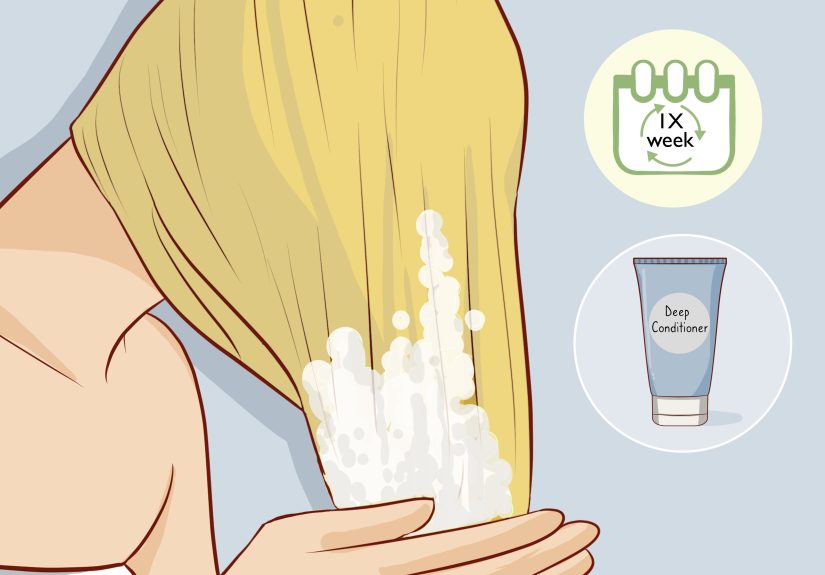
- Use a deep conditioner or bond-repairing mask after every lightening session.
- Use purple shampoo once or twice a week, not every wash, unless your colorist says otherwise.
The best candidates for this method
This method is ideal for natural blondes who want a little extra brightness, highlighted blondes who want to stretch time between appointments, and people who want subtle lightening rather than a major color jump. It is also a smart choice if your main complaint is that your blonde looks tired, warm, or dim instead of truly darker.
You can pair gradual brightening with a clarifying shampoo every so often if your hair has buildup from minerals, styling products, dry shampoo, or hard water. Sometimes blonde looks darker simply because it is coated, not because it has actually lost color. Removing the film can bring back reflectiveness and make the blonde look fresher.
Way #3: Try Gentle, Natural, Sun-Assisted Brightening
This is the low-lift, low-drama method, and it works best on hair that is already naturally blonde or light blonde. Think chamomile rinses, specially made sun-lightening mists, or careful lemon-based brightening used sparingly. These methods can create a subtle effect, especially in summer, but they are not harmless just because they sound like something your aunt read in a beach magazine in 2004.
What natural lightening really means
Natural methods usually rely on sunlight, acidity, or plant-based ingredients to encourage a slight lightening effect. Chamomile is the gentlest option. Lemon juice can work on lighter hair, but it is acidic and drying, and too much sun exposure can damage the cuticle. Sun-lightening sprays tend to be more controlled than homemade mixtures because they are designed for cosmetic use, but they still require caution if your hair is fragile.
How to do it more safely
- Use natural methods only if your hair is already blonde or light enough to respond well.
- Do a strand test first, especially if your hair is highlighted or porous.
- Choose chamomile-based options for a softer, more conditioning approach.
- If using lemon or a lightening mist, follow with conditioner immediately after.
- Limit heat styling on the same day.
- Protect your scalp and skin from sun exposure.
Natural lightening is best for people chasing a soft beachy effect, not a dramatic platinum shift. If your dream shade belongs in the “icy,” “buttery pale,” or “editorial silver-beige” category, natural methods will probably leave you underwhelmed and slightly crispy.
Mistakes That Make Blonde Hair Darker, Duller, or More Damaged
Lightening blonde hair is partly about what you do right and partly about what you stop doing immediately. One of the biggest mistakes is overlapping bleach on hair that is already light. Another is trying to fix brassiness by layering more and more purple shampoo until your shower looks like a grape crime scene. A third is assuming that dryness is just the price of being blonde. It is common, yes. Mandatory, no.
Other mistakes include skipping patch tests, ignoring scalp irritation, using high heat on freshly lightened hair, and washing with harsh shampoo too often. Sun, chlorine, and hard water can all make blonde hair look rougher and warmer over time. In other words, sometimes the enemy is not your colorist. Sometimes it is your vacation schedule and your refusal to wear a hat.
How to Keep Newly Lightened Blonde Hair Looking Expensive
Once hair is lighter, maintenance determines whether it looks glossy and intentional or simply exhausted. Use a sulfate-free or color-safe cleanser most of the time. Add a purple shampoo once or twice a week if you are fighting yellow tones. Use a hydrating mask weekly. Apply heat protectant every single time you style. Consider a gloss treatment when your blonde loses shine but does not necessarily need more lift.
Regular trims also matter more than people want to admit. Blonde ends can become frayed faster, which makes the entire color look duller. A tiny trim often does more for the overall look than buying your fifth “miracle blonde” product of the month.
Which Method Is Best for You?
If you want a clear jump in brightness, choose professional highlights or a controlled salon lightening service. If you only want a subtle lift and your hair is in good shape, choose gradual at-home blonde brighteners. If your hair is naturally light and you want a soft summer glow, choose gentle natural or sun-assisted brightening. The best method is not the one that sounds trendiest. It is the one your hair can survive while still looking good next month.
Real-Life Experiences With Lightening Blonde Hair
Ask three blondes about lightening their hair and you will hear three completely different stories. The natural blonde often says something like, “I just wanted a little more brightness,” and then discovers that subtle changes make the biggest difference. For this person, a brightening spray, a few face-framing highlights, or a gloss can be enough to create that lighter, sunnier look without changing the entire color identity. Their biggest surprise is usually that maintaining shine matters as much as lifting pigment. Once they use a better conditioner, clean up mineral buildup, and tone down warmth, they often realize their hair already looked lighter than they thought.
The highlighted blonde tends to have a more strategic relationship with lightening. This is the person who has appointments mapped out like military operations. They know exactly how many weeks they can stretch a partial highlight before the mirror starts feeling rude. Their experience is usually less about asking, “How do I get blonder?” and more about, “How do I stay blonde without destroying my ends?” They learn that one extra session too close together can make their hair feel rough, fuzzy, and fragile. They also learn that the right toner or gloss can buy them time and keep the color polished. Many highlighted blondes say their breakthrough moment was realizing they did not need a full bleach refresh every time boredom struck.
Then there is the platinum blonde experience, which is equal parts glamour and administrative burden. Going very light can look incredible, but it often comes with stricter aftercare, regular root maintenance, stronger opinions about purple shampoo, and a sudden emotional attachment to hair masks. Platinum blondes frequently talk about how different their hair feels after repeated bleaching. It may dry faster, tangle more, or react badly to heat tools that never caused problems before. They become experts in leave-in products almost by force. The lesson here is not that platinum is a bad idea. It is that platinum is rarely a casual hobby.
There are also people who try the DIY route first because it seems cheaper, easier, and weirdly empowering. Sometimes it works out fine, especially when the goal is a tiny lift on already healthy blonde hair. But many people eventually admit that the real challenge was not getting lighter. It was getting lighter evenly. They missed a section, overdid the front, left the ends on too long, or ended up with roots that looked like they had their own lighting department. What they remember most is not the savings. It is the cleanup and the panic-googling.
One of the most common experiences across all blonde types is the shift from chasing “lighter” to chasing “better.” At first, people think the answer is always more lift. Later, they learn that better blonde often comes from smarter maintenance: less heat, more moisture, a clearer tone, and fewer impulsive experiments. They stop seeing blonde hair as a one-time achievement and start seeing it as a balance between color, condition, and shine.
Another shared experience is that expectations change with the seasons. In summer, many blondes want brighter, beachier, more sun-kissed hair. In colder months, they often prefer something creamier, softer, or more rooted for easier upkeep. That seasonal rhythm teaches an important lesson: lightening blonde hair is not just about one perfect shade. It is about choosing a shade that fits your lifestyle, budget, patience level, and relationship with deep conditioner.
And perhaps the funniest truth is this: most blondes eventually become amateur scientists. They compare shampoos, water quality, UV exposure, toners, masks, filters, pillowcases, and weather patterns with the intensity of people solving a national security problem. But all that trial and error does lead somewhere useful. It teaches that healthy blonde almost always looks more expensive than over-processed blonde, even when the latter is technically lighter. In real life, softness, shine, and movement win.
Final Takeaway
The best way to lighten blonde hair depends on how much lift you want, how healthy your hair is, and how much maintenance you are willing to tolerate. For major brightening, a salon service is the safest bet. For subtle results, at-home blonde brighteners can work well on healthy hair. For a whisper of extra sunshine, gentle natural methods can help, especially on already light blonde hair. The goal is not to bully your hair into submission. The goal is to make it lighter while keeping it soft, strong, and recognizably attached to your head.