Table of Contents >> Show >> Hide
- Why Microwave Corn on the Cob?
- Before You Start: Pick Better Corn
- Method 1: Microwave Corn in the Husk
- Method 2: Microwave Shucked Corn Wrapped in a Damp Paper Towel
- Method 3: Microwave Corn in a Covered Dish with Water
- Which Microwave Corn Method Is Best?
- How to Tell When Microwave Corn Is Done
- Best Toppings for Microwave Corn on the Cob
- Common Mistakes to Avoid
- Can You Reheat Corn on the Cob in the Microwave?
- Frequently Asked Questions
- Final Thoughts
- Real-World Kitchen Experiences With Microwaving Corn on the Cob
- SEO Tags
There are two kinds of people in summer: the ones who casually say, “Let’s just grill the corn,” and the ones who look outside, see 97-degree heat, and whisper, “Absolutely not.” If you belong to team keep the kitchen cool and still eat great corn, the microwave is your best friend.
Microwaving corn on the cob is fast, surprisingly reliable, and perfect for busy weeknights, lazy lunches, or those moments when you want buttery corn now and not after you’ve washed a giant stockpot. Better yet, you have options. You can cook corn in the husk, cook shucked corn wrapped in a damp paper towel, or steam several ears at once in a covered dish with a little water.
In this guide, you’ll learn three easy ways to microwave corn on the cob, when to use each one, how long to cook it, what mistakes to avoid, and how to make it taste like you put in way more effort than you actually did. That is the kind of kitchen efficiency we respect.
Why Microwave Corn on the Cob?
Microwaving corn works because the kernels already contain a lot of moisture. As that moisture heats up, it creates steam, which gently cooks the corn and keeps it tender. The result is sweet, juicy corn without boiling a pot of water or firing up a grill.
It is especially handy when:
- You only need one to four ears.
- You want less mess and fewer dishes.
- You are short on time.
- You do not want to heat up the whole kitchen.
- You bought fresh summer corn and want the flavor to stay front and center.
Another bonus: microwaving corn is very forgiving if you pay attention to ear size and microwave wattage. Translation: even if your microwave has the personality of a moody teenager, you can still get excellent corn.
Before You Start: Pick Better Corn
Great corn starts at the store or farmers market. Look for ears with bright green husks that feel snug around the cob. The tassels at the top should look brown and a little sticky rather than dry and brittle. When you gently feel through the husk, the kernels should seem plump and evenly spaced.
If the corn is already shucked, check that the kernels look glossy and tightly packed. Avoid ears with lots of missing kernels or dry-looking ends. Fresh corn is sweetest when cooked soon after buying, so this is not the time to let your produce sit around waiting for a better schedule.
Method 1: Microwave Corn in the Husk
Best for: the easiest, least messy method
If you want the simplest route to juicy corn, this is it. Cooking corn in the husk helps trap moisture so the kernels steam inside their own natural wrapper. It is fast, neat, and oddly satisfying, especially when the cob slides right out with most of the silk left behind.
How to do it
- Place 1 to 4 ears of corn in the microwave in a single layer. Leave the husks on.
- Microwave on high for about 3 to 5 minutes total, depending on how many ears you are cooking and how powerful your microwave is.
- Let the corn rest for 1 to 2 minutes so the steam settles down a bit.
- Using a towel or oven mitts, transfer the hot corn to a cutting board.
- Cut off the stem end, then squeeze or shake the corn from the other end so the cob slides out of the husk.
Timing guide
- 1 ear: 3 to 4 minutes
- 2 ears: 4 minutes
- 3 to 4 ears: 4 to 5 minutes
- Extra-large ears: add 30 to 60 seconds if needed
Why this method is so popular
The husk acts like a built-in steamer. That means the kernels stay moist, the flavor tastes concentrated, and the cleanup is minimal. It is also a great trick when you hate pulling silk off raw corn, because the heat loosens the husk and makes shucking easier afterward.
Watch out for this
The corn will be very hot. Not “slightly warm” hot. More like “respect the steam” hot. Always use a towel or mitts, and do not rush the cutting step. A little patience here saves you from doing that hand-juggling dance nobody enjoys.
Method 2: Microwave Shucked Corn Wrapped in a Damp Paper Towel
Best for: already-shucked corn or quick single servings
This method is ideal when the husks are already removed, whether you bought pre-shucked corn or cleaned it yourself. The damp paper towel replaces the moisture you lose when the husk is gone, helping the corn steam instead of dry out.
How to do it
- Shuck the corn completely and remove the silk.
- Wrap each ear in a damp paper towel.
- Place the wrapped ears on a microwave-safe plate in a single layer.
- Microwave on high for 2 to 6 minutes total, depending on how many ears you are cooking.
- Carefully unwrap and serve.
Timing guide
- 1 ear: 2 to 3 minutes
- 2 ears: 3 to 4 minutes
- 3 to 4 ears: 4 to 6 minutes
Why this method works
The damp paper towel creates a mini steaming environment. It is simple, efficient, and perfect when you want the corn ready for butter, seasoning, or slicing into a salad right away. It is also handy if you are cooking in a small kitchen and want predictable results without trimming and shaking hot husks off the cob.
Best use cases
This is the method to choose when you are making lunch for one, prepping corn for tacos, or reheating cooked corn that needs a little moisture boost. It is also nice when you want to season the ear immediately after cooking without dealing with loose husk leaves on the counter.
Common mistake
Do not wrap the ear in a dry paper towel. That is basically the microwave version of sending your corn into the desert without water. Damp is the key word here.
Method 3: Microwave Corn in a Covered Dish with Water
Best for: several ears at once or a more traditional steaming approach
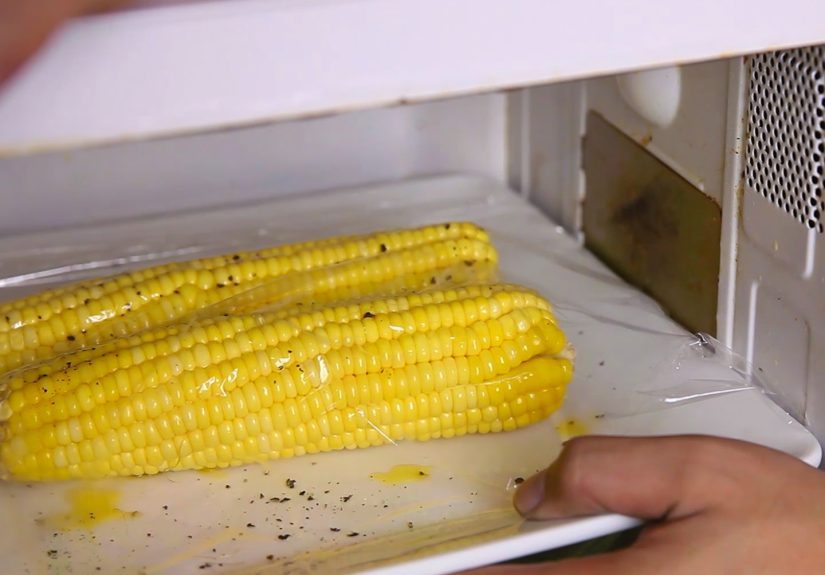
If you are feeding more people or want a method that feels a little more controlled, use a microwave-safe baking dish with a small amount of water. Covering the dish creates steam, which cooks the ears evenly and helps prevent dryness.
How to do it
- Place shucked corn in a microwave-safe dish large enough to hold the ears comfortably.
- Add a small amount of water to the bottom of the dish.
- Cover with microwave-safe plastic wrap, a vented lid, or a damp towel.
- Microwave on high until the kernels are tender.
- Let the dish stand briefly before uncovering, then serve.
Timing guide
- 1 to 2 ears: about 4 to 6 minutes
- 3 to 4 ears: about 8 to 12 minutes
- Large dish, more ears, or lower wattage microwave: allow more time and check in stages
Why this method earns a spot in the lineup
This approach works well when you need a slightly bigger batch and want the corn to cook evenly. It also suits pre-shucked corn nicely and makes it easy to add butter or seasoning right after cooking. Think of it as the most “group project” friendly microwave method.
One important tip
When removing the cover, open it away from your face. Steam is wonderful for corn and rude to eyebrows.
Which Microwave Corn Method Is Best?
All three methods work, but the best one depends on your situation.
Choose the husk-on method if:
- You want the easiest prep.
- You prefer juicy kernels and easy silk removal.
- You are cooking one to four ears.
Choose the damp-paper-towel method if:
- Your corn is already shucked.
- You want a quick, low-fuss option.
- You are cooking a small amount.
Choose the covered-dish method if:
- You are cooking for multiple people.
- You want more controlled steaming.
- You prefer shucked corn and easy serving.
If you ask me for the overall winner, the husk-on microwave corn method is the champion for flavor, convenience, and minimal cleanup. It is the kind of trick that makes you feel like you just unlocked a secret kitchen level.
How to Tell When Microwave Corn Is Done
Properly cooked corn should be hot all the way through, tender when pierced, and bright yellow or golden. The kernels should look plump, not shriveled. If they seem firm or unevenly heated, microwave in 30-second bursts until done.
Try not to overcook it. Corn goes from sweet and juicy to a little tired surprisingly fast. Nobody wants sad corn.
Best Toppings for Microwave Corn on the Cob
Classic butter and salt never fail, but microwave corn is also a blank canvas for bigger flavor.
- Classic: butter, kosher salt, black pepper
- Bright: butter, lime juice, chili powder
- Savory: garlic butter and Parmesan
- Mexican-inspired: mayo, cotija, chili powder, cilantro, lime
- Herby: softened butter mixed with parsley, chives, and lemon zest
- Smoky: smoked paprika and melted butter
If you want to dress it up for guests, compound butter is your easiest flex. It looks fancy, tastes great, and nobody needs to know it took two minutes.
Common Mistakes to Avoid
1. Overcrowding the microwave
Give the ears some space. A single layer cooks more evenly than a pile of corn playing tackle football on the turntable.
2. Ignoring microwave wattage
Not all microwaves cook the same way. Start with the lower end of the time range if you are unsure, then add more time in short bursts.
3. Forgetting the rest time
Even 1 to 2 minutes of resting helps the heat distribute and makes the corn safer to handle.
4. Skipping moisture for shucked corn
If the husk is gone, you need the damp paper towel or the covered dish with water. Otherwise the kernels may dry out.
5. Removing covers carelessly
Steam burns are no joke. Open lids, wraps, or towels carefully and away from your face.
Can You Reheat Corn on the Cob in the Microwave?
Yes, and it is one of the best ways to do it. Place cooked corn in a microwave-safe dish with a spoonful or two of water, then cover it with a damp paper towel or lid. Heat in 20- to 30-second intervals, turning as needed, until warmed through.
This keeps the kernels from drying out and brings leftover corn back to life without turning it rubbery.
Frequently Asked Questions
How long do you microwave corn on the cob?
For most ears, plan on about 3 to 5 minutes total for husk-on corn, 2 to 6 minutes for shucked corn wrapped in a damp paper towel, and longer for multiple ears in a covered dish. The exact time depends on ear size and microwave power.
Is it better to microwave corn with the husk on?
Usually, yes. The husk helps trap moisture, which keeps the kernels juicy and makes silk removal easier after cooking.
Can you microwave multiple ears of corn at once?
Yes, but do not stack them. Arrange the ears in a single layer and add time as needed. If you are cooking more than four ears, batches are usually the better choice.
Do you need to add water when microwaving corn?
Only for certain methods. Husk-on corn already has natural moisture, so added water is not necessary. Shucked corn benefits from a damp paper towel or a covered dish with some water to create steam.
Final Thoughts
If you have been overlooking your microwave as a tool for cooking fresh corn, it is time to give it some credit. Whether you cook corn in the husk, steam shucked ears in damp paper towels, or use a covered dish for a larger batch, the microwave can turn out sweet, tender corn in minutes.
The beauty of these methods is that they are practical. They work on weeknights, in small apartments, in hot weather, and during those “I need a side dish immediately” situations. And once you find the timing that works for your microwave, you may start wondering why you ever waited around for a pot of water to boil.
So the next time fresh corn is calling your name, skip the drama. Pick a method, press start, and let the microwave do its thing. Summer side dish crisis: solved.
Real-World Kitchen Experiences With Microwaving Corn on the Cob
One of the most interesting things about microwaving corn on the cob is how quickly people go from skeptical to completely converted. The first time someone tries the husk-on method, there is usually a brief moment of doubt. You put a whole ear of corn into the microwave, husk and all, and it feels a little rebellious, like you are ignoring several generations of “proper” corn cooking. Then a few minutes later, the husk loosens, the silk slips away, and suddenly you are standing in the kitchen looking at perfectly cooked corn with the kind of expression usually reserved for magic tricks and unexpectedly good takeout.
In real life, each of the three methods has its own personality. The husk-on version is the one people talk about most because it feels dramatic in the best way. It is great for busy evenings when dinner is almost done and you realize the plate needs one more thing. You microwave the corn, let it cool for a minute, cut the end, and out it slides. Minimal mess, minimal fuss, maximum “why didn’t I do this sooner?” energy.
The damp-paper-towel method tends to win people over when the corn has already been shucked. Maybe you bought it that way at the grocery store, or maybe you cleaned it earlier while pretending to be organized. This method feels practical and dependable. It does not have the same theatrical reveal as the husk-on trick, but it is excellent when you want consistency. Home cooks often like it for lunch, quick meal prep, or small dinners because it is easy to repeat and easy to monitor.
The covered-dish method has the most “family dinner” vibe. It is the one that feels useful when several people are waiting at the table and you want a batch of corn to come out hot at roughly the same time. It also helps when you want to season the ears right away, because everything is already shucked and ready for butter, herbs, or a squeeze of lime. It is less flashy, but it gets the job done with quiet confidence.
Another very real experience with microwave corn is learning your microwave’s quirks. Almost everyone has one appliance in the kitchen with an unpredictable personality, and the microwave is often it. That is why the first round of testing matters. Once you know whether your microwave likes 3 minutes, 4 minutes, or 4 minutes plus 30 seconds, the process becomes ridiculously easy. From that point on, making corn feels less like cooking and more like pressing the “summer side dish” button.
Perhaps the most relatable experience of all is discovering how microwave corn fits into everyday life. It is not just for rushed nights. It is for apartment kitchens with no outdoor grill, dorm-style setups with limited tools, hot afternoons when boiling water sounds offensive, and those moments when you want fresh corn without turning it into a production. That is why these methods keep winning people over. They are not fancy for the sake of being fancy. They are useful, repeatable, and surprisingly delicious. And honestly, any kitchen trick that delivers buttery corn in minutes deserves a little respect.