Table of Contents >> Show >> Hide
- Why Staying Calm Matters More Than “Winning” the Argument
- Way 1 – Control What’s Inside: Your Breath, Body, and Thoughts
- Way 2 – Control the Situation: Smart Boundaries in the Heat of the Moment
- Way 3 – Repair Afterward: Communicate, Learn, and Grow
- Common Mistakes That Make Scolding Even Worse
- Final Thoughts: Calm Is a Skill, Not a Personality Trait
- Real-Life Experiences and Reflections: What Staying Calm Can Look Like
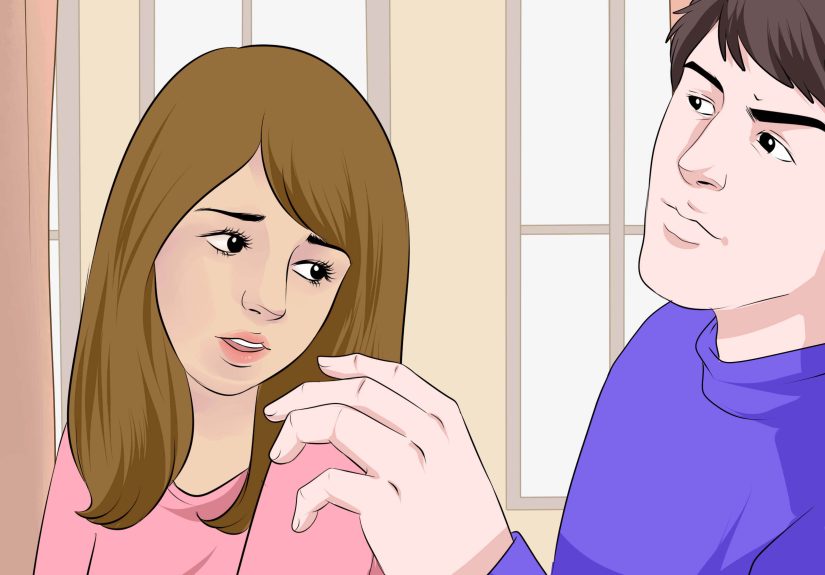
Few things spike your stress faster than hearing, “We need to talk,” followed by a full-on parental scolding.
Your heart races, your hands shake, and suddenly every smart thing you <emmeant to say vanishes from your brain.
You might feel angry, embarrassed, or completely helpless – sometimes all at once.
The good news? You have more power than you think. You probably can’t control your parents’ tone or timing,
but you can control how you respond on the inside. That inner calm is not just about “being good” –
it protects your mental health, your physical health, and even your relationship with your parents. Research on
emotion regulation shows that learning how to manage intense feelings draws on skills like attention, planning, and
self-awareness – and those skills can be learned and practiced over time.
In this guide, we’ll walk through three practical ways to stay calm when your parents are scolding you badly.
You’ll learn how to steady your body, calm your brain, and handle the situation in a way that keeps you safe,
respected, and more in control – without starting World War III in the living room.
Why Staying Calm Matters More Than “Winning” the Argument
When someone yells at you – especially someone you love – your body reacts like it’s in danger. Your brain flips
into “fight, flight, or freeze” mode. Your heart rate jumps, muscles tense, and thinking clearly becomes almost
impossible. Over time, constant stress like this can weaken your immune system and make you more likely to get sick,
especially during high-pressure times like exams.
Studies also show that repeated exposure to harsh yelling can hurt a young person’s self-confidence and increase the
risk of mental health issues like anxiety and depression. That doesn’t mean every loud lecture
permanently damages you, but it does mean your feelings about it are valid. Learning to stay calm isn’t just about
avoiding more trouble – it’s a way of protecting your well-being.
On the flip side, staying calm during conflict helps you:
- Think clearly so you don’t say things you’ll regret later.
- Show your parents you’re more mature than they might think.
- Keep the argument from escalating into an all-out screaming match.
- Remember what’s actually being said so you can fix the real issue later.
Many experts who work with teens and families note that calm, direct communication – instead of yelling back or
shutting down – makes it more likely that adults will actually listen to you.
You may not win the argument, but you can win back your peace of mind.
Way 1 – Control What’s Inside: Your Breath, Body, and Thoughts
You can’t always stop the scolding, but you can build yourself an “inner safe room.” That starts with three things
you carry everywhere: your breath, your body, and your thoughts.
1. Use Your Breath as an Emergency Brake
When your parents are yelling, your breathing often becomes shallow and fast – which makes you feel even more panicky.
Slowing your breath is like pulling the emergency brake on your nervous system. Mental health professionals often teach
breathing exercises as a first step to help kids and teens calm down before their emotions take over.
Try this simple technique while they’re talking:
- Inhale slowly through your nose for a count of 4.
- Hold your breath for a count of 4.
- Exhale through your mouth for a count of 6.
- Repeat quietly 4–6 times.
You don’t need to make it obvious. You can do this while standing or sitting, looking at the floor or your hands.
You’re not ignoring your parents; you’re simply giving your brain enough oxygen to stay online.
2. Calm Your Body So Your Brain Can Follow
Your body sends constant signals to your brain. If your muscles are tight and you’re clenching your fists, your brain
assumes, “We’re in danger!” Even tiny physical changes can help send the opposite signal.
Try these subtle moves that your parents probably won’t even notice:
- Unclench your jaw and gently press your tongue to the roof of your mouth.
- Relax your shoulders – imagine them dropping away from your ears.
- Uncurl your fists and rest your hands loosely on your legs or by your sides.
- Gently press your feet into the floor and notice the contact – this grounding trick reminds your body you’re safe right now.
These small actions don’t magically make the scolding pleasant, but they stop your body from going into full meltdown mode.
And the calmer your body, the easier it is to make smart choices in the moment.
3. Talk Back to the Story in Your Head
When your parents are angry, it’s easy for your inner voice to go dramatic:
- “They hate me.”
- “I ruin everything.”
- “This will never end.”
These thoughts are understandable, but they’re usually not accurate. Emotion regulation research shows that learning to
notice and reframe intense thoughts is a core skill for staying calm in stressful situations.
Instead of believing every scary thought, try replacing it with something more balanced, like:
- “They’re really upset right now, but this moment will pass.”
- “I might have messed up, but that doesn’t make me a bad person.”
- “I don’t have to fix everything right this second. I just have to stay calm.”
You don’t have to say any of this out loud. Just repeating a calmer phrase in your head is like choosing a different
channel instead of watching the “I’m horrible” rerun again and again.
Way 2 – Control the Situation: Smart Boundaries in the Heat of the Moment
Staying calm doesn’t mean becoming a statue or silently absorbing every harsh word. It means responding in ways that
don’t pour gasoline on the fire – and setting limits when you truly need them.
1. Sometimes Silence Is Your Superpower
When a parent is already fired up, jumping in with “That’s not what happened!” or “You’re overreacting!” almost always
makes things worse. Professionals who work with families often suggest staying as calm and direct as possible and stepping back
if the other person is escalating.
That doesn’t mean you never speak. It means you choose your words carefully. You might:
- Listen quietly at first, even if you disagree.
- Answer direct questions with short, respectful responses: “Yes, I understand,” “No, that wasn’t my intention,” “I hear what you’re saying.”
- Avoid sarcasm, eye-rolling, or mocking laughter – they feel satisfying for two seconds and then the situation explodes.
Your silence or brief answers don’t mean you’re weak; they mean you’re choosing not to throw emotional fuel into a burning room.
2. Ask for a Pause Without Sounding Defiant
Sometimes, the yelling feels like too much. If you feel your own anger rising to the point where you might scream or say
something hurtful, it’s okay to ask for a break. The trick is in how you ask.
Try phrases like:
- “I want to listen, but I’m getting really overwhelmed. Can I have five minutes to calm down and then we can talk?”
- “I hear that you’re upset. Can we take a short break and finish this conversation later?”
- “I’m not trying to be disrespectful. I just need a moment to think.”
You might not always get a “Yes,” especially if your parent thinks you’re trying to avoid responsibility. Even then, simply
expressing your need calmly is a powerful skill that will help you in friendships, school, and future relationships.
3. Safety First: When the Scolding Feels Like More Than Just Anger
There’s a big difference between a parent who gets loud or strict and a parent who is emotionally or physically abusive.
If the scolding includes threats, insults that tear down your worth, or any kind of physical harm, it’s important to think
beyond just “staying calm.”
Psychologists who work with kids of often-angry parents suggest finding supportive adults outside the home: a teacher,
school counselor, coach, relative, or mentor you trust. You deserve support, not just “toughening up.”
If you ever feel unsafe, reaching out for help is not betrayal – it’s self-protection.
Calm is powerful, but your safety and well-being always come first.
Way 3 – Repair Afterward: Communicate, Learn, and Grow
Most scoldings don’t last forever. Eventually, everyone cools down. That “after” window is one of the best times to repair
the relationship, explain your side, and quietly build better patterns for the future.
1. Have a Calm Follow-Up Conversation
When things are quiet, choose a time when your parent isn’t rushing to work or half-asleep on the couch. Ask if you can
talk for a few minutes. Keeping your tone respectful (even if you’re still annoyed) increases the chances they’ll truly listen.
Use “I” statements rather than “you always” or “you never,” which can make people defensive. For example:
- “I feel really anxious when I’m being yelled at. I want to fix things, but it’s hard for me to think when it happens.”
- “I know I messed up with my grades. I’m willing to make a plan, but I’d like to talk about it more calmly.”
- “I want us to be able to talk about problems without it turning into a huge fight.”
Some therapists even suggest writing out what you want to say if your anxiety is very high – either as notes or as a short
letter you can share. This helps you stay focused instead of drifting back into the emotional storm.
2. Make a Plan for Next Time
If your parents are open to it, talk about specific things that might help future conflicts go better. For example:
- Agreeing on a short “cool-down” break when voices get too loud.
- Choosing better times to discuss serious topics (not at midnight, not when someone just walked in the door).
- Setting clear expectations about chores, curfew, or phone use so there are fewer surprises.
You can’t control how they respond, but you can calmly suggest solutions. Even if they don’t say yes immediately,
planting the idea might influence how they react later.
3. Grow Your Support System and Coping Skills
Dealing with frequent scolding can be exhausting. You shouldn’t have to handle it alone. Experts emphasize that teens
need emotional and social support – from friends, trusted adults, school staff, or counselors – to stay mentally healthy
under stress.
Think about:
- Talking to a school counselor or mental health professional if arguments at home are constant and draining.
- Joining a club, team, or activity where you feel respected and seen.
- Keeping a journal to release your feelings in a private, safe way.
- Learning more calming tools like mindfulness, exercise, or creative outlets (art, music, writing).
You can’t pick the family you’re born into, but you can build a network that helps you feel less alone when things get tough.
Common Mistakes That Make Scolding Even Worse
Nobody handles conflict perfectly – especially when emotions are high. If you catch yourself doing any of these, don’t beat
yourself up. Just notice them and aim to do a little better next time.
-
Yelling back. It feels powerful in the moment, but almost always makes your parents feel attacked
and pushes them to double down. -
Insulting them. Saying, “You’re the worst parent ever” might express your frustration, but it
also shuts down any chance of a productive conversation. -
Making huge promises you can’t keep. “I’ll never be late again” or “I’ll get perfect grades from now on”
sounds good but usually isn’t realistic, which leads to more disappointment later. -
Shutting down completely every time. Sometimes going quiet protects you, but if you never talk at all,
your parents might think you don’t care – even when you care deeply. -
Taking every word literally. Parents might say harsh things when they’re triggered. That doesn’t make it
okay, but it also doesn’t mean every angry sentence reflects how they truly see you.
Final Thoughts: Calm Is a Skill, Not a Personality Trait
If you’ve ever thought, “I’m just not a calm person,” here’s a secret: nobody is born knowing how to stay chill while being
scolded. Emotional regulation is a skill you build slowly, with practice, slip-ups, and small wins.
Every time you take a deep breath instead of snapping, you’re training your brain. Every time you ask for a short break
instead of slamming the door, you’re building emotional muscles. Every time you have a calm follow-up conversation, you’re
quietly changing the pattern – even if your parents never say, “Wow, you’ve really grown.”
You deserve respect. You deserve to be heard. While you’re working on that long-term goal, these three approaches –
managing your inner world, handling the moment wisely, and repairing things afterward – can help you stay calmer, safer,
and more in control the next time a scolding hits.
Real-Life Experiences and Reflections: What Staying Calm Can Look Like
To make this more real, imagine three different teens facing tough scolding moments – and how they use the strategies you
just learned.
Example 1: Alex and the Missed Curfew
Alex comes home 45 minutes past curfew. As soon as he walks in, his dad starts in: “Do you know what time it is?
Do you think this is a hotel?” His voice is loud, and Alex can feel his cheeks burning with frustration. He
wants to snap back, “Relax, it’s not a big deal,” but knows that will only explode the situation.
Instead, Alex quietly shifts his weight, presses his feet into the floor, and focuses on his breathing – in for 4,
hold for 4, out for 6. His dad keeps talking. Alex responds with short, calm phrases: “I understand you’re worried,”
“You’re right, I should have called.” He doesn’t agree with every word, but he chooses not to debate the details at 1 a.m.
The next afternoon, when everyone is calmer, Alex asks to talk. He explains how the yelling makes him shut down and
offers a plan: if he’s ever running late, he’ll call or text as soon as he knows. His dad doesn’t magically transform
into a perfect communicator, but the next time Alex is 10 minutes late, the conversation is firm – not explosive. That’s progress.
Example 2: Maya, Grades, and Overwhelming Pressure
Maya brings home a report card with one C and a couple of Bs. Her mom, who is stressed about college admissions and finances,
reacts immediately: “What is this? You’re not even trying! Do you want to throw away your future?”
Maya feels a wave of shame and anger: “I studied so hard. She has no idea.” Her eyes fill with tears. She knows if she starts
crying and yelling, the fight will go in circles. So she takes three slow breaths and looks down at her hands, relaxing her shoulders.
She answers briefly: “I hear that you’re worried.” When she feels herself about to break down, she says,
“I really want to talk about this, but I’m getting overwhelmed. Can we go over my grades after dinner when I’ve calmed down?”
Her mom fumes for a moment but eventually says, “Fine. After dinner.” Later that evening, Maya brings a list of what she did to
prepare for each class and where she thinks she needs help. The conversation is still serious, but it’s more of a problem-solving
session and less of a personal attack. Maya walks away tired, but proud that she didn’t lose control.
Example 3: Jordan and the Constant Criticism
Jordan’s dad doesn’t just scold; he criticizes almost everything: clothing choices, posture, grades, even the way Jordan eats.
The yelling is frequent and often includes harsh names and comments that hit below the belt. It’s not just “You forgot to
take out the trash”; it’s “You’re useless, you never do anything right.”
In moments like this, staying calm isn’t just about breathing – it’s about survival. Jordan does what they can in the moment:
breathing slowly, mentally repeating, “This is about him, not my worth,” and leaving the room when possible. But Jordan also
realizes that this pattern isn’t healthy.
At school, Jordan opens up to a trusted teacher and the school counselor about what’s happening at home. They help Jordan find
a local support group and talk through options, including involving other relatives. With support, Jordan starts to understand
that their dad’s behavior says more about his own stress and history than about Jordan’s value as a person.
Jordan still uses all the calming skills – breathing, grounding, staying quiet instead of screaming back – but now there’s
something else in the mix: a sense of not being completely alone. That shift, from “I have to survive this by myself” to
“There are people who care and can help me,” changes everything.
What These Stories Have in Common
Each of these situations is different, but they share a few key themes:
- Calm starts inside. Breath, body, and thoughts are the first line of defense.
- Timing matters. The middle of a scolding is rarely the best time for deep explanations.
- Repair is powerful. Follow-up conversations – even small ones – can slowly reshape the relationship.
- Support helps. Whether it’s a counselor, teacher, or mentor, having someone in your corner makes the load lighter.
You may not be able to turn your home into a calm, peaceful space overnight. But by practicing these skills, you’re building
something just as important: a calm, steady inner voice that stays with you for the rest of your life – long after curfews,
report cards, and epic living room lectures are in the past.