Table of Contents >> Show >> Hide
- Why a zipper unzips by itself in the first place
- Way 1: Make the zipper stay locked
- Way 2: Tighten or replace the slider
- Way 3: Reduce drag, friction, and stress on the zipper
- Mistakes to avoid when fixing a self-unzipping zipper
- Which fix should you try first?
- Real-world experiences with zippers that would not behave
- Final thoughts
A zipper that slides down on its own is one of life’s rudest little surprises. One minute you are walking around confidently, and the next minute your jeans, skirt, jacket, or bag has decided to rebel. The good news is that most self-unzipping zippers do not need a dramatic funeral. In many cases, they need a smarter routine, a tiny repair, or a better backup plan.
If a zipper keeps unzipping itself, the problem usually comes down to one of three things: the pull is not locking the way it should, the slider is worn out, or the zipper is under more tension and friction than it can handle. That means the fix is often much simpler than replacing the whole garment. Sometimes the answer is as easy as anchoring the pull. Sometimes it is a careful slider adjustment. And sometimes the zipper is begging for a little maintenance instead of another angry yank.
This guide breaks down three practical ways to stop a zipper from unzipping itself, plus how to tell which fix fits your situation. Whether you are dealing with jeans that will not stay up, a dress zipper that creeps down, or a favorite jacket that suddenly acts like it has commitment issues, here is how to get things back under control.
Why a zipper unzips by itself in the first place
Before you fix the problem, it helps to know what the zipper is supposed to do. The slider pulls two sides of the zipper together and locks the teeth or coils into place. On many clothing zippers, the pull tab also helps activate a locking mechanism. When the pull lies flat, the zipper is often less likely to move. When that mechanism wears down, or when the slider loosens over time, the zipper can slowly creep downward even if the teeth still look fine.
Tension makes things worse. Tight jeans, fitted skirts, stuffed bags, and overpacked pouches put constant pressure on the zipper chain. Dirt, lint, detergent residue, or minor tooth misalignment can also keep the slider from doing its job cleanly. That is why a zipper can seem “fine” while still opening itself five minutes later. It is not cursed. It is just tired.
Way 1: Make the zipper stay locked
Use the pull tab the right way
The fastest fix is also the most overlooked: make sure the zipper pull is fully down after you zip up. Many people zip quickly and leave the pull sticking outward. That can keep the locking mechanism from engaging completely. If your zipper works normally but slides down during wear, try zipping it all the way up and pressing the pull tab flat against the garment. It is a tiny move, but it can make a big difference.
Add a simple anchor for pants and jeans
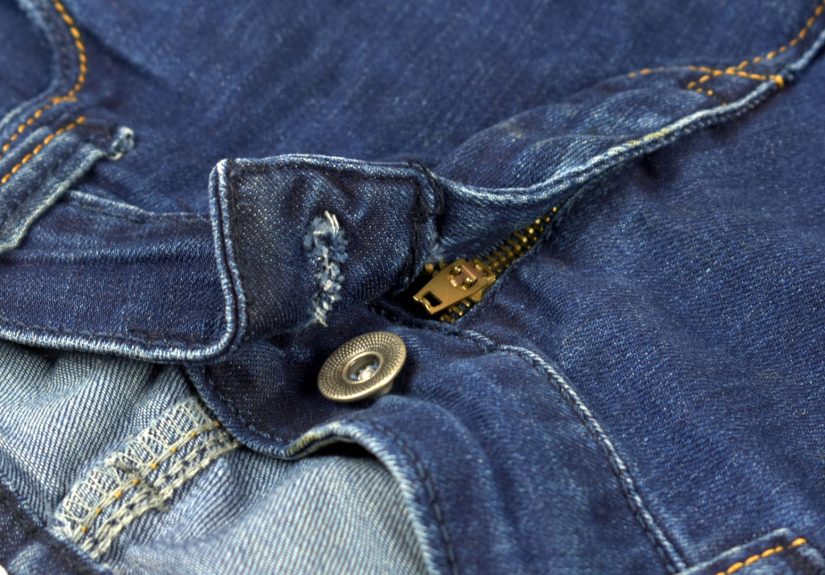
If your pants zipper still creeps down, create a backup lock. A small key ring, jump ring, or even a slim hair elastic can be threaded through the hole in the zipper pull. Once zipped, loop that ring around the button before fastening the waistband. Glamorous? Not particularly. Effective? Very often, yes. This trick is especially handy for jeans or trousers with a zipper that is mostly functional but no longer trustworthy.
Think of it as a seat belt for your fly. You hope the zipper behaves on its own, but it is nice to know there is backup.
When this fix works best
This method is best when the zipper teeth still mesh correctly and the zipper only slips down during movement. If the zipper opens from the middle, separates after you zip it, or refuses to line up properly, the real problem is probably the slider, not the lock.
Way 2: Tighten or replace the slider
Know the signs of a worn slider
A worn slider is one of the most common reasons a zipper will not stay closed. The classic symptom is this: you zip the garment up, but the teeth separate below or behind the slider, as if the zipper did the work and then immediately changed its mind. That usually means the slider has widened slightly and is no longer pulling the two sides together tightly enough.
This happens a lot on frequently used items like jeans, hoodies, jackets, sleeping bags, and backpacks. The zipper may look normal, but the slider has become the weak link.
How to tighten a zipper slider carefully
If the zipper teeth are intact, you can try gently tightening the slider with smooth needle-nose pliers. The key word here is gently. You are not trying to crush the zipper into another dimension. You are making a tiny adjustment to help the slider grip the zipper chain more firmly.
Work slowly and test after each small squeeze. On many zippers, you will want to apply slight pressure to the sides or top and bottom of the slider, depending on how it is shaped. If you squeeze too hard, the slider can become difficult to move or even break. If that happens, congratulations, you have upgraded yourself from “minor repair” to “shopping for parts.”
When replacement is the smarter move
If tightening only helps for a day or two, the slider is probably too worn to trust. Replacing the slider is often the better long-term fix. The important part is choosing the correct replacement. Zipper sliders must match the zipper’s size and type, such as metal, coil, or molded plastic. A mismatched slider may seem close enough, but “close enough” is a dangerous philosophy when your pants are involved.
If you are comfortable with simple repairs, you can remove the top stop, slide off the old slider, install the new one, and attach a new stop. If not, a tailor can usually do this repair without replacing the entire zipper, which is good news for garments you actually like.
However, if the zipper teeth are missing, badly bent, melted, or damaged in several places, replacing the slider will not solve the problem. At that point, the whole zipper usually needs replacement.
Way 3: Reduce drag, friction, and stress on the zipper
Clean and lubricate the zipper lightly
Sometimes the zipper is not exactly broken. It is just dragging. When a slider does not move smoothly, people tend to pull harder, twist the fabric, or force the zipper into place. That extra force can make the zipper wear faster and may contribute to it popping open later.
A light lubricant can help the slider glide more smoothly. Common options include a graphite pencil, a small amount of bar soap, or wax from a plain candle. Apply lightly to the zipper teeth, then move the slider up and down a few times. You want smoother movement, not a sticky science experiment. Go easy, especially on visible clothing, because too much product can stain fabric or attract more dirt.
Zip with alignment, not brute force
If the garment is tight or the zipper area is under strain, hold both sides of the fabric close together as you zip. Do not yank the slider while the two sides are pulling apart. That puts stress on the zipper teeth and can lead to misalignment, slider wear, or that annoying slow-motion unzip five minutes later.
This matters a lot for fitted dresses, skirts, and snug pants. In those cases, the zipper is not just closing fabric. It is fighting your entire outfit. Give it some help.
Add backup support for high-stress garments
If a dress, skirt, or pair of pants is constantly putting pressure on the zipper, a tailor can add a hook-and-eye closure or similar support above the zipper. This takes strain off the zipper itself and helps keep the top edge secure. It is a smart fix for formalwear, vintage clothing, or anything fitted enough to make a zipper feel emotionally unsupported.
Mistakes to avoid when fixing a self-unzipping zipper
- Do not over-crimp the slider. A tiny adjustment is helpful. Hulk-level plier pressure is not.
- Do not ignore missing teeth. A new slider cannot magically replace damaged zipper teeth.
- Do not force a misaligned zipper. That usually makes the problem worse.
- Do not use heavy, messy lubricants on clothing. A little goes a long way.
- Do not keep wearing a failing zipper and hoping for a miracle. Hope is not a repair method.
Which fix should you try first?
Start simple. If the zipper closes properly but slides down during wear, try the lock-and-anchor method first. If the zipper separates after closing, inspect the slider next. If the zipper feels rough, sticky, or strained, clean and lubricate it lightly while checking for tooth damage. The best zipper repair is usually the one that matches the actual failure, not the one that sounds the most heroic.
In other words, do not replace a whole zipper because a cheap little pull ring could have saved the day. And do not keep looping elastics around a zipper whose teeth are clearly waving the white flag.
Real-world experiences with zippers that would not behave
One of the most common experiences people have with this problem starts with a favorite pair of jeans. The zipper looks perfectly normal, the button works, and nothing appears broken. But after ten minutes of walking, sitting, and standing, the fly starts creeping down again. In many of those cases, the fix turns out to be simple: the zipper pull was not locking flat, or the slider had loosened just enough to stop holding tension. That is why so many people swear by the tiny ring-around-the-button trick. It is quick, invisible under most waistbands, and surprisingly effective for everyday wear.
Another classic situation happens with fitted skirts or dresses. You zip up, everything looks polished, and then the zipper slowly slides as the fabric pulls against it. This tends to happen when the garment is snug through the waist or hips. The zipper may not be broken at all; it may simply be handling more strain than it was designed for. People often assume they need a brand-new zipper, but adding a hook-and-eye closure at the top or having the fit adjusted slightly can make a huge difference. In real use, that kind of support often helps more than repeatedly forcing the zipper and hoping it suddenly becomes cooperative.
Jackets and hoodies tell a different story. These usually get zipped and unzipped constantly, which means the slider wears out faster. A person may notice that the zipper pulls up, but the teeth split apart right below it. That is the classic “worn slider” moment. Many people are shocked to learn that the whole zipper may not need replacing. A careful slider repair or replacement can bring a jacket back to life for far less effort than installing a new zipper from scratch. For an older favorite sweatshirt or coat, that is excellent news.
Bags and travel gear create yet another kind of zipper drama. Backpacks, pouches, and luggage tend to be overstuffed because humans are optimistic packers. When a zipper is under constant outward pressure, it wears down faster and may unzip itself if the slider cannot hold the teeth tightly enough. In real life, the lesson is simple: if a bag zipper keeps failing, do not just blame the zipper. Blame the three extra chargers, the emergency hoodie, the snacks, the notebook, and that mysterious object at the bottom that has apparently been living there since last semester.
The biggest lesson from all these experiences is that zipper problems usually leave clues before total failure. A pull that feels loose, a zipper that catches more often, teeth that do not line up smoothly, or a closure that slips only during movement are all warning signs. If you catch them early, the repair is often small. If you ignore them until the zipper fully gives up, the repair gets bigger, pricier, and much more annoying.
Final thoughts
If your zipper keeps unzipping itself, do not assume the garment is done for. In many cases, you can fix the problem by locking the pull correctly, anchoring it more securely, tightening or replacing the slider, or reducing strain with light cleaning and lubrication. The trick is choosing the fix that matches the failure.
A stubborn zipper is annoying, but it is also one of the more beatable problems in the clothing universe. With a little attention and the right method, you can stop the sliding, save the garment, and go back to living your life without checking your zipper every twelve seconds like a nervous secret agent.