Table of Contents >> Show >> Hide
- What Is Orange Zest, Exactly?
- Before You Start: How to Prep an Orange for Zesting
- Way #1: Use a Microplane or Rasp Grater
- Way #2: Use a Box Grater
- Way #3: Use a Vegetable Peeler and Knife
- Common Mistakes to Avoid When Zesting an Orange
- How Much Zest Do You Get from One Orange?
- How to Store Orange Zest
- How to Use Orange Zest in Everyday Cooking
- Which Method Is Best?
- Kitchen Experiences: What “3 Ways to Zest an Orange” Really Looks Like in Real Life
- Final Thoughts
- SEO Tags
If you have ever followed a recipe that casually asked for “the zest of one orange” as if that were as obvious as opening a drawer, welcome. You are among friends. Orange zest sounds fancy, smells amazing, and has a way of making even a basic cake batter feel like it suddenly got accepted into culinary finishing school.
The good news is that learning how to zest an orange is not difficult. The even better news is that you do not need a television-chef toolkit or the hands of a pastry wizard. You just need the right method, a little restraint, and the discipline to stop before you grate the bitter white pith like it insulted your family.
In this guide, you will learn 3 ways to zest an orange, when to use each method, what tools work best, and how to avoid the common mistakes that turn bright citrus flavor into a slightly grumpy mouthful of bitterness. If you bake, cook, make cocktails, or just want your yogurt to taste like it has better manners, orange zest deserves a permanent role in your kitchen.
What Is Orange Zest, Exactly?
Orange zest is the colorful outermost part of the orange peel. That thin layer contains fragrant oils that carry a lot of citrus aroma and flavor. It is bright, floral, slightly sweet, and much more concentrated than orange juice. Juice adds moisture and tang. Zest adds perfume, punch, and that “What is that amazing flavor?” moment.
The part you do not want is the white layer underneath the peel, called the pith. The pith is edible, but it is noticeably bitter. A good rule is simple: remove the orange part, stop at the white part, and rotate the fruit as you go.
Before You Start: How to Prep an Orange for Zesting
Before you zest an orange, give it a quick rinse under running water and rub the surface well. Then dry it thoroughly with a clean towel. This matters more than people think. A dry orange is easier to grip, and dry skin zests more cleanly than wet skin. In other words, do not begin with a slippery orange unless you enjoy tiny kitchen dramas.
Choose the Right Orange
Look for an orange with firm, fragrant skin and no soft spots. Fresh, smooth-skinned oranges are usually easier to zest than fruit that feels shriveled or dry. If your orange smells wonderful before you even cut it, that is already a promising sign.
Use the Zest Right Away If You Can
Fresh orange zest is strongest right after you grate or peel it because the aromatic oils are most vibrant at that point. You can store extra zest, and we will get to that, but if you want maximum flavor in cakes, cookies, frostings, marinades, or salad dressings, fresh is your best bet.
Way #1: Use a Microplane or Rasp Grater
If you want the easiest, fastest, and most recipe-friendly method, a Microplane is the gold standard. This tool creates fine, fluffy bits of zest that blend beautifully into batters, doughs, sauces, frosting, and dressings.
How to Do It
- Wash and dry the orange.
- Hold the Microplane in one hand and the orange in the other.
- Lightly drag the orange across the sharp surface using gentle pressure.
- Rotate the orange after each pass so you only remove the bright outer layer.
- Stop immediately when you see the white pith.
Why This Method Works
A Microplane produces very fine zest, which means the citrus flavor distributes evenly through recipes. That is why bakers love it. It disappears into sugar, butter, batter, and glazes while still delivering a strong orange aroma.
Best Uses for Microplane Zest
- Cakes and muffins
- Cookies and quick breads
- Pancake and waffle batter
- Buttercream and cream cheese frosting
- Marinades, vinaigrettes, and yogurt sauces
Pros and Cons
Pros: Very fine texture, fast, easy to control, ideal for baking.
Cons: Not everyone owns one, and it can remove too much pith if you press too hard.
Pro tip: zest the orange directly over a bowl of sugar if you are baking. Rubbing the zest into the sugar helps release the oils and boosts the citrus flavor in a surprisingly dramatic way. It is the culinary version of turning up the brightness setting.
Way #2: Use a Box Grater
No Microplane? No problem. A box grater can absolutely do the job. Use the side with the smallest holes, not the giant cheese-shredding side that looks like it wants to start a fight.
How to Do It
- Set the box grater on a cutting board or plate for stability.
- Hold the orange firmly.
- Rub the orange gently against the small holes in a downward motion.
- Turn the orange often so you do not grate into the pith.
- Tap or scrape the grater to collect the zest.
When a Box Grater Is the Best Choice
This method is perfect when you want orange zest but do not want to buy another kitchen gadget. It is also useful if you are already using the grater for cheese, garlic, or nutmeg and do not mind your prep station looking like a small but productive mess.
Texture and Flavor
Box grater zest is usually a little thicker and less delicate than Microplane zest, but it still works well in most recipes. It is especially good in baked goods, savory rubs, and dishes where a slightly more noticeable zest texture is not a problem.
Pros and Cons
Pros: Common kitchen tool, easy to use, no special purchase needed.
Cons: Zest may be less fine, and it is easier to accidentally hit the pith if you rush.
If you use a box grater, go slowly. Orange zest should be a controlled operation, not a speed run.
Way #3: Use a Vegetable Peeler and Knife
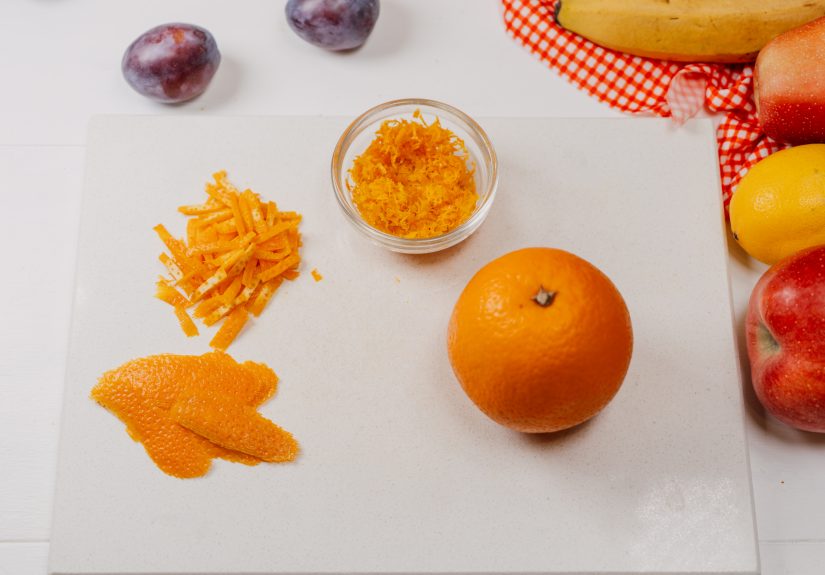
This method is the most versatile and the most underrated. If you do not have a Microplane or box grater, a vegetable peeler and a sharp knife can save the day. It also gives you long strips of peel, which are great for cocktails, garnishes, infusions, and recipes where you want a more dramatic citrus presence.
How to Do It
- Use a vegetable peeler to remove thin strips of orange peel.
- Try to take only the colored outer layer, with as little white pith as possible.
- If there is pith attached, scrape it off carefully with the edge of a spoon or a knife.
- Slice the peel into very thin strips, then mince it finely if your recipe calls for grated zest.
Why People Love This Method
You get more control over the shape of the zest. Want elegant strips for a cocktail garnish? Great. Need a rustic mince for a braise, salad, or candied peel project? Also great. This method is slower, but it is flexible and surprisingly useful.
Best Uses for Peeler-and-Knife Zest
- Cocktail twists
- Candied orange peel
- Infused syrups
- Tea, mulled drinks, and poaching liquids
- Recipes that can handle slightly larger pieces of zest
Pros and Cons
Pros: No specialized tool needed, good for strips and garnish, highly versatile.
Cons: Takes longer, requires knife work, not as fine as grated zest unless you mince carefully.
Common Mistakes to Avoid When Zesting an Orange
1. Taking Too Much Pith
This is the big one. The orange part is flavor. The white part is bitterness. If your zest starts looking pale or chunky, you have gone too far.
2. Zesting a Wet Orange
Moisture makes the peel slippery and harder to control. Dry fruit gives you cleaner, fluffier zest and fewer near-miss moments.
3. Waiting Too Long to Use It
Freshly zested orange is the most aromatic. Use it soon for the brightest flavor, especially in baking.
4. Forgetting to Rotate the Fruit
Do not keep grating the same patch like it owes you money. Rotate constantly and work around the fruit.
How Much Zest Do You Get from One Orange?
A medium orange typically gives you around 1 tablespoon of zest, though the exact amount depends on its size and how lightly or aggressively you zest. If a recipe calls for the zest of one orange, that is usually a manageable amount for home cooking and enough to noticeably brighten a dish without taking over.
How to Store Orange Zest
If you have extra zest, store it in an airtight container in the refrigerator for a short period or freeze it for longer storage. Freezing is especially useful if you only need orange juice for one recipe but hate wasting the peel. Future-you will be delighted when a cake, glaze, or cranberry sauce suddenly needs a citrus upgrade.
Smart Storage Tips
- Refrigerate for short-term use.
- Freeze in a small airtight bag or container.
- Label it clearly so it does not become one of those mysterious freezer items that inspires fear instead of confidence.
How to Use Orange Zest in Everyday Cooking
Orange zest is not just for fancy cakes during the holidays. It is one of the easiest ways to make everyday food taste brighter, fresher, and more intentional.
Sweet Uses
- Stir into cake batter, muffin batter, or cookie dough
- Mix with sugar for citrus-scented topping
- Add to glaze, icing, whipped cream, or cheesecake filling
- Blend into pancake batter or French toast custard
Savory Uses
- Whisk into vinaigrette
- Add to marinades for chicken, shrimp, or salmon
- Mix into softened butter for vegetables or bread
- Finish roasted carrots, green beans, or Brussels sprouts with a pinch of zest
Orange zest works because it adds flavor without adding much liquid. That matters in baking, where too much juice can throw off texture, and in savory cooking, where balance is everything.
Which Method Is Best?
If you want the short answer, here it is:
- Best overall: Microplane
- Best no-special-tool option: Box grater
- Best for strips, garnish, and flexibility: Vegetable peeler and knife
The best method depends on what you are making. For a cake or frosting, use a Microplane if possible. For a quick weeknight recipe, a box grater is perfectly respectable. For cocktails, candied peel, or bigger visual impact, grab the peeler.
Kitchen Experiences: What “3 Ways to Zest an Orange” Really Looks Like in Real Life
In theory, zesting an orange is a neat, efficient kitchen skill. In real life, it often begins with a recipe that says something wonderfully vague like “add zest from one orange,” followed by a brief pause while you stare into your utensil drawer like it contains the secrets of the universe. That is part of the charm. Orange zest is simple, but it teaches you a lot about cooking: how small details matter, how aroma changes everything, and how one piece of fruit can make a whole recipe feel brighter and more polished.
Many home cooks first discover orange zest during baking season. Maybe it is for holiday cookies, a loaf cake, cinnamon rolls, or a pan of cranberry bars that seemed nice enough until citrus entered the chat. The first pass with a Microplane is usually memorable because the smell is immediate. It is not just “orange.” It is sharper, fresher, and more floral than juice. It fills the kitchen fast, which is why zest often feels like a secret ingredient even though it is sitting in plain sight on the cutting board.
The box grater experience is a little more humble and a little more relatable. You may not own a Microplane. You may be halfway through a recipe and realize that buying a specialized tool is not happening today. So you reach for the box grater, brace it against a plate, and make it work. And honestly? It usually works well. The zest may be a touch thicker, the motion may feel slightly less elegant, but the result still brings that lively orange note to batter, frosting, salad dressing, or roasted vegetables. There is something satisfying about using what you already have and getting a genuinely good result.
Then there is the vegetable peeler and knife method, which feels like the method for people who either know exactly what they are doing or are winging it with incredible confidence. It is slower, but it also feels intentional. Long strips of peel look beautiful. Finely sliced orange peel can transform cocktails, syrups, and candied garnishes into something that looks far more impressive than the effort involved. This is usually the method that makes people realize zest is not only about baking. It belongs in savory dishes, drinks, sauces, and finishing touches too.
There is also a very real learning curve. Nearly everyone gets some pith the first time. Nearly everyone thinks, “Maybe one more swipe,” and immediately regrets it. But that is how the skill sticks. After a couple of oranges, you learn the pressure, the angle, and the point where you should rotate the fruit. Suddenly, you are not just following a recipe. You are making judgments, adjusting your technique, and cooking with more confidence.
That may be the best thing about learning the three ways to zest an orange: it is a tiny skill with outsized rewards. It makes everyday cooking feel more thoughtful. It gives simple recipes more personality. It teaches you how to extract big flavor from a small detail. And once you get used to having orange zest around, you start seeing opportunities everywhere. A little in pancake batter. A little in whipped cream. A little over roasted carrots. Before long, the orange on your counter is no longer just a snack. It is a flavor tool, a garnish, a baking booster, and occasionally a reason your kitchen smells better than a candle.
Final Thoughts
Learning 3 ways to zest an orange gives you more flexibility in the kitchen and a lot more flavor for very little effort. If you own a Microplane, that is the easiest and most precise option. If not, a box grater is a reliable backup, and a vegetable peeler with a knife can handle everything from recipe prep to cocktail garnish.
The biggest lesson is simple: focus on the orange outer peel, avoid the pith, and use the zest while it is fresh. Once you get comfortable with the technique, orange zest becomes one of those ingredients you start adding everywhere, usually with excellent results and zero regret.