Table of Contents >> Show >> Hide
- What Makes a Potting Bench with Storage Actually Work
- 34 Storage-Forward Potting Bench Ideas
- 1) The Classic Two-Shelf Workhorse
- 2) Galvanized Top + Slatted Shelves
- 3) Stainless Sink Insert (Real Sink Energy)
- 4) The “Dry Sink” Tub (No Plumbing, No Problem)
- 5) Hardware-Cloth Hatch for Soil Sifting
- 6) Pegboard Backsplash (Vertical Storage That Behaves)
- 7) Slatwall or Rail System (Upgrade from Random Hooks)
- 8) Magnetic Tool Strip for Metal Pruners
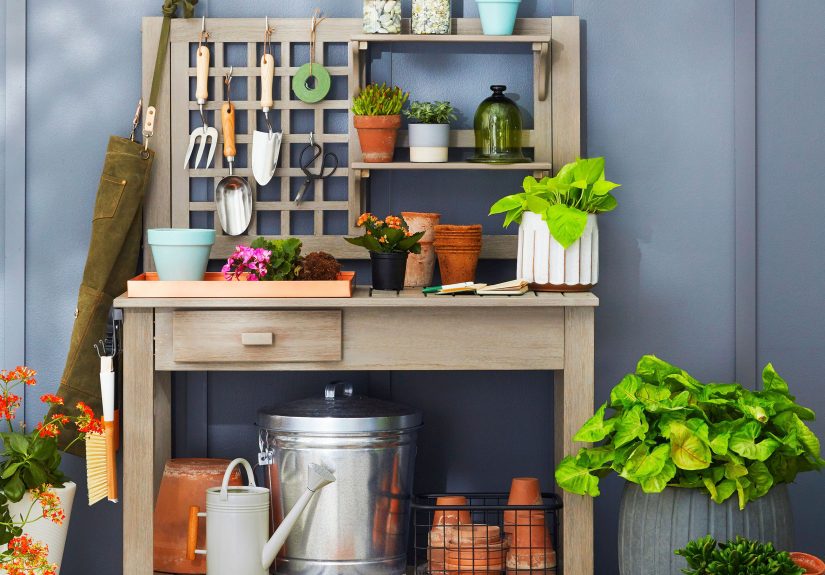
- 9) Side-Mounted Hook Bar (Fastest DIY Add-On)
- 10) Upper Shelf with a Front Rail
- 11) Pull-Out Soil Bin Drawer
- 12) Lidded Bins for Soil and Amendments
- 13) Tilt-Out Trash + Recycling Station
- 14) Rolling Bench with Locking Casters
- 15) Folding Wall-Mounted Potting Bench
- 16) Narrow “Balcony-Friendly” Bench
- 17) L-Shaped Corner Potting Station
- 18) Potting Bench Built Into a Shed Wall
- 19) Under-Counter Cabinets with Doors
- 20) Drawer Dividers for Small Tools and Labels
- 21) A Seed Library Drawer (Tiny Boxes, Huge Peace)
- 22) Hose Reel + Watering Can Cubby
- 23) Tiered Display Shelves for Pots and Starts
- 24) Trellis Back for Hanging Baskets and Tools
- 25) Bench + Mini Cold Frame Top
- 26) Upcycled Dresser Turned Potting Bench
- 27) Repurposed Kitchen Cart or Island
- 28) Vintage Console Table + Bins Below
- 29) Pallet Wood Bench with Crate Storage
- 30) Concrete Paver Base + Wood Top for Durability
- 31) Wire Baskets Under the Top Shelf
- 32) Clear Weatherproof Totes (So You Stop Rebuying Things)
- 33) Add a Shade Canopy or Pergola Nook
- 34) The “Potting-to-Party” Bench (Dual-Purpose Flex)
- How to Choose the Right Storage Setup (Without Overbuilding)
- Maintenance Tips That Keep the Bench Useful
- Conclusion: Build a Potting Station You’ll Actually Use
- Experiences Gardeners Commonly Have (and the Lessons That Stick)
A potting bench is basically the gardener’s “kitchen island”except the food is dirt, the utensils are pruners, and the chef keeps yelling, “Where did I put the labels?!” If your current system is a five-gallon bucket full of chaos (no judgment), a potting bench with storage is the upgrade that makes gardening feel less like scavenger hunting and more like a calm, competent hobby you totally have under control.
The best potting benches don’t just look cute. They save your back, keep tools visible, protect supplies from weather and pests, and make cleanup faster. Below are 34 practical, good-looking ideassome DIY-friendly, some “I can assemble that in sandals” friendlyplus the real-world lessons gardeners tend to learn after the first season of potting in the wind like a soil-powered confetti cannon.
What Makes a Potting Bench with Storage Actually Work
Start with the “standing-height sanity” rule
Your bench should land around a comfortable standing work height for youhigh enough that you’re not folding yourself into a question mark, but not so high you’re potting at shoulder level like a raccoon on a countertop. Many popular plans and ready-made benches cluster around the low-to-mid 30-inch range, while some “comfort height” options go taller. If multiple people garden in the household, consider a slightly taller bench plus a stable step stool nearby.
Storage that matches your mess
Storage only helps if it fits what you actually use. Frequent hand tools want hooks and rails. Seeds and plant labels want small drawers and divided boxes. Soil and amendments want lidded bins. And “mystery items” (you know the ones) need a dedicated catch-all so they stop migrating to the patio table.
Weatherproofing is not optional
Outdoor benches live a hard life: sun, rain, sprinklers, and the occasional “oops, that was a full watering can.” Pick rot-resistant wood (or treat/seal your lumber), and use exterior-rated screws and hardware. If you’re buying one, look for materials and surfaces that clean easily and don’t mind moisture.
34 Storage-Forward Potting Bench Ideas
1) The Classic Two-Shelf Workhorse
A simple tabletop plus a full-length lower shelf is the “little black dress” of potting benches. Store heavy stuff (bags of mix, watering cans) down low and keep the top clear for planting. Add labeled bins to prevent the shelf from becoming a soil avalanche zone.
2) Galvanized Top + Slatted Shelves
Use a galvanized metal work surface for easy cleanup and a bit more weather tolerance. Pair it with slatted shelves so rainwater doesn’t pool under your supplies. Bonus: spilled soil doesn’t immediately become modern art welded to wood grain.
3) Stainless Sink Insert (Real Sink Energy)
Add a removable sink basin for rinsing pots, washing hands, or dumping “oops” soil. A durable sink material makes a difference when you’re scrubbing muddy trays and pretending it’s relaxing.
4) The “Dry Sink” Tub (No Plumbing, No Problem)
Want the utility of a sink without dealing with pipes? Drop a tub into a cutout. Store the tub underneath when you need extra counter space. It’s the potting bench equivalent of a convertible sofaactually useful.
5) Hardware-Cloth Hatch for Soil Sifting
Build a small mesh “hatch” area into the top. Shake old soil or compost through, and let the crumbs fall into a bin on the shelf below. It’s tidy, efficient, and very satisfying in a “sorting tiny rocks like a wizard” kind of way.
6) Pegboard Backsplash (Vertical Storage That Behaves)
Mount a pegboard or similar panel on the back for hooks, small baskets, and hangable tools. Your most-used items stay visible, reachable, and far less likely to vanish into the shadow realm behind the shrub line.
7) Slatwall or Rail System (Upgrade from Random Hooks)
If you want a cleaner look than pegboard, install rails or slatwall-style panels. Add movable hooks and cups so the layout changes with seasonsseed-starting mode in spring, pruning mode in summer, bulb chaos in fall.
8) Magnetic Tool Strip for Metal Pruners
A magnetic strip keeps pruners, snips, and small trowels right where you can see them. It also prevents the classic “I set my pruners down and they immediately became invisible” phenomenon.
9) Side-Mounted Hook Bar (Fastest DIY Add-On)
Screw a hook bar onto the bench side for gloves, hand tools, twine, and a small brush. It’s a tiny addition that makes the whole station feel more intentionallike you planned this life.
10) Upper Shelf with a Front Rail
Add a top shelf for small pots, misters, and seed trays, then install a front rail to stop items from taking a dramatic leap every time you bump the bench. Gravity is not your project manager.
11) Pull-Out Soil Bin Drawer
Build a deep drawer designed to hold a lidded tote of potting mix. Slide it out, scoop what you need, slide it backno wrestling with floppy bags. Your knees will write you a thank-you note.
12) Lidded Bins for Soil and Amendments
Dedicate sealed bins for potting mix, compost, perlite, and fertilizer. It keeps everything dry and reduces pest interest. Also: you stop accidentally buying a fourth bag of perlite because you “couldn’t find the other ones.”
13) Tilt-Out Trash + Recycling Station
Add a tilt-out bin cabinet for plant debris and empty pots. Cleanup becomes a one-step motion instead of “carry drippy things across the yard and hope nothing falls off.”
14) Rolling Bench with Locking Casters
Put your potting station on wheels so you can chase shade, move closer to water, or roll into the garage when storms show up. Locking casters keep it stable while you work (and prevent surprise bench drift).
15) Folding Wall-Mounted Potting Bench
Perfect for small patios: a hinged surface folds down when you need it and tucks away when you don’t. Add a shallow wall cabinet above for gloves, seed packets, and labels.
16) Narrow “Balcony-Friendly” Bench
Go slim: a narrow top, a single lower shelf, and vertical storage behind. Use stackable bins instead of bulky cabinets. This is how you garden in a small space without turning your walkway into an obstacle course.
17) L-Shaped Corner Potting Station
Use a corner to gain counter space without consuming the whole yard. One leg holds potting work; the other can be “staging” for seedlings and tools. Add corner shelves for lightweight supplies.
18) Potting Bench Built Into a Shed Wall
If you have a shed, mount the bench along one wall and add upper cabinets. It’s tidy, protected, and makes your shed feel like a tiny workshopexcept the projects are alive and judgmental.
19) Under-Counter Cabinets with Doors
Doors hide visual clutter and protect supplies. Use one cabinet for “clean-ish” items (seeds, labels) and one for “dirt-adjacent” items (soil scoops, mixing bowls). Label them so you don’t create a surprise ecosystem.
20) Drawer Dividers for Small Tools and Labels
Add shallow drawers with dividers: pruners in one section, plant tags in another, twist ties in another. This is the difference between “I’m gardening” and “I’m searching for a Sharpie like it owes me money.”
21) A Seed Library Drawer (Tiny Boxes, Huge Peace)
Store seed packets in photo boxes or card dividers inside a drawer. Sort by season or plant type. Suddenly you can find basil seeds without performing interpretive dance and hoping for the best.
22) Hose Reel + Watering Can Cubby
Mount a compact hose reel on the side and create a dedicated lower cubby for watering cans and sprayers. Keeping water gear off the tabletop gives you a cleaner workflow and fewer accidental spills.
23) Tiered Display Shelves for Pots and Starts
Add stepped shelves above the worktop to hold small pots, seedlings, and frequently used bottles. It’s storage plus displayyour plants get a stage, and you get your counter back.
24) Trellis Back for Hanging Baskets and Tools
A trellis panel behind the bench can hold hooks, hanging planters, and small baskets. It’s also a great spot for twine and pruning shears, so they’re always within reach and never in your pockets.
25) Bench + Mini Cold Frame Top
Combine a potting bench with a small cold frame or clear-lid storage on top. Use it to harden off seedlings or protect delicate starts. Storage meets plant babysittingin a good way.
26) Upcycled Dresser Turned Potting Bench
Remove the top drawers (or cut openings) for a work surface, and keep drawers below for storage. It’s charming, space-efficient, and perfect for gardeners who enjoy giving old furniture a second life outdoors.
27) Repurposed Kitchen Cart or Island
A sturdy cart with shelves and drawers already has the storage you need. Add outdoor wheels, seal the surface, and you have a rolling potting station that can also moonlight as a serving cartplants by day, lemonade by dusk.
28) Vintage Console Table + Bins Below
Use an old console table as the base, then add weatherproof bins or baskets on the lower shelf. This style leans decorative but still works hard, especially for light potting and organizing small supplies.
29) Pallet Wood Bench with Crate Storage
Build a rustic frame from pallets (carefully sourced and sanded), then use wooden crates as modular storage. Crates are easy to pull out and carry to your garden bedsportable organization, minus the fancy price tag.
30) Concrete Paver Base + Wood Top for Durability
If you want something that laughs at weather, anchor the base with pavers or masonry and add a wood or metal top. Use shelves or bins between supports. It’s heavier, sturdier, and less likely to wobble mid-transplant.
31) Wire Baskets Under the Top Shelf
Mount wire baskets under an upper shelf for gloves, labels, plant ties, and small hand tools. The open design lets everything dry out and stay visibleno damp glove surprises.
32) Clear Weatherproof Totes (So You Stop Rebuying Things)
Use gasketed clear bins for fertilizers, seed-starting supplies, and irrigation parts. Clear bins make “out of sight, out of mind” less of a problem. Label them anywayfuture you deserves kindness.
33) Add a Shade Canopy or Pergola Nook
Build the bench under a small canopy, awning, or pergola corner so you can pot without roasting. Add wall shelves or hanging racks under the cover to keep supplies drier and your workspace more comfortable.
34) The “Potting-to-Party” Bench (Dual-Purpose Flex)
Design the bench with storage below and a wipe-clean top so it can double as an outdoor bar or serving station. Use attractive bins with lids and keep a small tray for “garden mode” tools that can be swapped for “guest mode” accessories.
How to Choose the Right Storage Setup (Without Overbuilding)
If you mostly do containers and houseplants
Prioritize small-item organization: drawers for labels and snips, bins for soil additives, and a tub for mixing. A compact bench with vertical hooks is often enoughespecially if you store big soil bags separately in sealed containers.
If you start seeds every year
You’ll want a “seed library” drawer, a tray shelf for flats, and a clean zone where labels and markers don’t get buried. Consider adding a small clip-on light or locating the bench near good daylight if you’re doing quick tasks like thinning and transplanting.
If you do heavy-duty garden projects
Go sturdier: thicker legs, bracing, and a top you can scrub. Build storage for bulk itemslidded bins for soil and compost, plus a big lower shelf that can hold weight. Add a trash station so cleanup doesn’t become a second project.
Maintenance Tips That Keep the Bench Useful
- Seal or oil wood surfaces so they resist moisture and stains.
- Store soil and amendments in lidded containers to reduce moisture and pest issues.
- Use labels like you mean itthe bench is only “organized” if you can find things fast.
- Do a five-minute reset after potting: dump debris, wipe the top, hang tools back up.
Conclusion: Build a Potting Station You’ll Actually Use
A potting bench with storage isn’t about having the fanciest setupit’s about making your routine smoother. Choose a comfortable height, pick storage that matches your habits, and add one or two “high-impact” upgrades like hooks, bins, or a removable tub. Once your tools stop wandering and your soil stops turning into a soggy bag surprise, gardening feels less chaotic and a lot more fun.
Experiences Gardeners Commonly Have (and the Lessons That Stick)
Gardeners tend to remember the day they finally got a real potting bench the way some people remember buying their first decent mattress: “Oh. So this is what comfort feels like.” The most common experience is the immediate reduction in unnecessary tripsno more sprinting back to the garage for pruners, then returning for gloves, then returning again because the labels are “somewhere safe.” Once the basics live in one spot, the whole hobby feels calmer. You can start a project and actually finish it without starring in your own outdoor sitcom.
Another classic moment happens when gardeners dial in the height. Many people begin with a bench that’s too low because it “looked right” online, then realize their back strongly disagrees. After a few weekends of potting, the bench gets shimmed, rebuilt, or magically replaced by a taller one. The lesson: ergonomics is not a luxury. It’s the difference between “I love gardening” and “I love gardening but I need to lie down in the driveway for a minute.”
Storage habits evolve too. At first, shelves feel like plentyuntil the lower shelf becomes a leaning tower of half-used bags. That’s when lidded bins enter the chat. Gardeners who switch from bags to sealed containers often report a weirdly satisfying side effect: you can scoop soil without fighting plastic that flops into your face. It also becomes easier to keep mixes dry and clean, which matters if your potting area is exposed to rain or sprinklers. People who’ve dealt with pests tend to become especially passionate about tight lidsbecause nothing ruins a peaceful planting session like discovering something has moved into your compost like it pays rent.
Many gardeners also learn that “vertical storage” is the fastest way to feel organized. Hooks, rails, pegboards, and hanging baskets keep tools visible and off the work surface. The first time someone hangs their pruners in the same spot every time, they experience a small but powerful joy: the pruners are there when needed. No digging. No accusations. No dramatic sighing. Just clean, simple competence.
And then there are the delightful “bonus uses.” A surprising number of potting benches end up doubling as outdoor serving stations during parties, or as a temporary staging table for grilling, or as a place to corral kids’ art supplies outside. The reason is simple: once you have a sturdy surface plus storage below, it becomes useful for anything slightly messy. Gardeners often end up designing their bench with this in mindchoosing a wipe-clean top, hiding clutter in bins, and keeping one shelf “swappable” so the station can transform from potting to hosting in about two minutes.
The most consistent experience, though, is the long-term one: a good potting bench becomes a habit. People who build a quick cleanup step into the layouttrash bin nearby, brush on a hook, soil stored in binstend to keep the area neat without much effort. They don’t need an annual “potting shed reckoning” where everything gets dumped onto the lawn and judged harshly. Instead, the bench stays usable week after week, which means gardening stays enjoyable. And honestly, that’s the whole point: fewer hassles, more plants, and a lot less time asking a bag of potting mix why it’s soaking wet again.

![How to create a content style guide [+ free guide & examples]](https://2quotes.net/wp-content/uploads/2026/03/how-to-create-a-content-style-guide-free-guide-examples-tuSyLoTW-thumb.jpg)