Table of Contents >> Show >> Hide
If your walls are giving “plain drywall in a rental listing” energy, farmhouse shiplap might be the rescue mission your home has been waiting for. Shiplap adds texture, rhythm, and that quietly confident charm that makes a room feel finished without screaming for attention. It can lean rustic, coastal, modern, or somewhere in that sweet spot where vintage warmth meets clean lines. In other words, it is not just for fixer-upper fantasies and coffee mugs that say “gather.”
The best part is that farmhouse shiplap walls can work in nearly any room. A crisp white installation brightens a dim hallway. A moody painted version makes a bedroom feel cocoon-like. Natural wood tones warm up kitchens, offices, and entryways that need more personality. Whether you want a full wall treatment, a half-wall detail, or a tiny nook that looks custom instead of accidental, there is a shiplap idea here with your name on it.
Below, you will find 38 farmhouse shiplap wall ideas that can spruce up any space, plus practical styling advice so your room feels layered and timeless rather than like it wandered out of a trend report from five years ago.
Why Farmhouse Shiplap Walls Still Work
Shiplap has staying power because it solves two design problems at once: it adds texture to flat walls, and it brings architectural character where none existed before. Traditional shiplap uses boards with a slight reveal between planks, which creates soft shadow lines. That small detail is exactly why a basic wall suddenly looks more expensive and more intentional.
Farmhouse style also has more range now than the all-white, barn-door-heavy version people instantly picture. Today’s best farmhouse interiors mix shiplap with warmer neutrals, vintage finds, stone, plaster, black metal, aged brass, and natural wood. The result feels calmer, more elevated, and less like your wall is auditioning for a reality TV renovation montage.
38 Farmhouse Shiplap Wall Ideas for Every Room
Living Room Shiplap Ideas
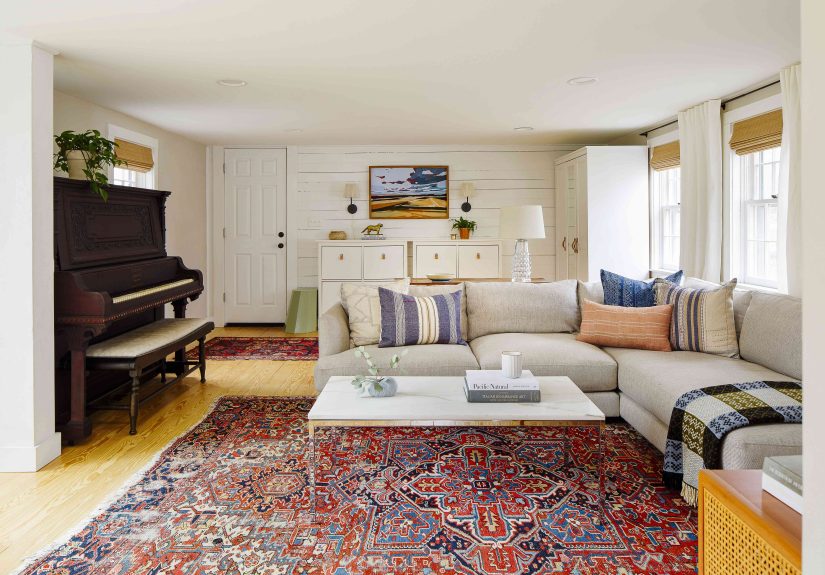
- Go classic with a white full-wall backdrop. A white horizontal shiplap wall behind the sofa creates that clean farmhouse look without making the room feel heavy. Add linen pillows, a chunky wood coffee table, and black-framed art for balance.
- Frame the fireplace with shiplap. A shiplap fireplace wall instantly becomes the star of the room. Pair it with a reclaimed wood mantel so the space feels cozy instead of overly polished.
- Use greige shiplap for a softer look. If bright white feels too sharp, choose a warm greige or mushroom tone. It keeps the farmhouse texture while feeling more grown-up and easier on the eyes.
- Try vertical shiplap for higher-looking ceilings. Vertical boards pull the eye upward and help short rooms feel taller. It is a neat visual trick with much better manners than a top hat.
- Add built-ins against a shiplap wall. Bookshelves and cabinets pop beautifully against paneling. This combination makes the room feel more custom, especially in newer homes with limited architectural detail.
- Use black shiplap for a modern farmhouse twist. A matte black wall adds drama while keeping the linework that makes shiplap appealing. Balance it with lighter upholstery and wood accents so the room does not drift into cave territory.
- Install a half-wall behind seating. If a full wall feels like too much, a shiplap half-wall adds texture without taking over. Top it with simple artwork or a picture ledge.
- Wrap a reading nook in paneling. Even a small corner feels intentional when lined with shiplap. Add a sconce, a cozy chair, and one suspiciously expensive throw blanket you defend with your life.
Bedroom Shiplap Ideas
- Create a statement headboard wall. A shiplap accent wall behind the bed anchors the room instantly. This is one of the easiest ways to make a basic bedroom feel like a boutique farmhouse retreat.
- Paint it sage green. Soft green shiplap looks fresh, calming, and slightly more original than standard white. It works especially well with cream bedding, oak furniture, and brass lighting.
- Use natural wood for rustic warmth. Stained or lightly sealed wood shiplap gives bedrooms a cabin-meets-farmhouse feel. Keep the rest of the palette simple so the wood grain can do the talking.
- Try a board-to-ceiling application. Running shiplap all the way to the ceiling makes the room feel complete and architectural. It is especially effective in guest rooms that need extra charm.
- Pair white shiplap with vintage art. The wall treatment creates a crisp base, while old landscape paintings or antique frames keep the room from feeling too new. Farmhouse style loves a little history.
- Add picture ledges over the paneling. This gives you easy styling flexibility without a giant gallery wall commitment. Switch out prints by season or mood without patching the wall every other month.
- Use moody blue shiplap in a primary bedroom. Deep blue adds richness and makes the room feel cocooning. Layer with creamy textiles and warm wood to keep it inviting.
- Install shiplap in a bunk room. Farmhouse shiplap and bunk beds are a match made in vacation-house heaven. It adds texture while standing up visually to lots of furniture in a compact room.
Kitchen and Dining Room Ideas
- Line a breakfast nook wall. A shiplap backdrop makes even a tiny breakfast corner feel charming and deliberate. Add a bench, a pedestal table, and a pendant light for instant personality.
- Use shiplap above open shelving. This keeps the wall from feeling blank once upper cabinets are gone. It also gives your dishes and pottery a warmer background.
- Create a farmhouse range wall. Shiplap around a vent hood or cooking zone adds softness to a kitchen full of hard finishes. Just make sure your materials and paint finish are practical for cleanup.
- Panel the island base. Technically it is not a wall, but it gives the kitchen the same farmhouse texture in a subtler way. It is a great choice if you want the look without covering every vertical surface in boards.
- Try a dining room accent wall in warm white. Shiplap adds just enough visual interest behind a dining table without competing with artwork or a chandelier. It makes everyday dinners feel a little less Tuesday.
- Go dark in the dining room. Charcoal or deep olive shiplap can make a dining space feel intimate and sophisticated. Add candlelight and suddenly leftovers feel almost elegant.
- Mix shiplap with wallpaper. Use paneling on the lower portion and a subtle floral or striped wallpaper above. This layered look gives farmhouse interiors more dimension and less predictability.
- Wrap a pantry wall for extra character. Pantry nooks and butler’s spaces are ideal for small doses of shiplap. These tucked-away spots can handle a little personality without overwhelming the main kitchen.
Bathroom and Laundry Room Ideas
- Use shiplap behind a freestanding tub. It creates a spa-like focal point while still feeling cozy and relaxed. White, pale gray, and soft clay tones all work beautifully here.
- Install vertical shiplap in a powder room. Small rooms can handle bold texture, and vertical lines help the ceiling feel taller. Add a vintage mirror and a simple sconce to finish the look.
- Try half-wall shiplap with tile above. This is practical and stylish in bathrooms where you want warmth without overcommitting. It also helps protect the lower wall while keeping the room airy.
- Paint laundry room shiplap a cheerful color. Soft blue, muted green, or buttery cream can make the most boring chore zone feel less like punishment. No promises on making folding fun, though.
- Add hooks and utility rails. Shiplap in mudrooms and laundry rooms becomes even more useful when combined with storage features. It is farmhouse style with a work ethic.
- Use satin-finish paint in high-touch spaces. A slightly more durable finish helps the paneling hold up better in hardworking rooms. Beauty is nice, but beauty that survives wet towels is better.
Entryway, Hallway, and Staircase Ideas
- Create an inviting entry wall. Shiplap makes a foyer feel finished the second you walk in. Add a bench, a few hooks, and a mirror, and the whole home starts stronger.
- Install a hallway half-wall. Long hallways can feel flat and forgettable. A paneled lower wall adds detail without crowding the space.
- Wrap the staircase wall. Shiplap along the stair run turns a pass-through area into a design moment. It looks especially good with black handrails or natural wood treads.
- Use a peg rail over the paneling. This classic farmhouse detail is perfect in mudrooms and entries. Function plus charm is basically the farmhouse business model.
Office, Nursery, and Bonus Space Ideas
- Build a farmhouse home office backdrop. A shiplap wall behind a desk looks polished on video calls and gives the room a calmer, more finished look. Your coworkers may assume you suddenly became organized.
- Use soft white paneling in a nursery. It adds coziness and texture without relying on loud decor. Pair it with woven baskets, natural wood, and gentle colors for a timeless feel.
- Try shiplap on the ceiling. Ceiling paneling adds architectural interest in bedrooms, porches, and bonus rooms. It is the design equivalent of remembering to accessorize.
- Panel a loft, attic, or awkward nook. Sloped ceilings and odd walls often look more intentional when covered in shiplap. Instead of fighting the angles, the paneling helps them feel charming.
How to Make Shiplap Look Fresh, Not Overdone
The secret to stylish farmhouse shiplap walls is restraint. You do not need every room to look like it was cloned from the same mood board. Use shiplap where it creates the biggest payoff: a fireplace wall, a bed wall, a foyer, a breakfast nook, or a powder room. Then let the rest of the home breathe.
Color matters too. Crisp white still works, but newer farmhouse spaces often feel warmer with cream, greige, taupe, muted green, smoky blue, or stained wood. These shades make the texture feel richer and less theme-driven. Mixing shiplap with plaster, tile, stone, wallpaper, and vintage art also keeps the room from feeling one-note.
If you are planning a DIY project, prep matters. Measure carefully, work around outlets cleanly, and decide whether you want real wood, MDF, or a faux-shiplap approach before you start. In moisture-prone rooms, choose materials and finishes that can handle humidity. Nothing kills farmhouse charm faster than warped boards and regret.
Final Thoughts
Farmhouse shiplap walls remain popular for a reason: they are flexible, approachable, and full of texture. A good shiplap wall can make a builder-grade room feel custom, a small corner feel cozy, and a tired space feel styled without a complete renovation. Whether your taste runs traditional, modern farmhouse, cottage, or slightly moody with a side of antique brass, there is a version of shiplap that can work for you.
The trick is to use it with intention. Pick the right room, choose a finish that fits your home, and style it with enough contrast to keep things interesting. Do that, and your walls will feel less like an afterthought and more like the reason the whole room finally makes sense.
of Real-Life Experience With Farmhouse Shiplap Walls
One of the most interesting things about farmhouse shiplap walls is how often people love them for reasons they did not expect. At first, the appeal seems obvious: they look charming in photos, they add texture, and they instantly make a room feel more polished. But once homeowners actually live with shiplap, they usually talk less about the trend factor and more about the atmosphere. Rooms with paneling often feel warmer, quieter, and more intentional. Even when the furniture is simple, the wall treatment makes the space feel finished.
In living rooms, shiplap tends to work best when it is used to highlight one feature rather than dominate every surface. People often say a fireplace wall or TV wall becomes easier to decorate once the paneling is in place because the room finally has a visual anchor. Suddenly, the mantel makes sense, the art looks better, and the sofa no longer seems to be floating in space like it is awaiting instructions from mission control. That extra structure can be especially helpful in open-concept homes where everything tends to blur together.
Bedrooms are another place where homeowners often notice the biggest payoff. A shiplap accent wall behind the bed creates a natural focal point, which means the room feels styled even when the bedding is simple. Many people also find that painted shiplap changes the mood of a room in a surprisingly strong way. White feels bright and breezy, sage feels peaceful, and darker colors like navy or charcoal make the room feel cocoon-like and restful. The texture catches light differently throughout the day, so the wall never looks completely flat or dull.
In kitchens and dining spaces, experience tends to teach one big lesson: balance is everything. A little shiplap can be wonderful behind open shelves, in a breakfast nook, or on an island base, but too much can make a hardworking space feel busy. The most successful farmhouse kitchens usually mix shiplap with smoother surfaces like stone counters, tile backsplashes, or painted cabinetry. That contrast keeps the room fresh. People also learn quickly that wipeable finishes matter. A beautiful wall near a stove or sink should still be easy to clean when real life shows up with spaghetti sauce.
Bathrooms, mudrooms, and laundry rooms offer another practical lesson. Shiplap looks lovely in small spaces because the texture gives them more character, but material choice matters. Homeowners who have had the best long-term results usually pay attention to moisture, ventilation, and paint durability from the start. The style is charming, yes, but it also needs to survive steam, splashes, backpacks, wet boots, and whatever else the day throws at it.
Perhaps the most consistent experience people describe is this: shiplap works best when it supports a room instead of trying to be the whole personality of the room. Add art, vintage furniture, baskets, metal accents, fabric, and lighting, and the space feels layered. Rely on the wall treatment alone, and it can feel unfinished. In the end, farmhouse shiplap walls shine when they are treated like a foundation for good design, not a shortcut around it. That is what turns a pretty idea into a home that actually feels good to live in.