Table of Contents >> Show >> Hide
- What Are 4-Pack Abs, Exactly?
- Why Some People Show a 4-Pack Instead of a 6-Pack
- Men vs. Women: Why Abs Often Look Different
- Can Exercises Alone Give You a Visible 4-Pack?
- Best Exercises for Stronger, More Defined Abs
- What to Eat for 4-Pack Abs
- Common Mistakes People Make
- How Long Does It Take to See a 4-Pack?
- Real-World Experiences With 4-Pack Abs, 6-Pack Goals, and Core Training
- Final Takeaway
If the internet has ever made you believe that everyone on Earth is secretly issued a six-pack at birth and simply loses the receipt, let’s clear that up right away. Some people naturally show a 4-pack, some a 6-pack, some an 8-pack, and some have strong abs that never look like a cereal-box diagram. That is not failure. That is anatomy being delightfully inconvenient.
Visible abs come from a mix of genetics, muscle development, body-fat levels, training habits, nutrition, sleep, stress, and consistency. In other words, your abs are not hiding because you forgot to do 27 extra crunches on Tuesday. They are part of a bigger picture. If your goal is a 4-pack, a stronger core, or simply understanding why your midsection looks the way it does, this guide breaks it all down in plain English.
What Are 4-Pack Abs, Exactly?
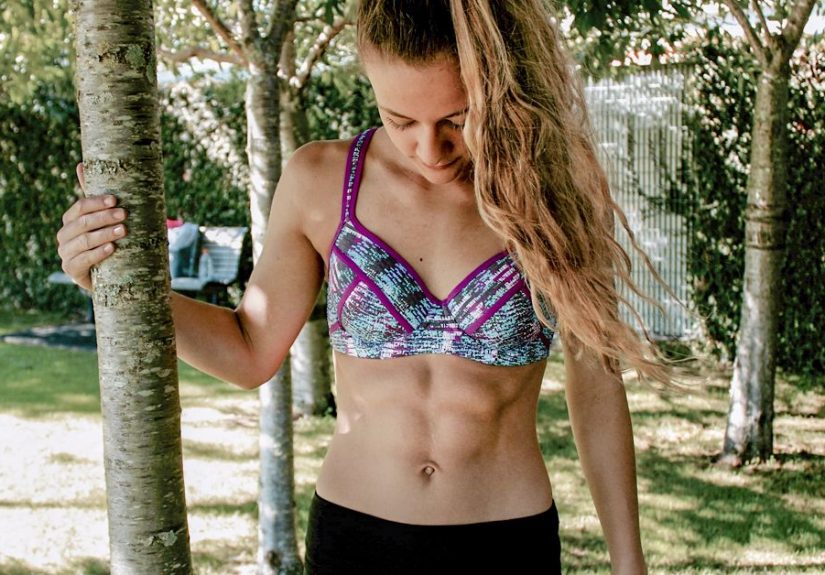
A 4-pack refers to the visible segments of the rectus abdominis, the long paired muscle that runs vertically down the front of your abdomen. That muscle is divided by connective tissue bands called tendinous intersections. Those bands create the “blocks” people associate with washboard abs.
Most people think in terms of a 6-pack because that is the most common look. But a 4-pack is completely normal. The number of visible segments depends mostly on how many connective tissue bands you were born with and how they are arranged. You cannot train your way from a 4-pack into a 6-pack any more than you can do lunges until you become six inches taller. Your workouts can make your abs stronger and thicker, but genetics largely decide the layout.
4-Pack vs. 6-Pack vs. 8-Pack
Here is the simple version:
- 4-pack abs: fewer visible abdominal segments, often because there are fewer connective tissue intersections or they sit differently.
- 6-pack abs: the most common pattern, with three visible rows.
- 8-pack abs: more visible rows, often associated with additional intersections and favorable genetics.
A 4-pack is not “worse” than a 6-pack. It does not mean you are less fit, less strong, or somehow only 66% committed to your core. It simply means your abdominal anatomy took a different design route.
Why Some People Show a 4-Pack Instead of a 6-Pack
Genetics is the headline here, but not the whole article. The shape, symmetry, length, and spacing of your abdominal segments are largely inherited. That is why two people can train just as hard and eat similarly, yet one shows a neat 4-pack while the other shows a slightly crooked 6-pack. Bodies are not IKEA furniture. They do not all come with the same pieces in the same places.
Body-fat levels also matter. Even well-developed abs will not stand out clearly if they are covered by more subcutaneous fat. That does not make a body unhealthy. It simply means visible definition is a cosmetic outcome, not a universal health badge. Plenty of strong, athletic people have excellent core strength without magazine-cover abs.
Muscle thickness plays a role too. Training the core can increase abdominal development, improve posture, and create more definition. But it will not change the basic “pack” blueprint you were born with.
Men vs. Women: Why Abs Often Look Different
This is where a lot of people get confused, frustrated, and occasionally lured into bad advice from someone named “ShredZilla” on social media. Men and women both have rectus abdominis muscles, obliques, and deep core muscles. The difference is not that one sex gets premium abs and the other gets the trial version. The difference is physiology.
Women generally carry a higher percentage of body fat than men for normal hormonal and reproductive functions. Women also tend to store more fat in the gluteal-femoral region, while men are more likely to store more fat in the abdominal region. Men also tend to have more lean muscle mass overall. Because of those differences, men often reveal visible abs more easily, while women may have to work harder for the same degree of definition.
That does not mean women should chase extremely low body-fat levels at all costs. In fact, that can backfire. For many women, very visible abs are harder to maintain year-round without compromising energy, recovery, mood, or menstrual health. A healthy body does not owe anyone a permanent photoshoot.
Pregnancy and postpartum recovery can also affect how abs look and function. Some women experience diastasis recti, a separation of the rectus abdominis muscles. In those cases, core training should focus on proper healing and function instead of trying to force cosmetic definition too soon. If there is doming, bulging, or persistent separation, it is smart to work with a qualified clinician or pelvic floor physical therapist.
Can Exercises Alone Give You a Visible 4-Pack?
Not by themselves. This is the part where the myth of “I’ll just do 500 crunches and wake up looking carved from marble” politely exits the building.
Ab exercises strengthen the abdominal muscles. They can improve muscular endurance, posture, trunk stability, and the way your midsection looks. But they do not selectively burn fat off your belly. Spot reduction is one of fitness culture’s oldest fairy tales. Sit-ups can tighten muscles, but they do not directly melt visceral or subcutaneous abdominal fat.
If your goal is more visible abs, the winning formula usually includes:
- progressive strength training,
- regular aerobic activity,
- a balanced eating pattern that supports a healthy body composition,
- adequate sleep,
- stress management,
- consistency over time.
That is less glamorous than “three secret ab hacks,” but it works better and comes with fewer dramatic all-caps promises.
Best Exercises for Stronger, More Defined Abs
A smart ab routine does not only hammer the front of the stomach. It trains the full core: rectus abdominis, internal and external obliques, transverse abdominis, hips, glutes, and spinal stabilizers. Variety matters because no single exercise challenges every part of the core equally well.
1) Crunches
Yes, the classic crunch still deserves a seat at the table. Done with good form, it effectively trains the rectus abdominis. Keep your chin relaxed, avoid yanking your neck, and focus on controlled movement instead of flinging yourself upward like you are trying to escape the floor.
2) Planks
Planks are excellent for building deep core stability, especially through the transverse abdominis. They also train you to resist movement, which is a big deal for spine health and real-world strength. If you shake after 20 seconds, congratulations: the plank has introduced itself properly.
3) Side Planks
These target the obliques and challenge lateral stability. They are especially useful if you want more than just front-facing ab work and want a stronger, more balanced torso.
4) Bicycle Crunches
Bicycle crunches remain a favorite because they combine flexion and rotation, which brings the obliques into the conversation. They can be effective, but only if you move with control rather than turning the exercise into interpretive dance.
5) Reverse Crunches or Leg Raises
These emphasize the lower portion of the rectus abdominis and challenge pelvic control. The key is not swinging the legs wildly. Slow reps beat momentum every time.
6) Bridges and Dead Bug Variations
These may not look flashy, but they help train trunk stability, pelvic control, and coordination between the core and hips. That is useful whether your goal is a visible 4-pack or simply a back that does not complain every time you stand up too fast.
Sample Core Workout
Try this routine two to three times per week:
- Crunches: 10 to 15 reps
- Front plank: 20 to 40 seconds
- Side plank: 20 to 30 seconds per side
- Bicycle crunches: 10 to 15 reps per side
- Reverse crunches: 10 to 12 reps
- Bridge: 10 to 15 reps
Complete two to three rounds. Rest briefly between moves. As you get stronger, increase time under tension, improve form, or add resistance instead of only adding more repetitions forever like you are paying off a crunch debt.
What to Eat for 4-Pack Abs
There is no magical “ab food,” and anyone selling you a powder called Core Thunder should not be trusted with your grocery list. Diet for visible abs is really about an overall eating pattern that supports muscle retention, sensible body composition, and sustainable habits.
A strong approach usually includes:
- Lean proteins: chicken, fish, eggs, Greek yogurt, tofu, tempeh, beans, and lentils can help support muscle recovery and fullness.
- High-fiber foods: fruits, vegetables, beans, whole grains, nuts, and seeds help with satiety and overall nutrition.
- Whole-food carbohydrates: oats, potatoes, rice, fruit, and whole grains can fuel training without the dramatic energy crash of living on pastries and vibes.
- Healthy fats: avocado, olive oil, nuts, seeds, and fatty fish support overall health and help meals feel satisfying.
- Hydration: being dehydrated can make you feel sluggish, affect performance, and sometimes make the midsection look puffier than it actually is.
It also helps to keep an eye on added sugars, highly processed snacks, oversized restaurant portions, and frequent liquid calories. You do not need a crash diet. You do not need to fear carbs. You do not need to “earn” food with exercise. What usually works best is a modest, sustainable calorie deficit for fat loss when needed, while keeping protein and training consistent enough to preserve muscle.
If you are trying to make your abs more visible, the best diet is the one you can actually follow without turning meals into a joyless spreadsheet. Extreme restriction often leads to rebound eating, lousy workouts, and a relationship with food that feels about as fun as stepping on a Lego.
Common Mistakes People Make
- Doing only ab workouts: A stronger core helps, but full-body training and aerobic activity matter too.
- Chasing spot reduction: You cannot choose where fat leaves first.
- Under-eating: Too little food can hurt recovery, hormones, mood, and muscle retention.
- Ignoring sleep and stress: Poor recovery makes almost everything harder, including body-composition changes.
- Comparing yourself to edited images: Lighting, dehydration, pump, posture, and photo filters can make normal bodies look like comic-book panels.
- Treating visible abs as the only sign of fitness: Strong abs are useful. Visible abs are optional.
How Long Does It Take to See a 4-Pack?
There is no one-size-fits-all timeline. A person who already has a solid training base and moderate body-fat levels may notice more definition within weeks. Someone starting from scratch may need months of steady training, better nutrition, and patience. Genetics, age, sleep, stress, training history, and consistency all matter.
The better question is not, “How fast can I force this?” but, “Can I build habits that improve my body without wrecking my life?” Usually, the people who make the most progress are the ones who stop hunting for shortcuts and become boringly consistent. Boring works. Boring is underrated. Boring gets stuff done.
Real-World Experiences With 4-Pack Abs, 6-Pack Goals, and Core Training
One of the most common experiences people report is realizing that abs are far less mysterious than they first seemed and far more stubborn than fitness ads would like to admit. At the beginning, many assume the answer is simply more ab exercises. So they pile on crunches, add random YouTube circuits, and expect dramatic changes in a week or two. What they usually notice first, however, is not a visible 4-pack. It is a sore neck, tired hip flexors, and the humbling discovery that planks feel much longer than the clock claims.
Then comes the second phase: people start understanding that strong abs and visible abs are related, but not identical twins. Someone may suddenly feel more stable during squats, more controlled during running, or less achy in the lower back long before any major cosmetic change shows up. That experience matters. A stronger core often improves daily movement, posture, balance, and athletic performance before it changes mirror lighting drama. In other words, your body may be getting better at its job before it looks like it auditioned for an action movie.
Another shared experience is frustration over body differences. Two friends can follow similar workouts, eat similar meals, and get very different visual results. One may reveal a neat 4-pack quickly, while the other gets stronger without much visible segmentation. That can feel unfair, and honestly, sometimes it is. Genetics can be annoyingly influential. But many people eventually find relief in learning that a 4-pack, a 6-pack, asymmetrical abs, or softer-looking abs are all normal expressions of human anatomy, not proof that someone “did it wrong.”
Women often describe a particularly tricky experience with ab goals. They may train hard, eat well, and still find that getting sharply defined abs requires a level of leanness that feels difficult to maintain. Some notice lower energy, harder recovery, mood changes, or menstrual disruption when they push too aggressively. That is why many women shift their goal from “I need permanent visible abs” to “I want a strong core, healthy routines, and definition when it happens naturally.” That change in mindset tends to feel a lot more sustainable and a lot less punishing.
Men often report a different surprise: visible abs do not automatically arrive just because they lift weights and have decent muscle mass. Many discover they store more fat around the midsection than expected, which means they can look strong everywhere else while the abs remain undercover. Their experience often becomes a lesson in overall nutrition, sleep, and consistency rather than just harder ab circuits. The great betrayal is that the body usually prefers whole-habit improvements over dramatic one-week efforts. Very rude, but true.
Perhaps the most useful experience people share is that once they stop obsessing over the number of visible ab blocks, progress becomes more enjoyable. They start appreciating milestones like holding a longer plank, controlling reverse crunches without swinging, recovering better, eating more consistently, and feeling more athletic overall. Ironically, that balanced approach is often what leads to better-looking abs in the long run. When the process gets healthier, the results usually get better too.
Final Takeaway
A 4-pack is not a downgraded 6-pack. It is simply one normal version of abdominal anatomy. The number of visible ab segments is mostly determined by genetics, while the visibility of those segments depends on factors like body-fat levels, muscle development, and overall habits. Men and women can both build strong, defined abs, but their bodies do not always reveal them in the same way or at the same pace.
If you want better abs, train your full core, lift weights, stay active, eat like a grown-up most of the time, recover properly, and stop expecting your body to respond like a clickbait headline. Strong abs are worth building. Whether they show up as a 4-pack, a 6-pack, or a “surprisingly capable torso that carries groceries without complaint,” that is still progress.