Table of Contents >> Show >> Hide
- Why These Sides Work With Steak (And Not Against It)
- Side Dish #1: High-Heat Roasted Brussels Sprouts With Honey-Vinegar Finish
- Side Dish #2: Steakhouse Creamed Spinach (Rich, Silky, Unapologetic)
- Side Dish #3: Crispy Smashed Potatoes With Garlicky Butter (A Crunchy, Golden Situation)
- Side Dish #4: Classic Wedge Salad With Blue Cheese Dressing (The “More” Your Steak Deserves)
- How to Time It All (So Dinner Doesn’t Turn Into a Snack Parade)
- Experience Notes: What You’ll Learn After a Few Steak Nights (About of Real-World Wisdom)
- Conclusion
Steak is the headline act. But a truly memorable steak dinner? That’s a full-on ensemble castcrispy, creamy, bright, and just a little dramatic.
Because let’s be honest: if your plate is only steak, it’s less “steakhouse experience” and more “I forgot groceries, but I do own salt.”
Below are four sides that hit the classic steakhouse notes (potatoes! greens! something crunchy and cold!) while staying realistic for a home kitchen.
Each one is built to complement the richness of steakribeye, strip, filet, skirtwithout stealing the show. Mostly.
Why These Sides Work With Steak (And Not Against It)
Steak is rich: fat carries flavor, and browning brings deep savory notes. The best side dishes for steak do one (or more) of the following:
- Cut through richness with acidity and crunch (hello, wedge salad).
- Match the savory depth with umami and browning (mushrooms, roasted veggies).
- Soak up juices like it’s their job (crispy potatoes, anything creamy).
- Add contrast so every bite feels new: hot/cold, crisp/soft, bright/rich.
Translation: you want a plate that tastes like a “yes,” not like four beige foods having a meeting.
Side Dish #1: High-Heat Roasted Brussels Sprouts With Honey-Vinegar Finish
Brussels sprouts are the glow-up story of the last decade. The trick is high heat and zero crowding:
that’s how you get crisp edges and sweet, nutty flavor instead of “steamed gym socks.”
Why it works
- High heat = better browning, which boosts sweetness and reduces harsh bitterness.
- A sweet-tang finish (honey + vinegar) balances steak’s richness like a good comeback line.
Ingredients (serves 4)
- 1 ½ lb Brussels sprouts, trimmed and halved (quartered if large)
- 2–3 tbsp olive oil (or melted beef tallow if you’re feeling fancy)
- ¾ tsp kosher salt, plus more to taste
- Black pepper
- 1 ½ tbsp honey
- 1 tbsp red wine vinegar (or balsamic for deeper sweetness)
- Optional: pinch chile flakes, lemon zest, grated Parmesan
Step-by-step
- Preheat hard. Set oven to 475–500°F. Put an empty sheet pan in the oven while it heats (hot pan = better sear).
- Toss sprouts. In a bowl, mix sprouts with oil, salt, and pepper.
- Roast cut-side down. Carefully spread sprouts on the hot pan in a single layer. Don’t crowduse two pans if needed.
- Roast until aggressively browned. 15–22 minutes, depending on size. You’re aiming for deep caramelization and crisp outer leaves.
- Finish with sweet-tang. Toss hot sprouts with honey and vinegar. Add chile flakes or Parmesan if you like.
Make it your own
- Steakhouse-style: finish with Parmesan and a squeeze of lemon.
- Holiday energy: drizzle balsamic and add toasted pecans.
- Spicy: honey + vinegar + chile flakes is a low-effort personality upgrade.
Best steak match: Ribeye or NY stripthese sprouts are bold enough to keep up.
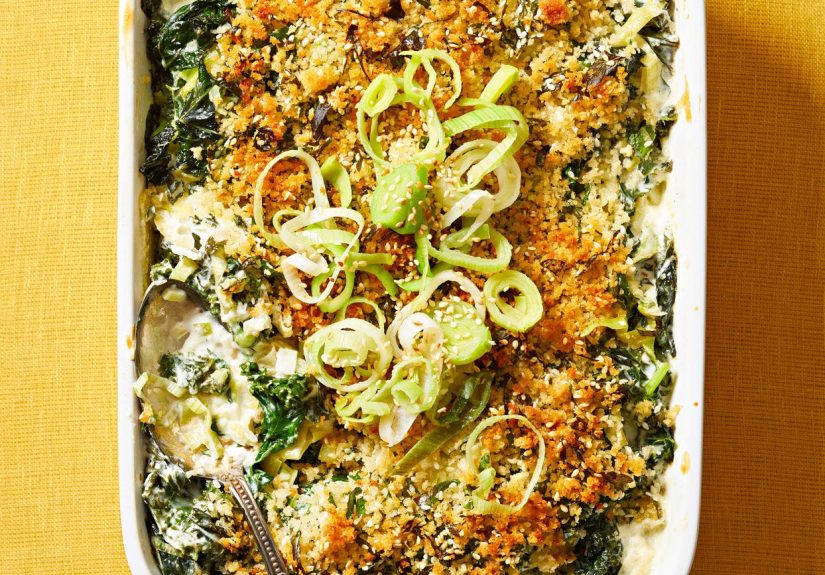
Side Dish #2: Steakhouse Creamed Spinach (Rich, Silky, Unapologetic)
Creamed spinach is the reason steakhouses can charge extra for greens and nobody calls the police.
It’s creamy, savory, and surprisingly useful: it cools your mouth between bites of peppery steak and makes the whole plate feel “complete.”
Why it works
- Silky dairy pairs naturally with browned beef flavor.
- Nutmeg + onion adds that classic steakhouse aroma people can’t quite name but absolutely notice.
Ingredients (serves 4)
- 1 ½ lb fresh spinach (or 2 (10-oz) boxes frozen chopped spinach, thawed and squeezed very dry)
- 2 tbsp butter
- 1 small onion or 2 shallots, finely minced
- 2 cloves garlic, minced
- 1–2 tbsp flour (or cornstarch slurry if you need gluten-free)
- 1 cup heavy cream (or half-and-half for lighter)
- ¼ cup milk (optional, to adjust thickness)
- ⅛–¼ tsp nutmeg
- ½ cup grated Parmesan (optional but highly encouraged)
- Salt and black pepper
- Optional: pinch cayenne, squeeze of lemon
Step-by-step
- Cook the aromatics. Melt butter in a skillet over medium heat. Add onion/shallots and cook until soft, 3–5 minutes. Add garlic for 30 seconds.
- Thicken. Sprinkle flour over the onions and stir for 1 minute (you’re cooking out the raw flour taste).
- Build the sauce. Slowly whisk in cream. Simmer 2–4 minutes until slightly thickened. Add nutmeg, pepper, and a pinch of salt.
- Add spinach. If using fresh: add in batches, wilting as you go. If using frozen: add squeezed-dry spinach and stir to coat.
- Finish. Stir in Parmesan. Taste and adjust salt. If too thick, loosen with a splash of milk. If too thin, simmer 1–2 minutes more.
Pro tips (the “steakhouse” part)
- Squeeze frozen spinach like it owes you money. Water is the enemy of creamy.
- Nutmeg matters. Use a small amountyou want “mysteriously delicious,” not “holiday candle.”
- Keep warm. Creamed spinach holds well on very low heat while steak rests.
Best steak match: Filet mignon or sirloincreamy spinach adds luxury where lean steak wants help.
Side Dish #3: Crispy Smashed Potatoes With Garlicky Butter (A Crunchy, Golden Situation)
If mashed potatoes are a warm hug, smashed potatoes are a warm hug with a leather jacket:
creamy inside, shatter-crisp edges, and enough texture to stand up to steak juices.
Why it works
- Texture contrast: crisp outside + fluffy inside keeps steak bites exciting.
- Built-in sauce magnets: those craggy edges collect butter and beef juices like they’re auditioning for a commercial.
Ingredients (serves 4)
- 1 ½–2 lb baby potatoes (Yukon gold or red)
- 2 tbsp olive oil
- 3 tbsp butter
- 2 cloves garlic, finely grated or minced
- Kosher salt and black pepper
- Optional: chopped rosemary or chives, grated Parmesan, sour cream for serving
Step-by-step
- Boil. Add potatoes to salted water. Simmer until fork-tender, 15–20 minutes. Drain and let steam-dry for 5 minutes.
- Smash. Place potatoes on a sheet pan. Use a cup or spatula to gently smash each one to about ½ inch thick.
- Season + oil. Drizzle with olive oil, sprinkle generously with salt and pepper.
- Roast hot. Bake at 450°F for 25–35 minutes until deeply golden and crisp.
- Garlic butter finish. Melt butter with garlic (30–60 seconds). Spoon over hot potatoes. Add herbs or Parmesan if you want applause.
Variations that feel “steakhouse”
- Loaded: top with sour cream, chives, and a little bacon.
- French-onion vibe: add caramelized onions and a sprinkle of Gruyère.
- Extra crisp: after draining, rough up potatoes a bit before smashing; more texture = more crunch.
Best steak match: Any cut, honestly. Potatoes don’t discriminate.
Side Dish #4: Classic Wedge Salad With Blue Cheese Dressing (The “More” Your Steak Deserves)
A wedge salad is cold, crunchy, and dramatically simple. It exists to do one noble job:
refresh your palate between bites of steak and buttery sides, then quietly make you feel like a responsible adult.
Why it works
- Cold crunch offsets hot, rich steak.
- Blue cheese tang brings acid and funktwo things beef loves.
- Customizable toppings let you go from “classic steakhouse” to “I host dinner parties now.”
Ingredients (serves 4)
- 1 head iceberg lettuce, outer leaves removed
- ½ cup cherry tomatoes, halved (or diced tomato)
- 4 slices bacon, cooked and crumbled (optional but iconic)
- ¼ cup chopped chives or sliced green onion
- Optional: diced avocado, thinly sliced red onion, croutons
Blue cheese dressing
- ⅓ cup mayonnaise
- ⅓ cup sour cream (or Greek yogurt for lighter)
- 3–5 tbsp buttermilk (to thin)
- 1–2 tsp lemon juice or vinegar
- ½ tsp Worcestershire (optional, but it adds depth)
- ½ cup crumbled blue cheese
- Salt and black pepper
Step-by-step
- Make dressing. Whisk mayo, sour cream, buttermilk, lemon/vinegar, and Worcestershire. Fold in blue cheese. Season to taste.
- Chill (10 minutes helps). Dressing thickens slightly and tastes more “together.”
- Cut wedges. Quarter the iceberg through the core so it holds shape.
- Dress + top. Spoon dressing over each wedge and add tomatoes, bacon, and chives.
Make it your own
- Pickled onion upgrade: soak thin red onion slices in vinegar + salt + a pinch of sugar for 10 minutes.
- Spicy steakhouse: add hot sauce or cracked pepper to the dressing.
- No bacon? Toasted nuts add crunch without the pork.
Best steak match: Pepper-crusted steak or stripblue cheese and pepper are best friends who pretend they aren’t.
How to Time It All (So Dinner Doesn’t Turn Into a Snack Parade)
Great steak nights are 50% cooking skill, 50% choreography. Here’s a simple order that keeps everything hot where it should be and cold where it must be:
- Start potatoes first. Boil them, drain, smash, and get them into the oven.
- Roast Brussels sprouts while potatoes crisp. They like high heat and minimal babysitting.
- Make wedge salad dressing anytime. Chill it. Cut lettuce wedges last.
- Cook creamed spinach near the end. It holds warm on low heat while steak rests.
- Steak cooks last. While it rests, finish sprouts (honey/vinegar) and butter the potatoes.
Bonus: resting steak is not “dead time.” It’s when you become the calm, mysterious chef who definitely planned everything.
Experience Notes: What You’ll Learn After a Few Steak Nights (About of Real-World Wisdom)
The first time most people build a steak dinner, the steak gets all the attentionthermometers come out, timers beep, someone squints at a cast-iron pan like it’s a math problem.
Then the sides happen in a panic, and suddenly your “steakhouse at home” becomes “steak with a side of…whatever was fastest.”
The good news: these four sides are forgiving, and the lessons they teach show up fast.
Take Brussels sprouts. The most common experience is the “why are they soft?” moment.
It’s almost never the sprout’s fault; it’s the crowding. When sprouts are packed tightly, they steam.
Once you give them space (and heat), the kitchen smell changesin a good way. You’ll notice nutty, toasted aromas instead of that boiled-Brassica funk.
And when you toss them with honey and vinegar at the end, you get this little sensory magic trick: your mouth reads the dish as lighter than it is.
That sweet-tang finish makes the next bite of steak feel even richer, like contrast is secretly seasoning.
Creamed spinach teaches a different lesson: water management. Whether you use fresh or frozen spinach, moisture is always plotting against you.
Fresh spinach shrinks dramatically, which is both normal and mildly insulting. Frozen spinach is convenient, but only if you squeeze it dryreally dry.
The first time you do it properly, you’ll feel like you’ve unlocked a culinary cheat code:
the sauce stays thick and silky, and the flavor tastes concentrated instead of diluted.
You’ll also learn why steakhouses keep this on the menuone spoonful can “soften” a bold steak seasoning (black pepper, char, garlic butter) without muting it.
Smashed potatoes are where people discover that texture is an ingredient.
You’ll see it happen: the edges go from pale to golden to deeply browned and crisp, and suddenly everyone is “just checking one” straight off the pan.
The first time you spoon garlicky butter over them, the aroma does the advertising for you.
And here’s the sneaky part: smashed potatoes are excellent at handling steak juices.
If you slice steak on a board and pour the juices back over the plate (as you should), those craggy potatoes catch and hold everythinglike edible napkins with self-esteem.
The wedge salad is the side that changes how the whole meal feels. Without something cold and crunchy,
a steak dinner can become a delicious blur of richness. With a wedge, the meal has rhythm:
hot steak, crisp lettuce, tangy dressing, a bite of potato, back to steak. It keeps your palate awake.
People often expect the wedge to be “the healthy part,” but the real experience is satisfactionespecially with blue cheese dressing that’s properly tangy.
If you add quick-pickled onions, you’ll notice something even more dramatic: the salad becomes a reset button for your mouth.
After a few steak nights, the biggest lesson is this: sides aren’t accessories. They’re strategy.
They help you enjoy every bite of steak moreby contrast, by balance, and by giving your fork interesting choices.
And once you have these four in your rotation, you’ll stop asking, “What should I serve with steak?”
You’ll start asking the better question: “Which side do I want to show off tonight?”
Conclusion
If you want steakhouse vibes at home, you don’t need 12 side dishes, a chandelier, or a waiter named Chad.
You need four dependable players: one bold roasted veggie, one creamy green, one crispy potato situation, and one cold crunchy reset.
Nail that, and steak night becomes a repeatable traditionnot a once-a-year stress event.