Table of Contents >> Show >> Hide
- 1) Build “Stay-Full” Meals with Protein + Fiber (and a Little Volume Magic)
- 2) Hydrate Like a Grown-Up (Because Thirst Is a Sneaky Liar)
- 3) Protect Your Sleep and Stress Levels (Appetite Hormones Have Receipts)
- 4) Practice Mindful Eating + Design Your Environment (Make Fullness Easier to Hear)
- Conclusion: Decreasing Appetite Without Decreasing Joy
- Real-World Experiences: 7 “This Actually Worked” Moments (About )
- 1) The breakfast upgrade that kills the 11 a.m. snack emergency
- 2) The “I was just thirsty” realization
- 3) Sleep as the hidden appetite lever
- 4) Stress eating isn’t about foodit’s about relief
- 5) Mindful eating feels awkward… until it doesn’t
- 6) Environment beats willpower on stressful days
- 7) The most common turning point: aiming for “satisfied,” not “stuffed”
Hunger isn’t the villain. It’s your body’s way of saying, “Hey, I’d like some energy, please.” The problem starts when your appetite behaves like a toddler in a candy aisleloud, dramatic, and oddly persuasive. If you’re trying to eat more intentionally (for weight loss, better blood sugar, fewer snack ambushes at 10 p.m., or just because you’re tired of thinking about food all day), the goal isn’t to “fight” hunger. It’s to turn the volume down so you can make choices with your brain instead of your cravings.
The good news: you don’t need sketchy “appetite suppressant” teas, extreme diets, or the willpower of a movie hero. Appetite control is mostly about a few boring-sounding habits that have a surprisingly un-boring effect. Here are four science-backed ways to decrease your appetitewithout feeling deprived or becoming that person who brings a food scale to brunch.
1) Build “Stay-Full” Meals with Protein + Fiber (and a Little Volume Magic)
If you want to reduce hunger, start where your appetite actually lives: in your plate. Two nutrients do most of the heavy lifting for satietyprotein and fiber. Protein tends to keep you fuller longer, and fiber adds bulk, slows digestion, and helps your stomach and brain agree that you’ve eaten something substantial.
Why this works
- Protein is slow to digest and supports satiety signals (your “I’m good” hormones). It also helps preserve lean muscle while you’re in a calorie deficituseful if weight loss is the goal.
- Fiber (especially from whole foods like beans, oats, fruit, veggies) adds “volume” with fewer calories and can help steady blood sugarmeaning fewer sudden cravings.
- Low energy density foods (think: soups, fruit, vegetables) contain more water and fiber per bite. You can eat a satisfying portion without accidentally consuming a day’s worth of calories in three handfuls.
How to do it (without turning dinner into a chemistry experiment)
Use this simple template at most meals:
- 1 palm of protein: chicken, fish, eggs, Greek yogurt, tofu/tempeh, beans, lentils, cottage cheese.
- 2 fists of fiber-rich plants: salad, roasted veggies, sautéed greens, berries, apples, pears, broccoli, carrots, peppers.
- 1 fist of smart carbs (optional, but often helpful): oats, brown rice, quinoa, potatoes, whole-grain bread.
- 1 thumb of fat: olive oil, avocado, nuts, seedsfat helps satisfaction, just measure with a light hand.
Specific examples that tame appetite fast
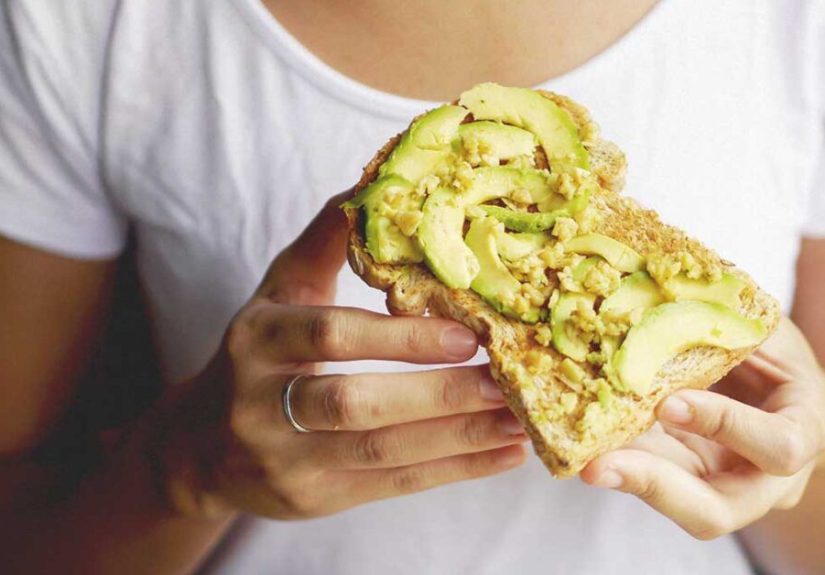
- Breakfast: veggie omelet + berries; or Greek yogurt + chia + blueberries + a sprinkle of nuts.
- Lunch: lentil soup + side salad; or turkey/tempeh wrap in a whole-grain tortilla + crunchy veggies.
- Dinner: salmon + roasted Brussels sprouts + sweet potato; or tofu stir-fry loaded with vegetables over brown rice.
- Snack that actually works: apple + peanut butter; cottage cheese + pineapple; hummus + carrots. (Translation: protein + fiber, not “air.”)
Common mistake
People try to decrease appetite by eating “light” meals that are basically decorative. A coffee and a muffin isn’t a mealit’s a hunger boomerang. Make protein part of breakfast, and you’ll often notice fewer cravings later.
2) Hydrate Like a Grown-Up (Because Thirst Is a Sneaky Liar)
Your body is not great at labeling signals. Sometimes “I’m hungry” is actually “I’m thirsty,” “I’m tired,” or “I’m stressed and would like a cookie-shaped hug.” Hydration won’t magically delete hunger, but it can help you avoid false appetitethat vague urge to graze when your body mainly needs fluids.
Why this works
- Dehydration can feel like hunger, especially mid-afternoon when you’ve been living on coffee and good intentions.
- Drinking water before meals can help you slow down and check your hunger level, and it may support portion control for some people.
- High-water foods (soups, fruit, vegetables) increase fullness with fewer caloriesyour stomach likes volume.
Practical hydration strategies
- Try the “two sips” rule: Before you snack, drink a few sips of water and wait 10 minutes. If you’re still hungry, eatno guilt, no drama.
- Front-load fluids: A glass of water when you wake up + another before lunch is simple and surprisingly effective.
- Upgrade boring water: Add lemon, cucumber, sparkling water, or herbal tea. Hydration does not have to taste like regret.
- Eat your water: watermelon, oranges, cucumbers, broth-based soups, tomatoes, strawberries.
Watch-outs
Hydration is not a replacement for meals. If you’re genuinely hungry, eating a balanced snack is the move. The goal is appetite control, not appetite denial.
3) Protect Your Sleep and Stress Levels (Appetite Hormones Have Receipts)
If you’ve ever eaten a perfectly reasonable dinner and then mysteriously wanted ice cream an hour later, check your sleep and stress first. Short sleep and chronic stress can crank up hunger signals and intensify cravingsespecially for highly processed, high-sugar foods.
Why this works
- Sleep loss can disrupt appetite-regulating hormones like ghrelin (hunger) and leptin (satiety), and it can make high-calorie foods feel more tempting.
- Stress can elevate cortisol, which may increase appetite and push you toward “reward” foods (a.k.a. the snack cabinet’s greatest hits).
- Fatigue lowers self-control and makes quick energy more appealing. Your brain isn’t “weak.” It’s tired.
Sleep moves that decrease appetite the next day
- Keep a boring bedtime: same sleep/wake time most days, even on weekends (yes, even then).
- Cut caffeine earlier: if coffee after 2 p.m. turns you into a midnight philosopher, move it up.
- Dim the doom: bright screens + stressful scrolling are basically a bedtime sabotaging team sport.
- Create a 10-minute wind-down: shower, stretch, paper book, calm musicanything that tells your nervous system, “We’re not being chased by bears.”
Stress strategies that work in real life
- Name the trigger: Are you hungry, angry, lonely, tired… or just procrastinating? (HALT is a classic for a reason.)
- Swap the first move: When stress hits, try a 5-minute walk, breathing exercise, or texting a friend before you raid the pantry.
- Keep “comfort” foods… but with boundaries: A planned portion beats a spontaneous snack spiral.
4) Practice Mindful Eating + Design Your Environment (Make Fullness Easier to Hear)
Here’s the truth nobody wants: your appetite is heavily influenced by context. Distractions, giant portions, hyper-palatable foods, and “just one more bite” culture can override your natural fullness cues. Mindful eating helps you notice what your body is saying before it has to shout.
Why this works
- Eating slowly gives your brain time to register fullness (satiety signals take time to show up).
- Reducing distractions helps you taste and enjoy food moreso you’re less likely to keep eating out of habit.
- Small environmental tweaks (portioning snacks, keeping healthier foods visible) reduce “oops” eating.
How to eat mindfully (without chanting over your salad)
- Sit down. Plates exist for a reason.
- Use a speed bump: put your fork down between bites, or take a sip of water halfway through.
- Check in at 80%: pause and ask, “Am I satisfied?” Not “Am I stuffed?” Satisfaction is the sweet spot.
- Make one meal per day distraction-free: even 10 minutes without a screen helps retrain your hunger cues.
Environment hacks for instant appetite control
- Pre-portion snack foods: a bowl of chips beats a bag of chips. Every time.
- Keep protein + fiber snacks ready: Greek yogurt, nuts, fruit, hummus, jerky, edamame.
- Put “sometimes foods” out of sight: you can still enjoy themjust make it intentional, not automatic.
- Start meals with volume: a salad, broth-based soup, or veggies first can make it easier to stop at comfortable fullness.
Conclusion: Decreasing Appetite Without Decreasing Joy
The best appetite suppressant isn’t a pillit’s a set of habits that make your body feel safe, fed, and steady. If you want to decrease your appetite in a healthy way, focus on:
- Protein + fiber at meals (satiety you can count on)
- Hydration (so thirst doesn’t cosplay as hunger)
- Sleep + stress management (because hormones are not impressed by all-nighters)
- Mindful eating + smart food environment (so fullness signals can actually get a word in)
Give each strategy a week, not a day. Appetite is a system, not a light switch. And if your appetite feels extreme, sudden, or tied to medical issues or medications, a registered dietitian or clinician can help you troubleshoot safely.
Real-World Experiences: 7 “This Actually Worked” Moments (About )
Research is great, but real life has deadlines, kids, meetings, and that one coworker who keeps bringing donuts “for the team.” So here are common experiences people report when they try the four methods aboveplus what tends to make the difference between “I tried it once” and “wow, my cravings chilled out.”
1) The breakfast upgrade that kills the 11 a.m. snack emergency
A lot of people start with the smallest change: swapping a carb-only breakfast (pastry, cereal, sweet coffee drink) for a protein-forward one. The first surprise is how quiet mid-morning becomes. Not “never hungry again,” but fewer shaky, snacky feelings. Think eggs + fruit, or Greek yogurt + berries. The win is consistency: doing it most days, not just on “good” days.
2) The “I was just thirsty” realization
Once someone keeps a water bottle nearby, they often notice a pattern: the urge to snack spikes after a long stretch of not drinkingespecially after salty lunches or lots of coffee. A quick water check-in doesn’t replace food, but it prevents the classic loop of “snack, still unsatisfied, snack again.” The surprising MVP is sparkling water or herbal tea because it feels like a treat, not a chore.
3) Sleep as the hidden appetite lever
People are often shocked by how much better appetite control feels after even a few nights of solid sleep. The late-night “kitchen magnet” effect gets weaker. Cravings don’t disappear, but they feel less urgent. The most practical move isn’t a perfect sleep scheduleit’s a consistent wind-down routine and a cutoff for screens or work stress before bed.
4) Stress eating isn’t about foodit’s about relief
When stress is high, many people don’t crave broccoli. They crave “instant calm,” and ultra-processed foods deliver quick reward. What helps is having a first step that isn’t eating: a five-minute walk, deep breathing, journaling one paragraph, or even washing dishes (mildly annoying, strangely soothing). Food can still be part of comfortjust not the only tool.
5) Mindful eating feels awkward… until it doesn’t
The first distraction-free meal can feel like sitting in a silent elevator with strangers. But after a few tries, people report tasting food more, needing less to feel satisfied, and noticing fullness earlier. A simple trick is to eat the first five bites slowly, then resume normal pace. Those five bites act like a “reset button.”
6) Environment beats willpower on stressful days
On busy days, the best plan is the one you can do on autopilot. People who pre-portion snacks, keep protein options visible, and store “sometimes foods” out of arm’s reach report fewer accidental overeats. It’s not about being strict. It’s about making the default choice easier.
7) The most common turning point: aiming for “satisfied,” not “stuffed”
Many folks grew up with clean-plate habits. Practicing the “80% check-in” (pause halfway, rate hunger/fullness, decide) often becomes the moment appetite feels manageable. Satisfaction is the goal. Feeling stuffed is just your body filing a complaint.
Bottom line: the best appetite control tips are the ones you can repeat. Start small, pick one method, and let your body learn that it doesn’t need to yell to be heard.