Table of Contents >> Show >> Hide
- Why Cats Keep Showing Up at the House
- 1. Remove the Food, Shelter, and Other “Free Perks”
- 2. Block the Easy Entry Points Like a Calm, Competent Bouncer
- 3. Use Humane Deterrents That Make the Area Feel Unappealing
- 4. Make the Area Less Attractive in the Long Run
- Mistakes That Usually Backfire
- A Simple 4-Step Plan You Can Start This Week
- Experience: What Real-Life Households Learn About Keeping Cats Out
- Final Thoughts
Note: This guide focuses on humane, nonharmful ways to keep cats from entering your house, porch, garage, mudroom, and other easy-access areas.
A mystery cat strolling into your garage like it pays the mortgage might sound funny the first time. By the third surprise visit, though, it becomes less “adorable neighborhood drama” and more “why is there a cat napping on my paint cans?” Whether the culprit is a roaming pet, a community cat, or a four-legged freeloader with excellent timing, the goal is usually the same: keep cats out of the house without turning your property into a villain origin story.
The good news is that you do not need to rely on harsh tactics, messy myths, or cartoon-level shooing. In most cases, the best fix is a combination of simple habits, smart barriers, and humane cat deterrents. Cats go where life is easy. If your place offers food, shelter, soft hiding spots, and a convenient entrance, they will treat it like a boutique hotel with free late checkout.
This guide breaks the problem into four practical strategies that actually make sense in real life. You will learn how to remove the attractions, block the entrances, use humane deterrents, and make the area less interesting over time. In other words, you are not declaring war on cats. You are just politely removing the VIP pass.
Why Cats Keep Showing Up at the House
Before you can stop cats from coming inside, it helps to understand why they are visiting in the first place. Most cats are not conducting a personal campaign against your clean floors. They are following basic instincts. If they find food, warmth, quiet cover, or prey nearby, they will keep returning.
Common attractions include outdoor pet food, loose trash lids, spilled birdseed, dense shrubs near doors, open garages, broken screens, and pet doors that might as well have a flashing sign reading, “Welcome, tiny trespasser.” Some cats are also drawn to porches, sheds, or entryways because those areas feel protected from weather and people. And if your own indoor cat is staring out the window at neighborhood cats all day, that outdoor feline traffic can trigger stress behaviors like spraying, pacing, or territorial drama indoors.
That is why the most effective plan is not one single magic trick. It is a layered approach. Remove the reward, block the route, add a gentle deterrent, and stay consistent long enough for the cat to decide your property is no longer worth the effort.
1. Remove the Food, Shelter, and Other “Free Perks”
If you want to keep cats out of the house, start by making the area around your house less rewarding. Cats are opportunists. They will absolutely investigate any spot that offers a snack, a hiding place, or an easy ambush point for birds and rodents.
Feed pets indoors whenever possible
This is the biggest one. If you leave food outside for your dog, cat, or the occasional “just for today” bowl on the porch, you are basically ringing the dinner bell. Even if the food is meant for your own pet, neighborhood cats notice patterns fast. Once they learn that your house equals snacks, they will keep checking back.
If indoor feeding is not possible, put food down only during a short scheduled window and remove bowls right away. Do not leave leftovers sitting outside. Water bowls can also attract repeat visitors, especially in warm weather, so think carefully about where they are placed and whether they are necessary overnight.
Secure trash, birdseed, and anything that smells edible
Cats are not always there for the kibble. Sometimes they are there for the side quests. Loose trash lids, compost, greasy grill residue, and spilled birdseed can attract rodents and insects, and those, in turn, attract cats. A cat may not be hunting your bird feeder directly. It may be waiting nearby for whatever else shows up.
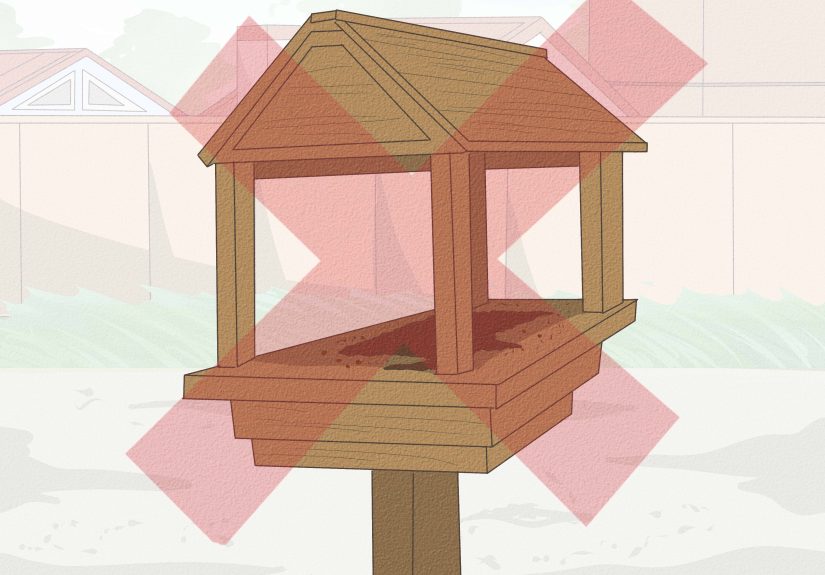
Use trash cans with tight lids. Store birdseed in sealed containers. Avoid tossing food scraps near shrubs or fence lines. Clean up beneath feeders and grills instead of letting the area become a buffet with accessories. If you feed birds, do not feed them on the ground, and keep the feeder area neat so it does not become a feline stakeout location.
Reduce cozy hiding spots near entry areas
Porches, garages, and side doors often become cat magnets because they are quiet and sheltered. That pile of cardboard by the garage wall? Luxurious. The rarely used chair cushion on the back porch? Five-star nap lounge. Dense shrubs by the front steps? Private security booth with bonus shade.
Declutter these spaces. Trim plants around doorways and ground-level windows. Move soft materials, pet bedding, and storage piles away from entrances. The less protected and inviting the area feels, the less likely a cat is to settle in close enough to slip inside when a door opens.
2. Block the Easy Entry Points Like a Calm, Competent Bouncer
Once you remove the attractions, the next job is making access harder. This is where a lot of people accidentally lose the battle. They focus on repellents while ignoring the fact that the garage door stays open for an hour every evening and the torn screen has become a cat-sized invitation.
Repair screens, seals, and gaps
Check windows, screen doors, and vents for damage. Replace ripped screens, worn weather stripping, and loose door sweeps. If a door does not close tightly, fix it. If there is a gap under the side door, close it. A surprising number of animal problems start with what looks like a minor home-maintenance issue.
Also inspect areas around pipes, cables, and vents where small openings may exist. You are not just making the house less accessible to cats. You are improving basic exclusion, which helps keep out other uninvited guests too. Think of it as home security, but with less spy music.
Take your garage routine seriously
Many cat entry problems begin in the garage. A cat slips in while the door is open, hides behind storage bins, and then waits for the next chance to explore farther inside. If your garage connects directly to the house, that one weak point can undo everything else.
Keep the garage door closed when you are not actively using it. Do not leave it open during yard work “for just a minute,” because cats have a truly impressive talent for appearing during exactly that minute. If you store pet food in the garage, seal it in sturdy containers. If the garage is warm and cluttered, clean it up so it does not double as a cat lounge.
Rethink the pet door
Traditional pet doors are convenient for your pet, but they are also convenient for every bold animal in the zip code. If a roaming cat is coming inside through one, switch to a smarter model that opens only for your pet’s tag or microchip. At minimum, lock the pet door at night and whenever your pet is indoors for long stretches.
This one change alone can solve a lot of “How did that cat get in here?” mysteries.
3. Use Humane Deterrents That Make the Area Feel Unappealing
Now that you have removed temptations and tightened access, it is time to add a little discouragement. Humane cat deterrents work best when they make a space mildly annoying, startling, or inconvenient without harming the cat. The message is simple: this place is not fun anymore.
Set up motion-activated deterrents outside
Motion-activated sprinklers are one of the most useful tools for outdoor entry zones. Place them near doors, windows, garage approaches, garden beds by the house, or any area where cats like to linger. The quick burst of water is harmless, but it is rude enough that most cats decide to take their business elsewhere.
Motion-activated sound devices are also used in some situations, especially near doorways and small yard areas. Results vary by setup, space, and the determination level of the local cat union, but they can be helpful as part of a broader strategy.
Use pet-safe repellents and awkward surfaces
Outdoor repellents labeled for cats can help discourage repeat visits around stoops, porches, and perimeter spots. Follow the label directions carefully, reapply as directed, and use products intended to be safe around pets and people. The goal is to make the area less appealing, not to create a chemistry experiment on your walkway.
You can also use physical texture to your advantage. Cats usually dislike unstable, poky, or odd-feeling surfaces. Deterrent mats, rough ground covers, or other uncomfortable walking surfaces can help around flower beds under windows, narrow side passages, and similar trouble spots. Indoors, products like double-sided tape or foil can be useful on specific surfaces you do not want cats to jump on or scratch, especially while you retrain your own cat.
Block the visual drama at windows
If the issue is not an outdoor cat entering the house but your own cat freaking out because outside cats are parading by the windows, reduce the show. Close blinds, use privacy film, or limit access to windows where the territorial staring contests happen most often. This can reduce stress-related behaviors like spraying, pacing, or yowling that make the whole situation feel bigger than it is.
Sometimes the problem is not that another cat is getting in. It is that another cat is getting seen.
4. Make the Area Less Attractive in the Long Run
Short-term deterrents matter, but the long game is what keeps the problem from returning. If the neighborhood still offers easy feeding spots, convenient cover, and zero coordination between humans, the cats will continue cycling through the area. Long-term success comes from changing the environment and, when necessary, working with people as much as with cats.
Protect bird-feeding and hunting zones
If cats spend time near your house because birds or small prey gather there, adjust the setup. Keep bird feeders off the ground and away from spots that give cats cover. Use deterrent surfaces beneath feeders if needed. Trim back shrubs or low hiding areas where a cat can crouch unnoticed. You are not trying to make the yard boring. You are trying to make it less perfect for a feline ambush documentary.
Coordinate with neighbors when possible
Sometimes a nearby home is unintentionally supporting the problem with outdoor feeding, overflowing trash, or a sheltered side yard where cats gather. A friendly conversation can go a long way, especially if the focus is practical rather than accusatory. Ask whether feeding can be done on a schedule with food picked up promptly. Suggest keeping trash secured and high-traffic entry areas clear.
If community cats are part of the issue, local Trap-Neuter-Return programs can help stabilize the situation. Sterilized cats are generally less likely to roam, fight, and mark territory, which can reduce nuisance behaviors over time. In many cases, combining humane deterrents with community management works better than trying to endlessly chase cats away one by one.
Call the right kind of help for persistent problems
If cats are repeatedly getting into attics, crawl spaces, enclosed porches, or other structural areas, it may be time for professional help. Look for humane exclusion services, veterinary guidance for behavior issues, or local rescue and TNR resources if community cats are involved. A good solution addresses the reason the cats are there and prevents re-entry, instead of simply moving the problem five feet to the left.
Mistakes That Usually Backfire
- Leaving food out “just this once.” Cats are excellent pattern detectors. One successful snack run can turn into a routine patrol.
- Trying harmful shortcuts. Anything that can injure, poison, or terrify an animal is not a solution. It creates bigger problems and often does not fix the original one anyway.
- Ignoring small repairs. A ripped screen or unsealed gap may seem minor until it becomes the official entrance.
- Using only one tactic. Most cat problems improve faster when you combine attractant removal, exclusion, and deterrents.
- Giving up too quickly. Cats are creatures of habit. It can take a little consistency before they decide your house is no longer worth checking.
A Simple 4-Step Plan You Can Start This Week
- Day 1: Remove outdoor food sources, secure trash, clean up birdseed, and declutter sheltered areas near doors.
- Day 2: Repair screens, weather stripping, and door sweeps. Close garage habits loopholes and secure the pet door.
- Day 3: Install a motion-activated deterrent near the main problem area and add a pet-safe repellent or deterrent surface where needed.
- Day 4 and beyond: Trim hiding spots, monitor what is working, and coordinate with neighbors or local cat-management resources if the issue is broader than your property.
This plan is not flashy, but it works because it matches how cats make decisions. No food. No easy entry. No comfort. No reason to return. That is the whole strategy in a nutshell.
Experience: What Real-Life Households Learn About Keeping Cats Out
In real life, most people do not solve this problem with one dramatic move. They solve it with a string of small discoveries, usually after a few mildly ridiculous moments. One homeowner notices paw prints on the car and assumes the cat problem is a driveway problem. Two days later, the same cat is found sitting in the garage like a tiny foreman supervising the rake collection. The real issue was not the driveway. It was the open garage and the bag of pet food stored in a flimsy container.
Another family keeps wondering why neighborhood cats hang around the back door. They try clapping, shooing, and saying “go on” in six different tones, as if the cat is just waiting for clearer verbal direction. Eventually they realize the area beneath the bird feeder is a constant sprinkle of seed, their dog’s water bowl sits on the porch all night, and the shrubs beside the steps are trimmed in a way that creates a perfect hidden tunnel. The cats are not being stubborn. They are being logical.
People also learn that convenience is often the enemy of consistency. It feels easy to leave the garage open while carrying groceries. It feels harmless to leave the pet door unlocked overnight. It feels efficient to store birdseed, pet food, and miscellaneous cardboard all in one side area by the house. Then a cat arrives, evaluates the setup like a home inspector, and gives the property five stars for accessibility.
One of the biggest lessons homeowners report is that humane deterrents work better when the house itself stops sending mixed messages. A motion-activated sprinkler is helpful, but not if the same cat can still sneak through a pet door. A scent deterrent can help, but not if food is still being left out every evening. Cats are not impressed by symbolic gestures. They respond to outcomes. If your yard still pays in snacks and shelter, the cat will accept a little inconvenience as part of doing business.
Households with indoor cats discover a different version of the problem. They think an outdoor cat is invading the house, but in reality the real drama is happening through the window. Their cat sees another cat outside, gets agitated, and then starts spraying near the door or pacing the living room like a tiny security guard who has not had a day off in months. Once the family uses blinds, privacy film, or rearranges access to the hot-spot windows, the behavior often calms down more than they expected. Sometimes the intruder is not inside the house at all. It is just starring in an unwanted daily episode viewed from the couch.
People dealing with community cats also learn that neighborhood cooperation matters more than they first assumed. One property owner may clean everything up perfectly, while a nearby house leaves food out all night and trash lids half-open. In that case, the cats may keep circulating through the area even if one yard becomes less appealing. That is why polite conversations, feeding schedules, and local Trap-Neuter-Return support often make a bigger difference than endless chasing or temporary fixes.
And then there is the patience lesson. Cats rarely change their routes after one afternoon. They test. They recheck. They wander back to see whether the free meal, cozy chair cushion, or open garage has magically returned. For many households, the breakthrough comes after a week or two of boring consistency. The food stays inside. The garage stays shut. The deterrent stays in place. The feeder area stays clean. Eventually the cat decides that another house down the block offers better hospitality, and your property is officially downgraded from luxury suite to mildly inconvenient sidewalk.
That is usually how success looks: not dramatic, not perfect, but steady. Fewer visits. Less lurking. No surprise cat in the mudroom judging your décor choices. Honestly, that is a win.
Final Thoughts
If you want to keep cats out of the house, the smartest approach is humane, practical, and a little bit strategic. Start by removing food and shelter. Then block obvious entry points. Add humane deterrents in the places cats use most. Finally, make the area less rewarding over time by managing bird-feeding zones, trimming hiding spots, and coordinating with neighbors when necessary.
There is no single trick that works in every yard, porch, or garage. But there is a reliable pattern: when cats stop finding food, comfort, and easy access, they stop acting like your house is part of their daily commute. And that means you get to enjoy your own space again, without surprise whiskers appearing where the welcome mat ends.