Table of Contents >> Show >> Hide
- What Carbon Fiber Really Is
- 1. PAN-Based Carbon Fiber: The Industry’s Favorite Child
- 2. Pitch-Based Carbon Fiber: The Specialist with a Heat Problem, in a Good Way
- 3. Rayon or Lyocell-Based Carbon Fiber: Old School, Still Relevant in Extreme Heat
- 4. Lignin-Based Carbon Fiber: The Renewable Challenger
- Which Carbon Fiber Route Is Best?
- Final Thoughts
- Experience and Industry Lessons from the Four Carbon Fiber Routes
Carbon fiber sounds like something a comic-book engineer whips up between coffee breaks and world-saving missions. In reality, it is one of the most demanding industrial materials on Earth. It is light, strong, stiff, and useful in everything from airplanes and race cars to heat shields and hydrogen tanks. But here is the twist: there is not one universal recipe for carbon fiber. There are multiple precursor routes, and each one creates a different kind of personality in the final fiber.
That is why the title “4 Ways to Make Carbon Fiber” matters. The phrase does not mean four easy DIY tricks in a garage. It means four industrial pathways for turning different starting materials into carbon-rich fibers through controlled spinning, stabilization, carbonization, and finishing. Some methods dominate structural composites. Others are better at managing heat, surviving extreme temperatures, or chasing lower costs. In other words, carbon fiber is not a single food group. It is a whole buffet, and the main dishes do not all taste the same.
In this guide, we will break down the four most important routes: PAN-based carbon fiber, pitch-based carbon fiber, rayon or lyocell-based carbon fiber, and lignin-based carbon fiber. Along the way, we will look at how each route works, why manufacturers choose it, where it shines, and where it still struggles. Expect real analysis, practical examples, and a little humor, because industrial chemistry is easier to digest when it is not wearing a lab coat and glaring at you.
What Carbon Fiber Really Is
Before diving into the four routes, it helps to clear up a common misconception. Carbon fiber is not mined, knitted by elves, or poured into a mold like pancake batter. It begins as an organic precursor fiber, usually a polymer or plant-derived material. That precursor is formed into filaments and then carefully heat-treated so most non-carbon elements are removed. What remains is a highly ordered, carbon-rich fiber with impressive mechanical and thermal properties.
Most industrial routes follow the same broad playbook. First, a precursor is spun into fiber. Then it is stabilized so it will not melt or collapse during later heating. After that comes carbonization, where the material is transformed into a carbon-rich structure in controlled furnaces. Some fibers also go through graphitization to increase stiffness or thermal conductivity. Finally, the fibers receive surface treatment and sizing so they can bond properly with resins in composite parts. Same overall script, different lead actors.
1. PAN-Based Carbon Fiber: The Industry’s Favorite Child
The most common way to make carbon fiber is to start with polyacrylonitrile, better known as PAN. If carbon fiber were a high school yearbook, PAN would win “Most Likely to End Up Everywhere.” This route dominates commercial production because it delivers an excellent balance of strength, stiffness, consistency, and process maturity.
Why PAN Rules the Market
PAN-based carbon fiber became the commercial leader because it performs extremely well in structural applications. Aerospace companies, sporting-goods brands, auto manufacturers, and pressure-vessel makers love it because it offers high tensile strength and dependable quality. When designers need a lightweight material that can take serious loads without acting dramatic, PAN is usually the top pick.
The catch is cost. PAN precursor production is complex and expensive, and the conversion process is energy-intensive. In many cost models, the precursor itself accounts for a huge share of the final fiber cost, while oxidation and carbonization add another major chunk. That is why carbon fiber can still feel like the luxury sedan of reinforcement materials, even when engineers wish it would hurry up and become the reliable used pickup.
How the PAN Route Works
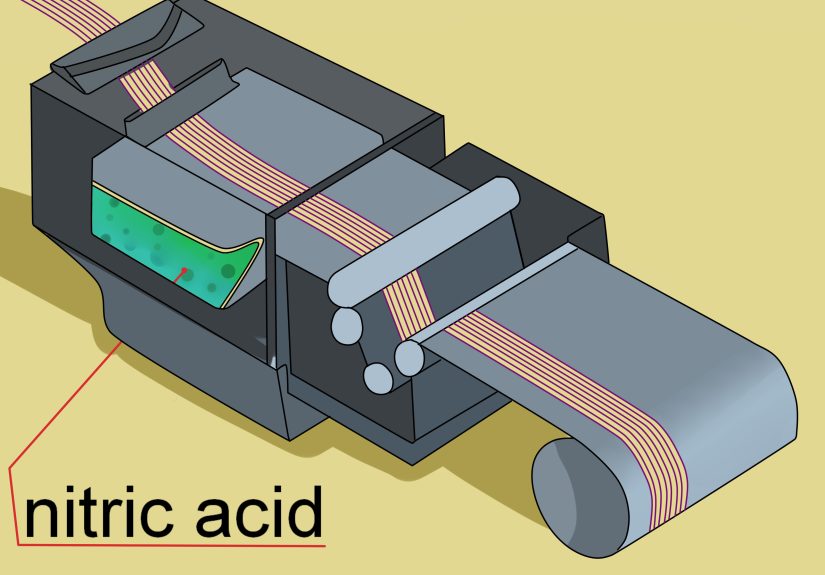
Manufacturers begin by creating PAN polymer and spinning it into precursor filaments, often using solvent-based processes. Those filaments are then stabilized in controlled oxidizing conditions, which is widely considered one of the biggest production bottlenecks. After stabilization, the fibers are carbonized in high-heat, oxygen-limited furnaces and then finished for composite use.
The magic of the PAN route is that it produces carbon fibers with the kind of mechanical performance structural designers crave. That is why PAN-based fiber is common in aircraft parts, wind blades, high-performance bicycles, hydrogen storage tanks, and premium automotive components.
Best Use Cases for PAN-Based Fiber
If the goal is strength-first engineering, PAN is the safest bet. It is the route most associated with structural composites, and it has decades of development behind it. That maturity matters. Engineers do not just buy fiber; they buy confidence, data history, certification pathways, and a long record of predictable behavior.
Bottom line: PAN-based carbon fiber is the mainstream route because it offers the best overall combination of performance and commercial readiness, even if it remains expensive to make.
2. Pitch-Based Carbon Fiber: The Specialist with a Heat Problem, in a Good Way
The second major route starts with pitch, usually derived from petroleum or coal-based feedstocks. Pitch-based carbon fiber is a different beast from PAN. It is often chosen not because it beats PAN in every mechanical category, but because it can offer very high modulus and exceptional thermal conductivity. Think of it as the fiber that would rather run a satellite radiator than a tennis racket.
Why Pitch-Based Fiber Matters
Pitch-based fibers are especially attractive in applications where stiffness and heat transfer matter as much as, or more than, classic structural toughness. Some NASA and advanced-composite work highlights pitch fibers for thermal management because they can move heat far better than conventional PAN-based options. That makes them valuable in aerospace hardware, thermal-control systems, and specialty carbon-carbon materials.
Pitch can also be melt-spun, which is appealing because melt-spinning can simplify parts of precursor processing compared with solvent-heavy routes. In practice, though, pitch fibers still occupy a smaller part of the market. They are more specialized, and the properties can vary depending on whether the pitch is isotropic or mesophase-based.
How the Pitch Route Differs
Pitch-based carbon fiber begins with a pitch precursor that is spun into fiber and then thermally converted. The internal carbon structure can be tuned toward very high graphitic order, which is one reason pitch fibers can deliver outstanding modulus and conductivity. Recent university research in the United States has also explored coal extract-derived mesophase pitch as a way to improve pitch yield and produce high-performance fiber.
This route is not usually the go-to answer for mass-market structural composites. Instead, it shines in high-modulus and thermal-management roles. When an engineer says, “I need this thing to be light, stiff, and unusually good at moving heat,” pitch starts smiling.
Where Pitch-Based Fiber Wins
Pitch-based carbon fiber is the specialist route. It is great for demanding thermal or stiffness-driven uses, but it is less dominant in everyday structural composites. It is the fiber equivalent of a brilliant jazz musician: astonishing in the right setting, slightly underappreciated by the crowd looking for top-40 hits.
3. Rayon or Lyocell-Based Carbon Fiber: Old School, Still Relevant in Extreme Heat
The third route uses rayon or related cellulose-based fibers such as lyocell. This route has deep historical roots in carbon fiber development, and while it no longer dominates structural applications, it remains important in specialized high-temperature environments. So no, rayon did not vanish. It just moved from the main stage to a niche with rockets nearby.
Why Rayon Lost Ground in Structural Markets
Rayon-based carbon fiber is generally weaker for structural work than PAN-based fiber, and its conversion economics are tougher because the char yield is lower. In plain English, more of the starting material disappears during conversion, which is not ideal when you are already running expensive furnaces. That helps explain why PAN replaced rayon in most mainstream composite applications.
Still, rayon has one very important superpower: it can deliver favorable thermal behavior for ablative and thermal-protection systems. NASA and related aerospace work have long used rayon-derived carbon materials in heat shields, nozzles, and thermal-protection structures where low conductivity and controlled erosion behavior can be assets rather than liabilities.
Why Lyocell Is Getting Attention
Modern work on lyocell-based carbon precursor systems is especially interesting because it offers a more practical supply-chain story for certain aerospace uses. NASA has discussed domestic alternatives for rayon-like precursor materials in systems such as PICA-type thermal protection. That is a reminder that carbon fiber is not just about performance on a datasheet. It is also about availability, sustainability, qualification history, and whether you can still buy the precursor five years from now.
Best Use Cases for Rayon and Lyocell
Rayon and lyocell-based carbon fibers are not the heroes of tennis rackets, airplane wings, or flashy sports cars. They are better known for thermal protection, ablative applications, and extreme-environment components. In those niches, “not the strongest” does not mean “not valuable.” It means the design priorities are different. Sometimes you do not need a fiber that wins arm-wrestling contests. You need one that survives the atmospheric equivalent of a flamethrower.
4. Lignin-Based Carbon Fiber: The Renewable Challenger
The fourth route starts with lignin, the plant-derived material that helps give wood its rigidity. Lignin is a byproduct of pulp, paper, and biorefinery operations, which makes it one of the most talked-about alternatives in the search for lower-cost and more sustainable carbon fiber. If PAN is the reigning champion, lignin is the ambitious contender warming up in the hallway.
Why Industry Cares About Lignin
The logic is compelling. Lignin is abundant, renewable, and not tied as tightly to petroleum pricing. It can also be melt-processed under the right conditions, which gives it appeal from a manufacturing-cost perspective. Researchers at ORNL and elsewhere have spent years working on lignin-based carbon fiber because the potential upside is huge: lower precursor cost, better sustainability credentials, and broader use of carbon fiber in cost-sensitive markets.
But there is a reason lignin is still the challenger and not the champion. Achieving consistently strong structural properties has been difficult. Lignin chemistry varies depending on feedstock and extraction method, which makes standardization harder. In short, lignin has promise, but promise is not the same as a mature aerospace supply chain.
Where Lignin Fiber Looks Most Promising
One of the smartest lessons from lignin development is that not every new material needs to conquer aerospace on day one. Researchers have pointed to functional and nonstructural applications such as insulation, filtration, and certain conductive or thermal products as realistic entry points. That strategy makes sense. New materials often win first where the bar is demanding but not punishingly strict.
Lignin-based carbon fiber is also exciting because it reflects a broader shift in materials science: manufacturers want lighter products, lower emissions, more domestic supply options, and less exposure to volatile fossil-based feedstocks. Lignin checks many of those boxes, even if it is still working on the part where everyone also nods and says, “And the properties are fantastic.”
Which Carbon Fiber Route Is Best?
The honest answer is gloriously unsatisfying: it depends on the job.
| Route | Main Strength | Main Weakness | Typical Sweet Spot |
|---|---|---|---|
| PAN-based | Best all-around structural performance | High cost and energy-intensive processing | Aerospace, automotive, pressure vessels, sporting goods |
| Pitch-based | Very high modulus and thermal conductivity | More specialized market role | Thermal management, space systems, specialty composites |
| Rayon/Lyocell-based | Useful thermal-protection behavior | Lower structural competitiveness and lower yield | Heat shields, ablative systems, rocket-related uses |
| Lignin-based | Renewable and potentially lower cost | Property consistency and scale-up challenges | Emerging nonstructural and cost-sensitive applications |
If you need a fiber for serious structural performance, PAN still leads. If you need thermal conductivity and stiffness, pitch earns a long look. If you need ablative or thermal-protection behavior, rayon or lyocell remains relevant. If you are chasing future affordability and renewable feedstocks, lignin is the name to watch.
Final Thoughts
Carbon fiber is often discussed like it is one magical material, but the truth is much more interesting. The industry has built multiple pathways to create carbon-rich fibers, each tuned for different priorities. PAN became the commercial workhorse because it is strong and proven. Pitch carved out a role where stiffness and heat transfer matter most. Rayon and lyocell stayed alive in extreme thermal environments where their unique behavior still counts. Lignin represents the future-focused push toward renewable and lower-cost alternatives.
So when someone asks how carbon fiber is made, the best answer is not a single sentence. It is a better question: What kind of carbon fiber do you want, and what do you need it to do? Once you understand that, the four ways to make carbon fiber stop looking like competing recipes and start looking like a toolkit. And in materials science, the best toolkit usually wins.
Experience and Industry Lessons from the Four Carbon Fiber Routes
One of the most useful real-world lessons about carbon fiber is that manufacturers rarely obsess over just one property. In the lab, it is tempting to chase the biggest number on a chart. In the factory, people worry about everything at once: precursor cost, line speed, yield, consistency, quality control, customer qualification, resin compatibility, and whether the supply chain will still exist when a program is halfway through production. That is why PAN remains so powerful. It is not merely “good fiber.” It is fiber backed by decades of know-how, existing equipment, and customers who already trust it.
Another practical lesson is that processing bottlenecks matter almost as much as chemistry. In carbon fiber production, stabilization is often treated like the quiet middle child, but it has a huge effect on throughput and cost. A clever precursor that looks amazing on paper can become a commercial headache if it slows the line, creates variability, or behaves badly in finishing. This is one reason why new routes take so long to gain ground. Materials science is hard, but industrialization is the real boss battle.
Pitch-based fiber offers a great example of how “best” depends on context. Engineers who work in thermal management can get very excited about properties that would barely make a marketing brochure for a bicycle frame. High thermal conductivity is not the sexiest phrase in consumer advertising, but in aerospace and electronics, it can be the difference between elegant performance and a very expensive overheating problem. Pitch earns respect because it solves a different problem than PAN, not because it tries to imitate PAN and squeak out a tiny improvement.
Rayon and lyocell routes also teach a humbling lesson: old materials do not always become obsolete; sometimes they become specialized. A route can lose market share in structural composites and still remain indispensable in extreme environments. That is especially true in aerospace, where “niche” can still mean “absolutely mission-critical.” A fiber that behaves properly during ablation or thermal shock may matter more than one that simply posts stronger tensile numbers in a brochure.
Lignin, meanwhile, is the route that keeps conversations interesting. It represents the industry’s desire to make carbon fiber cheaper, greener, and more scalable for broader markets. The enthusiasm around lignin is not just about sustainability branding. It reflects a real economic need. If carbon fiber is going to move deeper into mass-market vehicles, infrastructure, and other high-volume sectors, the cost structure has to improve. Renewable precursors are appealing because they may help on both price and sourcing resilience. The challenge is turning that promise into reliable, repeatable performance at scale.
The biggest takeaway from experience across all four routes is simple: carbon fiber manufacturing is never just about making black filaments. It is about matching a precursor, a process, and an application so well that the final material earns its place in the real world. The companies that succeed are not the ones chasing hype. They are the ones that understand where each route truly fits, where it struggles, and how to build a production story around that reality. That may not sound glamorous, but in advanced materials, practicality is often the most advanced technology of all.