Table of Contents >> Show >> Hide
- Start With the “Free” Upgrades (They Make Everything Else Look Better)
- Budget Hardscaping That Looks Expensive (But Isn’t)
- 6) Add a pea gravel patio
- 7) Build a “floating” paver lounge pad
- 8) Make a cheap garden path from leftover materials
- 9) Use mulch like it’s eyeliner for your landscaping
- 10) Install inexpensive garden edging
- 11) Paint a tired concrete slab
- 12) Create a decomposed granite (DG) sitting area
- 13) DIY stepping stones with quick-set mix
- 14) Make a mini gravel courtyard in a side yard
- Plants That Pull Their Weight (Big Impact, Small Spend)
- 15) Buy small plants on purpose
- 16) Choose perennials for long-term savings
- 17) Plant native (or well-adapted) species
- 18) Start plants from seed (strategically)
- 19) Join a plant swap or take cuttings
- 20) Group pots for a designer look
- 21) Build a cheap raised garden bed
- 22) Go vertical in small spaces
- 23) Add a trellis for climbing plants
- 24) Edge a bed with plants instead of materials
- 25) Start a mini pollinator strip
- Furniture and Comfort Without the “Outdoor Showroom” Price Tag
- 26) Refresh secondhand furniture with paint and new cushions
- 27) Build a simple bench (or fake it with blocks)
- 28) Try pallet seating (safely)
- 29) Add a small bistro set for tiny patios
- 30) Make seating flexible with floor cushions and stools
- 31) Hang a hammock or chair swing
- 32) Use a shade sail for instant relief
- 33) Add outdoor curtains for a cabana vibe
- Lighting and Atmosphere (The Cheapest Way to Feel “Upgraded”)
- Privacy and “Outdoor Room” Tricks for Any Yard Size
- How to Combine These Ideas Without Overthinking It
- Experience-Based Tips From Real Budget Backyard Makeovers (Extra )
- Conclusion
Want a backyard that feels like a “place” (not just the area where the grill lives) without spending vacation money?
Good news: the biggest glow-ups usually come from smart layout, simple materials, and a few “wow” touchesnone of
which require a designer budget or a second mortgage.
Below are 40 cheap backyard ideas that work for tiny patios, skinny side yards, and
big back lawns. These are the kinds of upgrades you’ll see recommended again and again by major home-and-garden
brands, DIY pros, and big-box how-to guidesbecause they actually work. Pick 3–5, do them in a weekend, and your
outdoor space will suddenly feel like it has a plan (instead of… vibes).
Start With the “Free” Upgrades (They Make Everything Else Look Better)
1) Power clean the main hangout zone
Before you buy anything, clean what you already own: sweep hard surfaces, rinse patio furniture, wipe down railings,
and pull weeds along edges. A clean base makes “budget” look intentional instead of accidental.
2) Declutter like you’re staging a listing
Hide the random pile of pots, broken sprinkler heads, and that one chair that’s basically a spider Airbnb.
Use a cheap deck box, a storage bench, or even a weatherproof tote. Less visual noise = instant upgrade.
3) Create one obvious “destination”
Even a small outdoor space feels bigger when it has a clear purpose. Choose one: coffee spot, dining zone,
fire-pit circle, or reading nook. One destination beats five half-finished ideas every time.
4) Define zones with a bargain outdoor rug
Outdoor rugs are layout magic. They visually “frame” a seating area on concrete, pavers, or even compacted ground.
For small yards, one rug can make the whole space feel curated.
5) Shop your house for outdoor décor
Old baskets become planters (with liners), indoor throws become outdoor blankets for dry evenings, and spare side tables
become drink stands. Your home already has propslet them audition outside.
Budget Hardscaping That Looks Expensive (But Isn’t)
6) Add a pea gravel patio
Gravel is one of the cheapest ways to build a patio-style surface. With landscape fabric and a simple border,
it looks clean and modernand it drains well. Great for renters (with permission) and DIYers who hate pouring concrete.
7) Build a “floating” paver lounge pad
Place pavers with small gaps between them over a leveled base, then brush gravel or sand into the joints.
You get a crisp, geometric look without doing a full patio install.
8) Make a cheap garden path from leftover materials
The most charming paths often use “found” supplies: salvaged bricks, broken concrete (urbanite), stone offcuts,
or stepping stones. A simple path also keeps shoes cleaneryour future self will thank you.
9) Use mulch like it’s eyeliner for your landscaping
Fresh mulch is the fastest way to make planting beds look finished. It also helps suppress weeds and holds moisture.
If you can get free mulch locally, this becomes an almost-zero-cost makeover.
10) Install inexpensive garden edging
Clean edges make a yard look cared for. Cheap options include pavers, brick, stones, metal strips, or even mulch edging.
Pick one style and repeat it for a cohesive look.
11) Paint a tired concrete slab
If your patio is stained or sad, paint can be a glow-up. Use concrete paint or stain and keep it simple:
a solid color or a subtle border pattern. Add a rug and suddenly it’s “intentional.”
12) Create a decomposed granite (DG) sitting area
DG compacts into a firm surface that feels more “patio” than loose gravel. Add a border and a couple of chairs,
and you’ve got a low-cost conversation area.
13) DIY stepping stones with quick-set mix
Pour concrete into molds (or even simple forms) and press in pebbles or leaves for texture. Place them through grass
or gravel to create an easy walkway that looks custom.
14) Make a mini gravel courtyard in a side yard
Narrow side yards can feel uselessuntil you turn them into a gravel “courtyard” with stepping stones and a slim bench.
Add shade-tolerant plants and it becomes a secret little escape.
Plants That Pull Their Weight (Big Impact, Small Spend)
15) Buy small plants on purpose
Smaller perennials, shrubs, and trees cost less and grow in with time. If you’re patient, this is one of the smartest
budget landscaping strategies: pay less now, let nature do the “inflation” later.
16) Choose perennials for long-term savings
Annuals are pretty… and then they’re gone. Perennials come back year after year, so the cost per season drops fast.
Mix bloom times so something is always happening.
17) Plant native (or well-adapted) species
Native plants typically need less babying once established and support local wildlife. They’re a budget win because
they’re often more resilientless replacing, less watering drama.
18) Start plants from seed (strategically)
Seeds are cheap, but time is the price. Use seeds for easy wins (sunflowers, zinnias, herbs) and buy established
plants for “anchor” pieces you want to look good quickly.
19) Join a plant swap or take cuttings
Many neighborhoods have plant swaps or “Buy Nothing” groups where people give away divisions and cuttings.
It’s like thrift shopping, but for greenery (and with fewer questionable smells).
20) Group pots for a designer look
One lonely pot looks accidental. Three pots of different heights looks styled. Cluster containers near seating areas
to add color without committing to a full garden bed.
21) Build a cheap raised garden bed
A simple wood raised bed is beginner-friendly and makes gardening easier. Keep it basic: straight boards, corner braces,
and good soil. Even one bed instantly adds “purpose” to a yard.
22) Go vertical in small spaces
If you’re short on ground, use walls and fences: pocket planters, trellises, hanging baskets, or stacked shelves.
Vertical gardens are especially great for herbs and compact plants.
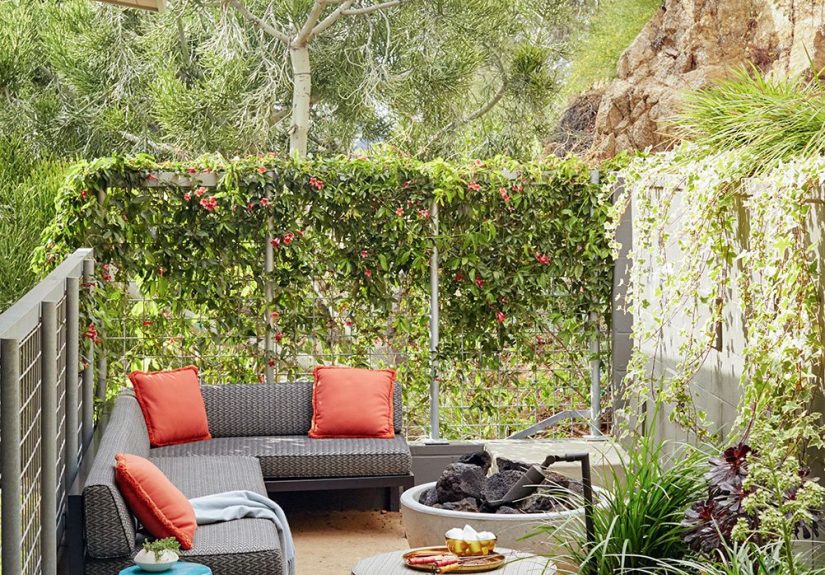
23) Add a trellis for climbing plants
A simple trellis creates height (which makes a yard feel layered and lush). Train vines, roses, or even vegetables like
cucumbers to climbmore green, less footprint.
24) Edge a bed with plants instead of materials
Low growers (like creeping thyme in the right climate) can act as a living border. It’s soft, natural, and often cheaper
than hard edgingplus it looks fancy.
25) Start a mini pollinator strip
Dedicate one sunny edge to pollinator-friendly blooms. It can be as small as a 2-foot-wide strip.
Bonus: more pollinators often means a happier veggie garden too.
Furniture and Comfort Without the “Outdoor Showroom” Price Tag
26) Refresh secondhand furniture with paint and new cushions
Facebook Marketplace and thrift stores are full of patio sets that just need cleaning and a coat of spray paint.
Replace cushions (or sew new covers) and you’ll get a high-end look for a fraction of retail.
27) Build a simple bench (or fake it with blocks)
A DIY bench can be as basic as boards on sturdy supports. Cinder blocks and lumber can create a modern, low-cost bench
in an afternoon. Add outdoor pillows for comfort.
28) Try pallet seating (safely)
Pallet furniture can be cheap and surprisingly sturdy. Sand thoroughly, use outdoor-safe finishes, and make sure the pallets
are clean and appropriate for reuse. Add thick cushions for real comfort.
29) Add a small bistro set for tiny patios
If you only have room for two chairs and a table, embrace it. A bistro set turns a balcony, corner patio, or side yard
into a daily-use space (coffee counts as “daily use”).
30) Make seating flexible with floor cushions and stools
For big gatherings, extra chairs get expensive. Outdoor floor cushions, stackable stools, and lightweight side tables
expand seating without eating your storage space.
31) Hang a hammock or chair swing
Few things scream “backyard upgrade” like a hammock. A stand works if you don’t have trees. Even a small hammock chair can
create a cozy reading nook in a corner.
32) Use a shade sail for instant relief
Shade structures can get pricey, but shade sails are relatively affordable and look modern. They’re perfect for sunny yards
and can make an outdoor seating area usable all afternoon.
33) Add outdoor curtains for a cabana vibe
Outdoor curtains on a pergola, canopy, or even a simple frame add privacy and softness. It’s a surprisingly “luxury” look
with a reasonable price tagespecially if you keep the hardware simple.
Lighting and Atmosphere (The Cheapest Way to Feel “Upgraded”)
34) Hang outdoor string lights the right way
String lights are basically backyard mascara: instant drama, minimal effort. Use sturdy anchor points, tension properly,
and choose outdoor-rated lights. For small yards, a single zig-zag overhead can transform the whole vibe.
35) Create light “poles” in planters
No fence posts? No problem. You can set posts in heavy planters (with gravel or concrete) to support lights.
It’s renter-friendly and flexiblemove the layout whenever you rearrange.
36) Use solar stake lights along paths
Solar lights are an easy, low-maintenance way to make a yard feel intentional at night. Line a walkway, edge a patio,
or highlight a planting bed. Keep spacing consistent for the most polished look.
37) DIY lanterns with jars or simple lantern shells
Lanterns add cozy light without installing anything. Put LED candles in jars or lanterns and cluster them on a table
or steps. It reads “styled,” not “I forgot the overhead light.”
Privacy and “Outdoor Room” Tricks for Any Yard Size
38) Build a DIY privacy screen
A simple screen made from lattice, slats, or panels can hide trash bins, create a backdrop for plants,
or block a neighbor’s view of your “compost-in-progress” situation. Add climbing plants for extra softness.
39) Use tall planters as a movable privacy wall
Big planters with tall grasses or upright shrubs create privacy that can move with your layout.
This works especially well on patios and decks where you can’t install permanent fencing.
40) Landscape in phases (and spend where it counts)
The cheapest backyard makeover is the one you don’t redo. Start with structurepaths, defined edges, a main seating zone
then add plants and décor over time. Look for reclaimed materials, free mulch, and local rebates to stretch your budget.
How to Combine These Ideas Without Overthinking It
If you’re staring at your yard thinking, “Okay, but where do I start?” try this simple order:
clean → define one destination → add a surface (rug/gravel/pavers) → add seating → add lighting → add plants.
That sequence works for small patios and big backyards because it prioritizes function first, then makes it pretty.
Also: repeat materials. If you choose gravel, echo it in a path. If you choose black hardware, repeat it in planters or lights.
Repetition is the secret ingredient that makes “cheap backyard ideas” look like “designer backyard choices.”
Experience-Based Tips From Real Budget Backyard Makeovers (Extra )
People usually imagine a backyard makeover as one big, dramatic reveal. In reality, the best budget transformations
tend to happen in a few “micro-wins” that stack up. One common pattern: the moment you define a single hangout zone,
the entire yard feels more usableeven if the rest is still a work in progress. It’s like putting a frame around a painting:
the frame doesn’t change the art, but suddenly everything looks more finished.
Another thing that shows up again and again: edges are everything. You can have perfectly healthy plants,
but if the bed line is wavy and weeds are creeping in, the yard looks messy. The opposite is also true: crisp edging plus fresh
mulch can make “average” plants look high-end. It’s one of those unfair design cheats that feels like you’re getting away with something.
Lighting is the next big “why didn’t I do this sooner?” moment. Even simple string lights can turn a basic patio into a space you actually
want to sit in after dinner. The practical lesson: don’t hang lights as an afterthought. Plan where people will sit first, then light that area.
And if you’re attaching anything to a boundary fence, be smartproperty lines and neighbor fences can be trickier than they look. When in doubt,
use your own posts, planters, trees, or a freestanding setup.
For small outdoor spaces, the most helpful mindset shift is this: you don’t need more stuffyou need better scale.
Oversized furniture can swallow a small patio and make it feel cramped. A compact bistro set, two slim chairs, or a single bench with a tiny
table can feel more “grown up” and more comfortable. The goal isn’t to fit everything you’d put in a big backyard. The goal is to create
a space that feels intentional and easy to use every day.
Plant choices also reveal a quiet truth about budgets: the cheapest plants aren’t always the best deal if they fail quickly. People often have
better luck buying fewer, sturdier plants (or region-appropriate natives) and letting them fill in over time. This is why “buy small, plant right”
is such a strong strategy. You save money up front, and you reduce the chance you’ll pay again later to replace stressed plants that never really took off.
Finally, one of the most reliable budget wins is thinking like a set designer: you only need to improve what you’ll actually see and use.
If your family always hangs out near the back door, make that zone amazing firstcomfortable seating, a defined surface (rug or gravel), and good lighting.
Then expand outward in phases. That approach avoids the classic budget trap: spending a little everywhere, but not enough anywhere to feel a real change.
When you build the backyard “one destination at a time,” your space starts working for you immediatelyeven while the long-term vision keeps growing.
Conclusion
A backyard makeover doesn’t have to be expensiveit just has to be intentional. Start with a clean base, create one clear destination,
choose a simple surface, add comfort and light, and let plants soften the edges. Pick a handful of ideas from this list, repeat a few materials,
and you’ll end up with an outdoor space that feels finished, welcoming, and surprisingly “put together” for the price.