Table of Contents >> Show >> Hide
- Why Earth Day Activities Matter for Families
- 45 Fun Earth Day Activities To Keep the Family Buzzing All Day
- How to Make These Earth Day Activities Work for Every Age
- Earth Day Is Better When It Feels Like Real Life
- Experiences That Make “45 Fun Earth Day Activities To Keep The Family Buzzing All Day” Feel Real
Earth Day rolls around every April 22, and somehow it always manages to sneak up on families like a squirrel stealing picnic chips. One minute you are minding your own business, and the next you are wondering whether “doing something green” means planting a tree, rinsing the recycling, or finally figuring out why there are seven half-dead markers in the junk drawer. The good news is that Earth Day does not have to be complicated, expensive, or suspiciously Pinterest-perfect to be memorable.
The best Earth Day activities for families are simple, hands-on, and just messy enough to feel exciting. They invite kids to explore the outdoors, notice wildlife, reuse everyday materials, and understand that caring for the planet is not some giant superhero mission that requires a cape made of hemp. It starts with small, real things: picking up litter on your street, planting something edible, turning off extra lights, making art from scraps, or walking slowly enough to notice the birds yelling at each other in the trees.
If you are looking for Earth Day ideas that keep everyone engaged from breakfast to bedtime, this list has you covered. Below, you will find 45 fun Earth Day activities that blend learning, movement, creativity, and family bonding without turning your house into a lecture hall. Some are energetic, some are calm, and a few are gloriously weird in the way only family traditions can be.
Why Earth Day Activities Matter for Families
Earth Day is more than a themed craft and a cute photo with a watering can. It is a chance to help kids connect the dots between their daily habits and the world around them. When children help sort recyclables, grow herbs, watch bees visit flowers, or notice how much trash collects in a park, environmental care stops being abstract. It becomes personal.
That is what makes family Earth Day activities so powerful. They teach practical skills, encourage curiosity, and show children that environmental responsibility can be joyful instead of gloomy. You are not just saying, “Take care of the planet.” You are showing them what that looks like in real life. Also, you are keeping them occupied, which deserves its own sustainability award.
45 Fun Earth Day Activities To Keep the Family Buzzing All Day
Morning Outdoor Adventures
- Take a sunrise or early morning nature walk. Start Earth Day with fresh air instead of cartoons. Challenge everyone to spot five signs of spring, such as new leaves, birdsong, flowers, puddles, or insects on the move.
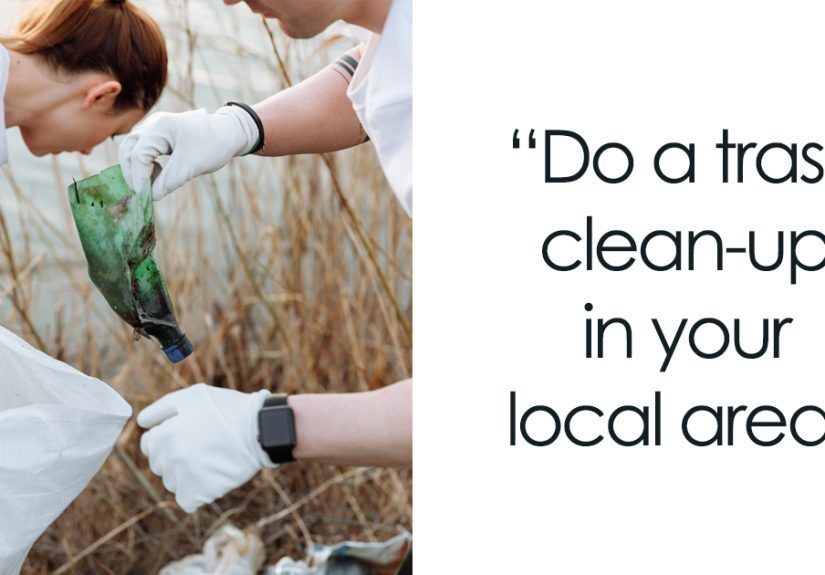
- Do a neighborhood litter sweep. Grab gloves, a trash bag, and a can-do attitude. Turn cleanup into a game by seeing which family member can find the oddest piece of trash without touching anything unsafe.
- Adopt one tiny patch of Earth for the day. It could be the curb near your house, a corner of a playground, or the area around your mailbox. Cleaning one small space gives kids a clear sense of impact.
- Try a nature photo scavenger hunt. Instead of collecting items, collect pictures of things like “something yellow,” “something smaller than your thumb,” or “something that looks like art but grew by itself.”
- Start a family nature journal. Bring a notebook outside and sketch leaves, write weather notes, or record the birds you hear. Perfection is not the goal here. “This bug looked confused” is a valid scientific observation.
- Go birdwatching with beginner eyes. Sit quietly in the yard, a park, or by a window and count how many birds you see in 15 minutes. Even common birds become interesting once kids start noticing colors, calls, and behavior.
- Make a simple bird feeder. Use a pinecone, sunflower butter or seed butter, and birdseed, or hang orange slices for fruit-loving birds in warm regions. Then wait for the feathered review panel to arrive.
- Plant a butterfly-friendly patch. Add nectar flowers or native plants to a pot, bed, or window box. Even one small pollinator corner can help kids understand how insects and plants work together.
- Build a mini pollinator puddling station. Fill a shallow dish with pebbles and a little water so bees and butterflies have a safe place to drink. It is tiny, easy, and surprisingly fascinating to watch.
- Hunt for signs of animal life. Look for nests, feathers, tracks, chewed leaves, spiderwebs, or ant trails. This turns an ordinary walk into detective work with fewer trench coats.
- Do leaf and bark rubbings. Place paper over leaves or textured tree bark and rub with crayons. Kids get art, sensory play, and a closer look at how different plants actually feel.
- Pick one tree and get to know it. Notice its bark, shape, shade, leaves, and what lives around it. Return later in the day and see how the light changes it. Congratulations, your family now has a tree friend.
- Visit a creek, pond, or lake and talk about watersheds. Keep it simple: water connects places. Kids quickly grasp that what goes into streets and storm drains can end up in streams and rivers.
- Watch clouds and talk weather. Lie on a blanket and identify cloud shapes while discussing rain, wind, and seasons. It is science disguised as loafing around, which is a parenting win.
- Hold a five-minute “sit spot” challenge. Everyone sits silently outdoors and notices every sound, smell, and movement. The quiet usually lasts about forty-seven seconds with younger kids, but that still counts.
Midday Garden, Science, and Hands-On Fun
- Plant herbs or vegetables together. Basil, mint, lettuce, beans, and cherry tomatoes are family-friendly picks. Kids love growing food they can actually eat, especially when they can announce, “I made this salad happen.”
- Create an upcycled planter. Use an old can, yogurt cup, or milk carton and decorate it with paint or markers. It is part craft, part gardening, and part revenge against packaging waste.
- Start a compost jar or compost bin lesson. Show children how fruit peels, leaves, and other scraps break down over time. Earth Day becomes much more real when a banana peel gets promoted from “garbage” to “future soil.”
- Build a bug hotel. Fill a small container or corner of the yard with twigs, hollow stems, pinecones, and bark. Kids learn that not every creepy-crawly is a villain in a cartoon.
- Make seed balls with native wildflower seeds. Mix clay, soil, and region-appropriate native seeds, then let them dry. This is a fun way to talk about habitat while keeping the mess at a socially acceptable level.
- Try a rain cloud or water cycle experiment. Use a jar, shaving cream, and colored water, or a bag taped to a sunny window. Earth science lands better when it looks a little dramatic.
- Measure how much water your family uses. Time a dripping faucet, compare quick showers to long ones, or collect the water used for rinsing produce and give it to plants. Kids love data when it feels like spying on the sink.
- Build a simple rain gauge. Cut and mark a plastic bottle, place it outside, and track rainfall. This turns weather into an ongoing Earth Week project instead of a one-day event.
- Make recycled paper. Shred scrap paper, soak it, blend it into pulp, and press it into new sheets. It is wonderfully lumpy and gives old homework a noble second act.
- Create “trash to treasure” sculptures. Use bottle caps, cardboard, scrap fabric, and clean packaging to make animals, robots, flowers, or miniature cities. Reuse gets a lot more exciting when the cereal box becomes public art.
- Hold a trashion fashion show. Design silly outfits from newspaper, paper bags, or other clean reusable materials. The runway commentary is mandatory and should be dramatically overconfident.
- Paint Earth Day rocks. Decorate stones with bees, leaves, oceans, or short planet-friendly messages. Hide them in your yard or neighborhood with permission for a cheerful eco scavenger surprise.
- Make an Earth Day mural or sidewalk chalk masterpiece. Create one big collaborative scene with forests, pollinators, rivers, and your family protecting them. Bonus points if the dog gets included as “Head of Sustainability.”
- Cook a low-waste lunch together. Use reusable plates, cloth napkins, local produce if possible, and leftovers creatively. A “clean-out-the-fridge veggie quesadilla” is both practical and deeply heroic.
- Plant something for birds and pollinators. Choose native plants when possible. This helps children understand that gardens are not just pretty; they are also food and shelter for wildlife.
Afternoon Challenges, Games, and Family Missions
- Do a recycling sort relay. Set out clean items and have kids race to sort paper, metal, plastic, compost, and landfill. Nothing says family bonding like passionately arguing about a yogurt lid.
- Play an Earth Day trivia game. Mix easy and silly questions with real ones about wildlife, recycling, and the environment. Add goofy prizes like “Golden Banana Peel” or “Supreme Tree Hugger.”
- Try an energy-saving treasure hunt. Look around the house for lights left on, electronics plugged in, or drafty doors and windows. Give each child the title of “Energy Detective” and prepare for intense enforcement.
- Schedule a no-car mini adventure. Walk, bike, or scooter to a nearby park, library, or farmers market. Kids often remember the journey as much as the destination.
- Visit a local park, botanical garden, or arboretum. Let the day include a bigger outdoor experience if you can. The goal is not to conquer a mountain; it is to notice the world beyond your driveway.
- Do a backyard bioblitz. Spend 20 minutes documenting every living thing you can find: ants, moss, worms, clover, mushrooms, birds, weeds, and all. Suddenly the yard feels like a tiny national park.
- Build a fort with natural materials or reused household items. Sticks, sheets, cardboard, and leaves can become a “forest lab” or “pollinator headquarters.” Nature play has a sneaky way of making environmental learning stick.
- Host a seed swap or toy swap with neighbors. Reusing what already exists is an Earth Day lesson in action. Plus, kids are more likely to embrace reuse when it comes with “new to me” excitement.
- Make Earth Day promise cards. Each family member writes one realistic promise, such as taking shorter showers, using reusable bottles, or planting something this season. Keep them specific and doable.
- Create kindness coupons for the planet. Examples include “I will water the plants,” “I will pick up litter on our walk,” or “I will remember the reusable bags.” They are like chore coupons, but with slightly better branding.
- Read eco-themed books together. Pair a picture book, nonfiction title, or nature magazine with discussion. Ask children what surprised them, what they noticed, and what they want to protect.
- Write a short poem, chant, or rap about the Earth. Keep it playful and rhythmic. If your child rhymes “ocean” with “keep it in motion,” absolutely applaud like you are at a sold-out stadium.
- Make a family poster campaign. Design signs about recycling, pollinators, native plants, or keeping parks clean. Hang them at home, in a classroom, or at a family Earth Day table.
- Try an eco board game or online environmental challenge. Use a kid-friendly recycling game, wildlife puzzle, or simple quiz. Learning through play is still learning, even when someone gets wildly competitive about compost.
- Do one fix-it job instead of buying new. Sew a loose button, repair a toy, tighten a bike seat, or glue the sole back onto a shoe. It is a quiet but powerful lesson that “broken” does not always mean “trash.”
Evening Wind-Down Activities That Still Count
- Hold a family picnic dinner outside. Eat on the porch, in the yard, or at a park. Outdoor meals make ordinary food feel festive and help end the day with gratitude for the space around you.
- Try a lights-out game hour. Turn off extra lights, light a safe lantern or battery candle, and play cards or tell stories. Kids quickly see that saving energy does not have to feel like punishment.
- Watch the sunset and share one thing you learned. Keep it simple: one observation, one favorite activity, or one habit to continue after Earth Day. Reflection turns a fun day into a lasting family memory.
- Make a gratitude list for the planet. Ask everyone to name things they love that come from nature: rain, strawberries, trees, oceans, birds, shade, mountains, even mud puddles. It shifts the mood from duty to appreciation.
- Plan one follow-up activity for next week. Earth Day works best when it leads to a habit. Choose one thing to continue, whether that is gardening, walking, composting, or Saturday litter cleanups.
How to Make These Earth Day Activities Work for Every Age
If you have toddlers, keep activities short, sensory, and visual. Think water play, digging, chalk art, birdwatching from a blanket, or decorating planters. If you have elementary-age kids, lean into scavenger hunts, relays, crafts, and anything involving dramatic titles like “Chief Worm Inspector.” Older kids and tweens often respond best when activities feel real and useful, such as helping cook a low-waste meal, organizing a cleanup, documenting species in the yard, or planning a garden project with a purpose.
The trick is not to do all 45 activities in one day unless you secretly run on espresso and forest magic. Pick a handful that match your family’s energy, weather, and available space. A great Earth Day celebration usually includes three ingredients: moving your body, making something with your hands, and ending the day with one habit you want to keep.
Earth Day Is Better When It Feels Like Real Life
The most memorable Earth Day activities are not always the most polished ones. Sometimes the magic is in the slightly crooked seed labels, the muddy shoes by the door, the child who becomes emotionally invested in a worm, or the family cleanup photo where everyone looks sweaty but proud. That is the good stuff. It means the day was lived, not staged.
So go ahead and make Earth Day playful. Let the kids get dirt under their nails. Let the craft table get messy. Let the questions get big. Families do not need to save the whole world in one afternoon. They just need to practice paying attention, caring a little more, and doing one meaningful thing together.
Experiences That Make “45 Fun Earth Day Activities To Keep The Family Buzzing All Day” Feel Real
One of the best things about a family Earth Day is that it rarely goes exactly as planned, and that is usually why it becomes unforgettable. Maybe you intended to start with a peaceful nature walk, but your youngest child became deeply committed to carrying a stick that was roughly the size of a canoe. Maybe your bird feeder turned out less like a charming woodland craft and more like an abstract peanut butter incident. Maybe your cleanup walk lasted only 18 minutes because someone found a caterpillar and the entire schedule collapsed in the presence of greatness. That still counts as a successful day.
Families often discover that Earth Day feels different from other themed celebrations because it is so interactive. Kids are not just observing. They are touching soil, noticing smells, hearing wind in the trees, and asking questions adults do not always have ready answers for. Why are there ants under this rock? Why do some flowers bring more bees than others? Where does rainwater go after it leaves the street? Those moments are where the day becomes richer than a checklist.
There is also something wonderfully grounding about doing practical things together. Picking up litter in your neighborhood may not sound glamorous, but children usually remember it because the result is visible. The park looks better. The sidewalk is cleaner. Their effort mattered. The same is true for planting herbs in a pot, sorting recycling correctly, or fixing something instead of throwing it away. These are not flashy experiences, but they build a quiet sense of responsibility that sticks.
Another great part of Earth Day is how it invites families to slow down. In normal life, everyone rushes from task to task. On Earth Day, even ten minutes spent listening for birds or watching clouds can reset the whole mood of the house. Parents often enjoy that pause as much as the kids do. It is a reminder that being outside does not always have to mean a major trip, a packed cooler, and three forms of bug spray. Sometimes a backyard, a balcony, a sidewalk tree, or a patch of dandelions is enough to spark wonder.
The activities that create the strongest memories are often the ones that continue after Earth Day ends. The basil plant on the windowsill becomes part of dinner a month later. The family promise to carry reusable water bottles becomes normal. The child who made a “save the pollinators” poster keeps checking whether butterflies visit the flowers. That is when Earth Day stops being a once-a-year event and starts becoming part of family culture.
And honestly, that is the real goal. Not perfection. Not guilt. Not turning your children into tiny environmental policy experts before dessert. Just helping them feel connected to the natural world and confident that their actions matter. If your Earth Day ends with dirty shoes, tired kids, one new habit, and a handful of stories your family keeps retelling, then you did it right.