Table of Contents >> Show >> Hide
- Why hot water can backfire
- A quick wash-temperature cheat sheet
- 5 items you should never wash in hot water
- 1) Wool, cashmere, and other animal-fiber sweaters
- 2) Silk, satin, lace, and “hand-wash” delicates
- 3) Anything with elastic: bras, lingerie, swimwear, and shapewear
- 4) Performance activewear and athleisure (leggings, workout tops, jerseys)
- 5) Dark, bright, and indigo-dyed items (jeans, black tees, bold colors, graphic prints)
- How to get laundry “really clean” without hot water
- A laundry pro’s 10-second temperature test
- of real-life laundry lessons (and a few laughs)
- Conclusion
Hot water has a great reputation. It feels “cleaner.” It smells like a fresh start. It also has the emotional energy of a motivational poster: Believe in yourself and your rinse cycle.
But here’s the truth a laundry pro learns fast: hot water is powerfuland power needs rules. The wrong load on the hot setting can turn a perfectly good sweater into a toddler-sized felt coaster, fade your favorite black tee into “charcoal-ish,” or make stretchy pieces lose their bounce like an old rubber band.
This guide breaks down five common items you should never wash in hot water, why heat is the villain in each story, and what to do instead. You’ll also get a simple temperature “decision tree,” plus pro tricks for getting laundry hygienic without cranking the dial to lava.
Why hot water can backfire
Water temperature affects three big things: fibers (how they behave), dyes (how they move), and finishes (the stretchy, shiny, printed, glued, or “techy” stuff added to fabrics). Hot water can:
- Shrink or felt fibers (especially animal fibers like wool).
- Release dyes faster, causing fading and color bleeding.
- Weaken elastic and damage performance coatings.
- Set certain stainsparticularly protein-based stains like bloodmaking them harder to remove.
A quick wash-temperature cheat sheet
If you want a simple rule, try this: Hot is for sturdy, pale, heavily soiled stuffcold is for “please don’t ruin my life” stuff. Most of your wardrobe is in the second category.
- Cold: delicates, darks, brights, denim, wool, silk, anything that can shrink or bleed, and loads with protein stains.
- Warm: everyday synthetics, blends, and moderately soiled clothing when the care label allows it.
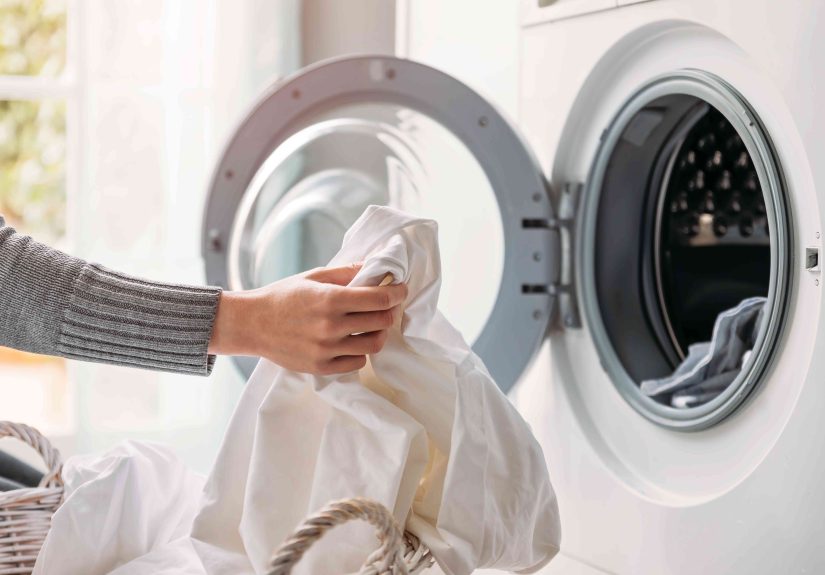
- Hot: select whites, towels, bedding, and sanitizing loadsonly when the fabric can handle it and you actually need it.
5 items you should never wash in hot water
1) Wool, cashmere, and other animal-fiber sweaters
Wool and cashmere are basically the cats of the laundry world: luxurious, a little dramatic, and totally uninterested in following your schedule. Hot water can cause shrinkage and felting (that irreversible “matted” texture) because heat plus agitation encourages fibers to tangle and tighten.
What hot water does: It swells the fibers, loosens the structure, andcombined with tumblingturns “soft and drapey” into “dense and stiff.” Even wool blends can react badly, so don’t let the 10% wool content trick you into bravery.
What to do instead:
- Wash on cold or “tap cold,” using the delicate/wool cycle if your machine has it.
- Use a wool-safe detergent and skip fabric softener.
- Turn sweaters inside out and place them in a mesh bag for less friction.
- Lay flat to dry on a towel (hangers stretch shoulders into weird little mountains).
Pro example: That “one quick hot wash” on a wool cardigan usually ends with a new, very expensive dog sweater. If you love the garment, love it in cold water.
2) Silk, satin, lace, and “hand-wash” delicates
Silk is strong for its weight, but it’s not a fan of heat. Hot water can dull the sheen, weaken fibers, and trigger color loss. Lace and other delicate trims can warp or snag more easily when the fabric softens in heat.
What hot water does: It speeds up dye release, increases friction damage, and can leave some silks looking rougher or “crinkly” after drying. Heat also makes it easier to distort delicate knits and fine weaves.
What to do instead:
- Use cold (or cool) water and a gentle detergent made for delicates.
- Machine-wash only if the label says it’s safe. Use a mesh bag and the gentle cycle.
- Don’t wring. Press water out with a towel like you’re politely asking the moisture to leave.
- Air-dry away from direct heat; reshape while damp.
Pro example: A silk blouse washed hot can come out looking “fine,” until you wear it and realize it lost that smooth, floaty hand-feel. Cold water preserves the fabric’s personality.
3) Anything with elastic: bras, lingerie, swimwear, and shapewear
If an item relies on stretch to fit correctly, hot water is not your friend. Elastane (spandex) and rubbery components break down faster with heat, which means your supportive bra can become a “suggestive” bra, and swimwear can go from snug to sad.
What hot water does: It accelerates elastic fatigue. The fibers relax, lose recovery, and may even warpespecially when followed by high-heat drying. Hooks, straps, and bonded seams also take a beating.
What to do instead:
- Wash in cold on delicate. Always use a lingerie bag.
- Fasten hooks before washing so they don’t chew up everything else like tiny metal piranhas.
- Skip fabric softener and dryer sheets; they can coat fibers and reduce stretch performance.
- Air-dry (or tumble dry low only if the label allows).
Pro example: If you’ve ever wondered why a bra seems to “age in dog years,” hot water is often the culprit.
4) Performance activewear and athleisure (leggings, workout tops, jerseys)
Activewear is a cocktail of synthetics: polyester, nylon, elastane, and sometimes special finishes that manage moisture and odor. A lot of people assume hot water is the only way to beat sweat funk. Some cleaning labs even recommend warmer washes for workout clothes when odor is a problem. Laundry pros take a more careful approach: hot water can shorten the lifespan of these fabrics, especially when they contain stretch or heat-sensitive coatings.
What hot water does: It can weaken elastane, increase pilling, and sometimes degrade performance finishes. Heat may also “bake in” certain odors if the detergent doesn’t fully rinse, leaving that mystery gym smell that reappears the moment you start moving.
What to do instead:
- Follow the label, but as a default use cold or warmnot hot.
- Use a detergent with enzymes (great for sweat and body oils), and don’t overdose it.
- Add an extra rinse if your gear feels “slick” (detergent residue can trap odor).
- For stubborn smells, use an EPA-registered laundry sanitizer or oxygen bleach (if safe for the fabric) instead of turning the water temperature into a volcano.
Pro example: Think of activewear like a high-performance gadget. You wouldn’t clean your phone in boiling watertreat your leggings with the same respect.
5) Dark, bright, and indigo-dyed items (jeans, black tees, bold colors, graphic prints)
Hot water and color are natural enemies. Heat helps dyes loosen and move, which is great if your goal is to create “vintage fade” accidentally, right now, in your laundry room.
What hot water does: It increases fading and bleeding, especially with new denim and saturated colors. It can also be rough on graphic tees: heat plus agitation can speed up cracking and peeling of some prints over time.
What to do instead:
- Wash darks and brights in cold, inside out, on a gentle cycle.
- Separate new, dark denim for the first few washes (indigo is a known escape artist).
- Use a color-safe detergent, and consider a dye-fixing rinse for new jeans if you’re worried about bleed.
- Air-dry to preserve both color and fit.
Pro example: If you love black jeans, hot water will slowly turn them into gray jeans. Cold water keeps them in their goth era longer.
How to get laundry “really clean” without hot water
Hot water is only one cleaning tooland it’s not always the best one. If someone in your home is sick or immunocompromised, you may choose warmer settings for select sturdy items, but for the five items above, stick with label-safe temperatures and use other hygiene boosters instead. If you’re trying to remove stains, sweat, or everyday grime without damaging clothing, focus on what actually moves the needle:
Use the right chemistry
- Enzymes help break down proteins, oils, and starchesperfect for collars, underarms, and food stains.
- Oxygen bleach boosts stain removal for many colors without the harshness of chlorine bleach (always check labels).
- Laundry sanitizers can add a germ-killing step at lower temperatures, which is useful when you want extra hygiene but can’t use hot water.
Pre-treat and be patient
Most “my detergent doesn’t work” moments are really “I didn’t give the stain any attention” moments. Pre-treat, let it sit, and wash promptly. And remember: if you have a protein-based stain (blood, egg, some dairy), start with cold water so you don’t set it.
Don’t sabotage your own wash
- Measure detergent. Too much can leave residue, which attracts soil and holds odors.
- Don’t overload the machine. Clothes need room to move so water and detergent can circulate.
- Choose the right cycle length. “Quick wash” is for lightly soiled items, not muddy soccer uniforms.
A laundry pro’s 10-second temperature test
Standing in front of the washer, ask these three questions:
- Could this shrink or felt? If yes, cold.
- Could this fade or bleed? If yes, cold.
- Does this depend on stretch, shine, or a special finish? If yes, cold or warmavoid hot.
If all answers are “no” and the item is sturdy and heavily soiled, warm is usually plenty. Reserve hot water for the rare loads where it’s truly helpful and the fabric can handle it.
of real-life laundry lessons (and a few laughs)
Every laundry pro has a private museum of “hot water regrets.” Not because clients are carelessbecause laundry is sneaky. It looks simple until it isn’t.
The Sweater That Became a Trivet: Someone once washed a cashmere sweater on hot because it “felt gross” after a long day. Totally relatable. Unfortunately, cashmere doesn’t interpret “gross” as “please sanitize.” It interprets hot water as “let’s become a dense little felt pancake.” The owner didn’t notice until it dried and suddenly fit like a crop top designed for a very confident hamster. Lesson: if a sweater is precious, treat it like jewelrygentle handling and no heat.
The Bra That Lost Its Will to Live: Hot water plus a high-spin cycle is basically CrossFit for lingerie. A client complained their favorite bra “stretched out overnight.” After a few questions, we discovered a well-meaning family member had tossed it into a hot load of towels. The elastic didn’t snap dramatically; it just quietly gave up. Lesson: lingerie bags aren’t optional. They’re tiny fabric bodyguards.
The Indigo Incident: New jeans are gorgeous, but their dye is not loyal. One hot wash later, a load of pale tees turned a charming shade of “blueberry milk.” We managed to recover most of it with quick action, but everyone involved learned a valuable truth: denim dye is a wanderer. Lesson: wash new dark denim separately, cold, inside outlike the care label has been begging you to do.
The Graphic Tee That Aged 10 Years: Screen prints don’t always fail instantly. Instead, they crack slowly, like a friendship that can’t survive group texts. Hot water speeds up that aging process. A beloved concert tee came out fine… until the next few wears, when the print started looking like a desert floor. Lesson: cold water and gentle cycles keep your prints looking less “archaeological artifact” and more “I bought this on purpose.”
The Stain That Set Like a Legend: The most dramatic hot-water mistake is when someone sees a stainsay, blood from a scraped knee or a drippy cooking accidentthen goes straight to hot because “heat cleans.” Sometimes heat does clean. For protein stains, heat can lock the stain in like it’s signing a lease. Lesson: start cold, pre-treat, and only move warmer after the stain is gone.
The “Hotter Is Better” Myth in Gym Gear: A runner once swore their shirts only smelled clean if they were washed on hot. The problem? The shirts were packed with stretch and a slick “technical” finish that didn’t love high heat. Hot washes also seemed to leave a bit of detergent behind, and residue can trap odor like a sponge. The fix was boring but magical: measure detergent, add an extra rinse, and occasionally use a laundry sanitizer (when the label allows). The smell disappeared, the gear lasted longer, and nobody had to boil their leggings ever again.
The Lace Snag That Started a Household Rule: A delicate lace cami went into a hot load “because it was small.” Heat softened the lace, agitation did the rest, and a tiny snag became a noticeable pull. Now that household has a simple rule: if it’s lacy, strappy, silky, or has hooks, it rides in a mesh bag on cold. Lesson: small items aren’t low-risk items.
After enough of these stories, you start seeing the washer dial differently. Hot isn’t the default. It’s the special setting you earn with a sturdy fabric, a good reason, and a care label that says, “Yes, I can handle it.”
Conclusion
If you remember one thing, make it this: hot water is a tool, not a lifestyle. Keep wool, silk, elastic pieces, performance activewear, and dark or vibrant colors out of hot washes to prevent shrinkage, fading, and fabric damage. Lean on cold (or warm) water plus smart stain treatment, the right detergent, and gentle cycles. Your clothes will last longer, look better, and you’ll spend less time mourning a sweater that now fits your cat.