Table of Contents >> Show >> Hide
- Why 2025 Is a Big Year for Small Spaces
- 1) Micro-Zoning: Turning One Room Into Three (Without Building a Wall)
- 2) Modular + Multifunctional Furniture That Actually Looks Good
- 3) Color Drenching and Pattern Play: Small Rooms, Big Personality
- 4) Vertical Everything: Storage That Climbs the Walls (Because Your Floor Is Busy)
- 5) Warm Minimalism + Natural Texture: Cozy Without the Clutter
- Quick Checklist: How to Apply These 2025 Trends Without Overdoing It
- Conclusion: Small Spaces Aren’t LimitingThey’re Edit-Friendly
- Real-Life Small-Space “Experiences”: What Living With These Trends Feels Like
- SEO Tags
Small spaces have always been the design world’s ultimate stress test: Can you make a 450-square-foot apartment feel like a calm, functional homenot a storage unit with Wi-Fi? In 2025, the answer is a confident “yes,” thanks to trends that prioritize flexibility, personality, and the kind of comfort that doesn’t require knocking down walls (or your neighbor’s patience).
The big shift: designers are treating compact homes like high-performance machines. Every inch has a job. But it still has to look goodbecause we’re not living in a spreadsheet. Below are five small-space decorating trends set to dominate 2025, plus exactly how to use them without turning your home into a showroomor a chaotic Pinterest audition.
Why 2025 Is a Big Year for Small Spaces
In 2025, small-space design isn’t a nicheit’s the main event. More people are renting longer, downsizing intentionally, or simply choosing locations where square footage is expensive and the coffee is… artisanal. At the same time, home has to do more: work, rest, hosting, hobbies, wellness, storage, and the occasional “I’ll start yoga today” delusion.
That’s why the most impactful trends aren’t about buying more stuff. They’re about using space smarter: creating zones, reducing visual clutter, leaning into color and texture strategically, and choosing furniture that adapts when life changes (or when your friend insists on “just staying one night”).
1) Micro-Zoning: Turning One Room Into Three (Without Building a Wall)
Open layouts aren’t “over,” but 2025 is all about structure inside the openness. Micro-zoning is the idea that your studioor your small living roomshould feel like it has dedicated areas for different activities. Not by adding walls, but by creating visual cues: rugs, lighting, furniture placement, and even paint.
What micro-zoning looks like in real life
- A “work corner” that uses a narrow desk, a plug-in sconce, and a small shelf for suppliesso work doesn’t take over your couch.
- A “lounge zone” anchored by a rug sized for the seating area (yes, even in a tiny roomtiny rugs can make things feel smaller).
- A “dining moment” like a bistro table tucked near a window, doubling as a coffee spot and an extra surface for projects.
How to pull it off (without it feeling fussy)
Start with the activities you actually do, not the ones your “best self” does in a fantasy montage. If you don’t host dinner parties, don’t sacrifice storage for a table that exists to collect unopened mail.
Then, create zones using the lightest possible tools:
- Rugs to define areas (one for living, one runner for an entry path, or a small mat for a desk zone).
- Lighting layers (overhead + task + ambient) so every zone has its own mood and purpose.
- Furniture as “soft dividers” (a low shelf, a console behind a sofa, or even a curtain panel on a tension rod).
The payoff is huge: your room feels intentional, calmer, and easier to keep tidy because everything has a “home base.”
2) Modular + Multifunctional Furniture That Actually Looks Good
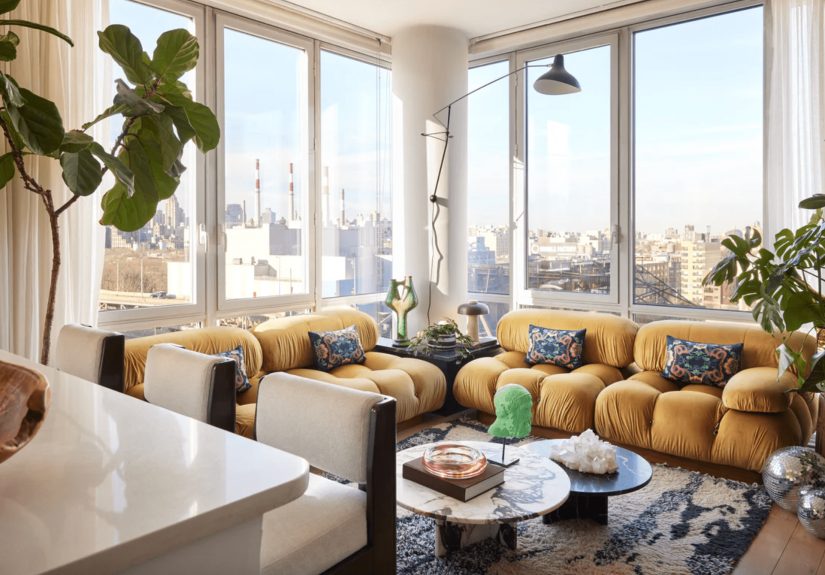
If small spaces are a game of Tetris, modular furniture is the “rotate” button. In 2025, you’ll see more pieces designed to shift with your needs: modular sofas that reconfigure, ottomans with storage, drop-leaf tables, wall-mounted desks, and beds that don’t swallow the room.
The 2025 twist: flexibility without the “college futon energy”
Multifunctional doesn’t have to look like it’s trying too hard. The best pieces hide their superpowers: a storage ottoman that looks like a sleek coffee table, a sectional that breaks into smaller seats, or a console that expands into a dining table when guests appear.
Smart picks for small spaces
- Modular seating: Choose a configuration you can split later (moving day will thank you).
- Pieces with legs: Visible floor space makes rooms feel larger. Bonus: you can slide bins underneath.
- Storage that’s “invisible”: Lift-top coffee tables, bench seating, and headboards with shelving.
- Wall-mounted solutions: Fold-down desks, floating nightstands, and slim shelves keep the floor open.
A specific example
In a 500-square-foot studio, swap a bulky sofa-and-loveseat combo for two compact chairs plus a small modular loveseat. Add a storage ottoman that works as a coffee table and a spare seat. The result: better walkways, easier rearranging, and seating that doesn’t feel like it was jammed in with a shoehorn.
This trend is also quietly sustainable: buying one adaptable piece that lasts beats replacing “temporary” furniture every year because your life (or lease) changed.
3) Color Drenching and Pattern Play: Small Rooms, Big Personality
For years, small-space advice was basically: “Paint it white and whisper.” In 2025, the mood is more like: “Paint it boldly and commit.” Color drenchingusing one hue across walls (and sometimes trim, doors, and even ceiling)is a major trend, and it’s surprisingly effective in small rooms because it reduces harsh contrast lines and creates a wrapped-in feeling.
Why it works in tight quarters
When everything is the same tone, your eye stops chopping the room into pieces. Instead, it reads as one cohesive spaceoften making it feel larger and more intentional. It’s the visual equivalent of putting your room on “Do Not Disturb.”
Pattern is back, but with a strategy
Pattern in 2025 isn’t random chaos; it’s repetition and placement. Designers are using:
- One hero pattern (wallpaper in a powder room, a striped rug in the living zone, or block-print curtains).
- Repetition (echoing that pattern’s colors in a pillow, a throw, and a single piece of art).
- Trim as a design move (painted window frames, contrast trim, or a bold door color that reads like functional art).
Try this “small-but-mighty” formula
Pick one saturated, earthy tone (deep olive, warm clay, cocoa brown, inky blue). Paint the walls and trim in the same family (or same color in different sheens). Then add texture: linen curtains, a wool rug, and wood accents. You’ll get drama without clutter.
And if you’re nervous? Start with a smaller space that can handle bold choicesan entry, a bathroom, or even a hallway. Small rooms are basically the perfect place to go big, because you don’t have to buy as much paint or wallpaper to make a statement. Your budget will feel personally respected.
4) Vertical Everything: Storage That Climbs the Walls (Because Your Floor Is Busy)
In 2025, the best small spaces don’t look “stored”they look designed. The difference is vertical thinking: using walls, height, and architectural-looking storage to keep surfaces clear and the room visually calm.
What’s trending
- Floor-to-ceiling cabinetry and shelving: It draws the eye upward and reduces visual clutter.
- Closed storage in pretty disguises: Baskets, lidded boxes, and cabinets that hide the chaos.
- Wall-mounted plant and decor systems: Greenery goes vertical, freeing up tables and window sills.
- Small details that add function: shelf railings, hooks, peg rails, and slim ledges that keep items from migrating.
Design tip: make storage look intentional
Here’s the trick: treat storage like architecture. Instead of adding three unrelated bookcases, install one cohesive system (or choose matching units) that spans wider or taller. It looks customeven if you assembled it with an Allen key and mild resentment.
Kitchen and entryway wins
Small kitchens benefit most from vertical storage because counters become unusable fast. Wall shelves, hanging rails, and tall pantry cabinets can turn “I have nowhere to put this blender” into “I can live like a functional adult.” In entryways, a wall-mounted shelf plus hooks and a slim shoe cabinet keeps the landing zone under control.
5) Warm Minimalism + Natural Texture: Cozy Without the Clutter
Minimalism in 2025 isn’t cold or sterile. It’s warmer, softer, and more tactilethink natural materials, layered textures, and fewer but better objects. In small spaces, this is a cheat code: you get visual calm without sacrificing comfort.
The key ingredients
- Warm neutrals and earthy tones: creamy whites, taupe, sand, terracotta, olive, and chocolate browns.
- Texture on texture: bouclé, linen, wool, wood grain, stone, woven baskets, and matte ceramics.
- Curated, meaningful decor: fewer items, but each one earns its spot.
- Biophilic touches: plants, natural light, organic shapes, and materials that feel grounded.
How to do warm minimalism in a small home
First, pick a tight color paletteespecially for big items (sofa, rug, curtains). Then add variety through texture, not clutter. A neutral room with five textures feels rich; a neutral room with 37 small knickknacks feels… like you’re about to start a museum gift shop.
Next, bring in one or two vintage or patina pieces. In compact spaces, vintage often works better than bulky new furniture because older pieces can be slimmer, more detailed, and more characterful. A small antique mirror, a vintage lamp, or a weathered wood side table adds depth without taking over.
Finally, make “cozy” a system: warm lighting, soft textiles, and a place for everything. Comfort isn’t just a throw blanketit’s knowing where your keys are.
Quick Checklist: How to Apply These 2025 Trends Without Overdoing It
- Choose one “hero” move per room: a color-drenched wall, a modular sofa, or a floor-to-ceiling storage moment.
- Keep walkways sacred: if you have to sideways-shuffle past the coffee table, the room is in chargenot you.
- Use repetition: repeat a shape, color, or material 2–3 times for cohesion (not 12 times for chaos).
- Layer lighting: overhead + task + ambient. Your room deserves options.
- Hide the ugly stuff: cords, bulky gadgets, mismatched packagingput them away so the room can breathe.
Conclusion: Small Spaces Aren’t LimitingThey’re Edit-Friendly
The best small spaces in 2025 won’t feel “small.” They’ll feel intentional. Micro-zoning creates structure. Modular furniture keeps you flexible. Bold color and pattern add personality without adding clutter. Vertical storage frees your floor (and your brain). Warm minimalism makes everything feel calm and lived-in, not sterile.
The overall theme is confidence: instead of trying to make a small home disappear, 2025 trends encourage you to make it work harderand look betteron purpose. Your space doesn’t need to be bigger. It needs to be smarter. And maybe a little more you.
Real-Life Small-Space “Experiences”: What Living With These Trends Feels Like
Let’s talk about the part design articles don’t always admit: it’s not enough for a room to look good. You have to live in iton a random Tuesday, when you’re tired, hungry, and carrying three packages you definitely didn’t order “on purpose” (they just… arrived).
Experience #1: Micro-zoning makes your brain quieter. In a typical studio setup, everything blends together: your bed is next to your desk, your desk is next to your dinner, your dinner is next to your laundry. When you create micro-zoneseven with simple tools like a rug under the seating area and a small lamp by the deskyou feel the difference immediately. The “work corner” feels like work. The “couch zone” feels like rest. People often say it’s easier to relax because the room stops shouting, “Hey, remember your inbox?”
Experience #2: Modular furniture saves you from “layout regret.” A classic small-space mistake is buying furniture for the apartment you wish you had. Then you move the sofa in and realize it eats the room alive. Modular seating flips that script. If you start with a smaller configuration and add pieces later, the space stays flexible. And if you host occasionally, a storage ottoman can be a seat, a table, a footrest, and a hiding place for the stuff you don’t want visible (like the cable you keep meaning to organize).
Experience #3: Color drenching is oddly calming. People assume bold color will feel chaotic in a small space, but the lived experience often surprises them. A single, saturated tone can feel cocoon-likeespecially in bedrooms, hallways, and bathrooms. It also simplifies decorating decisions. When your walls, trim, and door all live in the same color family, suddenly your rug choice and art choice get easier, because the room already has a strong point of view. The space feels “done” faster, which is a magical feeling when you’re tired of making decisions.
Experience #4: Vertical storage changes your daily rhythm. The win isn’t just more storageit’s fewer micro-annoyances. When frequently used items have a vertical home (hooks for bags, a ledge for keys, wall shelves for books), you stop playing daily scavenger hunt. The space stays cleaner because surfaces stop becoming default dumping grounds. And the room feels taller, which is the closest thing to “free square footage” you can get.
Experience #5: Warm minimalism is the “maintenance plan” of small-space style. In tiny homes, clutter multiplies visually. Warm minimalism helps because it’s not about owning nothingit’s about owning fewer things that do more. The lived-in result feels softer and more forgiving: warm lighting, textured textiles, and natural materials hide wear better than glossy, pristine finishes. Plus, if you swap seasonal textiles (a lighter throw in spring, a heavier one in winter), the room refreshes without a shopping spree that ends with regret and a credit card statement that looks like it needs a hug.
The best part about these 2025 trends is that they’re not “decorating for likes.” They’re decorating for life: easier mornings, calmer nights, and a home that supports youeven when you’re not at your most organized, Pinterest-perfect best (which, to be clear, is most of us).