Table of Contents >> Show >> Hide
- Why Minimalists Declutter Before Thanksgiving
- 1. Expired Pantry Items and Mystery Fridge Stragglers
- 2. Holiday-Only Serveware and Duplicate Kitchen Gadgets
- 3. Unused or Unloved Seasonal Decor
- 4. Bathroom Clutter Guests Should Never Have to Decode
- 5. Paper Piles, Countertop Noise, and Entryway Overflow
- How to Do the Minimalist Thanksgiving Reset in One Afternoon
- What These Minimalist Habits Look Like in Real Life
- The Takeaway
Thanksgiving is wonderful. It is also, let’s be honest, a full-contact sport disguised as a meal. One minute you are feeling grateful and festive, and the next you are playing Tetris with casserole dishes while wondering why your pantry contains three half-used jars of cloves and a can of pumpkin from an era when skinny jeans were still universally adored.
That is exactly why minimalists approach Thanksgiving prep differently. They do not begin with fancy place cards or a dramatic tablescape that looks like it was styled by a woodland elf with a sponsorship deal. They start by removing friction. They clear space, reduce visual noise, and toss the stuff that makes hosting harder than it needs to be.
The result is not a cold, bare house that feels like a furniture showroom with a turkey problem. It is a home that feels calm, functional, and easy to move through. It is easier to cook in, easier to clean, and much easier to enjoy when guests actually arrive. Here are the five things minimalists almost always throw out before hosting Thanksgiving, and why you may want to do the same.
Why Minimalists Declutter Before Thanksgiving
Minimalism is not really about owning three forks and a suspicious amount of beige. At its best, it is about making room for what matters. Before a major holiday, that means removing anything that steals space, attention, or energy from the actual event.
Thanksgiving puts unusual pressure on a home. The kitchen has to work overtime. The fridge suddenly becomes premium real estate. The bathroom turns into a guest-facing zone. Entryways fill up with coats, bags, and shoes. Dining areas become command centers. In other words, every random, dusty, “I’ll deal with it later” item suddenly becomes a tiny obstacle.
Minimalists know that hosting gets smoother when the obvious clutter is gone first. You do not need to organize every closet like a magazine spread. You just need to remove the stuff that gets in the way of cooking, serving, cleaning, and making people comfortable.
1. Expired Pantry Items and Mystery Fridge Stragglers
If minimalists had a holiday motto, it might be this: make room for the food you actually plan to eat. Before Thanksgiving, one of the first things they throw out is expired pantry food and questionable refrigerator leftovers.
This includes stale crackers, ancient spices, canned goods past their prime, duplicate baking mixes, open condiments nobody uses, and produce that has entered its soft, tragic phase. It also includes those “maybe still okay” containers in the back of the fridge that have become science projects with lids.
Why it matters
Thanksgiving ingredients take up space fast. Butter, stock, pie dough, fresh herbs, vegetables, desserts, beverages, leftovers, and all the little extras can crowd a kitchen in a hurry. When your pantry and refrigerator are clogged with old food, you waste time searching, overbuying, and shuffling things around like a stressed-out game show contestant.
What minimalists do instead
They edit ruthlessly. If it is expired, stale, spoiled, or clearly not going to be used for the holiday, it goes. Then they group what remains by category: baking items together, canned goods together, snacks together, oils and vinegars together. Suddenly, the kitchen stops acting like a chaotic group chat and starts behaving like a plan.
Bonus: this also makes it easier to spot what you already own. That means fewer duplicate purchases and fewer “Wait, didn’t I already buy sage?” moments at the store.
2. Holiday-Only Serveware and Duplicate Kitchen Gadgets
Minimalists are not anti-serving bowl. They are anti-owning twelve oddly specific serving bowls. Before Thanksgiving, they often throw out, donate, or relocate kitchen items that are taking up precious room without earning it.
Think holiday-themed platters you never reach for, novelty mugs, chipped gravy boats, duplicate peelers, mismatched plastic containers without lids, and gadgets that sounded brilliant in a store but now live in a drawer like retired stage props.
Why it matters
Hosting works better when your kitchen is built around function, not clutter. If every cabinet contains an avalanche of once-a-year items, cooking becomes more irritating than it needs to be. You pull out one platter and start an unintended ceramic landslide. You look for tongs and uncover a quesadilla maker you have not touched since 2019.
What minimalists do instead
They keep versatile pieces that work year-round. White platters. Simple bowls. Reliable utensils. Serving pieces that can handle Thanksgiving and a random Tuesday salad. They would rather own fewer useful items than a museum of seasonal ambition.
This does not mean you must get rid of every festive piece. It means the item should either be genuinely loved, actually used, or worth the storage space it occupies. If the answer is no, Thanksgiving is a great excuse to let it go.
3. Unused or Unloved Seasonal Decor
Here is a minimalist truth bomb: not every pumpkin deserves residency.
Before hosting Thanksgiving, minimalists go through their seasonal decor and toss or donate the pieces that no longer feel useful, attractive, or worth displaying. This might include broken string lights, faded faux leaves, signs with tired slogans, candleholders missing parts, or the fifth decorative gourd that contributes absolutely nothing besides dust.
Why it matters
Holiday decorating can drift into clutter very quickly. A little warmth and texture can make a room feel inviting. Too much decor, though, can eat up surfaces you actually need for serving food, setting drinks, or giving guests a place to set down a bag.
Minimalists understand that decor should support the mood, not hijack the room. Thanksgiving already has enough visual excitement. There is a turkey. There are pies. Someone’s uncle will inevitably wear a sweater loud enough to qualify as decor on its own.
What minimalists do instead
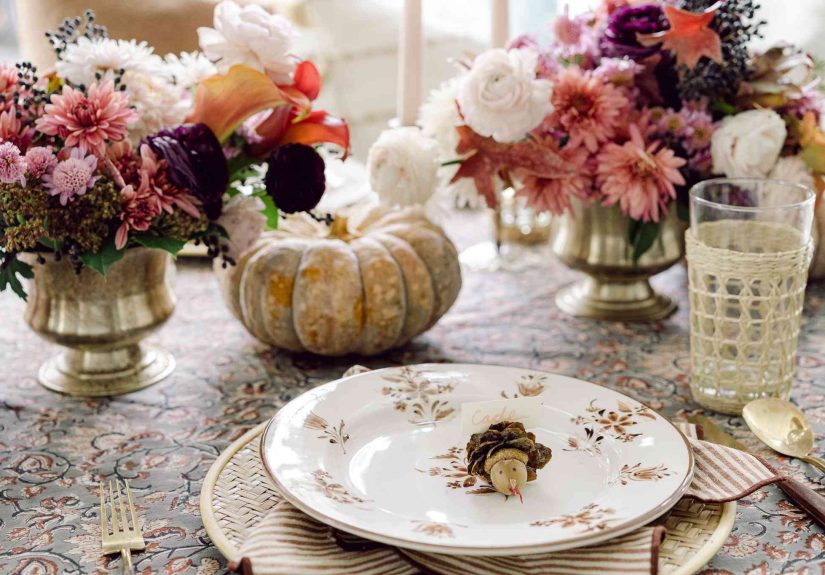
They edit to a few meaningful pieces. Maybe a centerpiece, a candle, a bowl of fruit, a linen runner, or a vase of branches. The room still feels seasonal, but it also feels breathable. There is less to dust, less to move, and less to store when the holiday is over.
4. Bathroom Clutter Guests Should Never Have to Decode
The guest bathroom is one of the most overlooked areas in holiday prep, which is funny because guests absolutely notice it. Minimalists know this, so they clear it before people arrive.
That means throwing out expired toiletries, half-empty products no one uses, worn toothbrush holders, nearly empty soap bottles, old samples, cluttered counters, and tired hand towels that have seen too much. It also means tucking away personal items that do not need to be on display while your cousins are trying to wash their hands in peace.
Why it matters
A cluttered bathroom sends a weird message. Even if the rest of the house looks polished, an overstuffed counter and a chaotic cabinet can make the whole home feel less prepared. Guests do not expect a hotel spa. They just want a clean sink, fresh soap, a usable towel, and enough open space to feel comfortable.
What minimalists do instead
They create a simple, guest-ready setup: clean surfaces, fresh hand towels, full soap, extra toilet paper, and maybe a small basket with basics if overnight guests are staying. The bathroom becomes easy to use, easy to clean, and blissfully free of twelve hair products arguing for counter space.
5. Paper Piles, Countertop Noise, and Entryway Overflow
This category is the sneakiest because it is made of little things. Junk mail. School papers. Store receipts. Random charging cords. Keys with no home. Shoes by the front door. Coats draped over chairs. Decorative objects that somehow multiplied on every flat surface. None of it seems dramatic on its own, but together it creates the unmistakable feeling of background chaos.
Minimalists throw this stuff out, file it, recycle it, or relocate it before Thanksgiving. They know that common areas need breathing room. When guests arrive, they should be greeted by people, aromas, and warmthnot by a pile of unopened mail giving strong “tax season but make it festive” energy.
Why it matters
Thanksgiving traffic flows through the entryway, living room, kitchen, and dining area. These spaces need clear surfaces and open pathways. Clutter in these zones makes a house feel smaller, busier, and more stressful, even when the square footage is perfectly fine.
What minimalists do instead
They clear the obvious visual clutter first. Papers are recycled or filed. Everyday items get assigned homes. Counters are stripped back to essentials. The entryway is opened up so guests have somewhere to put coats and shoes without creating a human obstacle course.
This one change has an outsized impact. A clear entryway makes the home feel instantly more welcoming. A clear countertop makes the kitchen feel twice as functional. A clear coffee table makes the room feel calmer before anyone even sits down.
How to Do the Minimalist Thanksgiving Reset in One Afternoon
You do not need a full home makeover to get these benefits. You need one focused sweep through the spaces that matter most.
Start with the kitchen
Toss expired pantry items, check the fridge, and remove duplicate gadgets or unused serveware. Clear the counters down to the tools you will actually use.
Move to the bathroom
Throw away old toiletries, wipe surfaces, replace the hand towel, and restock the basics. Make it easy for a guest to use without having to move your daily clutter out of the way.
Edit the decor
Keep a few pieces that create warmth and remove the rest. If you have to argue with yourself about whether a decoration still works, that decoration has probably already lost.
Clear the common areas
Recycle paper piles, relocate random objects, and open up tables, sideboards, and ottomans. If a surface is not helping the holiday function better, it probably needs less stuff on it.
Finish with the entryway
Make space for coats, bags, and shoes. Guests should be able to walk in without stepping over a sneaker pile or wondering whether the nearest chair is structural or merely buried.
What These Minimalist Habits Look Like in Real Life
In real homes, the payoff from this kind of decluttering is often immediate. A host might begin in the pantry, thinking it will be a quick 10-minute tidy-up, and then discover enough expired broth, stale breadcrumbs, and duplicate spices to stock a tiny museum of abandoned recipes. Once those items are gone, grocery shopping becomes simpler. There is less guessing, less overbuying, and less irritation when putting everything away.
The same thing happens in the fridge. Many people do not realize how much stress comes from trying to cook a major meal in a refrigerator packed with old condiments, wilted greens, and leftovers no one is emotionally committed to anymore. After a clean-out, shelves suddenly open up. Platters fit. Pie dough has a place to chill. Leftovers can actually come home from the table instead of balancing on top of a rogue jar of olives like a food-safety experiment.
Then there is the guest bathroom effect, which is honestly underrated. A bathroom can be technically clean and still feel chaotic if the counter is crowded with half-used lotions, makeup bags, and hair tools. Once those are cleared and replaced with a fresh towel, full soap, and open counter space, the room feels more welcoming almost instantly. It is not about impressing guests with luxury. It is about removing the awkwardness of making them navigate your everyday mess in a room they need to use.
Common areas change fast too. One recycled stack of mail, one cleared side table, one basket of stray cords and chargers moved elsewhere, and the whole room starts to exhale. Families often notice that the space feels calmer even before the table is set. Kids have room to move. Guests have a place to set drinks. The host has fewer visual reminders of unfinished chores screaming from every surface.
Perhaps the biggest shift happens in the entryway. This is where hosting often feels real. The first knock at the door, the first relative with a casserole, the first friend carrying wine and wearing boots the size of small kayaks. When the entryway is blocked by shoes, bags, or random household overflow, the greeting feels cramped. When it is open and intentional, the house feels ready. That difference is emotional as much as practical.
People who adopt this minimalist reset often say the same thing afterward: the home did not feel empty, it felt easier. Easier to cook in. Easier to clean. Easier to enjoy. And that is really the point. Thanksgiving is not improved by owning more stuff. It is improved by having enough roomfor people, for food, for movement, and for one holiday where your gravy boat is not buried behind six novelty platters you forgot you owned.
The Takeaway
The smartest Thanksgiving prep is not always buying more. Often, it is throwing out the right things first. Minimalists understand that a calmer holiday begins with less clutter in the pantry, less chaos in the kitchen, less crowding in the bathroom, and less visual noise in the rooms where people gather.
So before you light the candles, fluff the napkins, or stage-manage your centerpiece like it is auditioning for its own lifestyle show, try a minimalist sweep. Toss the expired food. Let go of the duplicate gadgets. Edit the holiday decor. Clear the bathroom. Recycle the paper piles. Open the entryway.
Your home will not just look better. It will function better. And on Thanksgiving, that is the kind of glow-up that actually matters.