Table of Contents >> Show >> Hide
- Hemp seeds in plain English: what they are (and what they are not)
- Nutrition snapshot: why dietitians keep them on repeat
- Benefit #1: High-quality plant protein that actually helps with “not hungry again in 20 minutes”
- Benefit #2: A heart-friendlier fat profile (hello, omega-3 and omega-6)
- Benefit #3: Anti-inflammatory potential thanks to GLA (and friends)
- Benefit #4: Skin supportbecause your skin has opinions about your diet
- Benefit #5: Digestive support (especially if you choose the right form)
- Benefit #6: Mineral support for energy, muscles, and “please stop cramping” moments
- How to eat hemp seeds every day without getting bored
- Safety notes and “who should be a little cautious”
- Bottom line
- Experiences: what it’s actually like adding hemp seeds to real life (the good, the funny, the “oops”)
Hemp seeds are having a momentand for once, the hype isn’t just a clever marketing intern in athleisure. These tiny, nutty “hemp hearts” (aka hulled hemp seeds) are legitimately packed with protein, healthy fats, and minerals. They’re also one of the easiest nutrition upgrades you can make without learning a new language, buying a blender the size of a suitcase, or pretending you “love” kale.
Before we sprinkle anything on anything, a quick reality check: hemp seeds come from Cannabis sativa, but they won’t make you feel “high.” Hemp seed ingredients like hulled hemp seed, hemp seed oil, and hemp seed protein powder have been evaluated through FDA’s GRAS notification process for use in foods, and reputable brands keep THC at trace/undetectable levels under intended use and manufacturing controls. Translation: you’re shopping for nutrition, not a plot twist.
Hemp seeds in plain English: what they are (and what they are not)
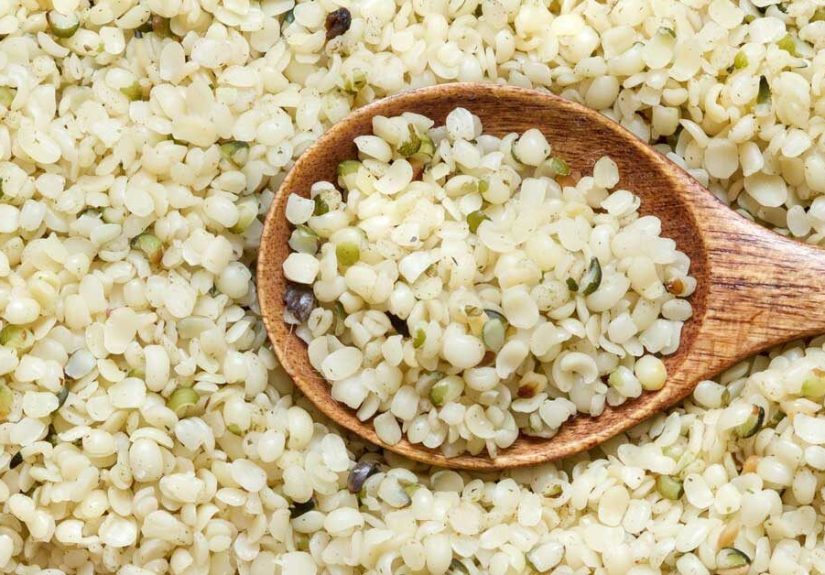
Hemp hearts are simply the soft inner part of the seed after the outer hull is removed. They taste mildly nutty, kind of like a cross between sunflower seeds and pine nutsif those two got together and decided to be less dramatic. Hemp seeds are not CBD gummies, they’re not marijuana flower, and they’re not a magic wand. They’re food. Very useful food.
Nutrition snapshot: why dietitians keep them on repeat
A typical serving is about 3 tablespoons (roughly 30 grams). In that small scoop, hemp hearts deliver a hearty dose of plant protein plus polyunsaturated fats (including omega-3 and omega-6 fatty acids). Hemp seeds also contain minerals like magnesium, plus other micronutrients that your body uses for energy metabolism, muscle function, and general “please work properly” tasks.
One more nuance that matters: whole hemp seeds have more fiber because the hull adds roughage. Hulled hemp hearts are softer and easier to eat, but typically have less fiber than the whole seed. Both can belong in your kitchenjust know which one you bought so your expectations match your spoon.
Benefit #1: High-quality plant protein that actually helps with “not hungry again in 20 minutes”
Hemp seeds are a standout among seeds because they offer a meaningful amount of protein per serving. That matters for more than gym selfies. Protein supports muscle maintenance and repair, helps you feel fuller, and slows the “I ate lunch, so why am I thinking about snacks already?” loop.
Why it’s considered “proven”
The protein content and amino acid profile of hemp seed has been well described in nutrition databases and scientific reviews. Hemp contains storage proteins (notably edestin and albumin) and provides all essential amino acidsrare for plant foods. Practical takeaway: hemp hearts can help you hit protein goals without relying on meat or dairy at every meal.
Easy, specific example
Stir 3 tablespoons into Greek yogurt (or soy yogurt) with berries. You get a “protein + protein” combo that’s surprisingly satisfyinglike a snack that went to therapy and learned boundaries.
Benefit #2: A heart-friendlier fat profile (hello, omega-3 and omega-6)
Hemp seeds are rich in unsaturated fats, including linoleic acid (omega-6) and alpha-linolenic acid (ALA, omega-3). These are essential fats, meaning your body can’t make them from scratchyou have to eat them.
Why it’s considered “proven”
The cardiometabolic story here is less “hemp seeds cure your heart” and more “replacing saturated fats with unsaturated fats is a well-supported strategy.” Major heart-health organizations and clinical literature support omega-3s’ role in cardiovascular health, and ALA (the plant omega-3) appears to offer modest protection, even though it converts only partially to EPA/DHA. Hemp seeds give you ALA plus a broader package of nutrients.
Easy, specific example
Use hemp hearts as a crunchy topper for salads instead of croutons, then drizzle olive oil. You’re stacking unsaturated fats in a way your heart tends to appreciate.
Benefit #3: Anti-inflammatory potential thanks to GLA (and friends)
Hemp seed oil (and to a lesser extent the seed itself) contains gamma-linolenic acid (GLA), an omega-6 fatty acid that’s been studied for inflammatory pathways. Hemp seed oil may also contain stearidonic acid (SDA), which is interesting because it sits closer to the “long-chain omega-3” end of the conversion chain than ALA does.
Why it’s considered “proven”
“Anti-inflammatory” is a big umbrella, so let’s keep it honest: the fatty-acid composition of hemp is well established, and scientific reviews discuss plausible anti-inflammatory mechanisms for GLA and related pathways. Human outcome data specific to hemp seeds is still emerging, so this is best framed as a supportive food, not a stand-alone therapy.
Easy, specific example
If you use hemp seed oil, treat it like a finishing oildrizzle it on hummus, grain bowls, or roasted veggies after cooking. (High heat and delicate fats are not best friends.)
Benefit #4: Skin supportbecause your skin has opinions about your diet
Skin health is influenced by lots of things (sleep, stress, genetics, weather, the fact that your heater turns your home into the Sahara). But dietary fats matter, too. Hemp’s balance of omega-3 and omega-6 fatsplus GLA in hempseed oilhas been studied in relation to skin barrier function and conditions involving dryness and irritation.
Why it’s considered “proven”
The “proven” part is the nutrition science: essential fatty acids support skin structure and barrier function, and hemp seed oil’s fatty-acid makeup is well documented. Some studies suggest symptom improvement in inflammatory skin conditions, but results vary, and it’s not a substitute for medical care when you need it.
Easy, specific example
Add hemp hearts to oatmeal with cinnamon and fruit. Skin doesn’t need a spa dayit needs consistency. Make the healthy-fats habit boring in the best way.
Benefit #5: Digestive support (especially if you choose the right form)
Your gut loves two things: routine and fiber. Whole hemp seeds bring more fiber because the hull adds bulk, while hulled hemp hearts are gentler and easier to chew. Either way, seeds can support a digestion-friendly pattern when they help you build meals that are more filling and less ultra-processed.
Why it’s considered “proven”
The role of fiber in digestive health is well established, and hemp seeds contribute to thatparticularly in whole form. If you’re fiber-sensitive, hemp hearts are a softer entry point while you slowly build tolerance.
Easy, specific example
Mix whole hemp seeds into homemade granola or baked oatmeal. If you’re using hemp hearts, add them after baking for a delicate crunch.
Benefit #6: Mineral support for energy, muscles, and “please stop cramping” moments
Hemp seeds contribute minerals that are common “gap nutrients,” especially for people eating more plant-forward diets. You’ll often see hemp hearts mentioned alongside magnesium (muscle and nerve function), and other minerals involved in energy metabolism and antioxidant defenses.
Why it’s considered “proven”
This is one of the most straightforward benefits: nutrient databases and scientific reviews consistently show hemp seeds as a mineral-containing food. Will hemp hearts singlehandedly fix your energy? No. But as part of a balanced diet, they can help you cover nutritional bases with minimal effort.
Easy, specific example
Make a quick “desk lunch”: brown rice + canned salmon (or tofu) + cucumbers + soy sauce + sesame oil + hemp hearts. It’s fast, nutrient-dense, and won’t leave you hunting for cookies at 3 p.m. (Okay, it might. But it helps.)
How to eat hemp seeds every day without getting bored
Hemp hearts are basically nutrition confetti. Here are practical, non-weird ways to use them:
- Smoothies: 1–2 tablespoons blended in for creaminess and protein.
- Yogurt bowls: Sprinkle on top with fruit and a drizzle of honey or maple.
- Salads and soups: Use like croutonscrunchy, satisfying, less “bread cube.”
- Nut-butter toast: Add hemp hearts on top for texture and extra protein.
- Pesto upgrade: Replace some pine nuts with hemp hearts (wallet-friendly and tasty).
If you’re new to seeds, start with 1 tablespoon and work up. Your digestive system likes a gentle introductionlike a first date, not a surprise family reunion.
Safety notes and “who should be a little cautious”
Hemp seeds are generally considered safe as food, but a few common-sense notes matter:
- Calories add up: Seeds are nutrient-dense and energy-dense. Great toolstill a tool.
- Allergies are possible: Rare, but real. If you react to seeds/nuts, be careful.
- Choose reputable brands: Good manufacturing reduces contamination risk. Some processing methods can introduce trace cannabinoids into oils; if you’re subject to drug testing, select products with third-party testing.
- Medical conditions/meds: If you have a condition requiring a specific fat intake or you’re on medications, ask your clinicianespecially if you plan to use concentrated hempseed oil or supplements.
Bottom line
Hemp seeds are “proven” in the way that matters most: their nutrition is real, well documented, and easy to use in everyday meals. You get plant protein, unsaturated fats (including ALA omega-3), and a helpful mineral boostwithout changing your life, your personality, or your entire pantry aesthetic.
Experiences: what it’s actually like adding hemp seeds to real life (the good, the funny, the “oops”)
People often expect a dramatic before-and-after montage when they add a “superfood” to their routinecue the slow-motion jogging, the refrigerator full of perfectly prepped containers, the sudden ability to do yoga without thinking about taxes. Hemp seeds are not that kind of celebrity. They’re more like the dependable character actor who makes the whole scene better.
Week 1 usually looks like this: you buy a bag, you try a spoonful, and you realize they taste pleasantly nuttynot grassy, not bitter, not “health food sad.” The easiest win is breakfast. A tablespoon on oatmeal or yogurt doesn’t change the flavor much, but it changes how long you stay full. Many people describe it as a subtle shift: fewer “snack emergencies” before lunch and a steadier energy curve instead of the classic late-morning nosedive.
Then comes the smoothie phase. Hemp hearts blend in smoothly and make drinks feel richeralmost like you added a spoon of nut butter, but lighter. A common experience is realizing you don’t need as much sweet stuff to make a smoothie satisfying because the texture becomes more “milkshake-adjacent.” (Not a milkshake. But it stops the smoothie from feeling like you’re drinking fruit-flavored air.)
Lunch and dinner are where hemp seeds become a habit. Sprinkled on salads, they act like crunchy toppers that don’t turn soggy the way croutons can. Tossed onto soups, they add a gentle bite. Mixed into rice bowls, they make a simple meal feel more completeespecially for people eating more plant-forward. A lot of folks notice they’re more likely to stick with balanced meals when something small makes the food feel “finished.” Hemp seeds do that: they add texture and a sense of intention, which sounds fancy, but really means, “I’m less likely to eat chips for dinner.”
The funny part: there’s almost always a “hemp spill” moment. Hemp hearts are tiny and enthusiastic. They will roll off cutting boards. They will fall into the toaster. They will appear on your shirt like edible glitter. The practical fix is pouring them with a measuring spoon over the bowl, not over open air like you’re seasoning a steak on a cooking show.
The “oops” moment tends to be fiber expectations. If someone buys hulled hemp hearts expecting a huge fiber effect, they may be underwhelmed. If they buy whole hemp seeds and jump in with a big serving, their digestive system may send a strongly worded email. The sweet spot is starting small, drinking enough water, and choosing the form that matches your goal: hemp hearts for softness and easy protein; whole seeds when you want more fiber structure.
Long-term, the best experience is how low-effort it is. You don’t have to cook hemp hearts. You don’t have to soak them. You don’t need a new routine. You just… add them. That’s why people keep using them: not because they promise a miracle, but because they quietly improve meals in a way you can repeat on your busiest days.