Table of Contents >> Show >> Hide
- Why Rage-Cleaning Feels So Good
- Rage-Cleaning Rules (So You Don’t Make Things Worse)
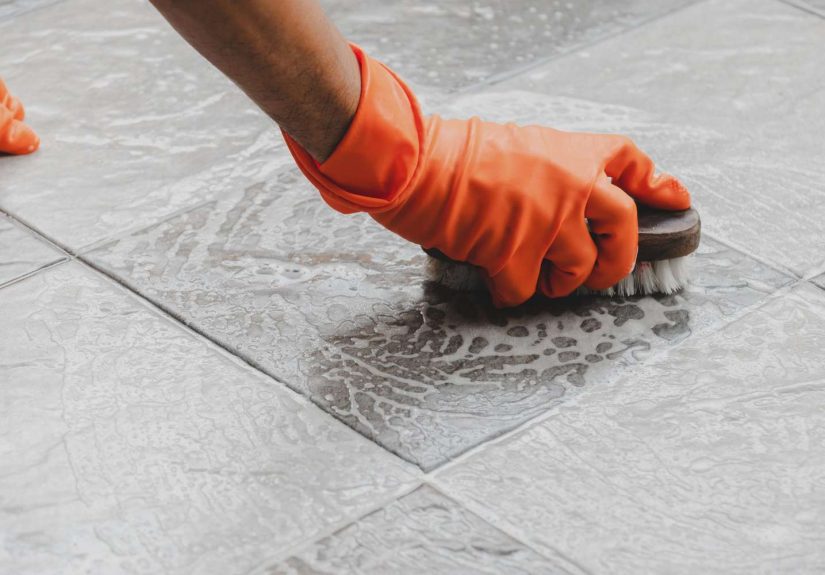
- 1) Scrub Grout Like It Personally Offended You
- 2) Vacuum With “Main Character Energy”
- 3) Beat a Rug or Doormat Outdoors (A Classic, For a Reason)
- 4) Mop Floors Like You’re Pushing Your Problems Away
- 5) Vacuum (and “Karate Chop”) the Couch and Chairs
- 6) Clean the Mattress (Because You Deserve Better Than “Mystery Crumbs”)
- How to Come Down After a Rage-Clean (So It Actually Helps)
- Experiences That Make Rage-Cleaning Weirdly Wonderful (And Honestly Relatable)
Some people journal. Some people run. And some people look at a dusty baseboard and think, “Today, you pay.”
Rage-cleaning (a.k.a. angry cleaning, stress cleaning, cathartic cleaning) is what happens when your feelings show up
with a to-do list and a playlist. Done safely, it’s a surprisingly productive way to burn off that “I need to scream
into the void” energywhile your home quietly improves in the background.
This isn’t about becoming a cleaning robot with perfect counters and zero emotions. It’s about giving your body a
physical outlet, getting quick visual wins, and reclaiming a little control when everything feels… loud.
Below are six rage-cleaning tasks that deliver maximum “I did something” satisfactionplus practical steps,
surface-specific tips, and a few guardrails so you don’t accidentally rage-clean your way into a headache (or a ruined rug).
Why Rage-Cleaning Feels So Good
When you’re angry or stressed, your body wants movement. Cleaning gives that energy somewhere to go:
pushing, scrubbing, lifting, shaking, vacuumingreal, physical effort with a clear beginning and end. And unlike doomscrolling,
cleaning comes with a tangible “after” photo you don’t even have to post.
There’s also a mental side: repetitive motion can be soothing, and turning mess into order can bring a sense of control.
Even small winslike a brighter grout line or freshly vacuumed couch cushionscan feel like proof that you can change your surroundings,
even if you can’t change the group chat.
Rage-Cleaning Rules (So You Don’t Make Things Worse)
- Pick one zone. Anger loves chaos. Choose a single room or a single task so you get a clean finish line.
- Set a timer. Try 15–30 minutes. Short sprints keep it satisfying instead of exhausting.
- Ventilate. Open windows/doors if you’re using any sprays or strong products, or if dust gets kicked up.
- Never mix cleaning products. Especially anything involving bleach, ammonia, acids, or drain cleaners. Use one product at a time.
- Protect your hands and lungs. Gloves help with harsh cleaners; a mask helps if you’re dealing with dust clouds.
- Channel the ragedon’t fling it. No throwing bottles, no “creative chemistry,” no revenge scrubbing delicate finishes.
Now for the fun part: the tasks that feel like therapybut with better lighting.
1) Scrub Grout Like It Personally Offended You
If you want a task with instant visual payoff, grout is your main character. It starts out gray-ish, ends up brighter,
and the transformation is so dramatic it can trick your brain into thinking your whole life is also improving.
(We’ll take what we can get.)
What you’ll need
- Stiff grout brush or old toothbrush
- Warm water + mild dish soap (for everyday grime)
- Baking soda (for a paste)
- Optional: hydrogen peroxide for tougher stains (check surface compatibility)
- Microfiber cloths or a sponge
How to rage-clean it (safely)
- Pre-clean: Wipe the tile and grout with warm water and dish soap to remove surface dirt.
- Make a paste: Mix baking soda with a little water until it’s spreadable. For tougher grout, some people use baking soda + hydrogen peroxide for extra lift.
- Apply and wait: Smear the paste along grout lines and let it sit for about 10–15 minutes.
- Scrub with purpose: Put on a playlist and scrub in short, aggressive circles. Work small sections so it doesn’t dry out.
- Rinse and dry: Wipe with a damp cloth, then dry. Drying mattersgrout is porous and lingering moisture invites gunk back faster.
Specific example: Bathroom floor grout gets grimy fast. Do one “tile row” at a time so you can see the before-and-after.
If you have natural stone tile, avoid acidic cleaners (like vinegar or lemon) since they can etch or weaken surfaces.
2) Vacuum With “Main Character Energy”
Vacuuming is underrated as a stress reliever because it’s pure momentum. You’re standing, moving, making sharp turns,
and literally sucking problems off the floor. Bonus: vacuum lines are basically proof that you have your life together,
at least in parallel stripes.
What you’ll need
- Vacuum with crevice tool
- Optional: microfiber duster for baseboards before you vacuum
- Trash bag (for the surprise stuff you find under furniture)
How to get the most catharsis
- Start with edges: Use the crevice tool along baseboards, corners, and under radiators.
- Go methodical: Pick a pattern (left to right, top to bottom). Order feels amazing when your brain doesn’t.
- Move one piece of furniture: Even sliding a chair and vacuuming that hidden dust zone is deeply satisfying.
- Empty the bin / change the bag: Do this mid-session if needed. A clogged vacuum is like trying to calm down while someone chews loudly.
Pro tip: If vacuuming kicks up dust, crack a window. Good airflow helps reduce lingering particles and product fumes if you’re also spot-cleaning.
3) Beat a Rug or Doormat Outdoors (A Classic, For a Reason)
This is the most “cartoon rage-cleaning” task on the listand it works. Beating dust out of a small rug or doormat
is safe, physical, and extremely honest. You’re not pretending to be calm. You’re politely relocating filth to the outdoors.
What you’ll need
- Small rug, bath mat, or doormat
- Outdoor space
- Broom handle, rug beater, or sturdy stick
- Optional: mask and sunglasses if you’re dust-sensitive
How to do it without destroying the rug
- Check the material: Delicate or antique rugs shouldn’t be whacked like they owe you money. Choose sturdy, washable mats.
- Hang it: Over a railing or clothesline if possible.
- Beat in sections: Firm hits, not feral. Work across the rug so you don’t stress one spot.
- Finish with a vacuum: Vacuum both sides afterward for a clean, “reset” feel.
Specific example: A kitchen mat near the sink collects crumbs and mystery grit. Beating it out first can make washing or vacuuming far easier.
4) Mop Floors Like You’re Pushing Your Problems Away
Mopping is rage-cleaning gold because it involves pushing something slightly heavy around while watching the floor go from “meh” to “wow.”
It’s also a sneaky way to get your heart rate up without announcing, “I’m exercising my feelings.”
What you’ll need
- Broom or vacuum (first)
- Mop (microfiber is great)
- Bucket or spray mop system
- Floor-appropriate cleaner (read labels; use one product at a time)
How to rage-mop efficiently
- Dry clean first: Sweep or vacuum so you’re not mopping crumbs into paste.
- Use the right cleaner: Hardwood, laminate, tileeach has preferences. When in doubt, use a mild solution and avoid soaking.
- Work in lanes: Mop in sections so you can see the progress and avoid stepping on wet areas.
- Detail spots last: When you find a sticky patch, pause and scrub it like it made the original problem.
Pro tip: If you’re using a strong-smelling product, ventilate. Fresh air can make the whole task feel less irritating and more invigorating.
5) Vacuum (and “Karate Chop”) the Couch and Chairs
Furniture cleaning is rage-cleaning with bonus chaos. You get to pull cushions off, shake crumbs out,
and confront the weird items that fall into sofa crackslike a TV remote, three coins, and the existential dread you lost in 2022.
What you’ll need
- Vacuum with upholstery attachment
- Lint roller (optional)
- Microfiber cloth
- Optional: mild fabric-safe spot cleaner (patch test)
How to do it
- Remove cushions: Yes, all of them. This is where the drama lives.
- Shake/beat cushions gently: If you can, do a quick shake outdoors or near an open window.
- Vacuum crevices: Use the crevice tool for seams and corners.
- Vacuum upholstery: Go over cushions, arms, and backrests. Slow passes lift more debris.
- Spot clean stains: If you must, use a small amount of a fabric-safe product and blotdon’t soak.
Specific example: If you have pets, this task is wildly satisfying. You’ll pull up hair you didn’t know existed and immediately feel like your home’s air is 12% fresher.
6) Clean the Mattress (Because You Deserve Better Than “Mystery Crumbs”)
Mattress cleaning is a power move. It’s not just cleaningit’s reclaiming the place where you’re supposed to rest.
Also, lifting a mattress corner to rotate it counts as weight training, and no one can tell you otherwise.
What you’ll need
- Vacuum with upholstery attachment
- Clean cloths
- Mild soap + water for spot cleaning
- Optional: a light sprinkle of baking soda for odors (use moderation so you don’t overwhelm your vacuum)
- Fresh sheets (highly recommended for the “new life” feeling)
How to do it
- Strip the bed: Wash bedding according to care labels. A freshly made bed is the victory lap.
- Vacuum the mattress: Get seams and edges where dust hides.
- Spot clean: For small stains, use a lightly damp cloth with mild soap. Blot; don’t drench.
- Deodorize (optional): Lightly dust baking soda, wait 15–30 minutes, then vacuum. Don’t dump a whole box like you’re salting pasta water.
- Rotate if you can: Rotating/turning helps even wear over time. It’s annoying, which makes it perfect for rage-cleaning.
Specific example: If your room feels “off,” cleaning the mattress and making the bed can reset the whole space faster than reorganizing your closet ever will.
How to Come Down After a Rage-Clean (So It Actually Helps)
The goal is relief, not burnout. When the timer ends, stop while you still feel powerful. Then do a quick “cooldown”:
rinse your hands, drink water, open a window for a few minutes, and admire what you did. If you want a ritual,
light a candle or put on clean sheetssomething that signals “we’re safe now.”
If you notice rage-cleaning becomes your only coping tool, treat it like a helpful optionnot the entire toolbox.
Pair it with other supports (music, a walk, talking things out, rest). But as a short-term pressure valve?
A well-timed rage-mop can be remarkably effective.
Experiences That Make Rage-Cleaning Weirdly Wonderful (And Honestly Relatable)
Rage-cleaning usually starts the same way: something small happens, your patience evaporates, and suddenly you’re staring at a mess
like it’s the final boss. The funny part is how quickly your brain can turn that frustration into focusespecially when you choose a task
with instant feedback.
One common experience: the “post-email spiral.” You read a message that’s equal parts confusing and irritating (bonus points if it says
“per my last email”), and your body wants to do something. That’s when grout scrubbing becomes an emotional support activity.
The first few minutes are basically you translating feelings into elbow grease. Then the lines start to brighten. Your breathing slows.
You’re still annoyed, but now you’re annoyed in a bathroom that looks 30% more respectable. The win isn’t that the anger disappearsit’s
that the anger stops driving.
Another classic: the “argument aftermath” reset. Maybe it’s family tension, roommate friction, or just one of those days where everyone
talks at once and nobody listens. Rage-cleaning furniture is perfect here because it’s physical and contained. You pull the couch cushions
off like you’re opening a dramatic reveal. You find popcorn kernels from a movie night you don’t even remember enjoying. You vacuum the seams
like you’re extracting the last traces of chaos. And when you put the cushions back, the room feels calmerpartly because it is, and partly
because you proved you can restore order with your own hands.
Then there’s the “deadline panic” versionbefore guests arrive, before an appointment, before a big test, before life demands that you appear
functional. This is where vacuuming shines. It’s fast, it’s visible, and it gives you those satisfying lines in the carpet that whisper,
“We have it together.” Even if your brain is still racing, your environment starts sending a different message: clean floor, clear path,
fewer distractions. And that matters more than people admit.
Some folks swear by mopping as their go-to steam release. It’s the push-and-pull motion, the steady rhythm, the way sticky spots surrender
after a little targeted scrubbing. There’s also something symbolic about it: you’re literally moving grime out of the way, making space.
After a rough day, a freshly mopped kitchen can feel like a reset button you didn’t know you had.
Mattress cleaning is the “quiet rage” category. It often shows up after a run of bad sleep, or when stress has been sitting on your shoulders
for weeks and you just want one area of life to feel clean and safe. Stripping the bed, vacuuming the seams, putting on fresh sheetsnone of it
solves the original problem. But it changes the end of your day. You climb into a bed that feels cared for, and that can be surprisingly emotional.
It’s like telling yourself, “I’m still here, and I still deserve comfort,” without needing to write a whole inspirational quote about it.
The best rage-clean experiences tend to have two things in common: a clear finish line and a visible payoff. You don’t have to tackle the entire
house. You just have to pick one task that matches your energy level, go hard for a short burst, and stop while it still feels empowering.
Because the real victory isn’t a spotless homeit’s turning a spike of stress into something constructive, then returning to your day with a little
more room to breathe.