Table of Contents >> Show >> Hide
- First: What Temperature Should a Freezer Be?
- Sign #1: Ice Cream Is Soft (or Frozen Food Feels Bendable)
- Sign #2: Frost Buildup Looks Like a Snowstorm Moved In
- Sign #3: Freezer Burn Is Showing Up Everywhere
- Sign #4: Ice Crystals Inside Packages (or Food Is Clumped Together)
- Sign #5: The Freezer Runs Constantly (and Your Energy Bill Is Side-Eyeing You)
- Sign #6: Condensation, Sweating, or “Warm Spots” Around the Door
- Quick Fix Checklist: Get Back to 0°F Without Guesswork
- When to Worry (and When to Call for Help)
- Extra Prevention Tips (So You Don’t Have to Read This Article Again)
- of Real-Life-Style Freezer Experiences (That You’ll Probably Recognize)
- Conclusion
Your freezer has exactly one job: keep food rock-solid and safe. And yet, it’s surprisingly easy for it to quietly drift into
“kinda frozen-ish” territory (or swing the other way into “arctic overachiever”). The result? Ice cream that scoops like pudding,
mystery frost sculptures, freezer-burned chicken that tastes like regret, and a compressor that sounds like it’s training for a marathon.
The good news: most freezer temperature problems are fixable without a service call, a new appliance, or a dramatic monologue in front
of the open door (we’ve all been there). This guide walks you through six clear signs your freezer is set to the wrong temperatureand
exactly what to do to get it back to a steady, food-saving 0°F (about -18°C).
First: What Temperature Should a Freezer Be?
For most home freezers, the target is 0°F (-18°C). That’s cold enough to keep food fully frozen, limit bacterial growth,
and reduce quality loss over time. A small range is normal depending on the freezer type and how often you open it, but if you’re consistently
above 0°F (especially closer to 10°F), you’ll notice problems fast.
How to Check Your Freezer’s Real Temperature (Not Just the Dial’s Vibes)
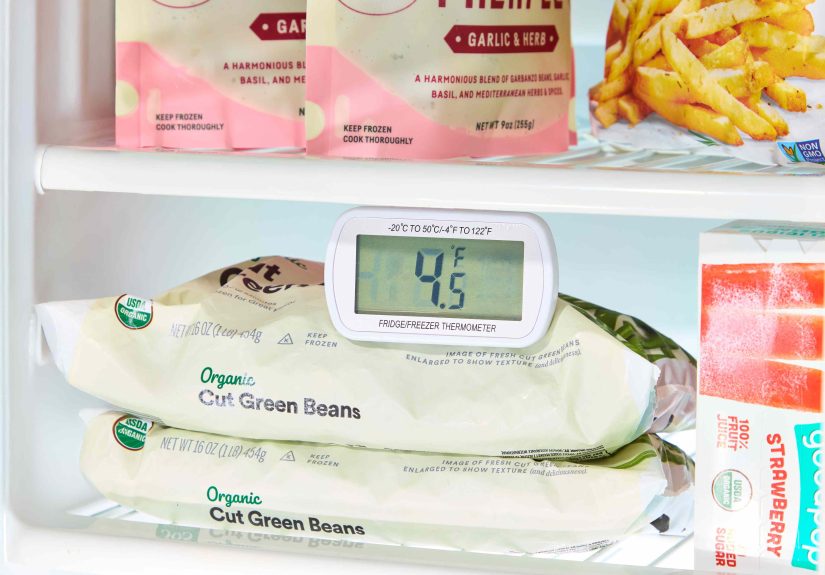
- Use a freezer thermometer. Built-in displays can be off, and many dials aren’t precise.
- Place it in the center of the freezer (not in the door, not pressed against the back wall).
- Wait 8–12 hours (ideally overnight) for a stable reading without a lot of door-opening.
- After you adjust the setting, wait 24 hours before judging results. Freezers are slow to change.
Sign #1: Ice Cream Is Soft (or Frozen Food Feels Bendable)
If your ice cream scoops too easily, frozen waffles feel suspiciously flexible, or the “frozen peas” have become “frozen pea paste,” your freezer
is likely too warm or experiencing temperature swings.
What’s happening
A freezer that runs warm can still create icebut not reliably. Food may partially thaw and refreeze, which damages texture and can lead to bigger
food safety concerns if temps creep high enough for long enough.
How to fix it
- Set the target to 0°F. If your freezer has a numbered dial, move it one small step colder (not all the way to “polar expedition”).
- Check airflow. Don’t pack food tightly against vents; cold air needs pathways.
- Cool hot food first. Putting steaming leftovers straight in the freezer forces a temporary warm-up of everything nearby.
- Limit door time. If you browse the freezer like it’s a streaming menu, temps will rise.
- Clean the condenser coils (for many fridge/freezer units, they’re underneath or behind). Dust makes cooling less efficient.
Sign #2: Frost Buildup Looks Like a Snowstorm Moved In
A light frost layer can be normal, but if you’re chipping ice off shelves, wrestling the door open, or discovering a glacier behind the back panel,
something’s off. Often, this shows up when the freezer is too cold, the door seal is leaking humid air, or the defrost system isn’t doing its job.
What’s happening
Frost is usually moisture from the air. Every time humid air enters (through frequent openings or a weak gasket), that moisture freezes. If the freezer
is set too cold, frost can accumulate faster. In frost-free models, a defrost system is supposed to periodically melt it; if that system fails, frost can
build quickly even if the temperature setting is reasonable.
How to fix it
- Inspect the door gasket. Look for cracks, tears, warping, or sticky residue preventing a tight seal.
- Try the “paper test.” Close the door on a sheet of paper. If it slides out easily, the seal may be weak.
- Adjust the setting toward 0°F if your thermometer shows it’s running far below that (for example, -10°F or colder consistently).
- Defrost if needed. For manual-defrost freezers, unplug and let ice melt when frost reaches about 1/4 inch thick.
- Keep the door closed during humid days. Hot, humid air is basically frost fuel.
Sign #3: Freezer Burn Is Showing Up Everywhere
Freezer burnthose dry, grayish, leathery patchescan happen even in a properly cold freezer, but it gets dramatically worse when temperatures
fluctuate or run warmer than they should. If you’re seeing it constantly, your freezer may be too warm or struggling to stay stable.
What’s happening
Freezer burn is dehydration plus oxidation: moisture escapes from food, and air reaches the surface. Temperature swings (partial thaw/refreeze) speed up
ice crystal changes and moisture loss, making freezer burn more likely and more noticeable.
How to fix it
- Confirm 0°F with a thermometer. Don’t rely on the dial alone.
- Upgrade packaging. Use freezer-safe bags, press out air, double-wrap meats, and use airtight containers for leftovers.
- Portion smartly. Smaller, flatter packages freeze faster and more evenly, reducing ice crystal damage.
- Stop storing unsealed items. “I’ll wrap it later” is how freezer burn wins.
Sign #4: Ice Crystals Inside Packages (or Food Is Clumped Together)
If your frozen berries fuse into one mega-berry, bread develops internal ice crystals, or your “frozen” chicken has a layer of icy glitter inside the bag,
that’s a classic sign of thaw-refreeze cycles. The freezer might be set too warm, the door might not be sealing, or airflow could be blocked.
What’s happening
When temperatures rise slightly, ice in food partially melts. When it drops again, that moisture refreezes as larger crystals. Over time, texture suffers
and foods can turn mushy when cooked (yes, even if the label says “premium”).
How to fix it
- Check the door. Make sure nothing is preventing a full close (pizza boxes are frequent offenders).
- Reorganize for airflow. Leave a little space around vents and the back wall; don’t pack the freezer like a moving truck.
- Avoid frequent “peeking.” Every open door invites warmer, moist air.
- Let food cool before freezing. Warm items can temporarily raise the freezer’s overall temperature.
- Give it 24 hours after adjusting the thermostat to stabilize.
Sign #5: The Freezer Runs Constantly (and Your Energy Bill Is Side-Eyeing You)
A freezer that never seems to stop running, runs louder than usual, or cycles oddly (rapid on/off) may be compensating for an incorrect temperature
settingor for conditions that make it hard to hold that setting.
What’s happening
If the setting is too cold, the freezer has to work harder to reach it. If the freezer is too warm due to a dirty coil, poor ventilation, or a weak door seal,
it may run constantly trying (and failing) to keep up. Either way, the compressor gets overworked, efficiency drops, and the appliance ages faster.
How to fix it
- Verify the actual temp. If you’re far below 0°F, warm the setting slightly toward the target.
- Clean condenser coils. Dust is basically a winter coat for your cooling system.
- Check clearance. Many units need breathing room around the back/sides for heat to dissipate.
- Inspect door gaskets. A small leak can cause big workload.
- Listen for fan issues. If you hear odd squealing or rattling, a fan might be struggling.
If you’ve done the basics and the freezer still runs nonstop while staying warm, it may be time to call a professionalespecially if food isn’t staying safely frozen.
Sign #6: Condensation, Sweating, or “Warm Spots” Around the Door
If you notice moisture around the freezer door, puddling, condensation on packages near the front, or the outside edge feels warmer than usual,
your freezer may be set incorrectly or losing cold air through the seal.
What’s happening
When warm, humid room air meets cold surfaces, moisture condenses. A freezer with a compromised seal pulls in humid air, which can show up as sweating,
frost, and inconsistent interior temperatures. Sometimes, an overly cold setting can also create extra condensation when the door is opened and closed frequently.
How to fix it
- Clean the gasket. Sticky grime can prevent a tight seal. Warm soapy water works well; dry thoroughly.
- Check for deformation. If the gasket is warped or cracked, replacement may be needed.
- Make sure the freezer is level. A slight tilt can prevent a proper door close.
- Reduce humidity exposure. Avoid leaving the door open while unloading groceries like you’re hosting a freezer tour.
- Confirm 0°F with a thermometer. Aim for steady, not extreme.
Quick Fix Checklist: Get Back to 0°F Without Guesswork
Step 1: Measure
Use a freezer thermometer in the center and check after 8–12 hours. This tells you whether you’re truly too warm, too cold, or just unstable.
Step 2: Adjust (Small Moves Only)
Change the setting by one increment, then wait a full 24 hours before adjusting again. Over-correcting is how you end up chasing your tailand
serving “soft-frozen” popsicles at dinner.
Step 3: Improve Airflow
- Keep vents clear.
- Don’t cram items tight against the back wall.
- Organize so cold air can circulate (flat packages help).
Step 4: Check the Seal
Gasket problems are one of the most common causes of temperature drift and frost. If the door doesn’t seal, the freezer can’t win.
Step 5: Clean and Ventilate the Unit
Dirty coils, blocked air intakes, or a unit shoved too tight against the wall can make cooling inefficient, especially in warm kitchens or garages.
When to Worry (and When to Call for Help)
Sometimes, the “wrong temperature” isn’t the dialit’s a part that can’t keep up. Consider professional help if:
- The freezer won’t reach 0°F even after cleaning coils and checking the door seal.
- Frost-free models develop heavy ice behind panels repeatedly (possible defrost system issue).
- You hear persistent grinding/squealing, or the unit runs constantly while staying warm.
- Food is repeatedly thawing and refreezing (quality and safety risk).
If you ever suspect food has thawed significantly, use common-sense food safety rules: when in doubt, don’t gamble with it. It’s cheaper to toss questionable food
than to spend your weekend making friends with your bathroom floor.
Extra Prevention Tips (So You Don’t Have to Read This Article Again)
- Keep it reasonably full. A freezer that’s about two-thirds full holds temperature better than an empty one.
- Freeze smarter. Spread new items out to freeze quickly, then stack them once solid.
- Label and rotate. Use first-in, first-out to avoid “mystery meat from 2021.”
- Don’t block vents. Airflow is temperature stability.
- Minimize door time. Decide what you want before opening the door, like a freezer-themed heist plan.
of Real-Life-Style Freezer Experiences (That You’ll Probably Recognize)
Picture this: it’s Friday night, you’ve earned dessert, and you reach into the freezer for ice cream. You open the lid (or swing the door), and instead of that
satisfying “hard as a rock” pint, you find something closer to a milkshake. It’s the kind of moment that makes you stare into the freezer like it’s personally
disappointed you. In reality, it’s usually not betrayalit’s temperature drift. A slightly-too-warm setting, a door that didn’t seal, or a freezer stuffed so tight
the cold air can’t move will turn ice cream into a soft-serve situation fast.
Then there’s the “frost mountain” experience. You go to grab frozen vegetables, and your fingers brush something crunchy that is definitely not a bag. Suddenly you
notice a sheet of white frost on the back wall that looks like your freezer has been secretly running a weather system. This often happens when humid air keeps sneaking
inmaybe the gasket is dirty, maybe the door didn’t fully shut, or maybe someone (no names) is opening the freezer every ten minutes like it’s going to magically produce
new snacks. Once that moisture freezes, it builds, and it builds, and eventually you’re chiseling ice like an archaeologist of forgotten burritos.
A particularly common kitchen mystery is the “why are my berries welded together?” problem. You pour out what should be a handful of frozen blueberries and instead get
a single blueberry boulder. That clumping isn’t just annoyingit’s a clue that thawing and refreezing is happening. Maybe the freezer is set too warm, maybe the door seal
is weak, or maybe groceries were loaded in a way that blocked airflow. The fix often isn’t dramatic: a thermometer, a small thermostat tweak, and a little reorganization can
turn your freezer back into a predictable place where fruit behaves like fruit.
And let’s not forget the “dial panic” moment. You notice something isn’t quite right, so you crank the temperature setting colder… all the way… because that feels
productive. The next day, the freezer is colder, surebut now you’ve got extra frost, a louder compressor, and ice cubes that look like they’ve been through an emotional
journey. Overcorrecting can create new problems. Small adjustmentsthen waiting a full dayusually works better than turning the knob like you’re launching a rocket.
The best part? Once you’ve dealt with one freezer temperature hiccup, you start spotting them early. Soft ice cream becomes an early warning signal instead of a heartbreak.
A little frost becomes “time to check the seal,” not “time to buy a new freezer.” With the thermometer-and-patience approach, you can keep food safer, reduce waste, and stop
your freezer from acting like it’s auditioning for a role in an arctic survival movie.
Conclusion
If your freezer is too warm, you’ll see soft frozen foods, ice crystals, and thaw-refreeze damage. If it’s too cold (or pulling in humid air), you’ll battle frost buildup,
extra condensation, and a hardworking compressor. The fix almost always starts the same way: measure the real temperature, aim for a steady 0°F,
then correct airflow, sealing, and cleanliness issues that cause drift. Your future self will thank youand so will your ice cream.