Table of Contents >> Show >> Hide
- Why daily dental habits matter more than occasional “being good”
- 1. Brush twice a day for two full minutes with fluoride toothpaste
- 2. Clean between your teeth every day
- 3. Make water your default drink
- 4. Watch how often you eat sugar, not just how much
- 5. Respect acidic foods and drinks, and do not brush too soon after them
- 6. Stop using your teeth as tools, and pay attention to clenching and grinding
- 7. End the day with a mouth-friendly nighttime routine
- Bonus habits that make the seven work even better
- Final thoughts
- Experience: What people often notice when they actually stick to these habits
Your teeth do not need a dramatic rescue mission. They need consistency. Most dental trouble starts quietly: plaque hanging around too long, sugar showing up too often, acids softening enamel, or gums getting ignored until they stage a protest with blood in the sink. The good news is that protecting your teeth usually has less to do with fancy products and more to do with ordinary habits done well, every single day.
That is the real secret. A healthy smile is rarely built by one heroic whitening toothpaste, one extra-long brushing session after a candy binge, or one panicked flossing performance the night before a dental appointment. It is built by small, repeatable routines that keep cavities, gum irritation, enamel wear, and bad breath from moving in and redecorating.
If you want stronger teeth, healthier gums, and fewer expensive surprises in the dentist’s chair, these seven daily habits are where to start. They are practical, realistic, and far less annoying than needing a filling on a Tuesday morning.
Why daily dental habits matter more than occasional “being good”
Your mouth is busy all day. Bacteria feed on sugars and starches, then produce acids that weaken enamel. Plaque collects along the gumline and between teeth, where a toothbrush cannot always reach. Acidic drinks can soften the outer layer of teeth. Dry mouth reduces saliva, which normally helps rinse away food particles and neutralize acid. In other words, your mouth is not plotting against you, but it is running a 24/7 chemistry experiment.
That is why daily habits matter so much. They interrupt the cycle before it turns into cavities, gingivitis, tooth sensitivity, tartar buildup, or enamel erosion. And because oral health is tied to overall health, taking care of your mouth is not a cosmetic hobby. It is part of taking care of your body.
1. Brush twice a day for two full minutes with fluoride toothpaste
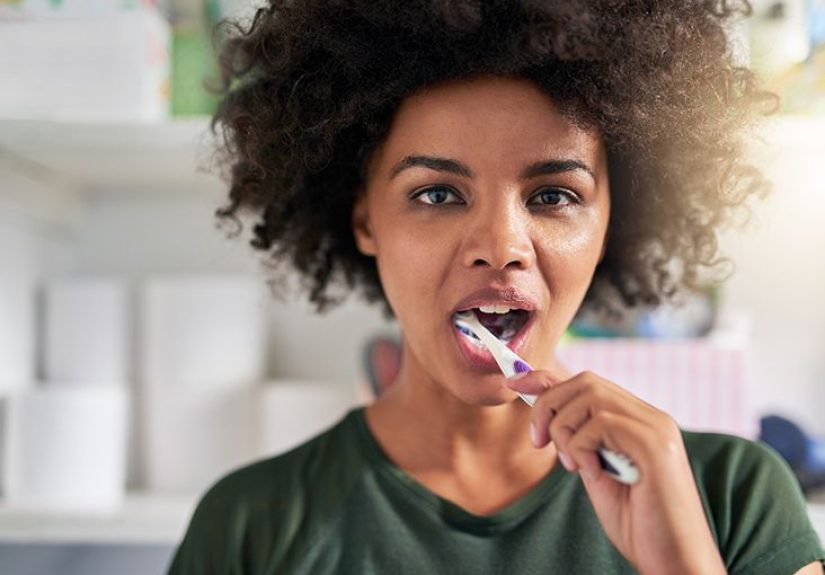
This is the non-negotiable foundation. Brushing twice a day helps remove plaque and food debris before they can do real damage. Using fluoride toothpaste matters because fluoride helps strengthen enamel and makes teeth more resistant to decay. A soft-bristled toothbrush is usually the best choice. Hard bristles may feel like they are “working harder,” but your gums and enamel would prefer less enthusiasm and more technique.
The best brushing routine is simple: angle the brush toward the gumline, use gentle circular or short strokes, and cover every surface of every tooth. Do not rush the back molars. They are like the forgotten corner of the kitchen floor: stuff collects there. Also brush your tongue. It can hold bacteria that contribute to bad breath, and no mint gum on earth fully solves a tongue problem pretending to be a confidence problem.
How to make this habit easier
Use a timer, an electric toothbrush with a built-in timer, or divide your mouth into four zones and spend about 30 seconds on each. Morning brushing gets your mouth ready for the day. Night brushing is especially important because you are cleaning away a full day’s worth of plaque, food residue, and bacteria before sleep. When you sleep, saliva flow drops, which gives cavity-causing bacteria a better chance to party.
2. Clean between your teeth every day
Brushing is important, but it cannot do everything. It does not reach well between tight teeth or under certain contact points, which is where plaque loves to hide. That is why daily flossing or another between-the-teeth cleaner matters. If you skip this step, you are basically cleaning the visible parts of the house and pretending the closet does not exist.
Cleaning between teeth helps remove plaque and trapped food, lowers the risk of cavities between teeth, and supports healthier gums. If traditional floss feels awkward, try floss picks, interdental brushes, or a water flosser if your dentist recommends it. The best tool is the one you will actually use correctly and consistently.
What “doing it right” looks like
Guide floss gently between the teeth, curve it around each tooth in a C-shape, and move it up and down rather than snapping it straight into the gums like you are starting a lawn mower. A little gum tenderness at first can improve as inflammation goes down. The key is being gentle and regular, not aggressive and theatrical.
3. Make water your default drink
If your teeth could pick your beverage, many of them would choose plain water and never look back. Water helps rinse away leftover food particles and sugars, supports saliva production, and does not coat your teeth in sticky sweetness or acid. If the water you drink is fluoridated, that can provide extra cavity protection as well.
This habit matters more than people realize because beverages are often the sneaky source of dental trouble. Soda, sweet tea, sports drinks, energy drinks, and frequent juice sipping can keep your mouth in a prolonged acidic, sugary state. That is a rough neighborhood for enamel.
Small switches that help
Keep a water bottle nearby during the day. Drink water with meals. Rinse with water after snacks. If you do have coffee, soda, juice, or a sports drink, avoid slowly sipping it over hours. Finishing it with a meal and then switching back to water is usually friendlier to your teeth than turning one drink into an all-day oral obstacle course.
4. Watch how often you eat sugar, not just how much
Most people think sugar is only about quantity. For your teeth, frequency matters just as much. Every time you eat or drink something sugary or starchy, bacteria in plaque produce acid. So a handful of candy once with a meal is generally different from nibbling sweet snacks all afternoon. One creates a shorter acid attack. The other keeps the damage on repeat.
This is why “grazing” on crackers, cookies, candy, dried fruit, or sweetened drinks can be rough on teeth. Even foods that do not taste wildly sugary can still feed bacteria if they break down into sugars in the mouth. Sticky foods are particularly rude because they cling around longer.
Tooth-friendlier ways to snack
Try to keep sugary treats with meals instead of frequent stand-alone snacks. Choose snacks like cheese, nuts, plain yogurt, crunchy vegetables, or fresh fruit when possible. If you do indulge, avoid letting the treat become an afternoon subscription service. Your mouth prefers a clear beginning and end, not season-long acid episodes.
5. Respect acidic foods and drinks, and do not brush too soon after them
This habit surprises people. Brushing is good, but timing matters. After acidic foods or drinks, enamel can be temporarily softened. If you brush immediately, you may scrub that softened enamel at the worst possible moment. It is a bit like waxing your car and then attacking it with sandpaper because you are feeling productive.
Common acidic culprits include soda, sports drinks, citrus juice, sour candy, and some flavored waters. Instead of brushing right away, rinse with water and give your saliva time to help neutralize the acid. Then brush later. This simple timing change can help protect enamel over the long haul.
When this habit matters most
If you start your day with orange juice, lemon water, or soda, be strategic. Brushing before breakfast can sometimes be a smart move. If you already had something acidic, rinse with water and wait a bit before brushing. This habit is not about becoming terrified of fruit. It is about not turning acid exposure into enamel erosion through bad timing.
6. Stop using your teeth as tools, and pay attention to clenching and grinding
Your teeth are designed for chewing food, not opening packages, cracking ice, tearing tags, or holding random objects while your hands are busy. Using them as tools can chip enamel, stress restorations, and create cracks that are expensive, painful, and deeply insulting to your wallet.
Clenching and grinding are another problem. Some people do it during stressful workdays. Others do it in their sleep and wake up with jaw soreness, headaches, or tooth sensitivity. Daily awareness helps. If you catch yourself clenching at your desk, unclench your jaw, relax your face, and place your tongue gently behind your front teeth to reset. If you grind at night, talk to your dentist. A night guard may help protect your teeth from wearing each other down like rival siblings.
Everyday damage control
Skip chewing ice. Do not rip tape with your teeth. Wear a mouthguard for contact sports or high-risk activities. Tiny acts of prevention are much cheaper than emergency dental visits and much less dramatic than explaining how a tortilla chip “won.”
7. End the day with a mouth-friendly nighttime routine
The last hour before bed can either protect your teeth or sabotage them. A good nighttime routine means brushing thoroughly, cleaning between teeth, skipping late sugary snacks, and not falling asleep with sweet or acidic drinks in the picture. During sleep, saliva flow drops, so sugars and acids can hang around longer. That makes bedtime the worst possible moment for “just one cookie” energy.
This is also a smart time for a quick self-check. Are your gums bleeding often? Are any teeth feeling more sensitive than usual? Is your breath consistently unpleasant even after brushing? Do you notice mouth dryness at night? These small clues can point to issues worth addressing before they become bigger ones.
A simple nighttime checklist
Brush for two minutes. Floss or clean between teeth. Rinse with water if needed. Use any dentist-recommended fluoride product or night guard. Replace your toothbrush every few months or sooner if the bristles look splayed out and exhausted. A tired toothbrush is not a hero. It is a frayed witness.
Bonus habits that make the seven work even better
Daily habits are the engine, but a few supporting choices make them stronger. Keep up with regular dental checkups and cleanings. They help catch small issues early and remove tartar that brushing and flossing cannot handle at home. If you struggle with dry mouth, talk with your dentist or physician, especially if medicines may be contributing. Sugar-free gum can help some people stimulate saliva. Tobacco use is another major threat to oral health, so cutting it out protects both teeth and gums.
And remember this: a good routine does not have to look perfect to be effective. You do not need a 14-step oral care ritual worthy of a luxury spa commercial. You need a solid, repeatable system that protects your enamel, keeps plaque under control, and works on your busiest days too.
Final thoughts
If you want to protect your teeth, do not wait for pain to send you a formal invitation. Tooth trouble often builds quietly, then shows up all at once with a bill attached. The smartest move is staying boringly consistent. Brush twice a day with fluoride toothpaste. Clean between your teeth daily. Choose water more often. Keep sugar and acid from camping out in your mouth. Avoid using your teeth like tools. Finish the day with a routine that gives your mouth a clean slate.
These habits are not flashy, but they work. And in dental care, boring habits are usually the ones that keep your smile strong, your breath fresher, and your future self from whispering, “Why did we ignore that?” while sitting in a treatment chair under very bright lights.
Experience: What people often notice when they actually stick to these habits
One of the most common experiences people describe after improving their daily dental routine is that their mouth simply feels calmer. That may sound vague, but it is real. When plaque is not building up all day and all night, the mouth often feels cleaner in the morning, the gums look less puffy, and there is less of that “fuzzy teeth” feeling by late afternoon. People who start brushing for a true two minutes often realize that what they used to call brushing was really just a quick lap around the front teeth with good intentions.
Another change people notice is less bleeding when flossing. At first, daily flossing can feel discouraging because inflamed gums may bleed easily. But when the habit becomes consistent, that bleeding often improves. This is the moment many people realize their gums were not “sensitive by nature.” They were irritated because they were being ignored. Once the plaque is removed regularly, the gums usually become less reactive and more comfortable.
Fresh breath is another everyday win. People often spend years blaming coffee, onions, or “just bad luck,” when the real problem is often plaque, bacteria on the tongue, food trapped between teeth, or dry mouth. A better routine does not turn your mouth into a peppermint factory, but it can make breath noticeably more neutral and cleaner throughout the day. That tends to show up in small confidence boosts: speaking closer in conversations, smiling more often, or not reaching for gum like it is emergency equipment.
There is also the food-and-drink connection. People who switch from all-day sipping of soda or sweet coffee to drinking them with meals and then going back to water often say their mouth feels less sticky, less sour, and less coated. Some also notice fewer moments of tooth sensitivity, especially if they stop brushing immediately after acidic drinks. That timing change can feel minor, but over time it can make a real difference in how teeth respond to cold drinks or sweet foods.
For people who clench or grind, awareness can be surprisingly powerful. Many do not realize how often they tighten their jaw during stress until they start paying attention. Relaxing the jaw during the day, wearing a recommended night guard, and quitting habits like chewing ice can lead to fewer headaches, less jaw fatigue, and fewer “Why does this one tooth feel weird today?” moments.
Perhaps the biggest experience of all is psychological. Once these habits become automatic, dental care stops feeling like damage control and starts feeling normal. There is less guilt before appointments, less panic after sweet snacks, and less temptation to buy random miracle products that promise to solve problems a steady routine already prevents. People often discover that protecting their teeth is not about perfection. It is about making the healthy choice the easy default, day after day, until it becomes part of who they are.