Table of Contents >> Show >> Hide
- What Is Camu Camu?
- 1. Camu Camu Is an Exceptionally Rich Source of Vitamin C
- 2. It May Help Reduce Oxidative Stress
- 3. Camu Camu May Have Anti-Inflammatory Effects
- 4. It Can Support Immune Function Through Its Vitamin C Content
- 5. It May Promote Healthier Skin and Collagen Production
- 6. It Can Help Your Body Absorb Nonheme Iron
- 7. Early Research Suggests Possible Gut, Liver, and Metabolic Benefits
- How to Use Camu Camu
- Possible Side Effects and Precautions
- What the Evidence Really Says
- Experience Section: What It’s Actually Like to Add Camu Camu to Your Routine
- Conclusion
Camu camu sounds a little like a cartoon drumbeat, but it’s actually a tart Amazonian berry that has become a darling of the wellness world. The fruit is famous for one big reason: it packs an eye-popping amount of vitamin C. And because modern nutrition trends love nothing more than a food with a dramatic backstory and a sour face, camu camu has been promoted as everything from an immune hero to a glowing-skin sidekick.
But let’s put the confetti cannon away for a second. Camu camu does have real nutritional value, and some early research is genuinely interesting. At the same time, not every flashy claim about this fruit is backed by strong human evidence. So if you’re wondering whether camu camu deserves a place in your smoothie, your supplement cabinet, or your “I bought this because the label said antioxidant” phase, here’s a practical, evidence-based guide.
In this article, we’ll break down what camu camu is, what science actually says about its potential health benefits, where the evidence is strong, where it’s still wobbly, and how to use it without turning your kitchen into a sour-faced chemistry lab.
What Is Camu Camu?
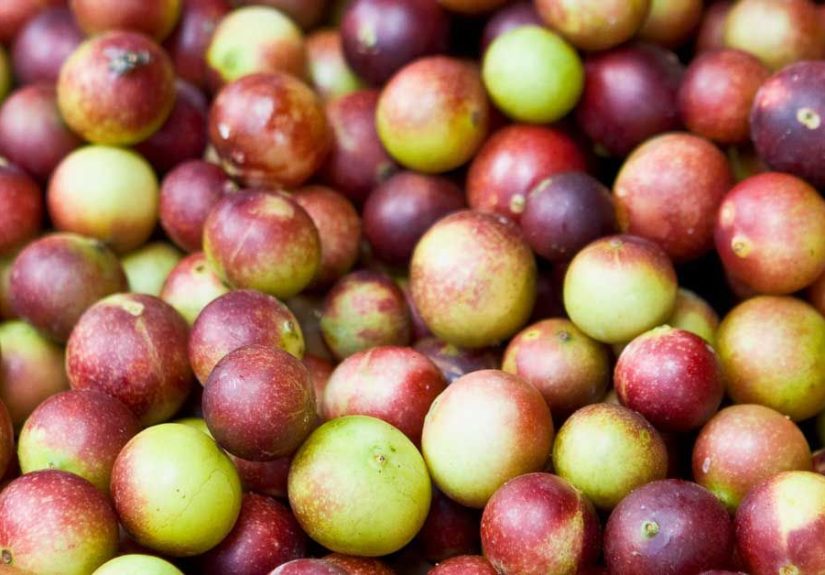
Camu camu is the fruit of Myrciaria dubia, a shrub native to the Amazon region of South America. The fresh fruit is extremely tart, so most people do not snack on it the way they would blueberries or strawberries. Instead, camu camu is usually sold as powder, capsules, juice, puree, or as an ingredient in blends marketed for immunity, skin health, or antioxidant support.
Its nutritional claim to fame is vitamin C, but camu camu also contains plant compounds such as polyphenols and carotenoids. That matters because the fruit’s possible health effects may not come from vitamin C alone. In fact, some researchers suspect that the combination of vitamin C and other phytochemicals is what makes camu camu interesting in the first place.
1. Camu Camu Is an Exceptionally Rich Source of Vitamin C
This is the big one. If camu camu were applying for a job, “vitamin C powerhouse” would be in giant bold letters at the top of the resume. Vitamin C is an essential nutrient, which means your body needs it but cannot make it on its own. You have to get it from food or supplements.
Vitamin C helps support immune function, collagen production, wound healing, antioxidant defense, and iron absorption. Adults generally need far less vitamin C per day than many camu camu products provide, which is why even a small serving of camu camu powder can look like nutritional overkill in the best possible way.
That said, the exact amount varies widely depending on the product, processing, storage, and whether you’re using juice, pulp, or powder. So camu camu is not magic. It’s just one of the most concentrated natural sources of a vitamin your body already knows how to use.
2. It May Help Reduce Oxidative Stress
Oxidative stress sounds like what happens when your inbox hits 4,000 unread emails, but biologically it refers to an imbalance between free radicals and the body’s antioxidant defenses. Over time, oxidative stress can contribute to cellular damage and is linked with aging and chronic disease.
Camu camu contains vitamin C plus polyphenols and other antioxidant compounds, which gives it a solid theoretical reason to help combat oxidative stress. Laboratory research supports this idea, and the fruit has shown antioxidant activity in test models.
One of the most talked-about human studies involved smokers, a group known to have elevated oxidative stress. In that small study, people who drank camu camu juice for one week showed reductions in markers linked to oxidative stress, while a comparison group taking vitamin C tablets with the same amount of vitamin C did not show the same changes. That doesn’t prove camu camu is a miracle berry, but it does suggest the whole-fruit matrix may matter.
3. Camu Camu May Have Anti-Inflammatory Effects
Inflammation is not automatically the villain. Your body uses it for healing and defense. The trouble starts when inflammation becomes chronic and low-grade, quietly stirring up problems in the background like an uninvited guest who keeps eating your snacks.
Researchers are interested in camu camu because its mix of vitamin C and polyphenols may help modulate inflammatory processes. The same small smoker study found reductions in inflammatory markers such as high-sensitivity C-reactive protein and certain interleukins after camu camu juice intake.
This is promising, but it deserves a giant scientific asterisk. The study was small, short, and focused on a specific group. In other words, camu camu may help with inflammation, but we need better human studies before saying it belongs on the same pedestal as proven anti-inflammatory habits like exercise, sleep, and a balanced diet.
4. It Can Support Immune Function Through Its Vitamin C Content
Let’s be precise here. Camu camu has not been proven to prevent colds, cure the flu, or transform you into a germ-proof superhero. But because it is rich in vitamin C, it can support normal immune function as part of a healthy diet.
Vitamin C helps various immune cells do their jobs properly. It also works as an antioxidant, helping protect cells from damage caused by free radicals. That is why vitamin C-rich foods are often included in discussions about immune support.
Still, “supports immune function” is not the same thing as “prevents illness.” That distinction matters. Camu camu can help you meet vitamin C needs, but it is not a substitute for vaccines, sleep, handwashing, hydration, medical care, or common sense during cold and flu season.
5. It May Promote Healthier Skin and Collagen Production
If the beauty world had a favorite vitamin, vitamin C would probably have its own ring light. One of vitamin C’s most important jobs is helping your body make collagen, a structural protein found in skin, blood vessels, cartilage, tendons, and ligaments.
That means camu camu may indirectly support skin health simply by delivering vitamin C, which your body needs for collagen synthesis and normal wound healing. Some people add camu camu to smoothies or yogurt for this reason, hoping it will support healthier-looking skin from the inside out.
To be fair, eating camu camu does not automatically erase wrinkles or make you look like you’ve been professionally airbrushed. But when a fruit helps you meet vitamin C needs, it can support the biological processes that help skin stay resilient and repair itself normally.
6. It Can Help Your Body Absorb Nonheme Iron
This benefit rarely gets enough attention, which is rude because it’s genuinely useful. Vitamin C enhances the absorption of nonheme iron, the kind of iron found in plant foods such as beans, lentils, spinach, tofu, nuts, and fortified grains.
That makes camu camu potentially helpful for people whose diets rely heavily on plant-based iron sources. For example, pairing a vitamin C-rich food or supplement with a meal containing beans or lentils can improve iron uptake.
Of course, this does not mean camu camu treats iron deficiency by itself. But as part of a meal pattern, it can be a smart nutritional teammate. Think of it as the friend who doesn’t do the whole group project but definitely makes the presentation better.
7. Early Research Suggests Possible Gut, Liver, and Metabolic Benefits
Now we enter the “interesting but don’t engrave it on a trophy yet” zone. Researchers are exploring whether camu camu may influence the gut microbiome, body weight regulation, liver fat, and broader metabolic health.
Animal studies have found that camu camu or its compounds may affect beneficial gut bacteria, energy metabolism, inflammation, and fat storage. There is also emerging clinical research in humans looking at prebiotic effects and metabolic outcomes. A randomized crossover trial in overweight adults with high triglycerides reported improvements in liver steatosis and liver injury markers, which is encouraging.
But here’s the reality check: this area is still early. It would be a mistake to tell readers that camu camu is a proven treatment for obesity, fatty liver disease, diabetes, or microbiome imbalance. The correct takeaway is that the fruit is scientifically intriguing, and better human trials are underway.
How to Use Camu Camu
Powder
Camu camu powder is the most common form. It can be stirred into smoothies, yogurt, oatmeal, chia pudding, or juice. Because the taste is intensely sour, many people combine it with banana, mango, pineapple, berries, or a little honey unless they enjoy flavors that feel like a lemon joined a boot camp.
Capsules
Capsules are convenient if you want the nutrients without the tart flavor. They can also make dosing more predictable, though the vitamin C amount still varies by brand.
Juice or Puree
Juice and puree are less common in mainstream grocery stores, but they are closer to the fruit’s original form. If you go this route, check labels for added sugars.
Possible Side Effects and Precautions
Camu camu is generally considered safe in food amounts, but concentrated powders and supplements can deliver large doses of vitamin C. For some people, too much supplemental vitamin C may cause nausea, diarrhea, stomach cramps, or digestive discomfort.
People with hemochromatosis or other iron overload concerns should be cautious, because vitamin C can increase iron absorption. It’s also smart to talk with a healthcare professional before using camu camu regularly if you are pregnant, breastfeeding, managing a medical condition, taking prescription medications, or receiving cancer treatment.
Another practical point: supplements are not regulated the same way as prescription drugs. So product quality, potency, and purity can vary. Choose brands that provide third-party testing or transparent labeling whenever possible.
What the Evidence Really Says
If you strip away the hype, camu camu still has a pretty respectable résumé. It is one of the richest known natural sources of vitamin C. It contains antioxidant plant compounds. A small human study suggests anti-inflammatory and antioxidant effects beyond vitamin C alone. Early research points toward possible gut and metabolic benefits.
But evidence-based means respecting the limits of the evidence too. Right now, the strongest case for camu camu is that it is a nutrient-dense fruit, especially for vitamin C, with promising but still developing research in other areas. It is a helpful addition to a healthy diet, not a miracle cure in berry clothing.
Experience Section: What It’s Actually Like to Add Camu Camu to Your Routine
People who try camu camu often describe the first experience the same way: “Wow, that is sour.” This is not the gentle sweetness of a ripe peach. It is the kind of tartness that makes your eyebrows briefly apply for independent citizenship. That’s one reason powder is often mixed into smoothies instead of taken with plain water.
In real life, the most common reason people start using camu camu is not because they stumbled through the Amazon looking for berries. It’s because they want an easy way to increase vitamin C intake without relying entirely on oranges or standard supplements. Some add a small spoonful to a breakfast smoothie with banana and berries. Others mix it into yogurt with a drizzle of honey. A few brave souls try it straight and immediately learn humility.
Another common experience is that people expect dramatic changes almost overnight. They want more energy by Tuesday, glowing skin by Friday, and the immune system of a medieval castle by the weekend. Usually, that’s not how nutrition works. Camu camu is more “steady support” than “instant fireworks.” If someone’s diet was already rich in fruits and vegetables, the noticeable difference may be subtle or nonexistent. If their diet was low in vitamin C-rich foods, using camu camu regularly may simply help fill a nutritional gap.
Some people report that camu camu feels easier to tolerate when taken with food rather than on an empty stomach. That makes sense, especially with concentrated powders. A sour, acidic powder plus an empty stomach is not exactly a recipe for inner peace. Sensitive users may do better starting with a small amount and seeing how they feel before upgrading to a larger serving.
There’s also the practical side of consistency. Many people buy camu camu with excellent intentions, use it for three days, then let it sit in the pantry next to the chia seeds they swore would change their life. The people most likely to stick with it are the ones who find an easy routine: one smoothie recipe they like, one yogurt bowl they actually want to eat, or one capsule they remember to take.
From a wellness perspective, the best experiences tend to come when camu camu is treated like a supporting actor rather than the star of the show. It fits well into a broader routine that already includes sleep, movement, fiber-rich foods, hydration, and enough protein. In that context, it can be a smart little nutritional upgrade. On its own, it’s just a very sour fruit powder with excellent marketing potential.
People also vary widely in why they keep using it. Some like it because it feels more “food-based” than a regular vitamin C tablet. Others enjoy the idea that they’re getting additional plant compounds beyond ascorbic acid alone. And some simply appreciate that a small amount can go a long way, especially if they dislike chewing through piles of citrus.
The most realistic takeaway from everyday experience is this: camu camu can be useful, convenient, and nutritionally impressive, but it works best when expectations are reasonable. It may help you meet vitamin C needs, add antioxidant-rich variety to your diet, and support a health routine you’re already building. That is plenty. Not every beneficial food has to arrive wearing a cape.
Conclusion
Camu camu earns its reputation in one major area: vitamin C. That alone makes it worth attention. On top of that, its antioxidant compounds and early research on inflammation, metabolism, and the gut microbiome make it more than just another trendy powder with a dramatic label.
Still, the smartest approach is a balanced one. Enjoy camu camu for what it is: a potent, tart, nutrient-rich fruit with promising science behind it, especially as a source of vitamin C. Just don’t expect it to do the job of an entire healthy lifestyle. Your smoothie can only carry so much responsibility.