Table of Contents >> Show >> Hide
- 1. Trade the “Pretty but Punishing” Chair for a Design-Forward Ergonomic Seat
- 2. Create Layered Lighting Instead of Relying on One Sad Ceiling Fixture
- 3. Upgrade to a Desk That Supports Movement, Not Just Storage
- 4. Give Your Screen Setup a Promotion: Monitor, Stand, and Better Viewing Angles
- 5. Hide the Clutter, Keep the Essentials, and Make Organization Look Good
- 6. Add Sound Control With Soft Materials and Smart Audio Tools
- 7. Bring in Plants and Better Air for a Space That Feels Alive
- How to Pull the Look Together Without Overdesigning It
- Real-World Experiences: What These Upgrades Actually Feel Like Over Time
- SEO Tags
If your home office currently looks like a folding chair lost a custody battle with three charging cables, it may be time for an upgrade. The good news is that boosting productivity does not require a massive renovation, a trust fund, or a desk that looks like it was stolen from a billionaire’s yacht. In many cases, the smartest changes are simple: better posture, better lighting, less visual chaos, and a setup that makes you actually want to sit down and work.
A stylish home office is not just about impressing people on video calls with a tasteful lamp and a suspiciously well-placed stack of books. It can also shape how focused, comfortable, and energized you feel during the day. When your chair supports you, your screen is positioned correctly, your desk is not drowning in paper, and the room feels calm instead of chaotic, work becomes easier to start and easier to sustain. That is the sweet spot: a workspace that looks good, feels good, and quietly helps you get more done.
Below are seven stylish home office upgrades that can make a real difference to your daily workflow. Some are practical, some are decorative, and the best ones do both jobs at the same time.
1. Trade the “Pretty but Punishing” Chair for a Design-Forward Ergonomic Seat
Why it boosts productivity
Let’s start with the upgrade that saves your back, your neck, and your patience. If you work from a dining chair, a vanity stool, or a sofa that swallows your spine whole, your body is spending energy compensating for bad support. That discomfort sneaks into your concentration. You fidget more, take more breaks, slump closer to the screen, and end the day feeling like a bent paper clip.
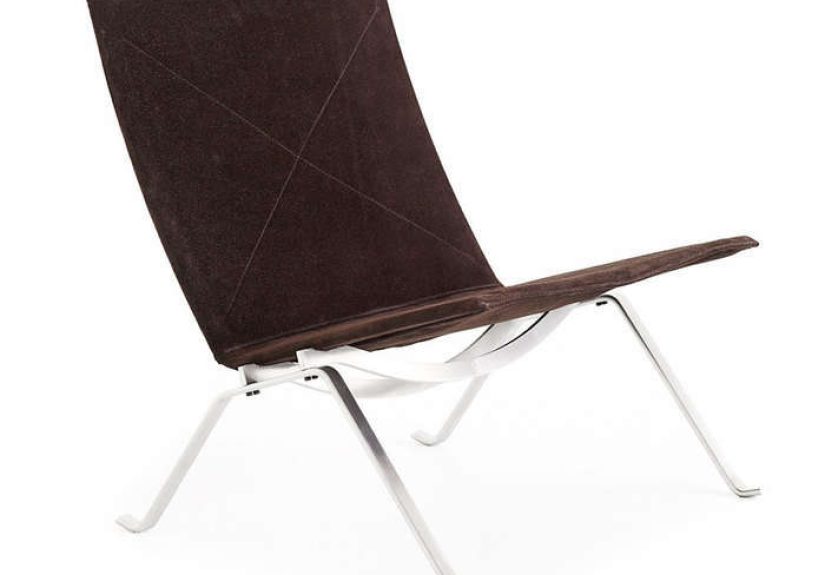
A supportive office chair changes the entire rhythm of the day. Look for adjustable seat height, solid lumbar support, and armrests that let your shoulders stay relaxed instead of creeping toward your ears like frightened turtles. Your feet should rest flat on the floor, your elbows should stay close to your body, and your posture should feel natural rather than staged.
How to make it stylish
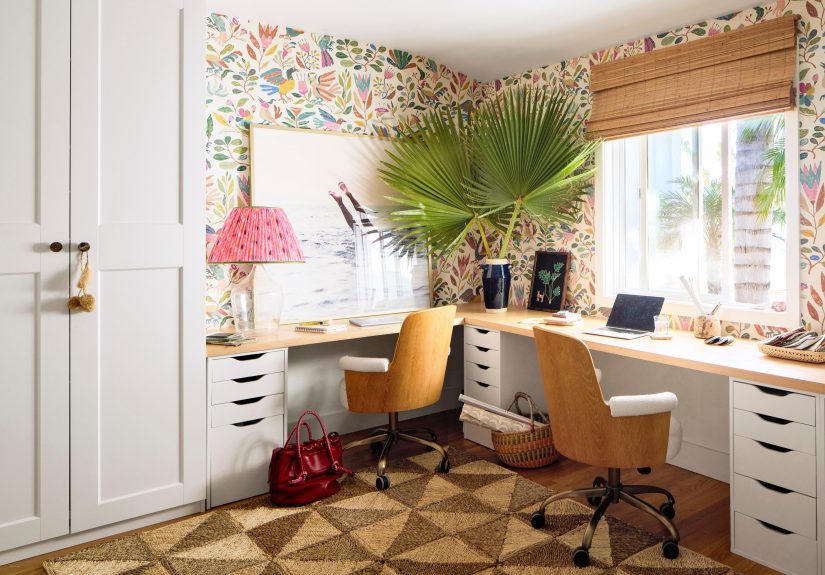
Ergonomic no longer has to mean “corporate sadness in black mesh.” Today’s best chairs come in warm neutrals, soft boucle, sculptural silhouettes, and muted colors that blend beautifully into a home. If you want your chair to feel intentional, match it to the room’s tone. In a modern office, choose clean lines and matte finishes. In a cozy office, go for textured upholstery and wood accents. If the chair is visually bulky, balance it with a slim desk or a lighter rug.
This is one of those rare upgrades that improves both comfort and appearance. Your body will thank you, and your office will stop looking like a temporary tax-prep station.
2. Create Layered Lighting Instead of Relying on One Sad Ceiling Fixture
Why it boosts productivity
Lighting affects everything from eye comfort to mood. A room that is too dim can make you drowsy, while harsh overhead lighting can create glare, headaches, and the strange feeling that you are working inside a dentist’s office. If your monitor is fighting with a window behind it or reflecting a bright bulb straight into your eyes, concentration becomes a contact sport.
The goal is balanced, flexible light. Natural light is fantastic when it is controlled, but it should not blast across your screen. Task lighting helps with reading, writing, and detail work. Ambient light softens the room and makes it feel less sterile. Together, these layers reduce visual strain and make the space more pleasant for long work sessions.
How to make it stylish
Think of lighting as functional decor. A beautiful desk lamp with a warm metal finish can add personality while giving you focused light exactly where you need it. A small floor lamp in the corner makes the room feel finished. Roman shades, linen curtains, or simple blinds can tame glare without turning the room into a cave.
One of the easiest high-impact upgrades is placing your desk perpendicular to a window rather than directly in front of or behind it. That setup often gives you the benefits of daylight without the visual drama of screen glare. In other words, your office gets the glow-up, and your eyes get a break.
3. Upgrade to a Desk That Supports Movement, Not Just Storage
Why it boosts productivity
A desk should do more than hold a laptop and one increasingly tragic coffee mug. The right desk gives you enough room to work comfortably and makes it easier to change positions throughout the day. That matters because staying frozen in one posture for hours is not exactly a productivity superpower.
A sit-stand desk is especially useful if you spend long stretches at the computer. It lets you alternate between sitting and standing, which can break up monotony and reduce that heavy, sluggish feeling that arrives around mid-afternoon. Even if you do not stand for half the day, simply having the option encourages more movement and more frequent resets.
How to make it stylish
Skip the giant executive desk unless your job involves signing treaties. For most home offices, a clean-lined desk with enough depth for a monitor, keyboard, notebook, and lamp is more effective. Wood finishes warm up the room; white or black lacquer gives a sharper modern look; mixed materials like oak and metal strike a balance between cozy and contemporary.
If a full sit-stand desk is not in the budget, a tasteful desktop riser can still improve flexibility without taking over the room. Choose one that matches your desk finish so it feels integrated rather than like gym equipment landed in your office by accident.
4. Give Your Screen Setup a Promotion: Monitor, Stand, and Better Viewing Angles
Why it boosts productivity
If you spend hours hunched over a laptop, your neck has probably already filed a complaint. A screen that is too low or too close can trigger eye strain, poor posture, and that classic work-from-home pose known as “keyboard shrimp.” Upgrading your display setup is one of the fastest ways to make work feel easier.
A larger monitor can help you see more at once, reduce constant tab switching, and keep your head and neck in a more neutral position. A monitor arm or stand also helps you place the screen at a more comfortable height. If you primarily use a laptop, pair it with an external keyboard and mouse so the screen can sit higher without turning your typing position into a contortion exercise.
Small tweaks also matter. Keep the monitor roughly an arm’s length away. Use larger text if you find yourself leaning in. And remember to look away from the screen regularly so your eyes do not feel like they have been marinated in blue spreadsheets for eight hours.
How to make it stylish
Monitor arms are the quiet heroes of a polished desk. They free up surface space, hide visual bulk, and make the workstation look cleaner. Choose accessories in matte black, brushed metal, or soft white for a more intentional feel. Wireless peripherals, a matching mouse pad, and a laptop stand in wood or aluminum can make the whole setup look tailored rather than improvised.
This upgrade is a productivity win disguised as a design decision, which is really the best kind of upgrade.
5. Hide the Clutter, Keep the Essentials, and Make Organization Look Good
Why it boosts productivity
Visual clutter is sneaky. It does not always shout, but it constantly whispers. A pile of unopened mail, tangled cords, random pens, mystery receipts, and six sticky notes from three weeks ago can create a low-grade mental buzz that makes focus harder. Even when you think you are ignoring the mess, your brain is still processing it.
A cleaner desk does not mean you need to become a minimalist monk with one pencil and a haunting amount of self-control. It just means reducing friction. Keep what you use often within reach. Store the rest. Clear space helps you find what you need faster, makes starting tasks feel easier, and makes the room calmer overall.
How to make it stylish
Pretty storage is one of the easiest ways to make an office look expensive and work better. Use trays for small items, matching file holders for papers, a catchall dish for clips and chargers, and closed baskets or drawers for the ugly stuff that still needs to live somewhere. Cable boxes, cord clips, and under-desk trays are wildly underrated if your current cable situation resembles spaghetti after a small electrical storm.
Choose materials that match your room: woven bins for a softer organic feel, acrylic organizers for a crisp modern desk, or wood and leather pieces for a more elevated look. The goal is not to erase personality. The goal is to keep your personality from getting buried under receipts and adapters.
6. Add Sound Control With Soft Materials and Smart Audio Tools
Why it boosts productivity
Noise can derail concentration faster than almost anything. Maybe it is traffic outside, a television in the other room, a barking dog, or the deeply personal rage that comes from hearing a leaf blower at exactly the moment you finally start focusing. Sound management matters.
You do not need a professionally treated recording studio to make a home office quieter. Softer surfaces can reduce echo and make the room feel more grounded. Rugs, curtains, upholstered chairs, and fabric panels all help soften sound. If your space is busy, a good pair of headphones can be a lifesaver for deep work, meetings, and cutting down distraction.
How to make it stylish
Acoustic upgrades can be some of the prettiest. A textured rug anchors the room and dampens sound at the same time. Curtains add softness and visual height. Decorative felt panels or framed textile art can function as subtle sound absorbers without screaming “conference room.” Even a bookcase filled with books and objects can break up harsh reflections and make the room feel more layered.
In design terms, sound control adds warmth. In productivity terms, it creates fewer moments where your train of thought gets punted out the window by a lawn mower.
7. Bring in Plants and Better Air for a Space That Feels Alive
Why it boosts productivity
A stale room makes work feel stale too. Air quality, humidity, ventilation, and general freshness all affect comfort. A room that feels stuffy, dusty, or bone-dry can leave you sluggish and distracted. On the flip side, a workspace with cleaner air, decent circulation, and a little greenery tends to feel calmer, healthier, and more inviting.
Plants are especially useful because they do double duty. Visually, they soften hard lines and make an office feel more human. Psychologically, they can make the room feel less rigid and more restorative. No, one pothos will not turn you into a productivity machine by lunch, but a thoughtfully planted space often feels more enjoyable to spend time in, and that matters when your office is also your home.
How to make it stylish
Use plants as finishing pieces, not jungle warfare. One medium plant in a corner, one small plant on a shelf, and maybe a simple stem in a ceramic vase can be enough. Choose easy-care varieties such as snake plants, pothos, ZZ plants, or peace lilies if you want beauty without a side career in botany.
Also pay attention to the invisible side of the room. Keep vents clear, clean filters regularly, and consider a compact air purifier if your space gets dusty or feels closed in. A beautiful office should not just look fresh. It should actually feel fresh.
How to Pull the Look Together Without Overdesigning It
The most productive home offices usually share one trait: restraint. They are not packed with decor just because someone said “add personality.” They are edited. A good workspace has enough style to feel inspiring, enough comfort to support long hours, and enough simplicity to keep the mind from bouncing around like a browser with 47 tabs open.
Start with the essentials: chair, desk, monitor setup, and lighting. Then layer in organization, sound control, and greenery. Stick to a cohesive palette so the room feels intentional. That could mean warm neutrals and natural wood, moody charcoal and brass, or soft earth tones with black accents. You do not need to make the office trendy. You need to make it usable, attractive, and easy to maintain on a random Wednesday when your motivation is hanging by a thread.
The best home office upgrades are the ones that quietly disappear into your routine. You stop noticing the chair because your back is not complaining. You stop noticing the lighting because your eyes are not tired. You stop noticing the clean desk because you can find everything. That is the magic. A beautiful office is nice. A beautiful office that makes work easier is better.
Real-World Experiences: What These Upgrades Actually Feel Like Over Time
One of the most interesting things about upgrading a home office is that the benefits rarely arrive as one dramatic movie moment. Nobody installs a monitor arm at 9:00 a.m. and suddenly writes the next great American novel by lunch. Instead, the improvements show up in smaller, more believable ways. You notice that your shoulders are less tense by mid-afternoon. You realize you are not constantly shifting around in your chair. You finish a work session and feel mentally tired, not physically wrecked. That difference matters more than people think.
A common experience is that the first “stylish” purchase turns out to be the most practical one. People often begin with decor because it feels fun and manageable, then end up obsessed with function because function is what changes the day. A new lamp may make the office prettier, but the right chair can make you last through back-to-back meetings without turning into a human pretzel. A rug may make the room feel polished, but a decluttered desk can save you from ten tiny distractions every hour. The visual upgrade pulls you in; the ergonomic upgrade keeps you there.
Another very real experience is that working in a better-looking office changes your willingness to start. This is one of the least discussed productivity benefits, but it is huge. When a space feels chaotic, cramped, or temporary, your brain tends to treat work as something to resist. When the room feels settled, attractive, and ready, starting becomes easier. It is a subtle cue that says, “This is where focused work happens.” It may sound dramatic, but anyone who has tried to work for months from a kitchen table surrounded by random life clutter understands the emotional difference immediately.
Many people also discover that they were underestimating sensory stress. Before an upgrade, they might assume they are simply “bad at focusing.” After improving lighting, reducing glare, adding a rug, or cleaning up cable mess, they realize the space itself was working against them. The room was noisy, visually busy, or physically uncomfortable in ways that drained attention. Once those stress points are removed, work does not become effortless, but it becomes less irritating. That is often enough to improve consistency.
There is also a confidence factor. A home office that feels intentional can influence how you show up during calls, creative work, and planning sessions. You may sit straighter. You may keep a clearer desk. You may even feel a little more professional, which sounds silly until you experience it. Environment does not replace discipline, but it can support identity. When your workspace reflects the kind of focused, organized person you want to be, it becomes easier to act like that person.
Perhaps the most useful long-term lesson is that the best upgrades are rarely the flashiest. People tend to remember the simple changes: moving the desk near a window, raising the screen, buying a chair that actually fits, adding closed storage, or bringing in one plant that somehow makes the room feel less like a holding cell for email. These are not glamorous transformations. They are practical refinements. But over weeks and months, practical refinements are exactly what shape daily productivity.
In the end, a great home office does not need to be massive, expensive, or internet-famous. It just needs to help you do your work with a little more comfort, a little more clarity, and a lot less nonsense.